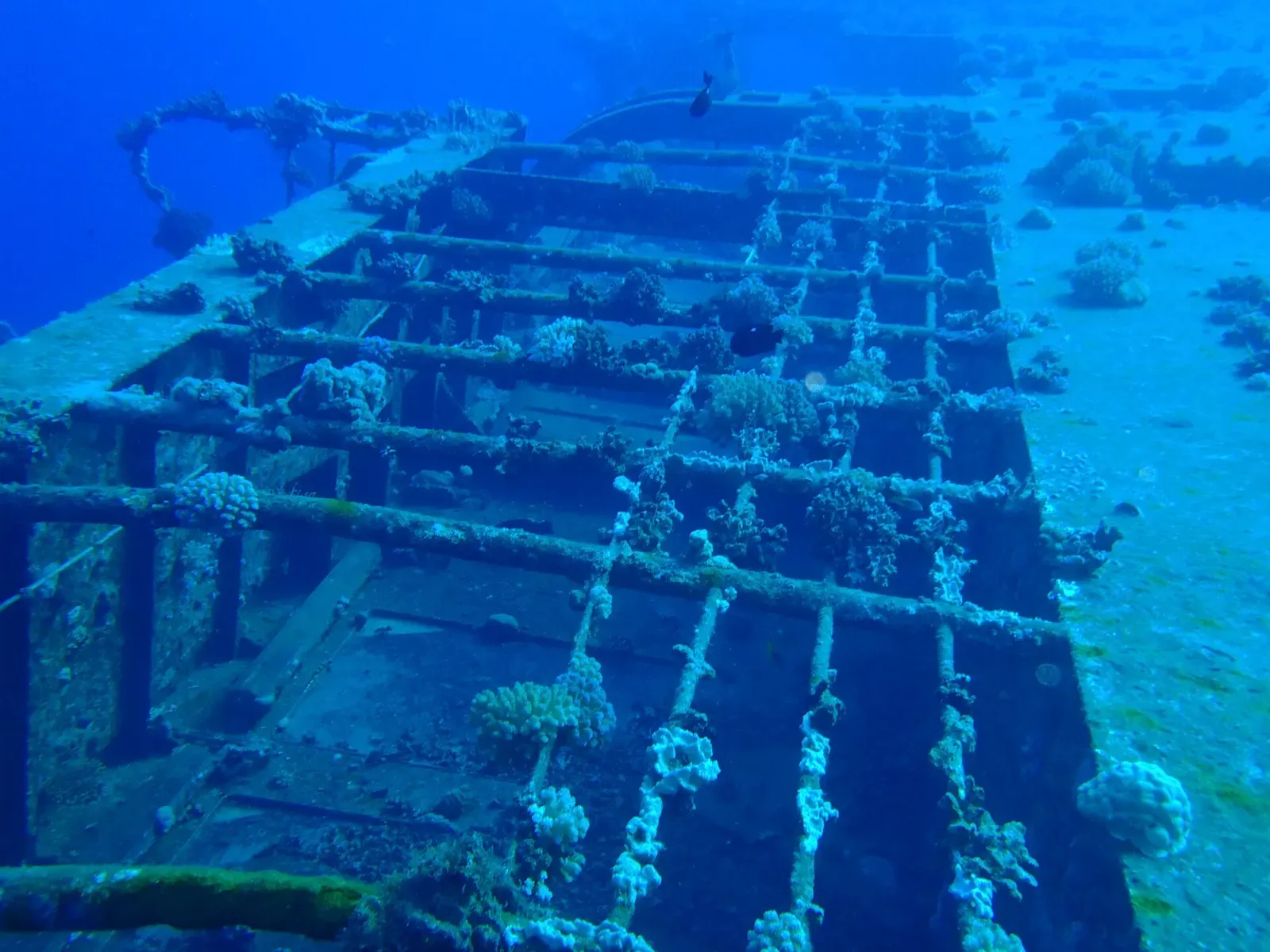
Safaga · Egypt · Drift · Reef · Wall
Abu Kafan
A current-swept ridge where grey reef sharks hold out in the blue
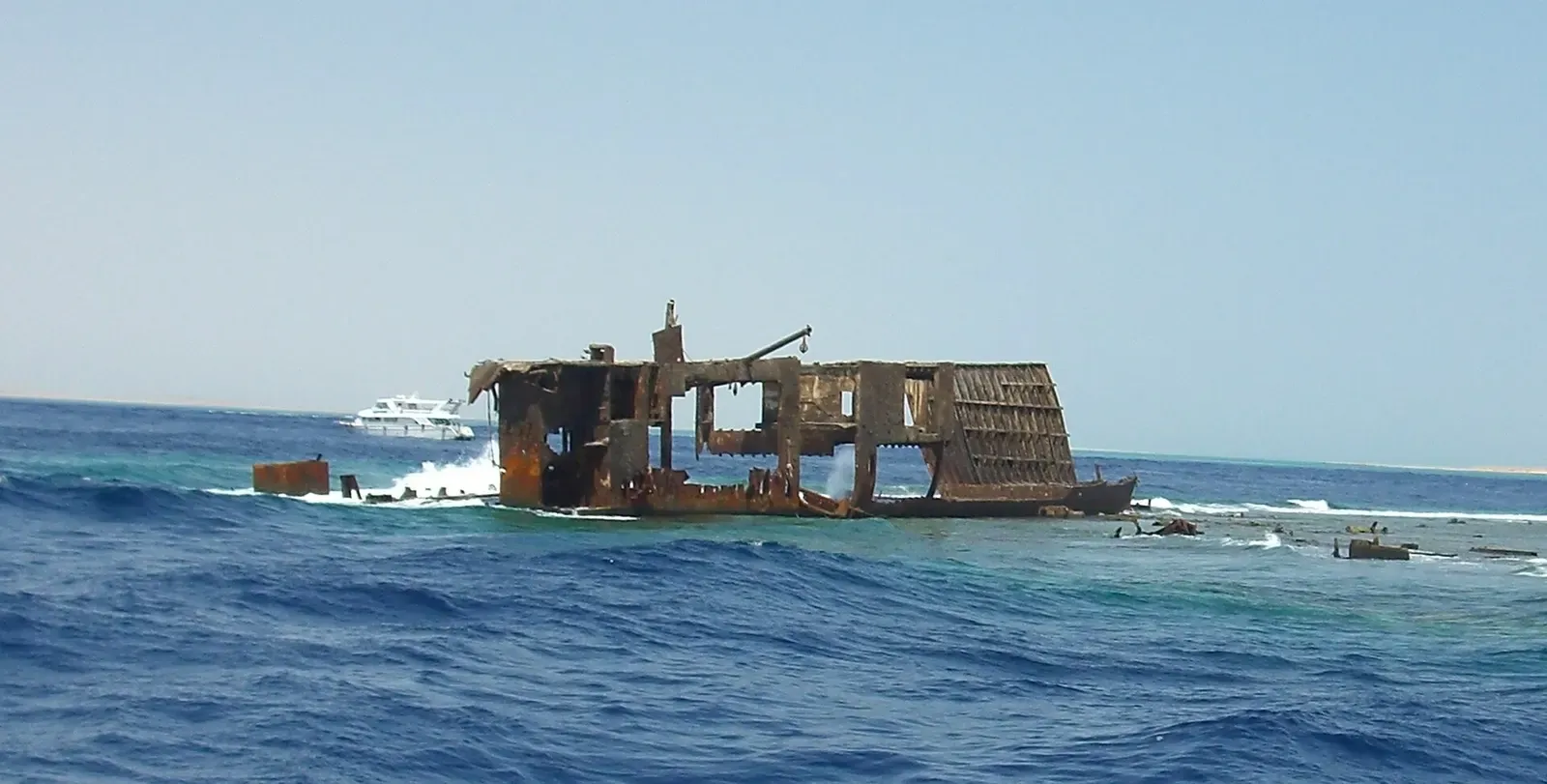
Area photo: Thomei08 · CC BY-SA 3.0
Abu Kafan is a long, narrow reef standing alone in open water more than 90 minutes out from Safaga. Its top comes up to 3 metres and plateaus run from 10 to 30 metres before the flanks fall into the abyss. The northern plateau is swept by current coming down from the north, and that is where the sharks, barracuda and tuna are; the reef is big enough that operators dive it twice rather than once.
Also known as Abu Kifan.
Where it is and how deep
26.6580° N, 34.1054° EPublished position for this site.
The dive
The shape of the site sets the dive: an elongated reef whose top rises to 3 metres, with plateaus between 10 and 30 metres on either flank and walls dropping away into the abyss. The northern plateau slopes from around 15 metres at the reef and is swept by current coming down from the north; groups are dropped there by zodiac or RIB and head down the north-east wall from it.
That wall is the reason to come. Grey reef sharks tend to stay further out in the current while whitetips come in closer to the reef, barracuda hunt along the edge and tuna pass through the blue. The north-east face is a vertical drop to 110 metres, where a 10-metre-wide ledge protrudes far below anything you will dive, which gives some sense of the water underneath you. Turtles are often present in the shallower areas, with anthias and soft corals, on the way back up for the safety stop.
Marine life and season
- Reef sharks
- Barracuda
- Tuna
- Sea turtles
| Jan | Feb | Mar | Apr | May | Jun | Jul | Aug | Sep | Oct | Nov | Dec |
|---|---|---|---|---|---|---|---|---|---|---|---|
| Fair | Fair | Good | Prime | Prime | Prime | Good | Good | Prime | Prime | Good | Fair |
Season follows Safaga: Apr–Jun and Sep–Nov are the most comfortable windows; in every month the wind decides whether the offshore reefs can be reached.
Know before you go
- Current sweeps the northern plateau from the north and an isolated reef offers no shelter, so stay with the guide and be ready for a blue-water ascent.
- The north-east wall drops vertically to 110 metres and beyond; with no bottom in sight it is easy to drift deeper than planned along the face.
Dive videos
4K Red Sea Coral Reef Dive, Abu Kifan South Egypt – Stunning Underwater Wonders & Marine Life | Sony · Corneelvm Underwater on YouTube
Abu Kafan | North Plateau · BSchaga on YouTube
Questions divers ask
Is Abu Kafan suitable for beginners?+
No. It is recommended for experienced divers because of the depth and the conditions: the plateaus run to 30 metres, the northern plateau is swept by current coming down from the north, and the reef sits over 90 minutes offshore with nothing sheltering it.
Why is Abu Kafan dived twice?+
The reef is long and complex enough that covering it takes at least two separate dives, so operators normally plan more than one dive here.
Sources
- Abu Kafan North dive site — PADI
- Abu Kafan Dive Site - Safaga, Egypt — The Scuba Directory
- Diving Sites Safaga — Diving-top.com
- Abu Kafan Reef Safaga Egypt information — ETL Travel
- Abu Hashish — Underwater Atlas
In The Logbook
- Where to see reef sharks on your first divesBig animals · 14 min read
More dive sites in Safaga
Reef
A drift-free reef with south-side blocks, 90 minutes offshore
Reef
Shallow 16 m reef, 25 minutes out, divable when the wind is up
Reef
Main reef to 14 m, with the south side dropping to 20 m
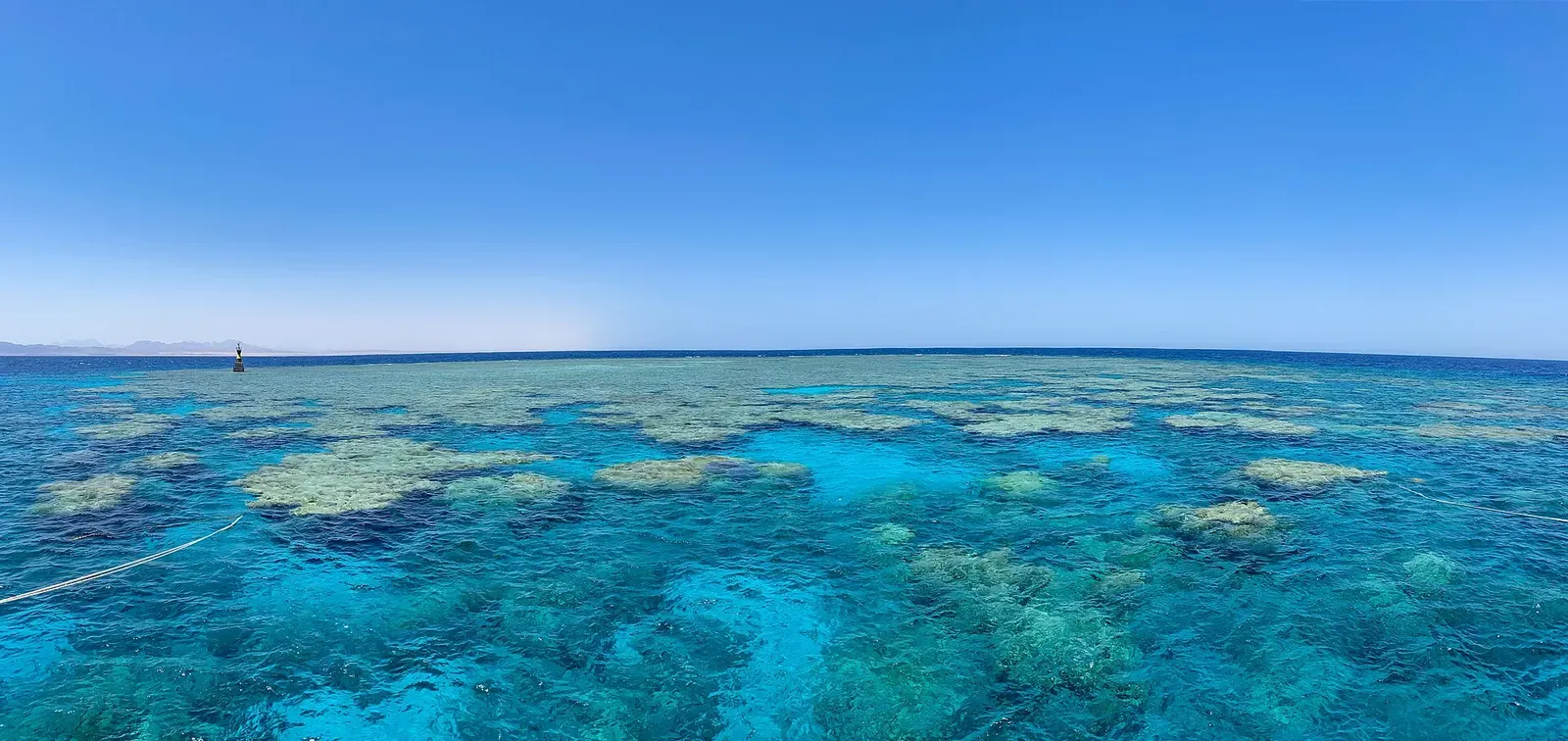
A mushroom-shaped reef with a labyrinth of caves along its south side
Reef
An anemone garden of 40-plus anemonefish above a 35 m plateau
A 115 m ferry lost in 1991, dived as a memorial without entry
Bottom depths from 14 m to 30 m on the reef's western side
Pinnacle
Coral pillars rising from sand at 12 m almost to the surface
Similar dives elsewhere

A hard drift off the point, with tuna and barracuda in the flow
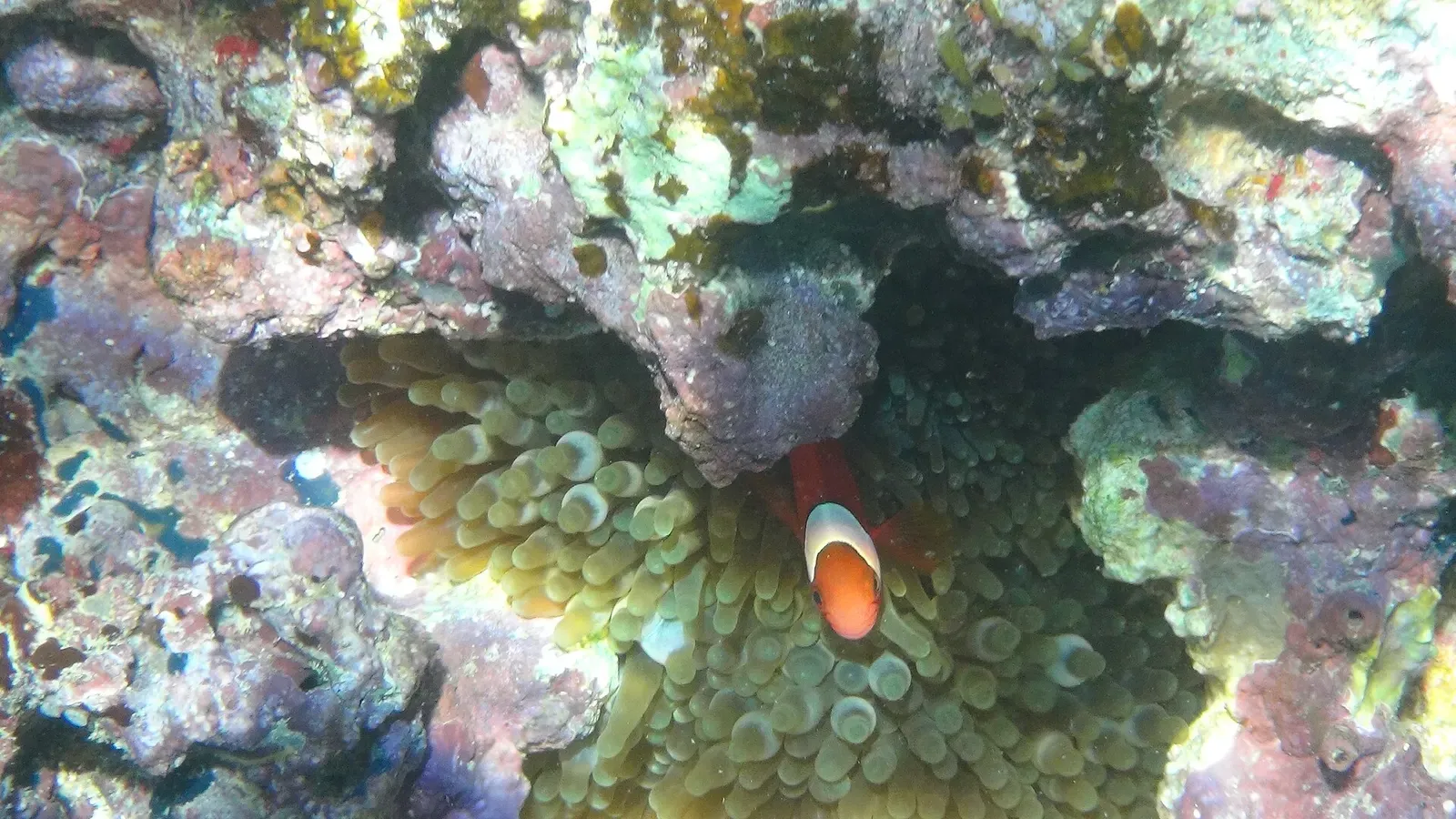
A current-washed plateau at 25–30 m, pelagics one day, pygmies the next
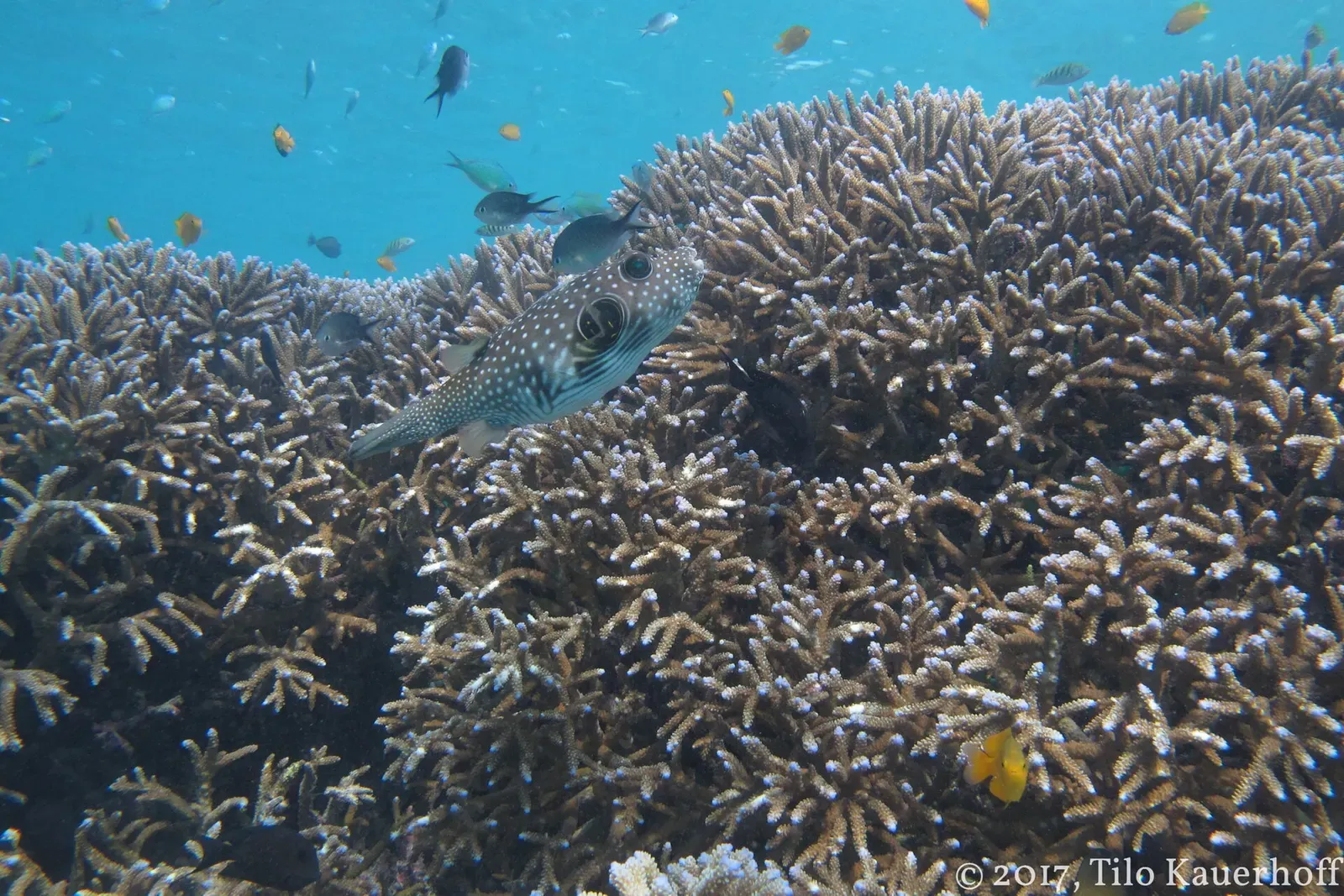
Juvenile whitetips tucked into small caves along a drifting slope

Scalloped hammerheads off the back of the reef in late summer