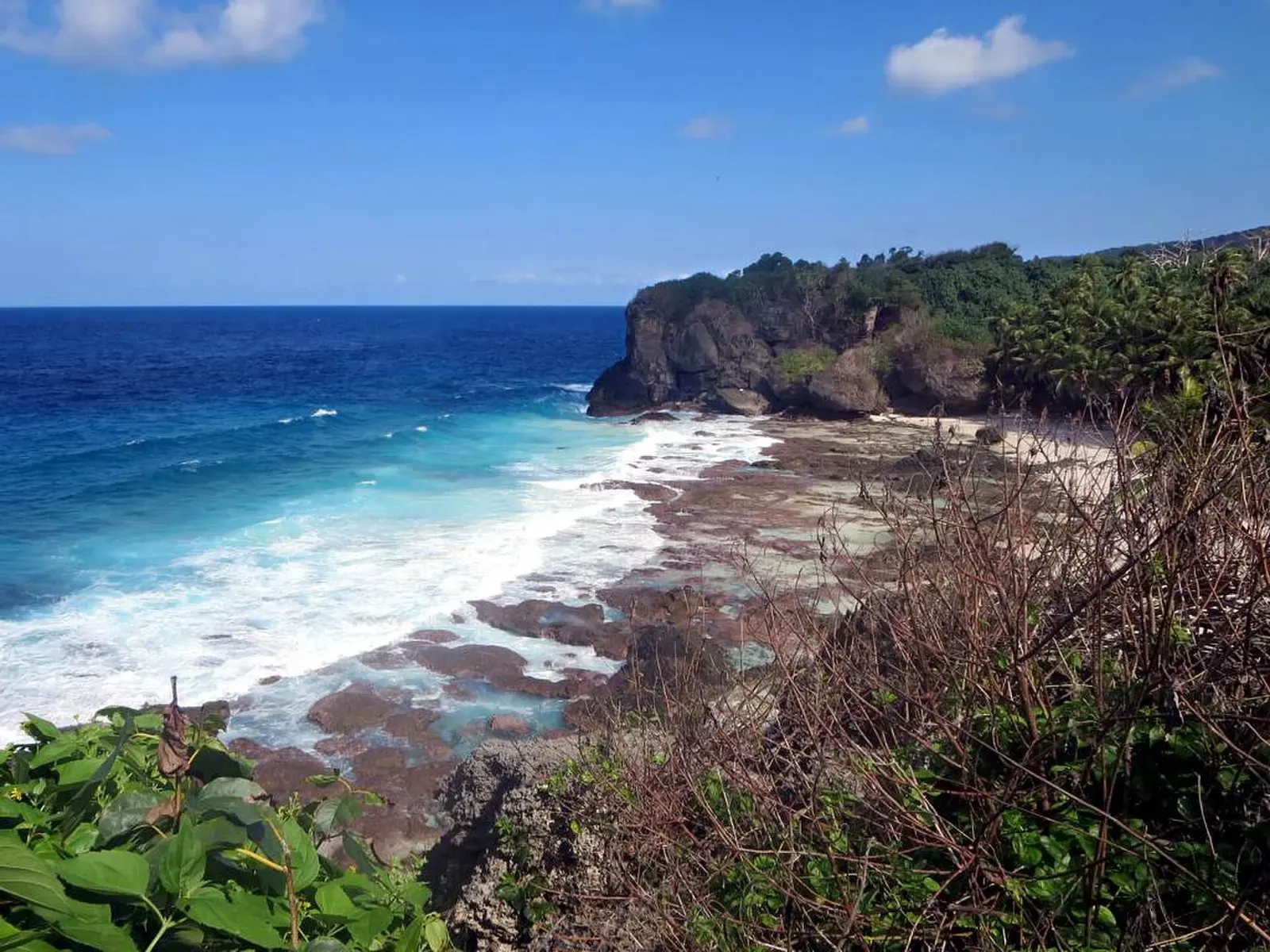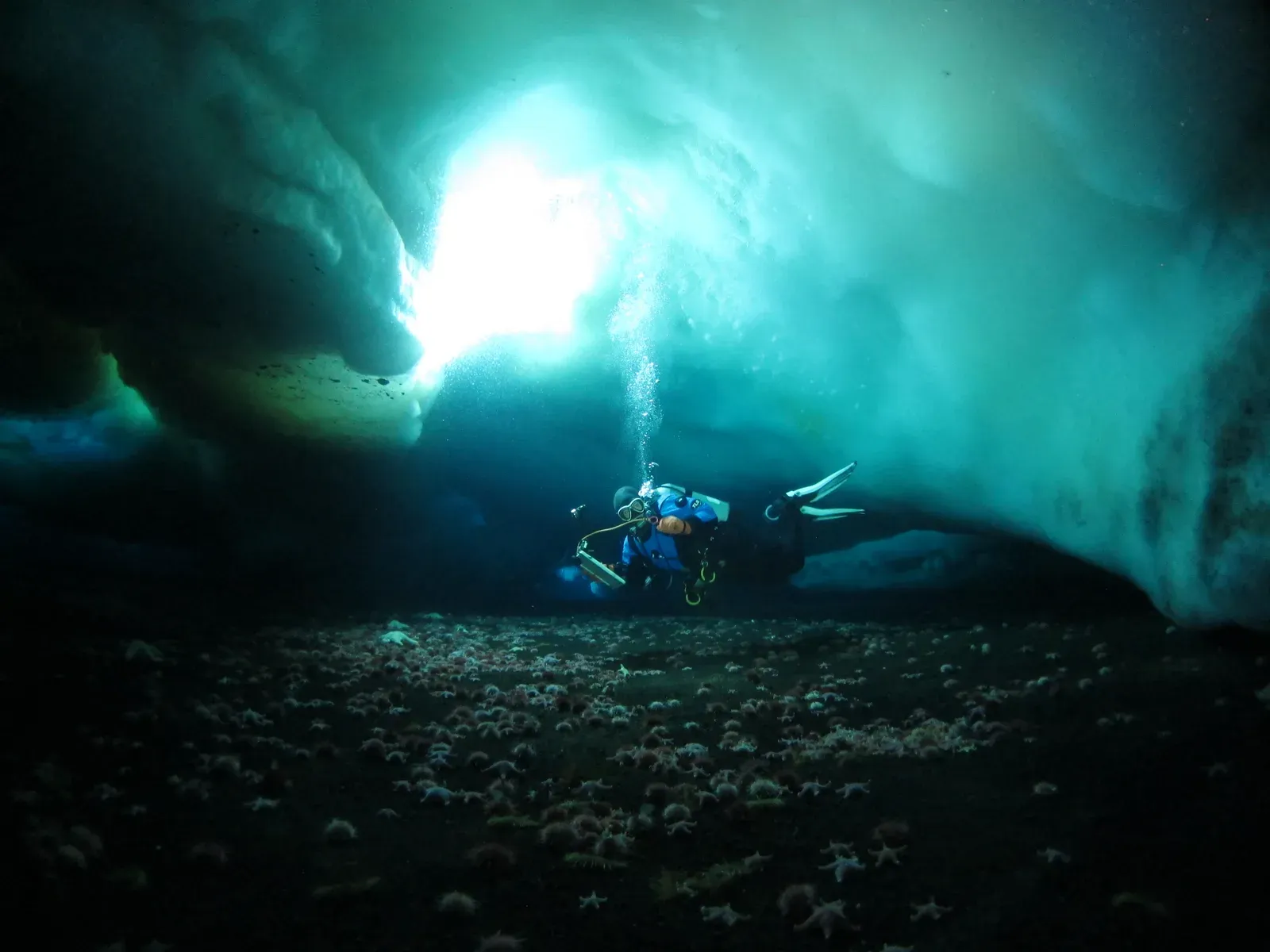
The New Hanover trips run from May to October; rain from late December to March and North Pacific swell from November to April mark the rest of the year.
29–32°C · 84–90°Fintermediate
October 2026 · 180 at their peak
180 at their peak in October357 goodthe restOpen October on the map →
The right month for Komodo is the wrong one for Raja Ampat, and every operator's website says come now. Reefwander rates 732 dive destinations for all twelve months of the year from published sources, so you can start from when you can travel, see where the sea is at its best, and read the named dive sites underneath before you book.
180 dive destinations are at their peak in October, with another 357 in good shape. The strongest regions are Coral Triangle, Mediterranean, East Asia; water runs from 1 °C to 32 °C (34–90 °F).
The New Hanover trips run from May to October; rain from late December to March and North Pacific swell from November to April mark the rest of the year.
October to December brings the clearest water; August and September bring upwellings and lower visibility; from November to April swell can roughen the north side.
Autumn and winter are usually the high season; September to March has the clearest water, April to October the warmest.
Diveable all year. April to July and October to November give the calmest, clearest water; December to March is the rainy season, with more run-off and fewer divers.
April to November is the season, warmest from July to September; the summer meltemi can blow out the exposed north-coast sites for a day or two at a time.
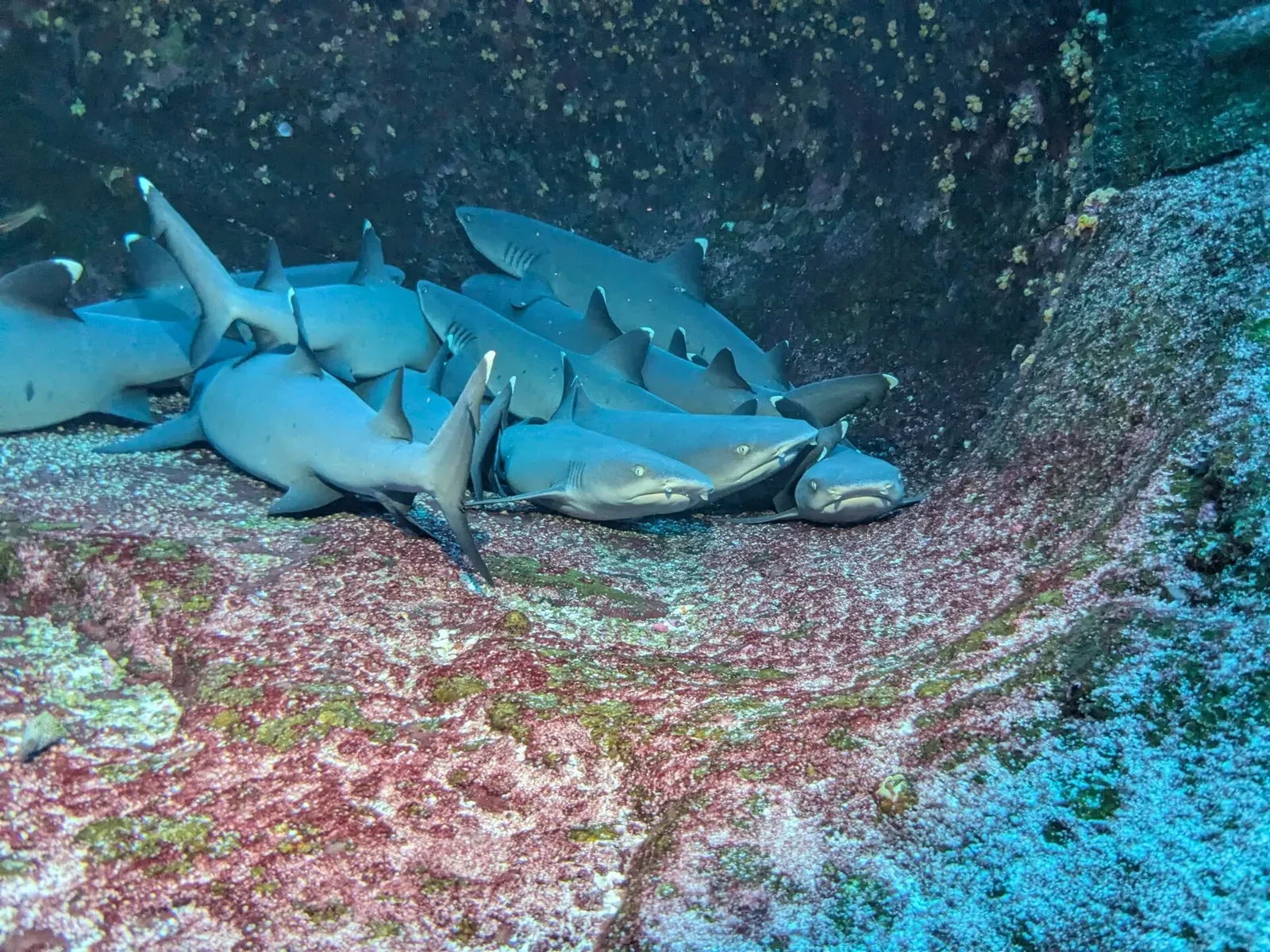
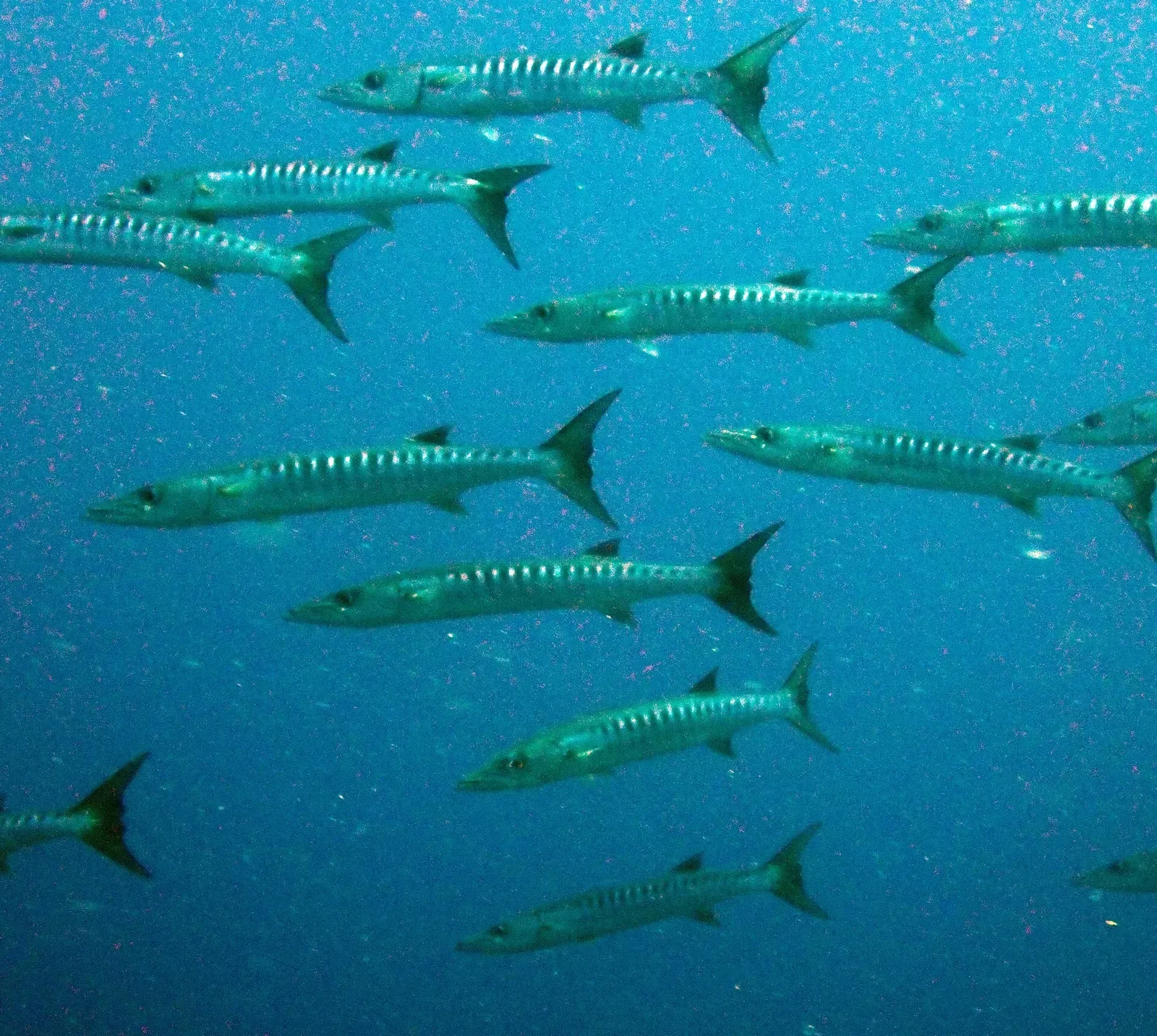
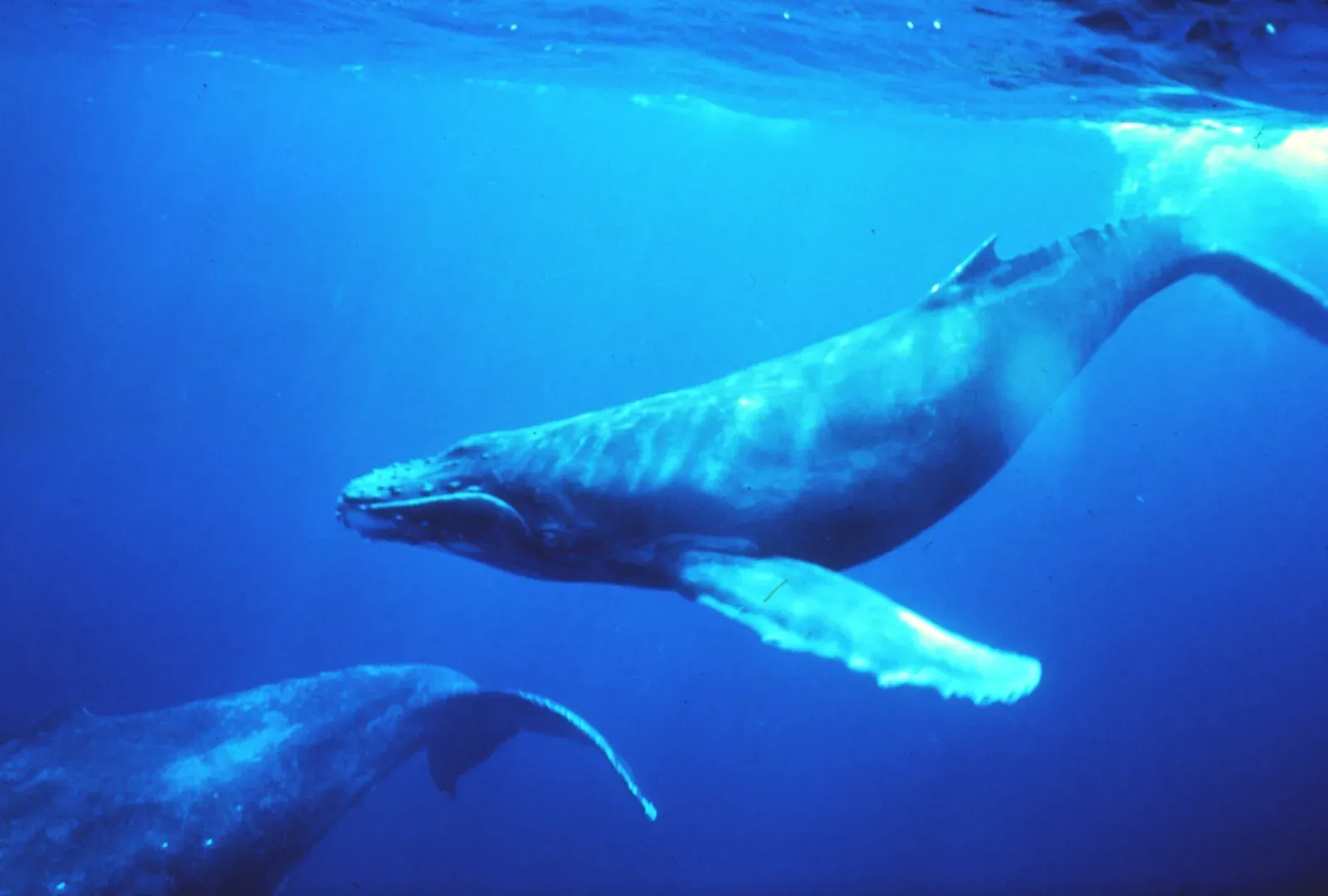
Hammerhead sightings at Tiran peak June–September; winter winds can make Tiran crossings choppier.
Travelling another month? Pick it here, or see the whole year.
Fifteen regions, from the Caribbean to the cold water. Each region page compares its destinations on season, temperature, visibility and the animals you can expect.
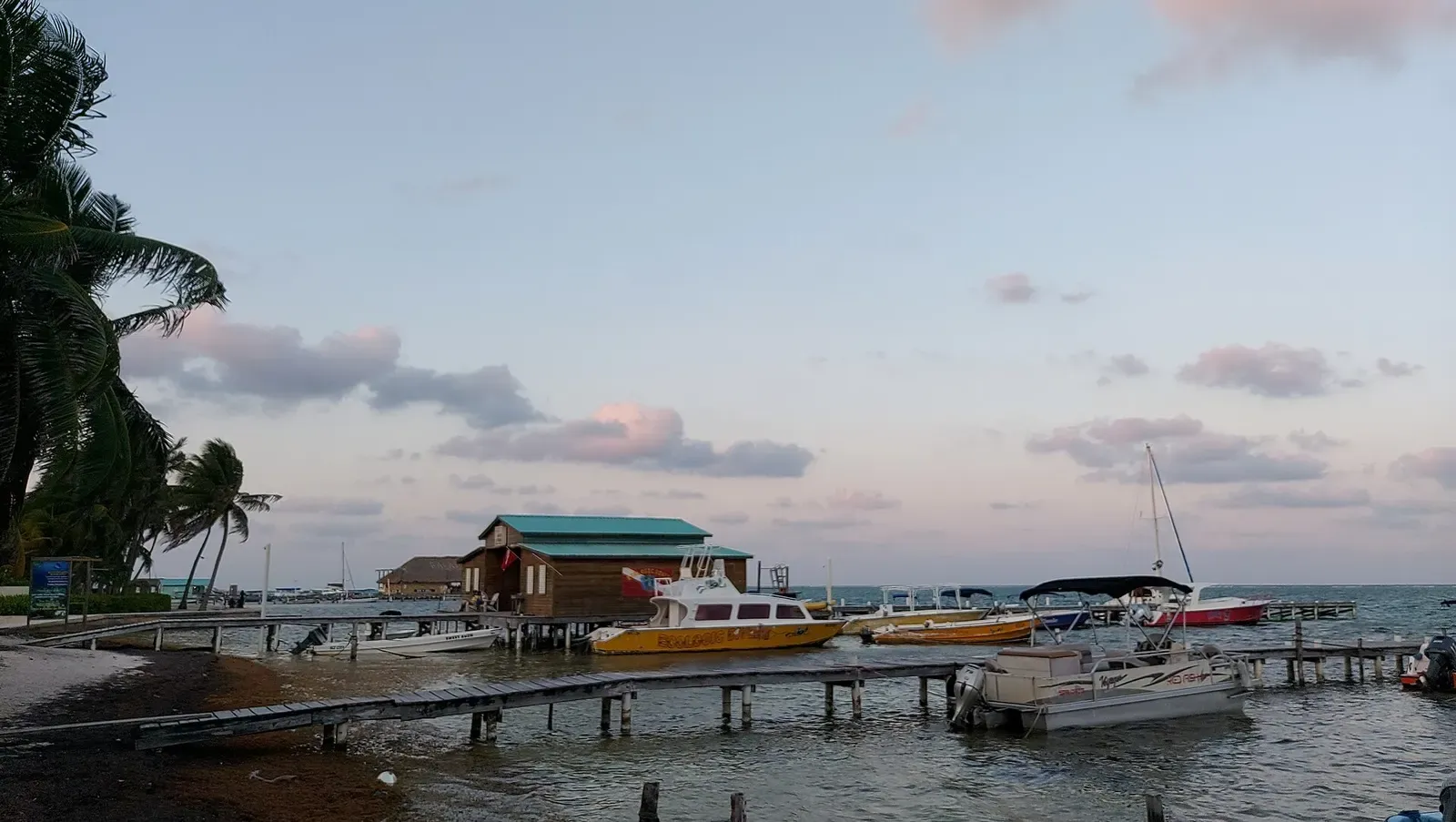
71 destinations · 33 countries
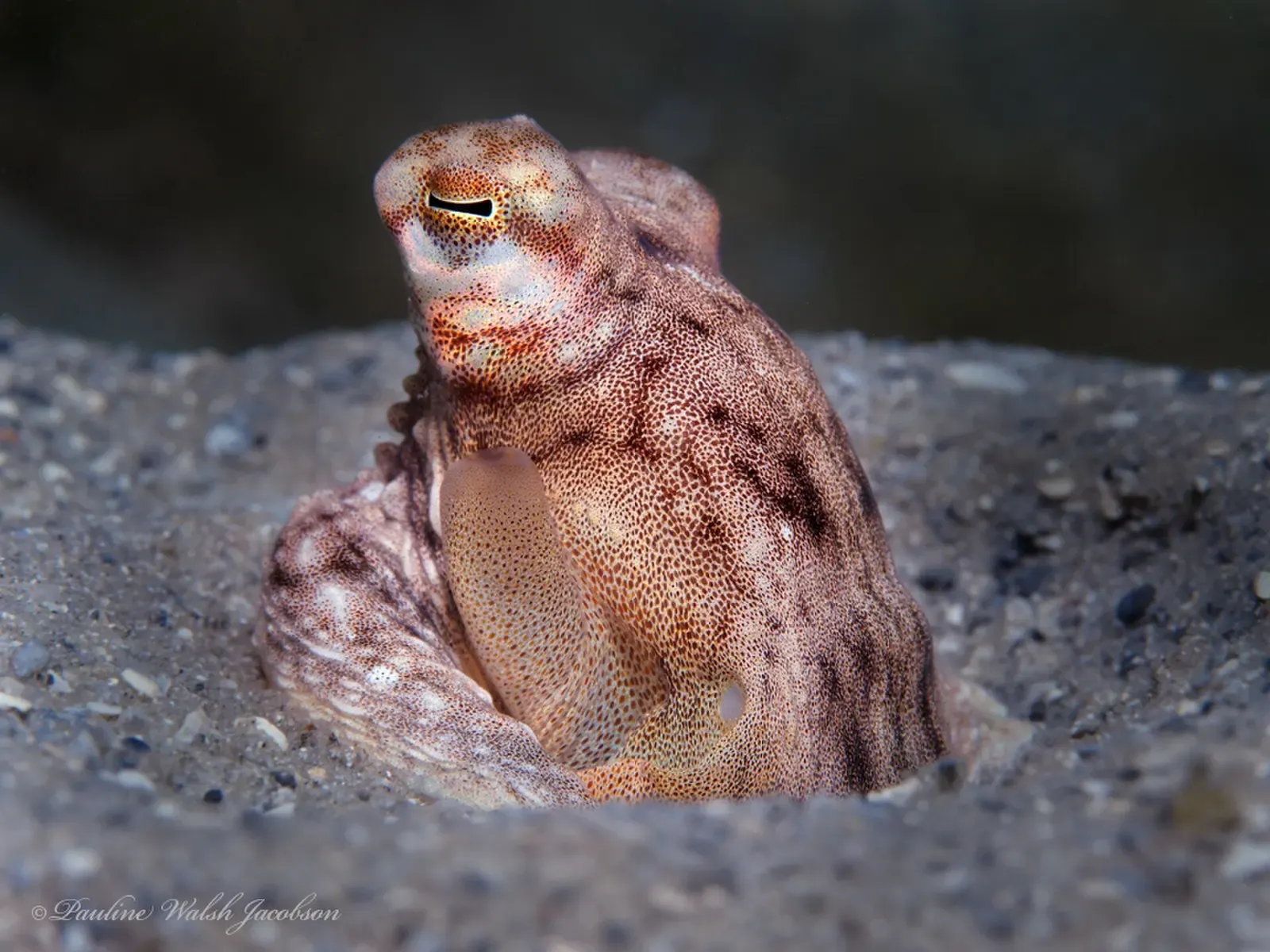
47 destinations · 3 countries

16 destinations · 4 countries

28 destinations · 4 countries
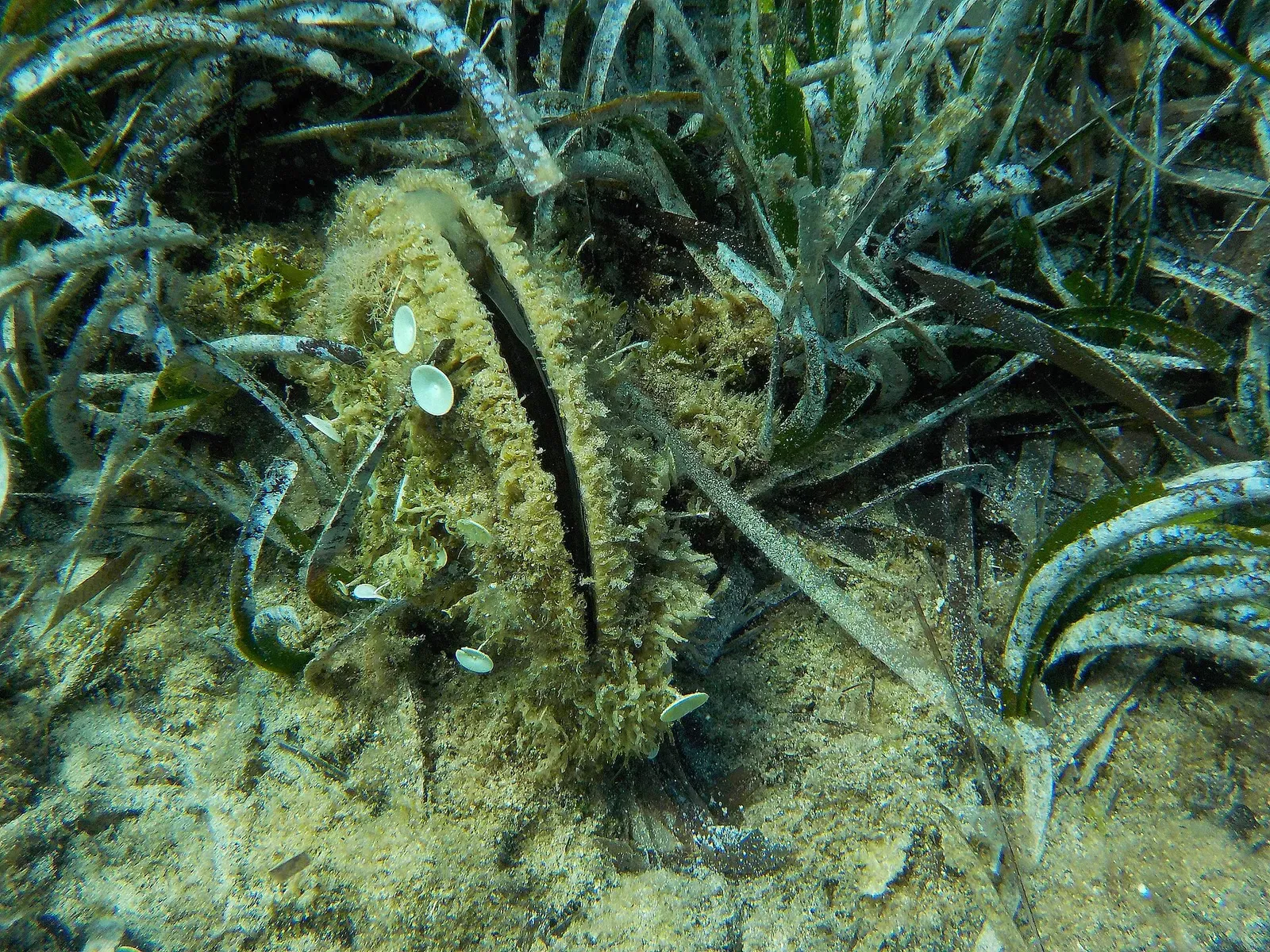
127 destinations · 16 countries
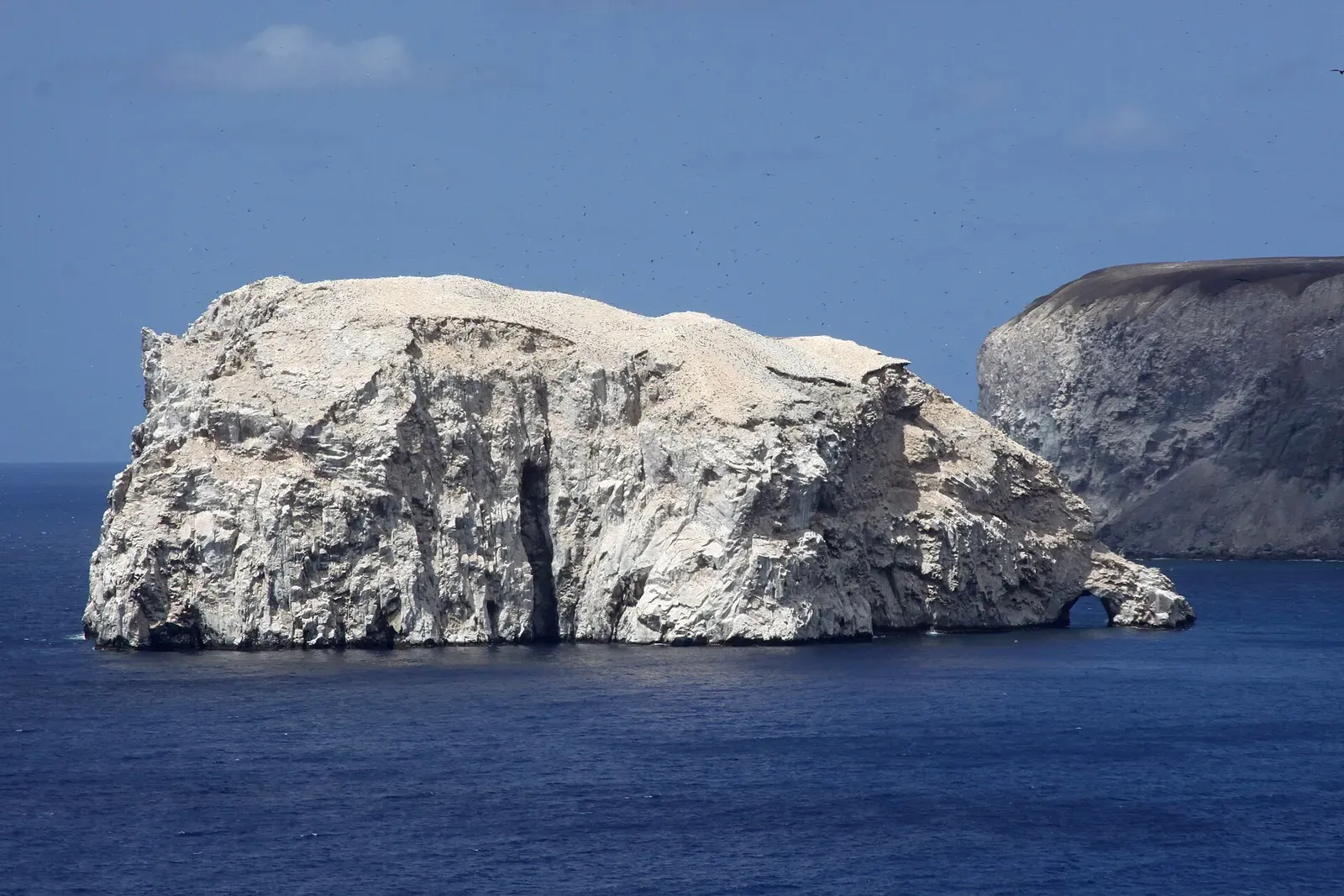
41 destinations · 7 countries

19 destinations · 7 countries

29 destinations · 8 countries
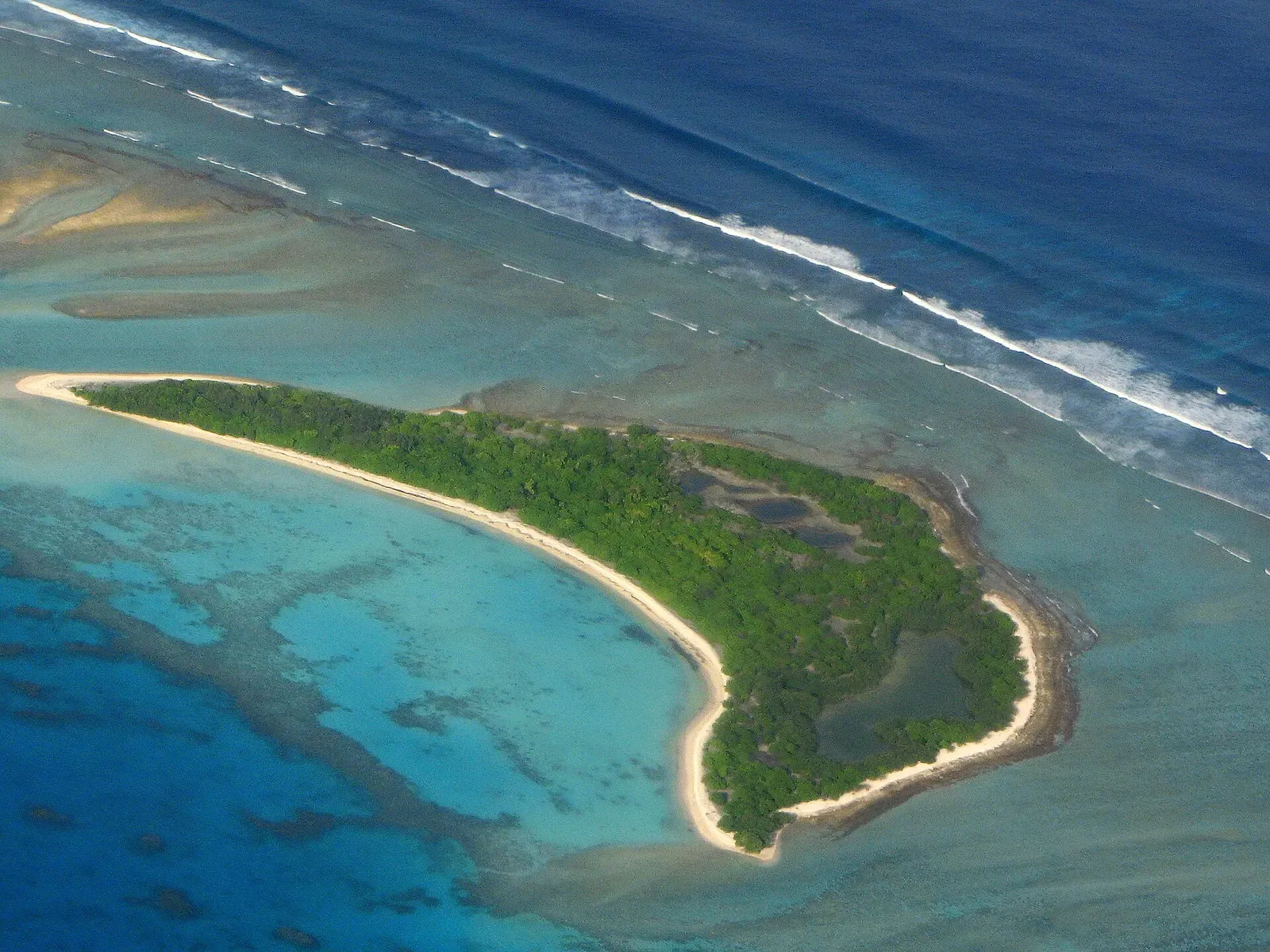
36 destinations · 11 countries
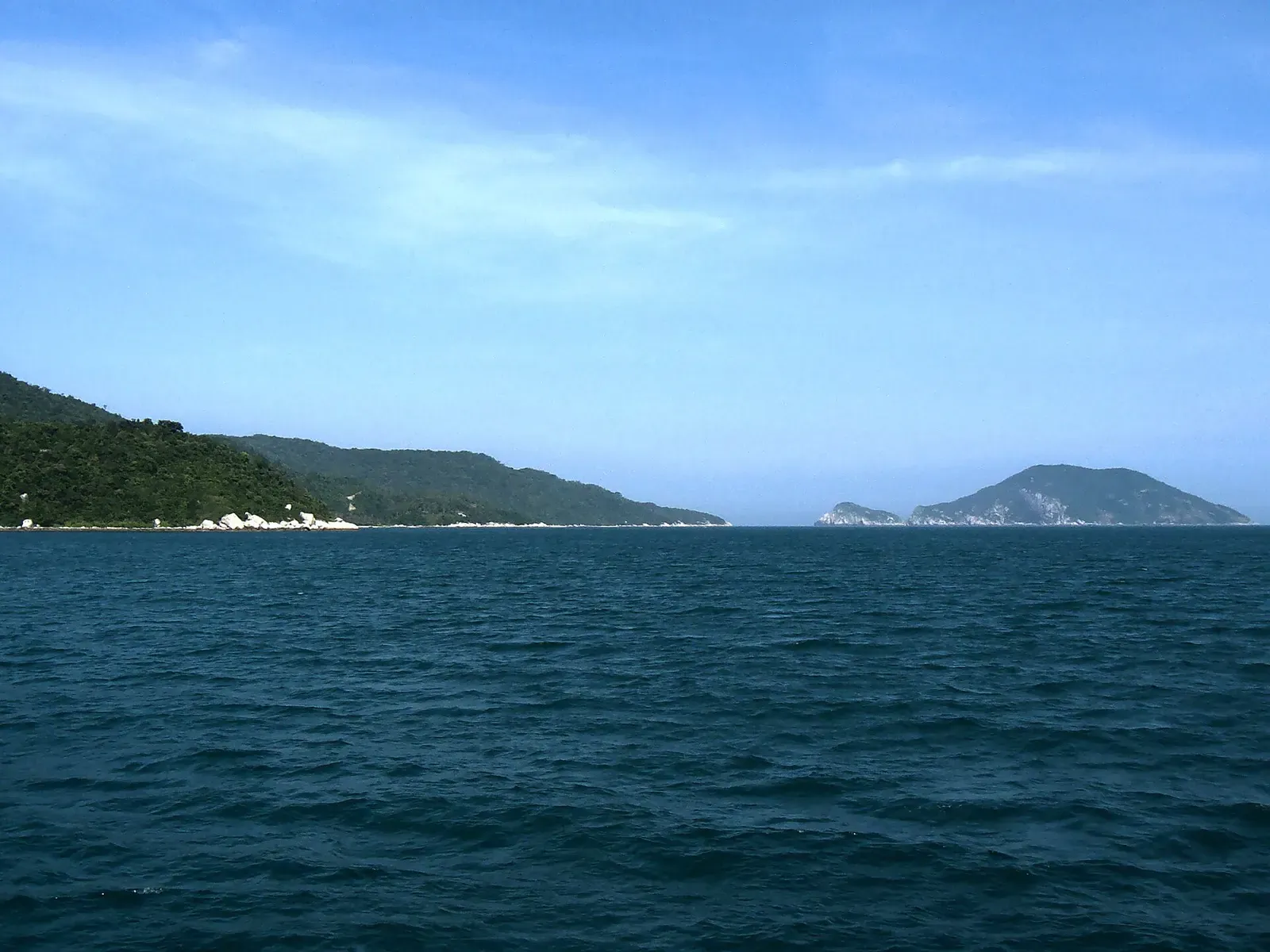
30 destinations · 7 countries

80 destinations · 7 countries
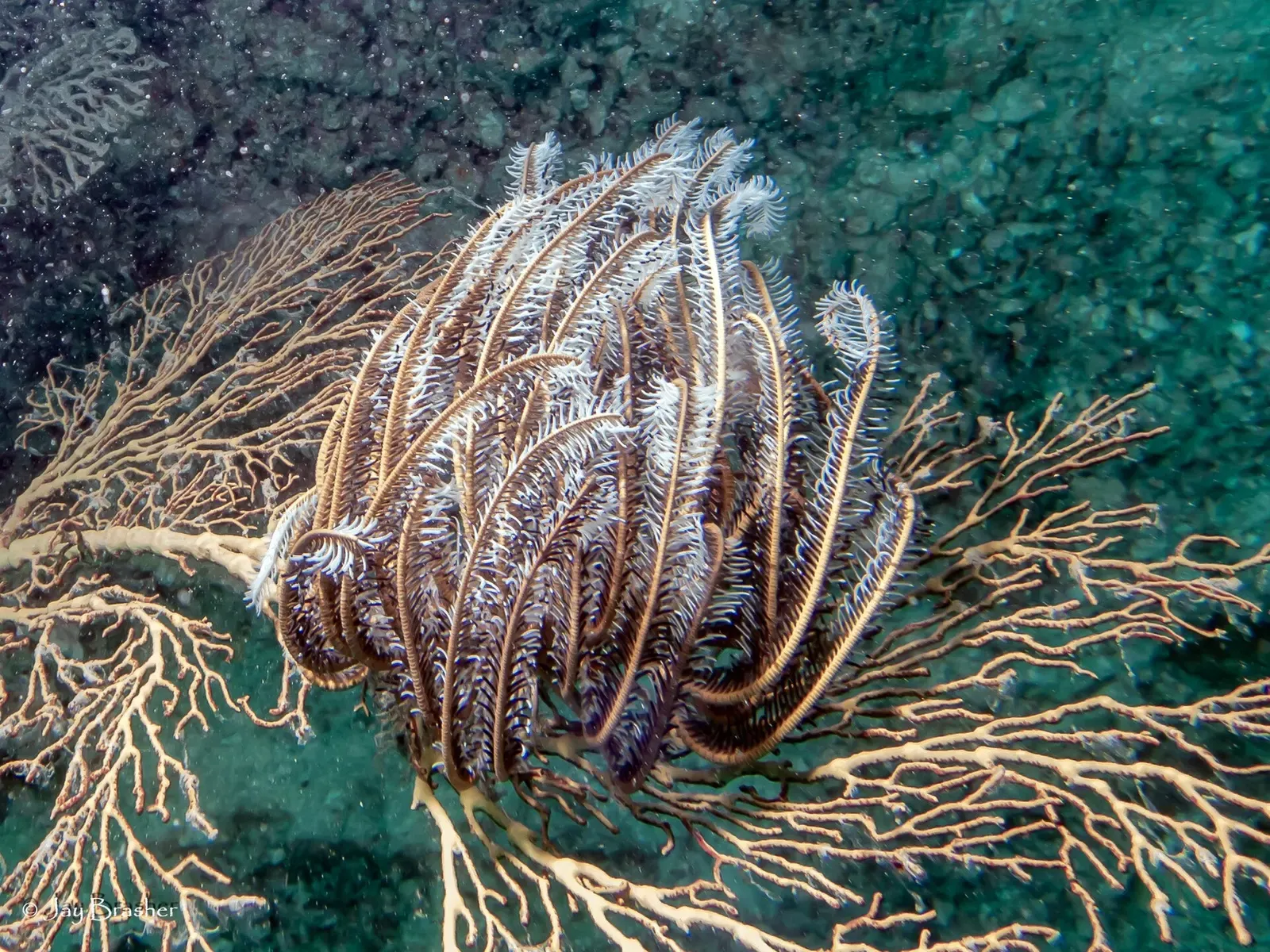
44 destinations · 17 countries
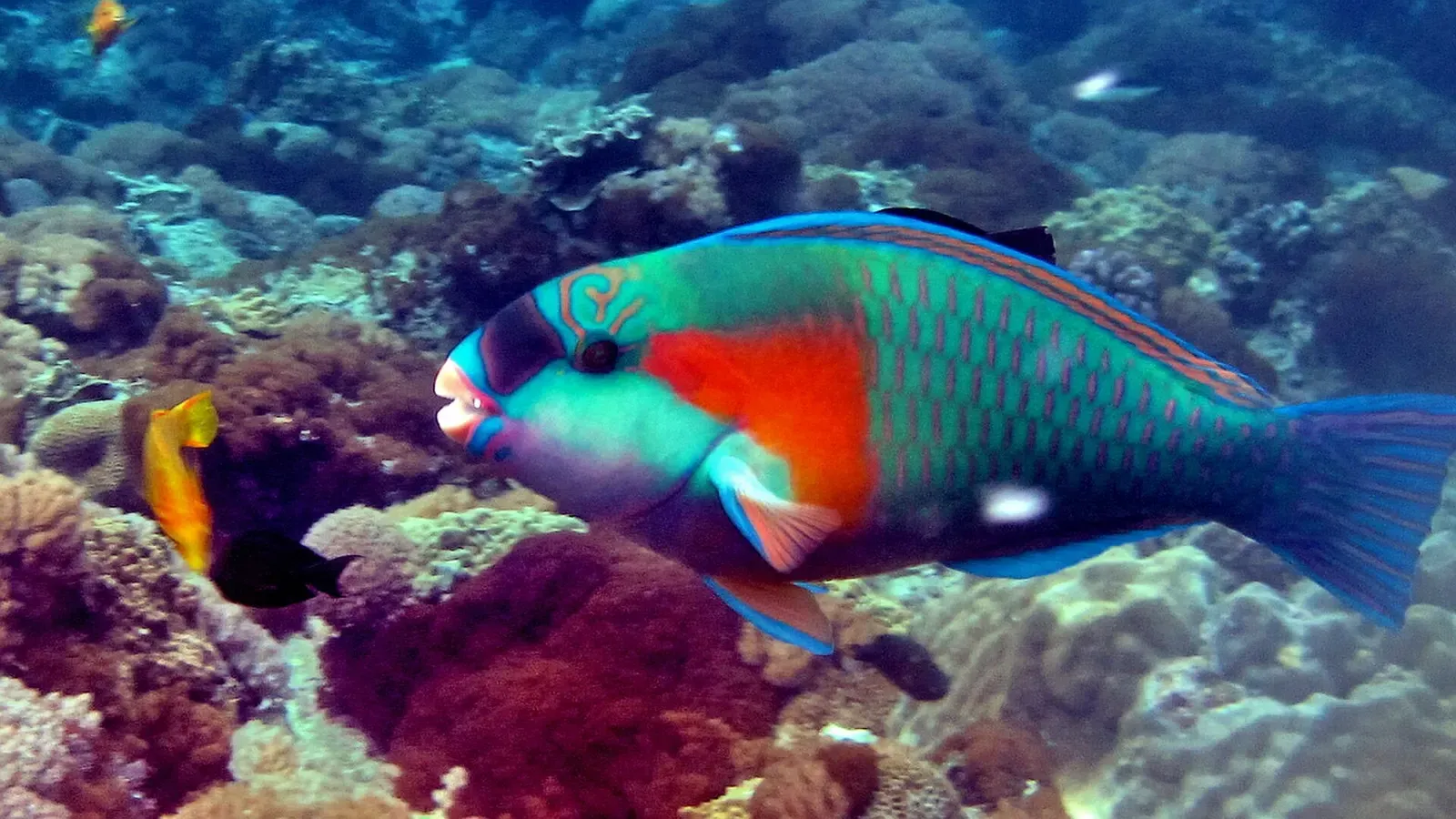
38 destinations · 5 countries
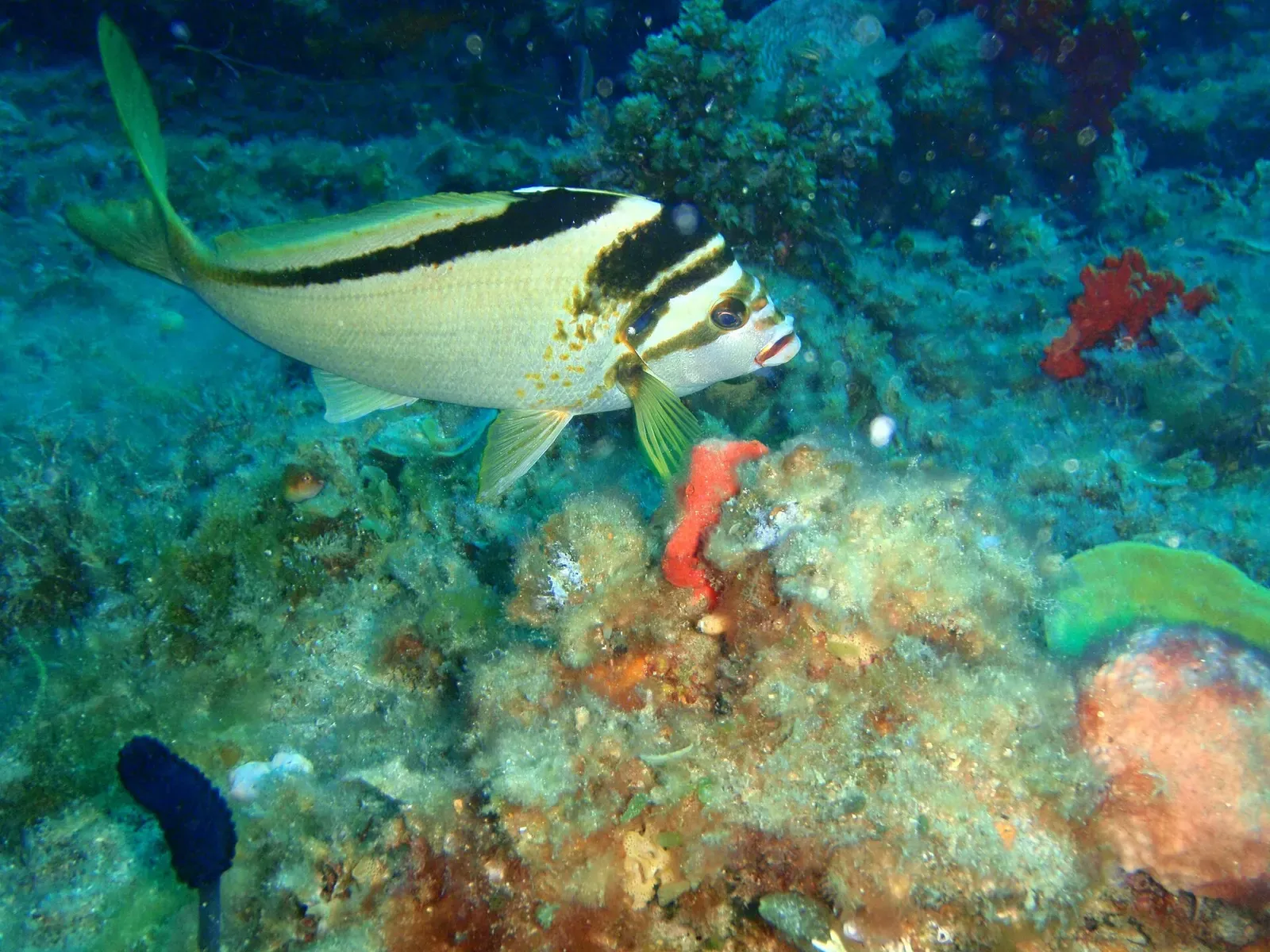
29 destinations · 2 countries
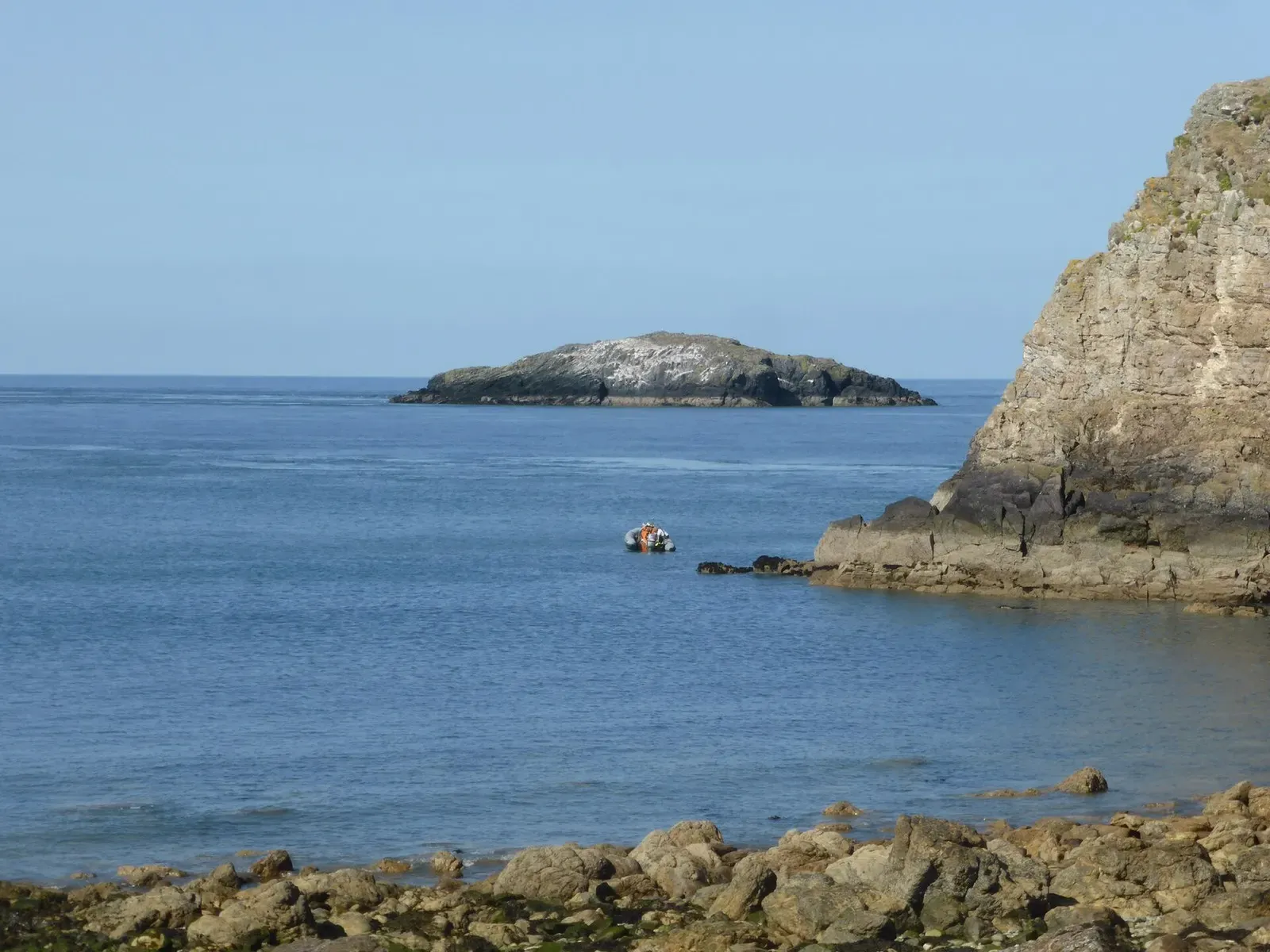
97 destinations · 23 countries
Start from the animal or the kind of diving you want. Each tile opens the list already filtered, and the list then narrows by month, difficulty and how you get in the water.
One destination, one animal or one number per film, a minute or so each, narrated over our own maps and charts. Press play and the video loads here.
Long-form guides built on the same data as the map: where the animals are by month, what the physics says about your limits, and which entries are worth the trip. Every claim is linked to its source.
Ocean science
A boat that is everywhere and nowhere, a whale you never see, a crackle like frying fat, and your own breathing over the top of it all. Underwater hearing is not a muffled version of hearing in air — it is a different sense, run through the bones of your head. Here is the physics, with the numbers computed.
1 October 2026 · 14 min read
The guides filed as reading lists, in the order they build on each other. Start anywhere; each one stands on its own.
Every limit on a dive computed from the model behind it: depth, gas, stops, the flight home.
9 guidesWhat pressure, cold water and the reef itself do to a diver, and what to do about each.
7 guidesWhere the sharks, rays, whales and seals are reliably met, and the months each place works.
11 guidesColour, light, sound, layers, tides and swell: the ocean physics you can feel on a dive.
10 guidesFrom a first shallow hull to the trimix ground past 60 m, sorted by the depth each one asks for.
5 guidesThe best places for each way of diving, and what each one asks of you.
15 guidesWhat the kit changes, which gas to breathe, and how to choose and pay for the trip itself.
7 guidesEvery dive site page is written from published material: operator briefings, park notices, wreck registers, scientific papers. The sources are listed on the page, so a depth or a season can be checked rather than trusted. Where sources disagree, the page says so.
Each month at each destination is marked peak, good, fair or off-season from the published season, water temperature and visibility for that place, not from a forecast. The month pages, the list and the map all read the same twelve marks.
Seabed depth from NOAA, coral reef extent from the Allen Coral Atlas, coastlines and marine protected areas from OpenStreetMap, silhouettes from PhyloPic, and photographs under Creative Commons with every photographer credited and linked.
Reefwander is independent: no operator, agency or certification body owns it, and no place on it is a paid listing. Read how the site is put together, orwrite in with a correction or a place we are missing.