
SS Yongala · Australia · Wreck
The Stern
A long lap along the flank of a 109 m hull
Area photo: Richard Ling · CC BY-SA 2.0
The after end of the 109 m steamer, reached by working the length of a hull that lies on its starboard side on open sand. The big animals reported here belong to the wreck as a whole rather than to the stern in particular: giant Queensland groper and bull rays patrol the periphery of the steel, with trevally and barracuda stacked in the current above.
Where it is and how deep
19.3044° S, 147.6219° EApproximate position — the dashed circle shows where the site lies; your operator's briefing has the mooring.
The dive
Descend the mooring line to the upper parts of the wreck at about 16 metres and turn aft. The ship is 109 metres long and lies over on her starboard side at 60 to 70 degrees with the bow pointing north on 347 degrees, so the run to the after end is a long lap along one flank, the plating going away below you towards a sea floor at roughly 30 metres.
Keep the hull between you and the flow: the current here runs strong at depth as well as at the surface, and operators plan profiles to around 28 metres. Giant Queensland groper and bull rays patrol the periphery of the wreck, and schools of trevally and barracuda form walls in the current, so the animals tend to find you rather than the other way round in water that is often low on visibility.
Nothing on this dive goes inside. The wreck is protected under the Underwater Cultural Heritage Act 2018, which prohibits penetration and interference with artefacts, so the return leg is a slower pass back over the top of the structure towards the mooring line and the ascent.
The wreck
- Vessel
- SS Yongala
- Type
- Passenger steamship
- Length
- 109 m (358 ft)
- Built
- 1903
- Sunk
- 1911
- Cause
- Sank in a tropical cyclone off the Queensland coast
- Lies
- On her starboard side on sand, listing 60-70 degrees, bow on a bearing of 347 degrees
Marine life and season
- Groupers
- Trevally & jacks
- Barracuda
| Jan | Feb | Mar | Apr | May | Jun | Jul | Aug | Sep | Oct | Nov | Dec |
|---|---|---|---|---|---|---|---|---|---|---|---|
| Good | Good | Good | Good | Good | Good | Good | Prime | Prime | Good | Good | Good |
Season follows SS Yongala: August and September are the best months; from June to September the water cools to 22–25 °C.
Know before you go
- Current runs strong at the surface and at depth; go down and come back up on the mooring line and work the sheltered flank of the hull.
- Visibility is often low and the profile is a deep one, so agree gas turn points and no-decompression limits before you leave the boat.
- The crossing is exposed and the swell can be heavy enough to cause seasickness; take precautions ashore rather than at the mooring.
- Entering the hull is prohibited under the Underwater Cultural Heritage Act 2018, as is touching artefacts; the whole dive stays outside the plating.
Sources
- SS Yongala — Wikipedia
- Who Can Dive S.S. Yongala — Yongala Dive
- Australia - Great Barrier Reef diving sites — Dive The World
- Yongala (shipwreck id 3350) — Australasian Underwater Cultural Heritage Database
More dive sites in SS Yongala
Wreck
Coral-covered plating over holds built for 3,000 tons
Wreck
The letters YONGALA still legible on the port bow plating
Wreck
Barracuda over the shallowest steel on the wreck
Similar dives elsewhere
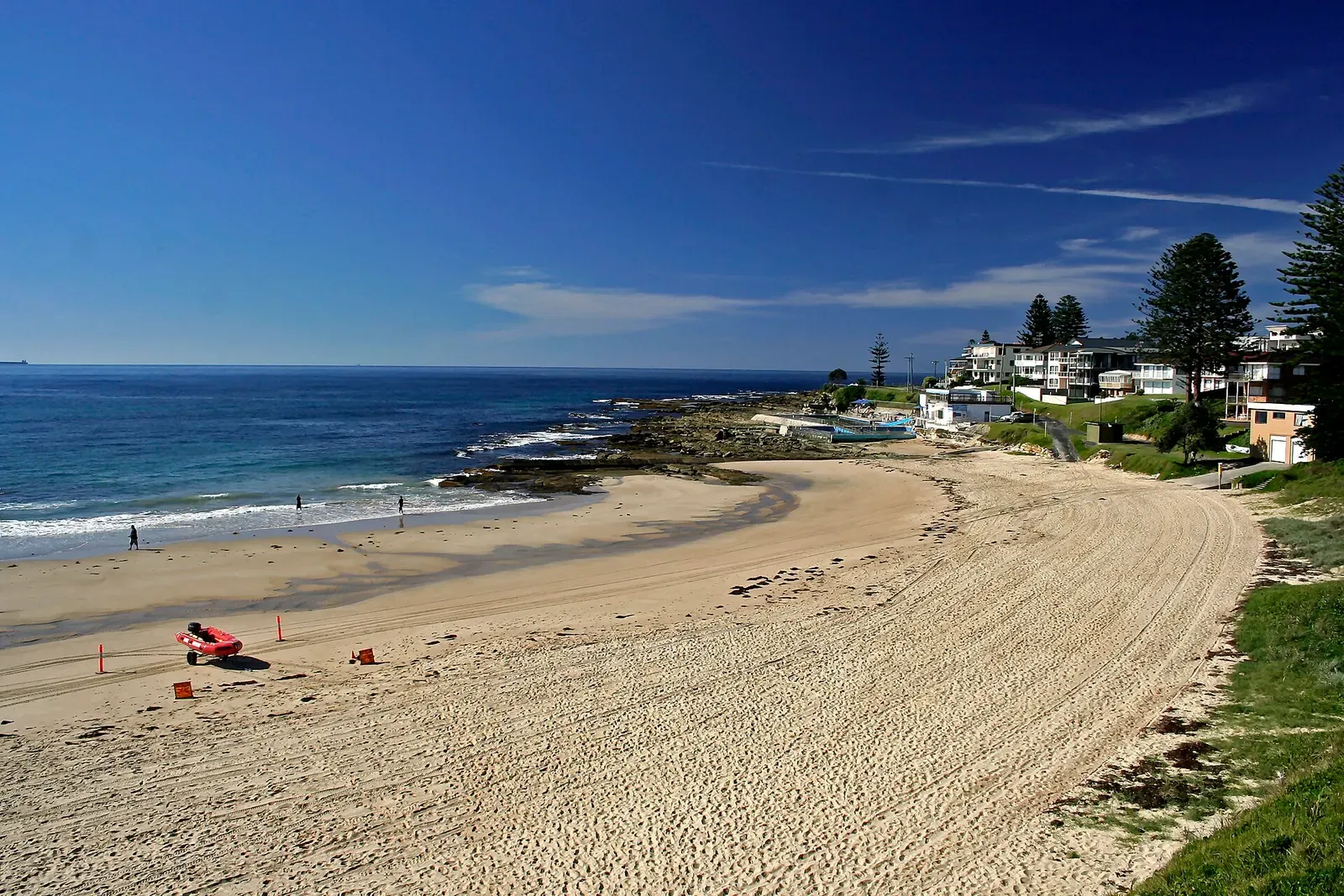
Scuttled RAN frigate in 32 m off Avoca, closed to divers since July 2024
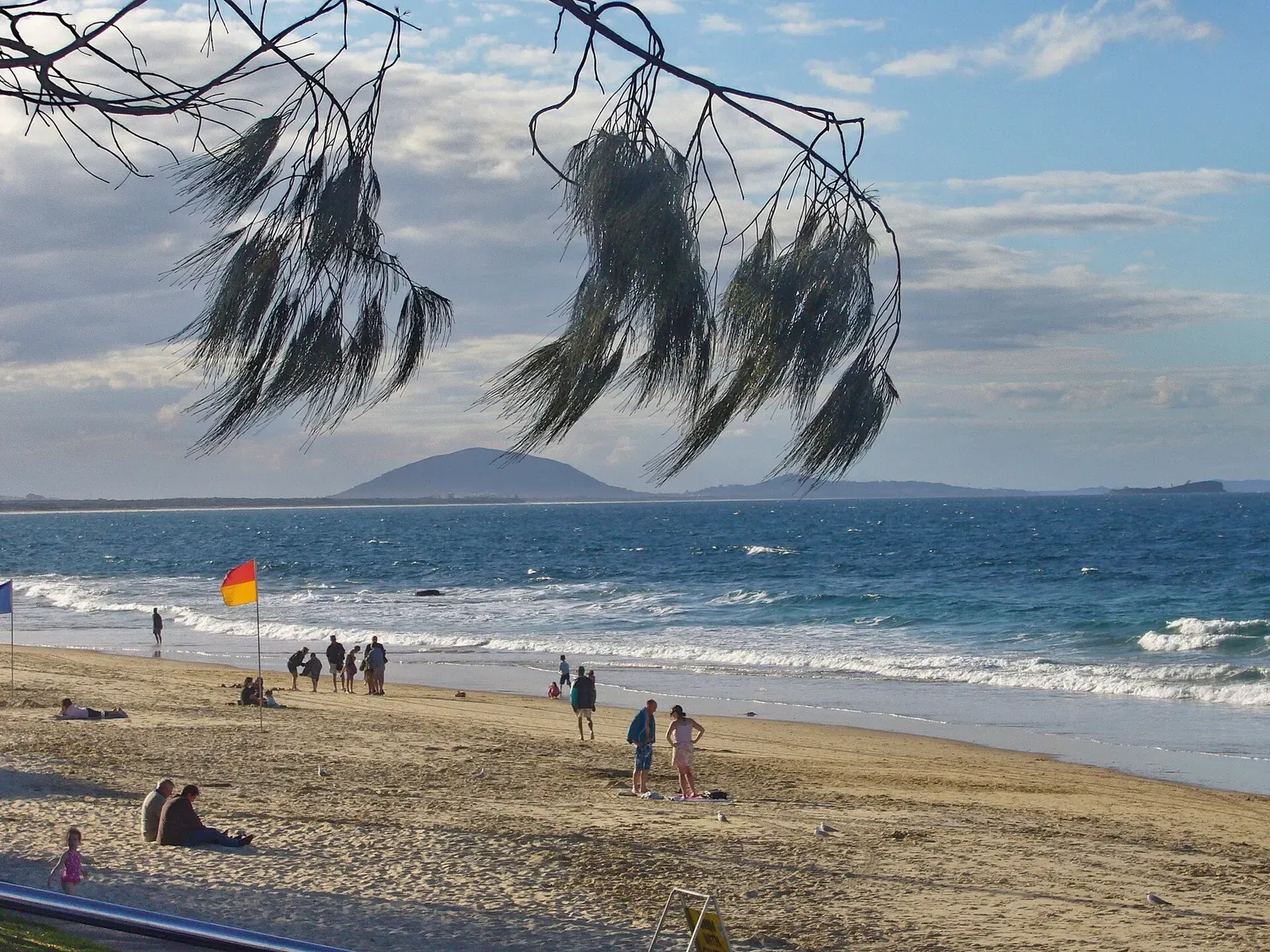
A 133 m destroyer on sand at 28 m, dived outside only
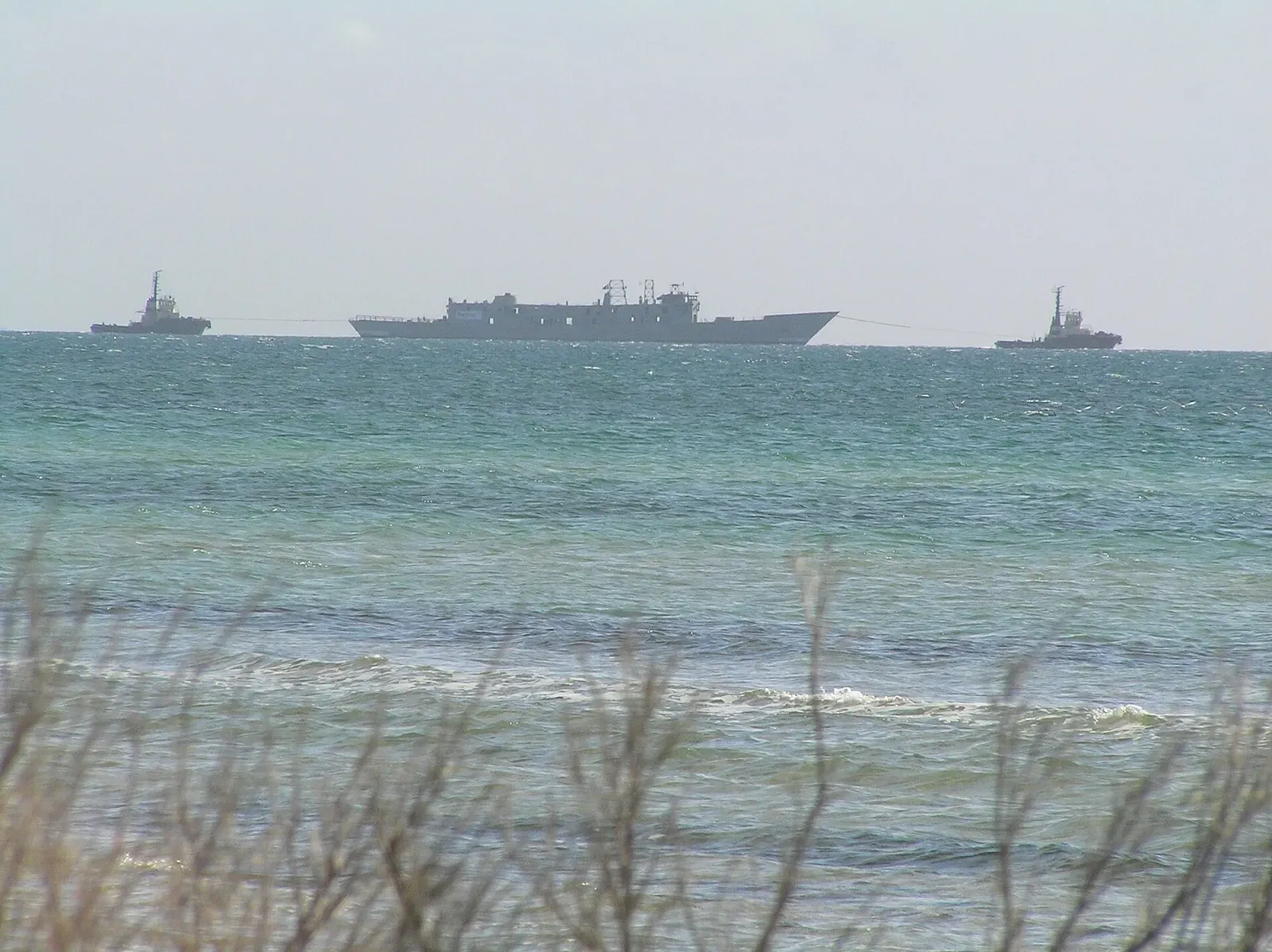
A 138 m guided missile frigate sunk at 30 m
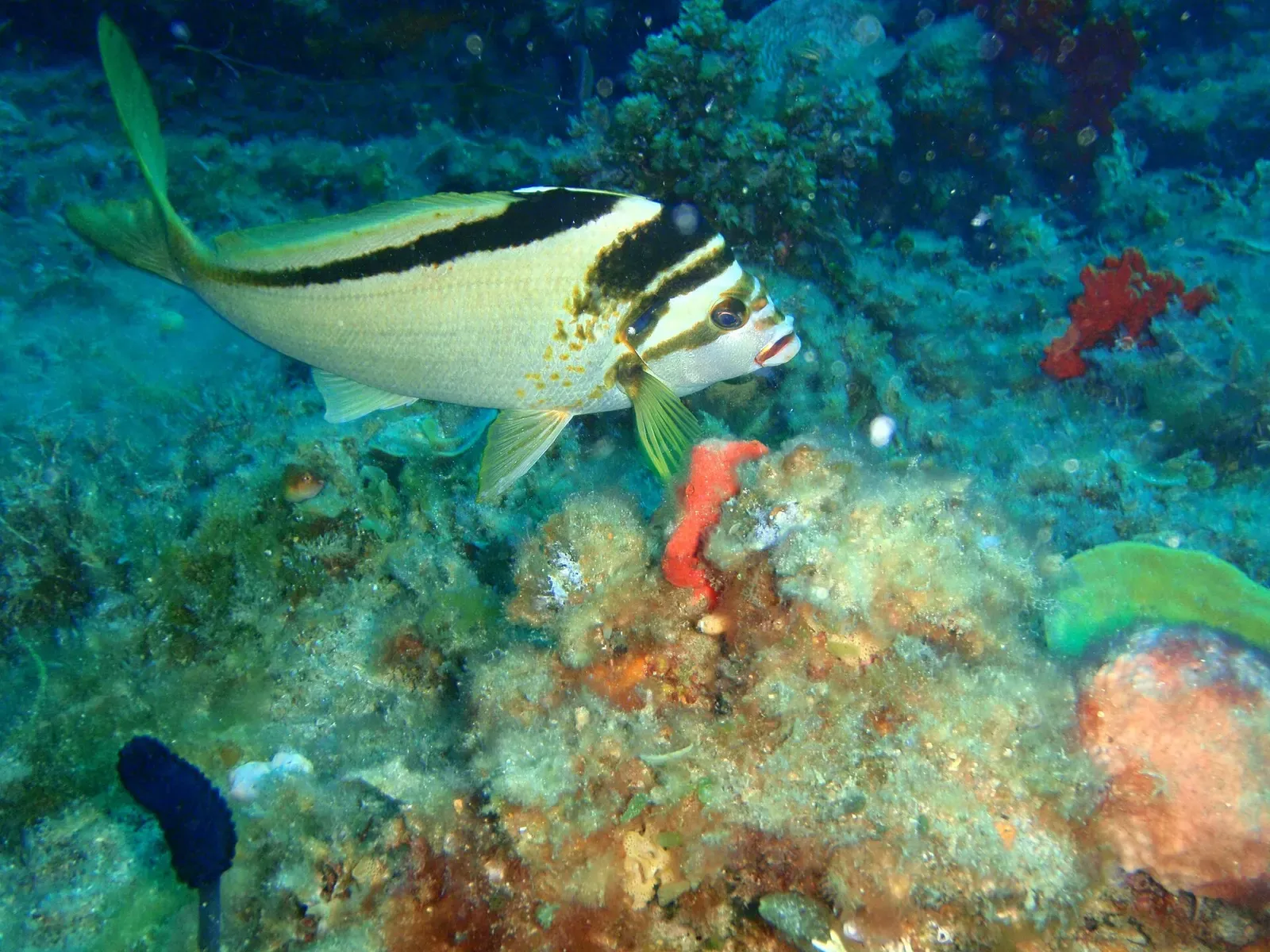

A 133 m destroyer on a fixed mooring, 5 m down to 36 m