
Tremiti Islands · Italy · Wreck
Piroscafo Il Lombardo
A wooden paddle steamer of 1841, wrecked in an 1864 storm
Area photo: eric spenle · CC BY-SA 4.0
The remains of the paddle steamer Il Lombardo, one of the two ships that carried Garibaldi's Expedition of the Thousand in 1860, lying at 30 m off Cala degli Inglesi on San Domino. The wreck was identified in February 2005 and is dived for its history and its photographic interest rather than for intact structure.
Also known as Relitto del Lombardo, Il Lombardo.
Where it is and how deep
42.1176° N, 15.4845° EApproximate position — the dashed circle shows where the site lies; your operator's briefing has the mooring.
The dive
This is a dive on remains rather than on a hull. The wreckage sits at 30 m off Cala degli Inglesi on the San Domino coast, and what draws divers is the identification: these are the remains of Il Lombardo, the paddle steamer that carried part of Garibaldi's Expedition of the Thousand to Sicily in 1860. The site was recognised only in February 2005, which makes it one of the newer additions to the archipelago's wreck list.
Plan it as a single deep bounce. At 30 m the useful bottom time is short, and the published interest here is photographic — the structure of what survives, in an archipelago otherwise dived for its gorgonian walls and its ancient cargo wrecks. The Lombardo was a wooden-hulled paddle steamer of about 48 m, built in 1841, and it sank after grounding on a shoal in a storm, so ask the operator running the boat what is still standing and what the day's sea state allows.
The wreck
- Vessel
- Il Lombardo
- Type
- Wooden-hulled paddle steamer
- Length
- 48 m (157 ft)
- Built
- 1841
- Sunk
- 1864
- Cause
- Grounded on a shoal in a storm on the night of 12–13 March 1864 while carrying troops and detainees
- Lies
- Remains off Cala degli Inglesi, San Domino, at 30 m
The Lombardo, a wooden-hulled paddle steamer built in 1841, sailed from Quarto with the Piemonte on 6 May 1860 carrying Garibaldi's Expedition of the Thousand, reaching Marsala on 11 May, where both ships were attacked by Bourbon forces: the Piemonte was destroyed and the Lombardo, half sunk, was repaired over the following months. A year later it returned to service moving troops and detainees between ports until its last voyage, when it grounded on a shoal in a storm and sank on the night of 12–13 March 1864 off San Domino. The wreck was identified off Cala degli Inglesi in February 2005.
Marine life and season
The sources we used don't single out particular species here.
| Jan | Feb | Mar | Apr | May | Jun | Jul | Aug | Sep | Oct | Nov | Dec |
|---|---|---|---|---|---|---|---|---|---|---|---|
| Off-season | Off-season | Fair | Good | Good | Prime | Prime | Prime | Prime | Good | Fair | Off-season |
Season follows Tremiti Islands: Operators run Apr–Oct with Jun–Sep warmest; winter bora and Adriatic swell close the ferry and the dive centres.
Questions divers ask
How deep is the Lombardo wreck?+
The remains lie at 30 m off Cala degli Inglesi on San Domino, which puts the dive beyond entry-level depth limits and keeps the bottom time short.
Why is the Lombardo historically important?+
It was one of the two paddle steamers, with the Piemonte, that carried Garibaldi's Expedition of the Thousand from Quarto to Marsala in May 1860. It sank in 1864 and was identified as a wreck in February 2005.
Sources
- Relitti Marini delle Isole Tremiti — Tremiti.eu
- Lombardo (nave) — Wikipedia (IT)
- Cala degli Inglesi (OpenStreetMap) — OpenStreetMap
More dive sites in Tremiti Islands
Wreck
Named for the Benedictine cistern above the cove
Cave & cavern
Seventy metres of cave over 2 m of water, with a beach inside
Wreck
Documented by century and depth alone: 16th century, 25 m
One large black-coral branch grows among the gorgonians
Artificial reef
A saint on the seabed since 1998, 14 m down off Capraia
Wreck
A rock split by three fissures gives the site its name
Similar dives elsewhere
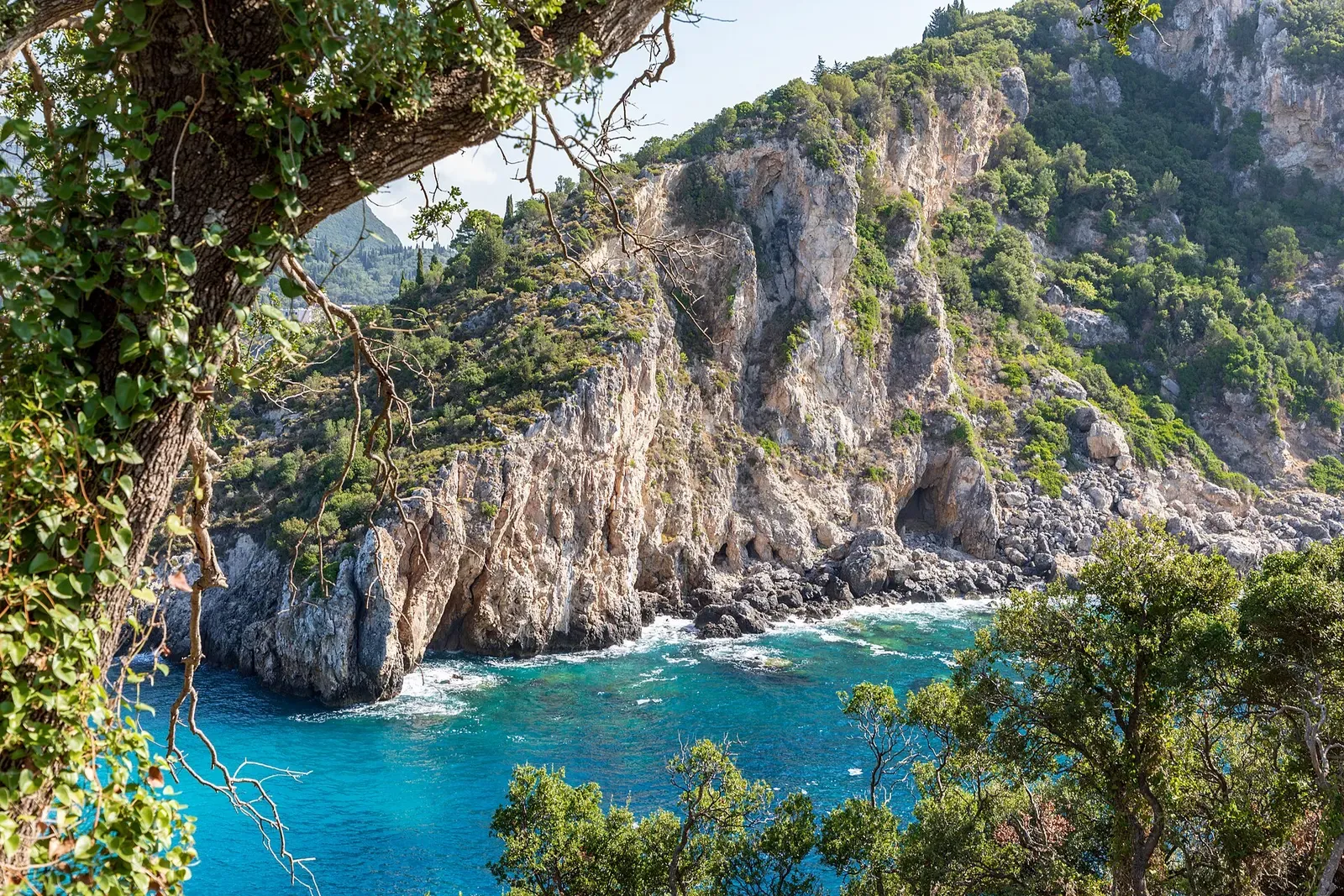
An unidentified wreck at 32 m, reached down a slope from 10 m
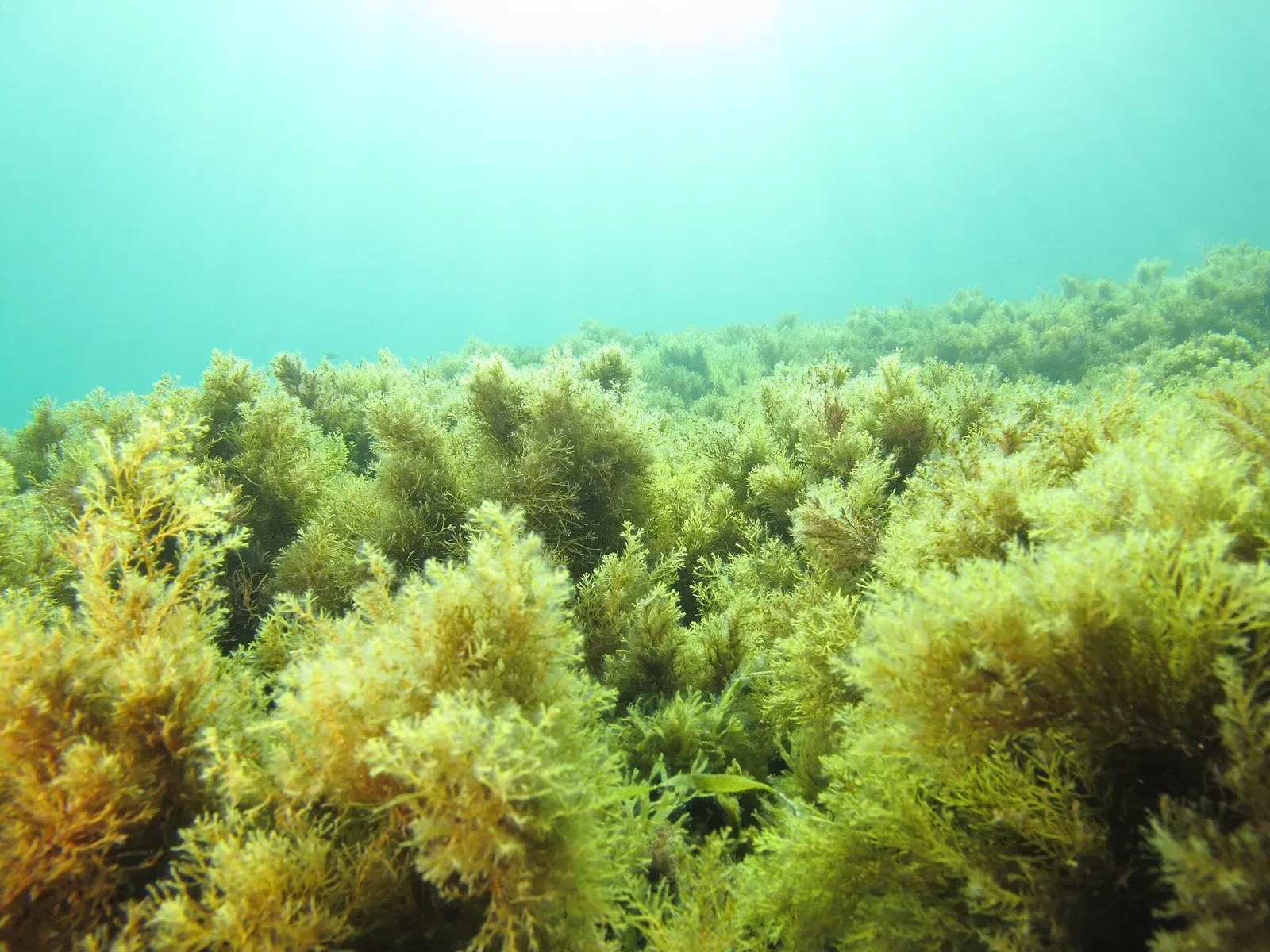
A wartime Flying Fortress upright on clean sand at 25–28 m
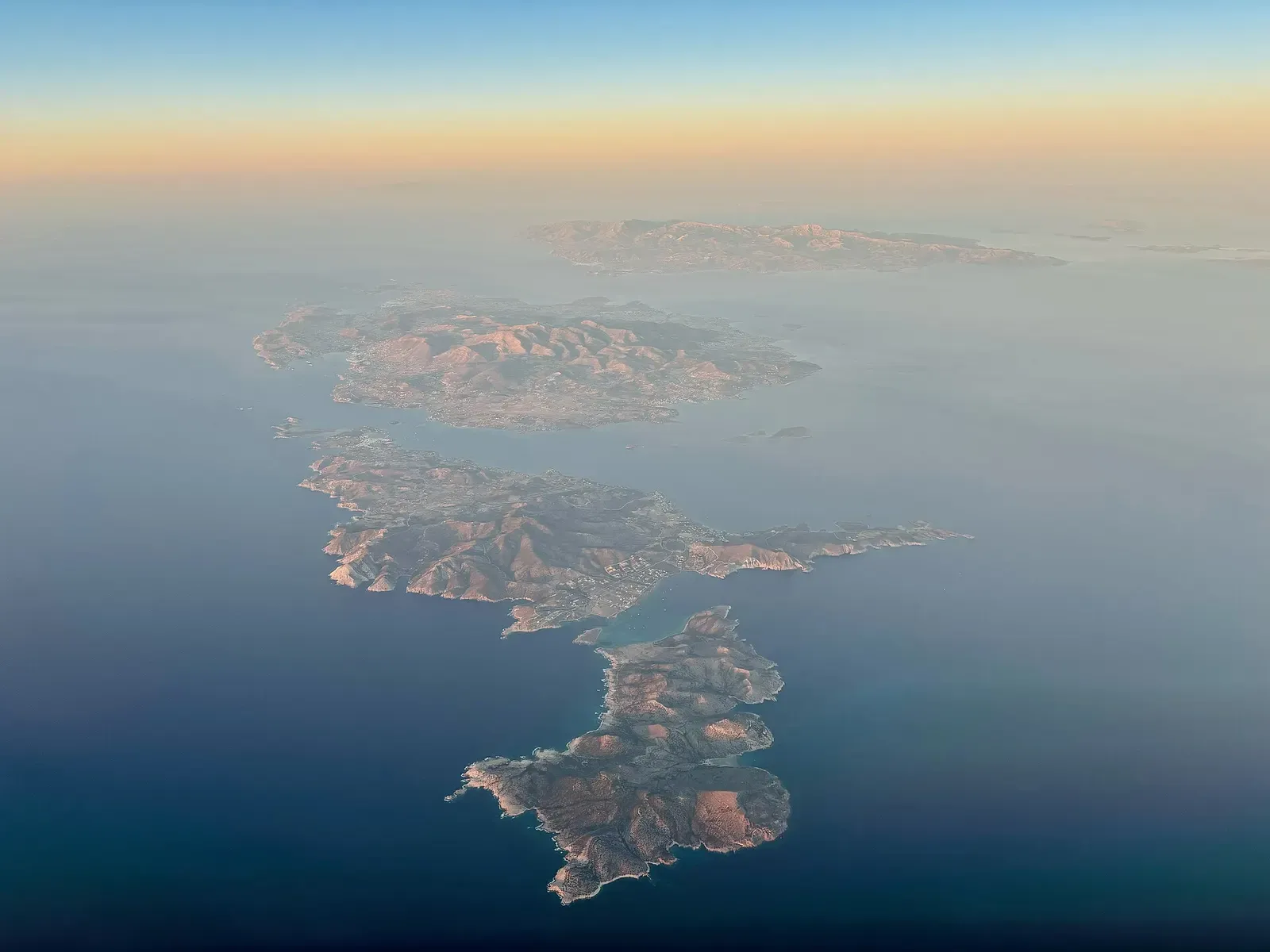
A WWII heavy fighter at 33 m, found in 2007 after a year-long search
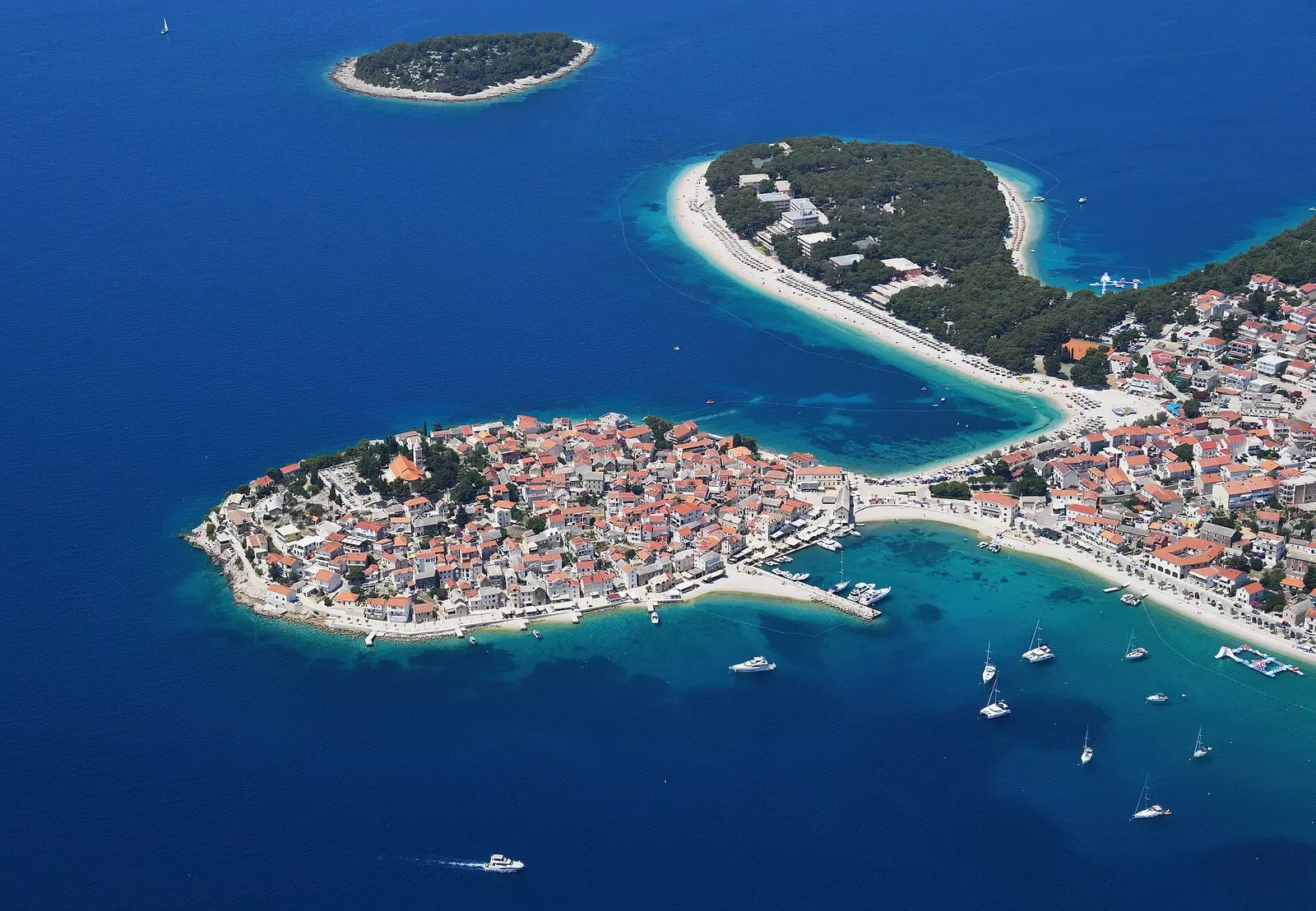

A coal carrier on a slope from a 13 m plateau to about 27 m