Dublin Bay is a UNESCO biosphere reserve on Ireland's east coast, dived by RIB out of Dun Laoghaire Harbour and from sheltered beaches such as Sandycove. The draw is the rock and wreck diving around Dalkey Island: the Muglins, with plenty of seals, the tide-driven drift through Dalkey Sound and the Guide Me II wreck off the Muglins. Dives run from 6 m to about 25 m, most of them timed to slack water.
About diving in Dublin Bay
A diving day here starts in Dun Laoghaire Harbour, where RIBs leave for the reefs and wrecks around Dalkey Island and further out into Dublin Bay. Most sites are subject to strong currents, so the plan follows the tide: dives are timed to slack water, and when slack cannot be met the boats head for Dalkey Sound and drift with it instead. Shore training dives usually run at Sandycove beach and Scotsman's Bay, and weather, tides, sea conditions and visibility decide where a training day goes.
Underwater the bay is rock and sand. The Muglins rock is full of nooks and crannies with sponges, anemones, crabs, lobsters, conger eels, gunnels, dogfish, wrasse, bib, pollack and ling, and the south end of Dalkey Island is very similar. In Scotsman's Bay the seabed is mostly fine sand and silt, home to flatfish, Dublin Bay shrimp and sea pens. Dublin Bay has long been a busy seaway, and hundreds of ships have been wrecked in it over the centuries.
The bay suits divers who are comfortable planning every dive around the tide. Sheltered Sandycove has a safe 6 m of water where novices have often had their first taste of the open sea, though visibility there is usually poor, particularly near the shore. Dalkey Island is a good place for new sports divers to increase their depth range gradually. At the Muglins every diver carries a rescue sausage, with at least one delayed surface marker buoy per buddy pair.
Best time to dive Dublin Bay
| Jan | Feb | Mar | Apr | May | Jun | Jul | Aug | Sep | Oct | Nov | Dec |
|---|---|---|---|---|---|---|---|---|---|---|---|
| Fair | Fair | Fair | Good | Good | Prime | Prime | Prime | Good | Good | Fair | Fair |
The water is at its coldest in March, at about 9 °C (48 °F), and the club RIBs are not moored in Dun Laoghaire Harbour until April. From April to October the boats stay in the water, so dives can be arranged at short notice. In high summer the long daylight allows weekday evening dives as well as weekend trips. The sea reaches its warmest in August, at about 15 °C (59 °F).
Dive types & marine life
Seals are plentiful at the Muglins, and young seals come to play with divers there in late July and August in particular. In summer the sand of Dalkey Sound is often covered in a seething mass of brittlestars, with lots of crabs and dogfish.
- Reef
- Wreck
- Drift
- Seals & sea lions
Best dive sites in Dublin Bay
- 1
Muglins
Oval rock about 250 m long north-east of Dalkey Island, dropping to about 25 m with seals and lobsters.
- 2
Dalkey Sound
Drift between Dalkey Island and the mainland, the choice when the tide is not near slack.
- 3
Guide Me II
Wreck 20–30 minutes from Dun Laoghaire, deep enough for a challenge yet diveable on Nitrox.
- 4
Dalkey Island
Boulders with crabs and ling falling to sand close to 30 m, often diveable when the Muglins is rough.
- 5
Bolivar
Wreck on a sandy seabed in about 12 m, on a shallow bank exposed to swell and strong current.
- 6
RMS Leinster
A very substantial wreck, a superb dive when the sand leaves it uncovered; it lies in the ferry path.
- 7
Strathtay
Iron-hulled steamer lost in 1885, lying in 20 m at the north-east end of Lambay Island.
Site guides
Wreck
A Norwegian motor ship lost on the Kish Bank in a snowstorm
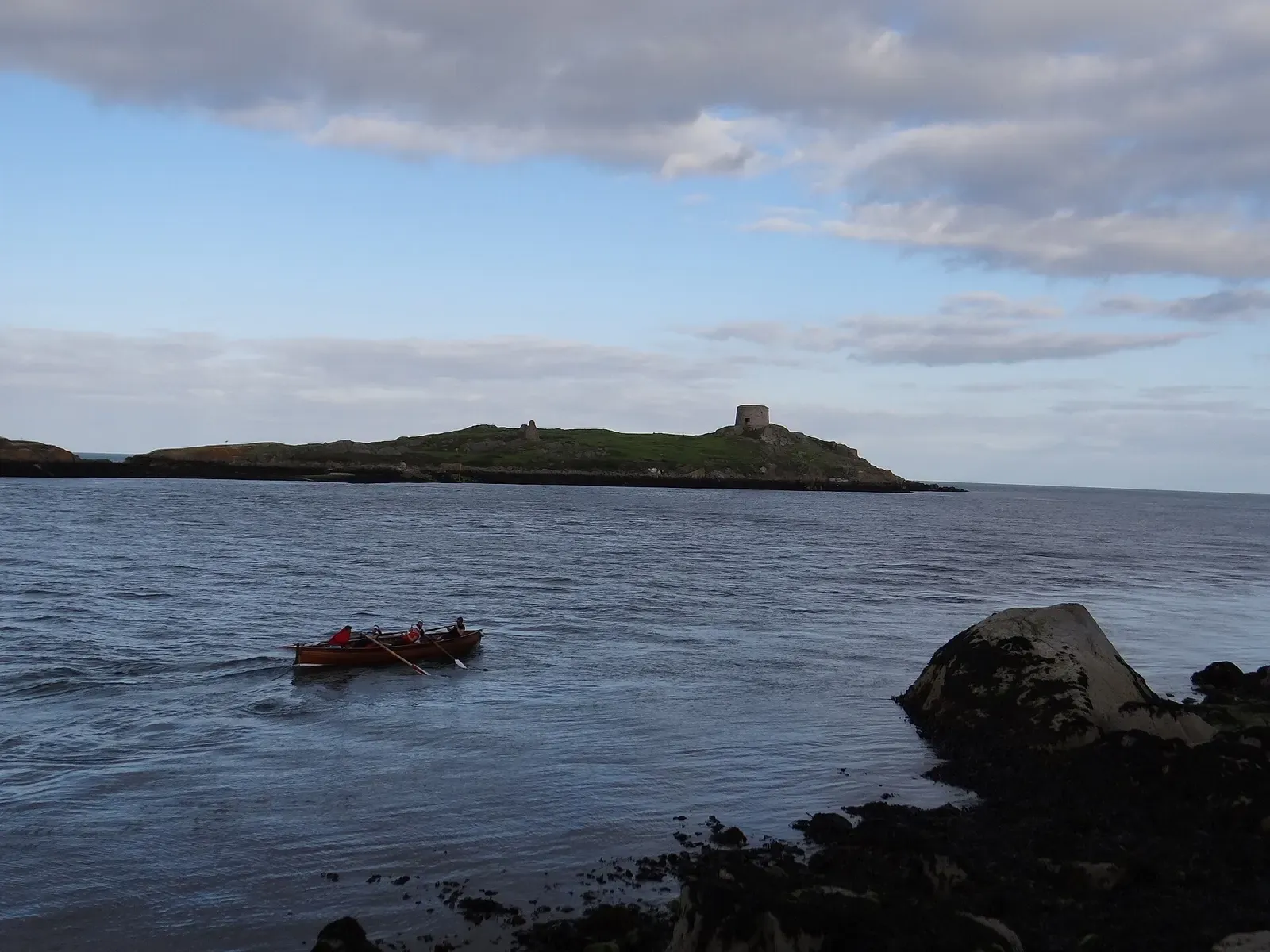
The tide carries divers between Dalkey Island and the mainland
Wreck
A compact fishing-boat wreck full of marine life near the harbour
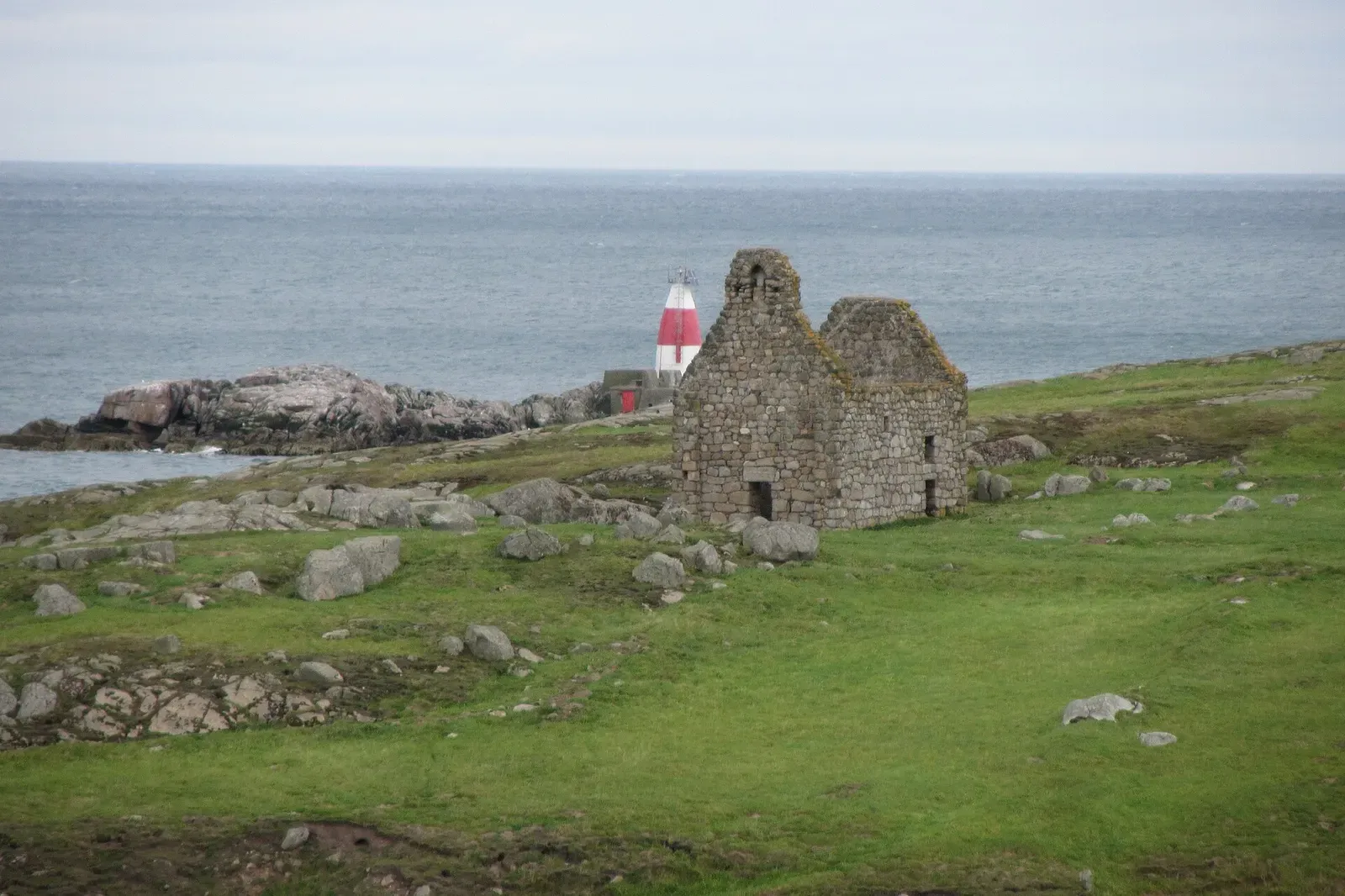
Plenty of seals around a rock riddled with lobster holes
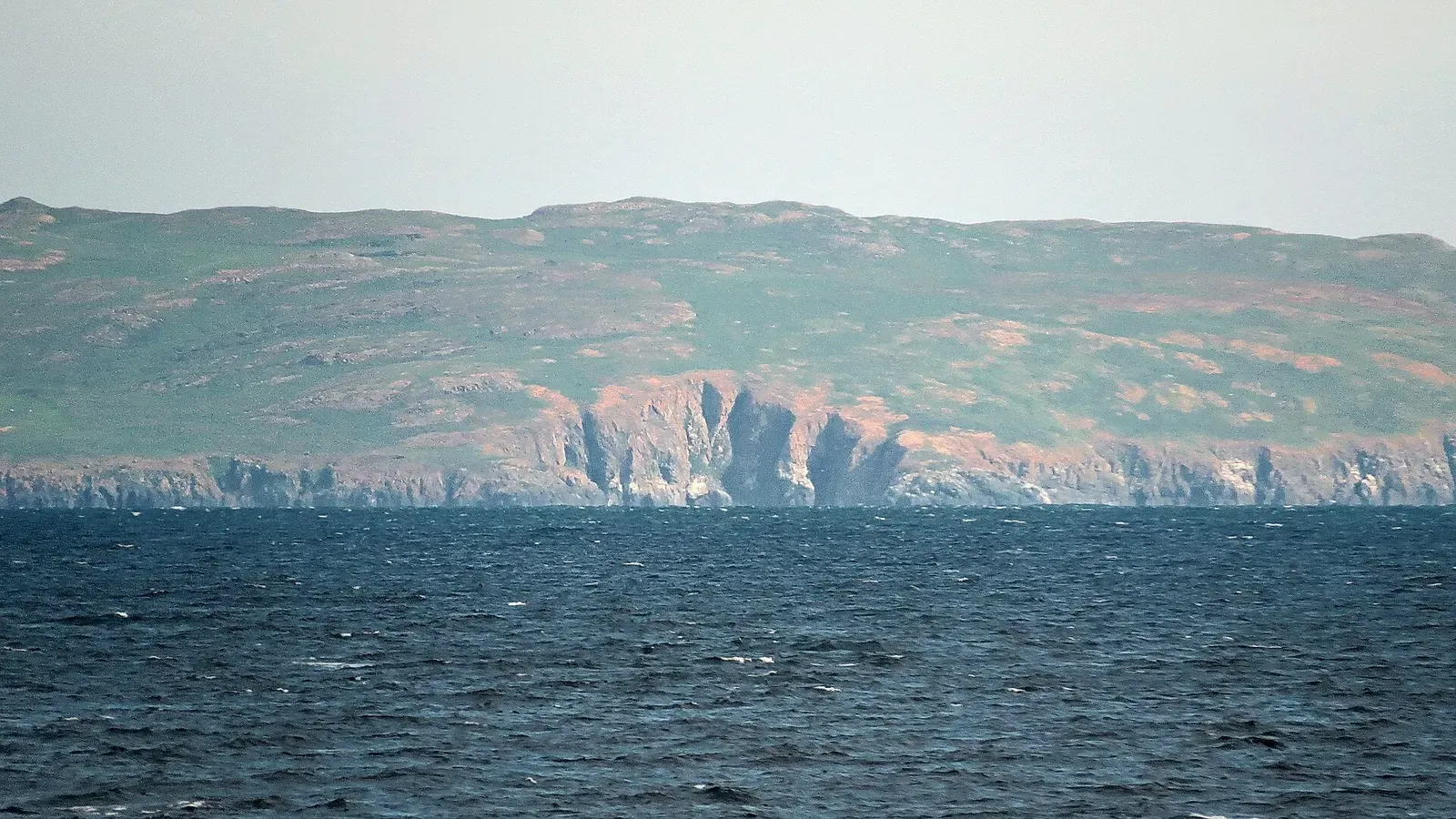
Two split rocks mark a nineteenth-century steamer off Lambay
How to get to Dublin Bay
Dublin Airport (DUB) lies 10 km north of the city centre, and Aircoach 703 runs from it to Dún Laoghaire, Dalkey and Killiney. The DART coastal line links Howth, the city centre, Dún Laoghaire and Dalkey. Boat dives leave from Dun Laoghaire Harbour.
Dive videos
Diving Dublin Bay · Willie Siddall on YouTube
Night dive in Dublin Bay, July 2020 · Vaidas Balsys on YouTube
Questions divers ask
Why are Dublin Bay dives timed to slack water?+
Most Dublin Bay sites are subject to strong currents, including the Muglins and the Bolivar wreck. When slack cannot be met, Dalkey Sound is dived as a drift instead.
Where do Dublin Bay boat dives leave from?+
RIBs leave from Dun Laoghaire Harbour, which the DART coastal line and Aircoach 703 from Dublin Airport both reach. The Guide Me II wreck is 20–30 minutes away by boat.
When is the diving season in Dublin Bay?+
Club boats are moored in Dun Laoghaire Harbour from April to October. In high summer the long daylight allows evening dives on weekdays as well as weekend trips.
Sources
- About Oceandivers — Oceandivers
- FAQs — Irish Scuba Academy
- Dublin Bay dive guide — DUSAC
- Dublin Bay — Wikipedia
- Dublin — Wikivoyage
- Dún Laoghaire average sea temperatures — SeaTemperature.org
Embed
Run a dive centre, club or blog? Embed this map of 5 dive sites near Dublin Bay on your own page.
Similar destinations
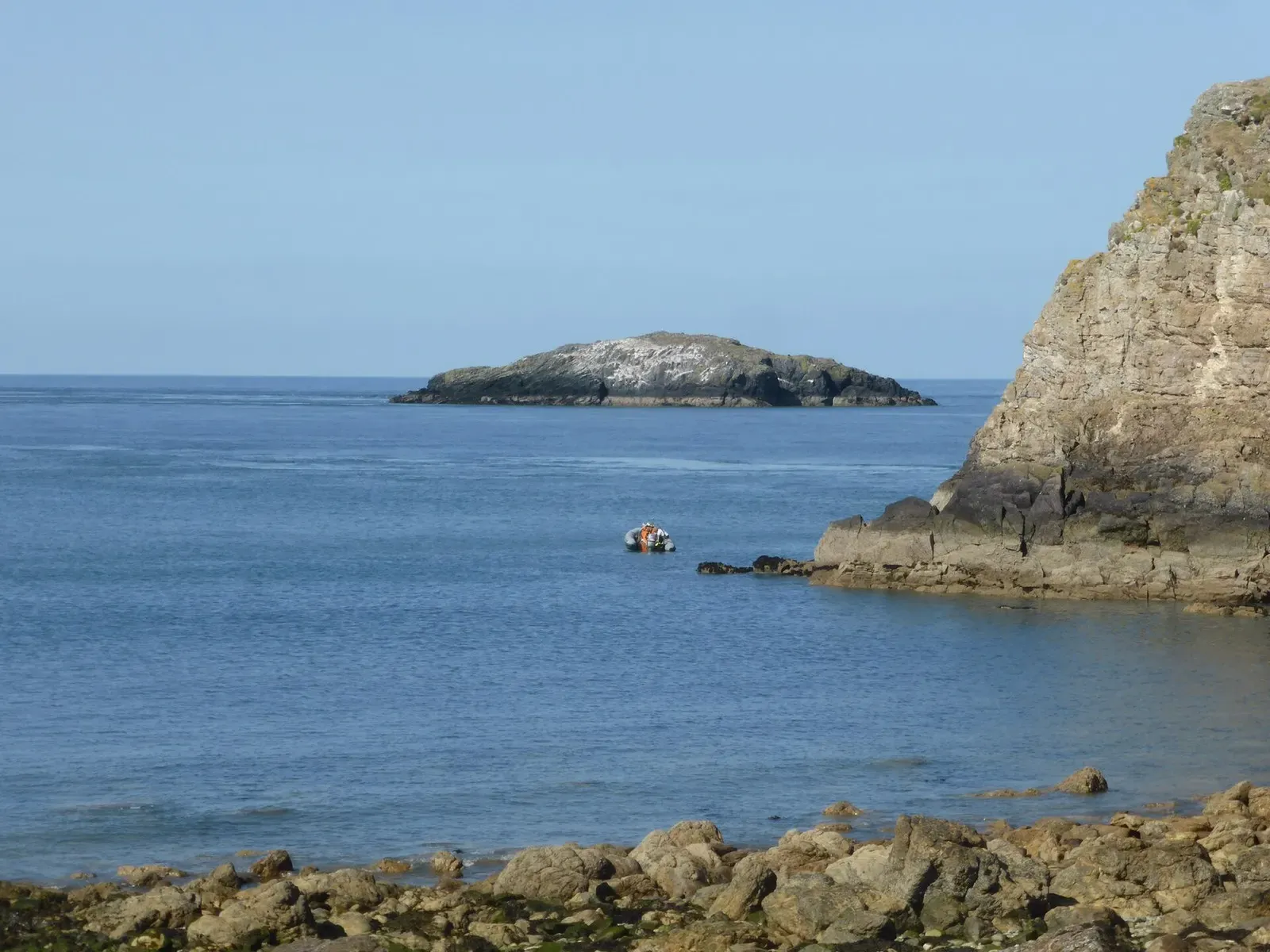
Wrecks, tide-timed Menai Strait dives and sheltered shore bays
Cold Water
The U-260 submarine and the Kowloon Bridge, both dived from Baltimore
Cold Water
A cavern and swim-throughs off the walls of remote Tory Island
Cold Water
Kinlochbervie & the North-West Highlands
United Kingdom
Gullies, swim-throughs and a blowhole cave on Scotland's far north-west coast