Africa · Mozambique
Jangamo & Guinjata Bay
Whale sharks are near-certain November to May, with mantas on the outer reefs.
Photo: keesgroenendijk · CC BY 4.0
Jangamo and Guinjata Bay sit on Mozambique's Inhambane coast south of Inhambane town, where boats from beachfront dive centres reach a reef system about seven hundred metres offshore. Turtle Creek, Pao and Eel Alley are among the home reefs, while Green Tree's wall and Manta Reef's cleaning station lie further out. Most dives run from 3 to 35 m, and whale sharks are near-certain from November to May.
About diving in Jangamo & Guinjata Bay
Diving is by boat from the dive centres on the beach at Guinjata Bay and Praia de Jangamo. The home reefs lie about seven hundred metres out, and Legoland is only minutes from the launch, so most rides are short. Sites further out mean a longer run, with Manta Reef 10 km from Guinjata. Dolphins often surf the bow waves of the dive boat, and depending on their mood they sometimes allow divers into the water with them.
The reefs are ledges, gullies and drop-offs broken by caves, overhangs and swim-throughs. Batfish opens through pinnacles into an amphitheatre covered in anemones, and Honeycomb is named for its honeycomb eels, with devil rays and small-eye stingrays usually about. Pao Rock and the Pinnacles hold the macro: nudibranchs, leaf fish and shrimp. Larger animals work the same reefs, with frogfish and leopard sharks on some, bull sharks on a deep site close to shore and manta rays at the cleaning stations.
Levi's Ledge and the other shallow reefs suit new divers, and Coral Gardens, sheltered behind a reef barrier, is used for open water students. On Jangamo Reef the small creatures are hard to find, which rewards slow, patient macro divers. The outer sites ask more: Green Tree averages 22 m and bottoms out at 35 m, KK-Zee is a wall that starts at 28 m and drops to 45 m, and Barnacle, still unmapped, may reach 70 m and suits technical divers.
Best time to dive Jangamo & Guinjata Bay
| Jan | Feb | Mar | Apr | May | Jun | Jul | Aug | Sep | Oct | Nov | Dec |
|---|---|---|---|---|---|---|---|---|---|---|---|
| Prime | Prime | Prime | Prime | Prime | Good | Good | Good | Good | Good | Prime | Prime |
Dive trips run every day. From November to May whale sharks pass along this coast in numbers that make a sighting close to certain, which makes those months the prime stretch for diving. May opens the cooler, drier season that runs to October, the main travel window for the region. Humpback whales pass on their migration from June until November, spotted from the boats by their blows and breaches. Whale sharks stay through the rest of the year too, only in smaller numbers.
Best months: January, February, March, April, May, November, December
Dive types & marine life
Whale sharks pass on their migration and are close to guaranteed from November to May, with fewer through the rest of the year. Humpback whales pass on their migration from June until November. Bottlenose and humpback dolphins are the most common dolphins on this coast, and manta rays are an almost guaranteed sighting thanks to the cleaning stations.
- Reef
- Wall
- Drift
- Muck & macro
- Whale sharks
- Manta rays
- Whales
- Dolphins
- Sea turtles
- Bull sharks
- Frogfish
- Nudibranchs
- Macro critters
Best dive sites in Jangamo & Guinjata Bay
- 1
Manta Reef
Manta cleaning station 10 km from Guinjata, dived after a briefing on manta protocols.
- 2
Green Tree
Wall dive around 14 giant green tree corals, some 6 m tall and 5 m across.
- 3
Eel Alley
Reef holding 10 kinds of eel, with frogfish, potato bass and visiting mantas.
- 4
Paindane X-Press
Drift dive carried by an almost constant north-to-south current.
- 5
Turtle Creek
Home reef where families of green turtles sit unbothered as divers descend.
- 6
X-Tacy
Plateau of steep ledges and crevices, with arches that form swim-throughs.
- 7
Pao
Reef shaped like the local pao bread, so full of marine life it is almost aquarium-like.
Site guides
Reef
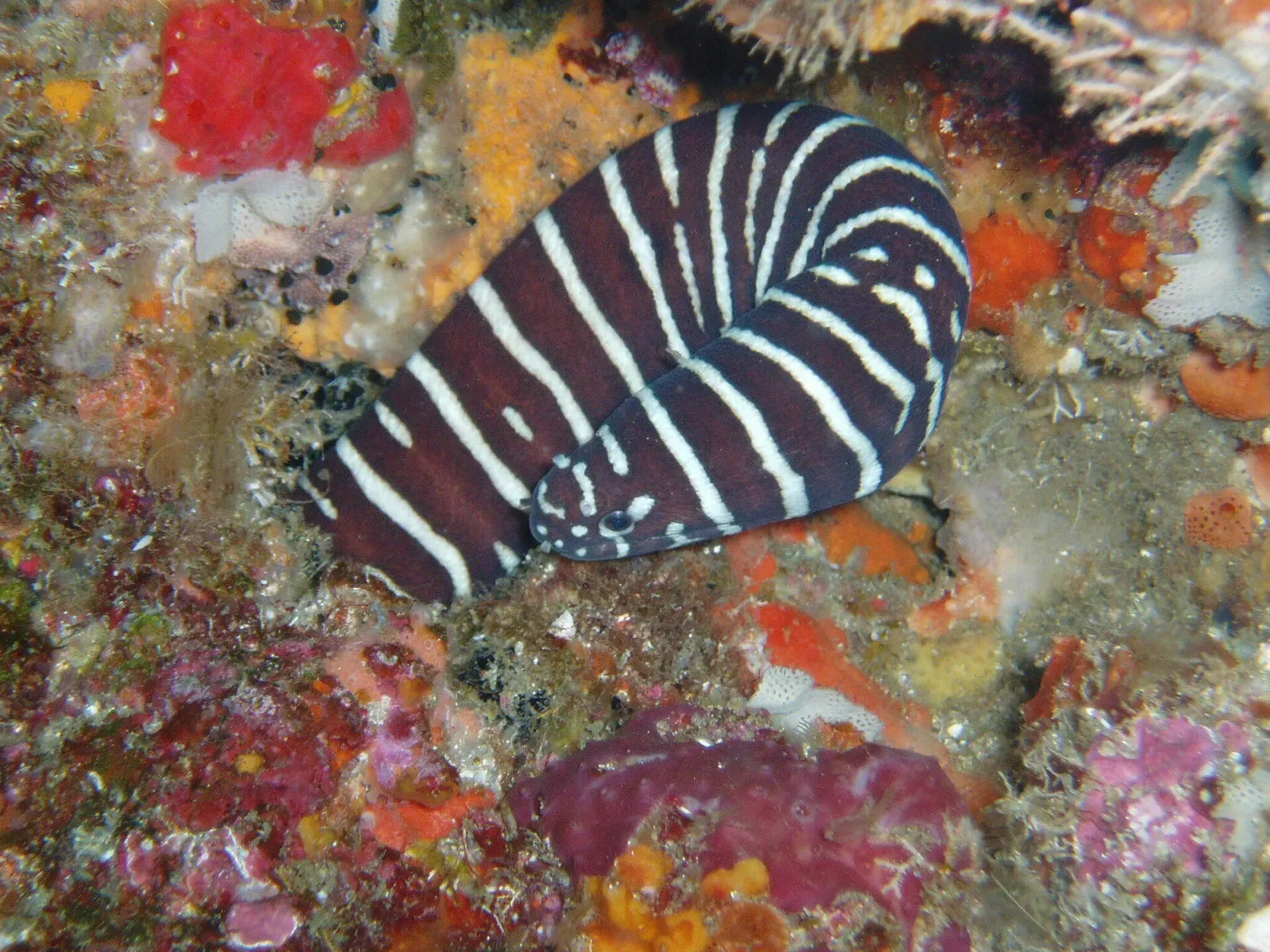
Ten different kinds of eel share a single reef
Wall
Fourteen green tree corals, some 6 m tall and 5 m across
Reef
A 600 m reef cut by caves, gullies and drop-offs
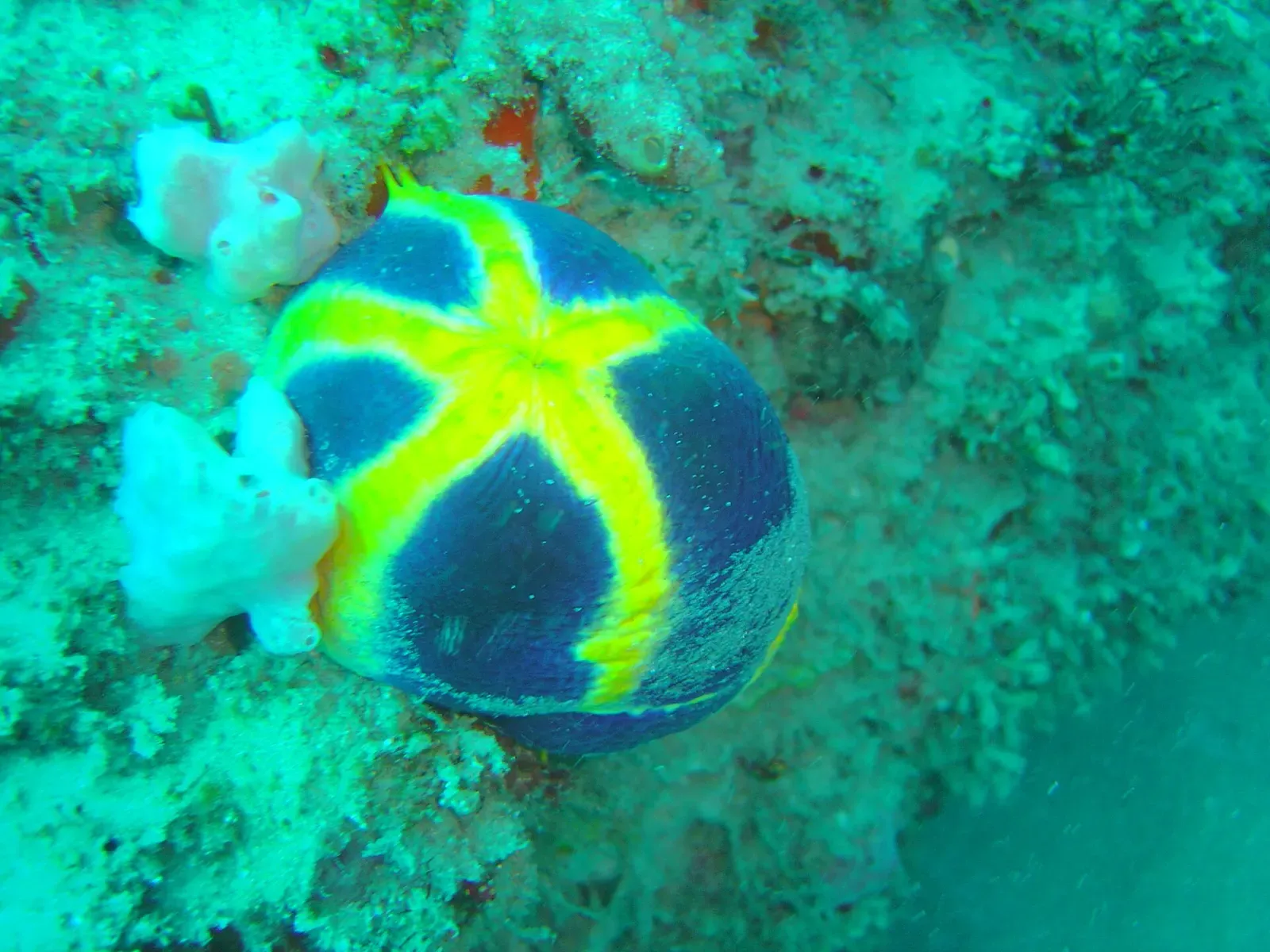
An almost constant north-to-south current carries the dive
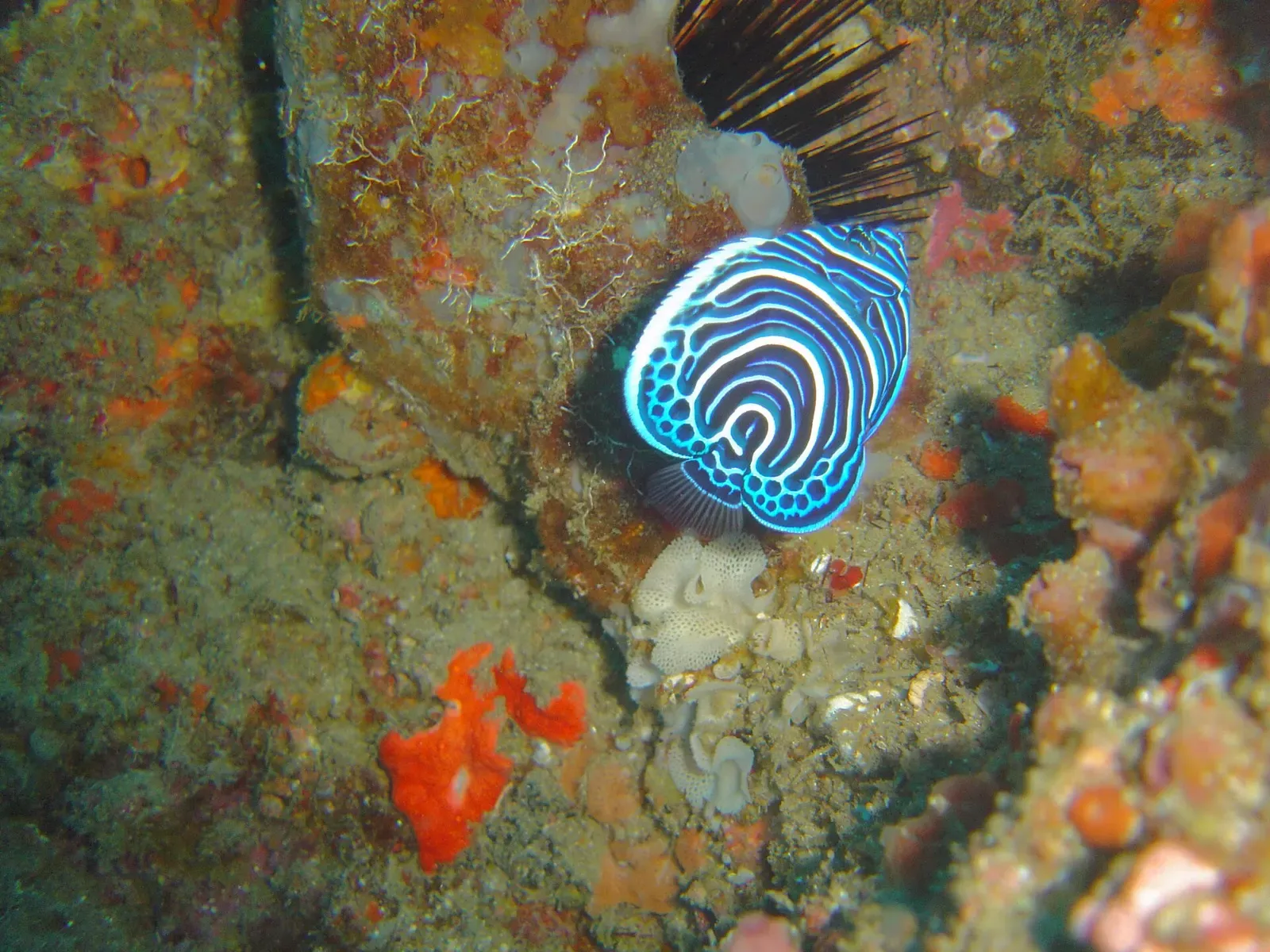
Leaf fish, shrimp and bright nudibranchs on a reef shaped like pao bread
How to get to Jangamo & Guinjata Bay
LAM flies from Maputo to Inhambane a few times a week. The dive centres sit on Praia de Jangamo and Guinjata Bay, about 30 minutes' drive south of Inhambane, reached by turning off the tar road onto the red dirt road that serves the resorts at Guinjata and Paindane.
Photos from Jangamo & Guinjata Bay
keesgroenendijk · CC BY 4.0
keesgroenendijk · CC BY 4.0
Questions divers ask
When is the best time to see whale sharks at Guinjata Bay?+
November to May, when sightings are close to guaranteed. Whale sharks are still around for the rest of the year, only in smaller numbers.
When do humpback whales pass Jangamo?+
From June until November, on their migration along this coast. Boat crews look for their blows and the splashes of breaching whales.
Is Guinjata Bay diving from the shore or by boat?+
By boat, from the dive centres on the beach. The home reefs are about seven hundred metres out, while Manta Reef is a 10 km run.
How do divers get to Jangamo and Guinjata Bay?+
Fly from Maputo to Inhambane on LAM, then drive about 30 minutes south, leaving the tar road for the red dirt road to the Guinjata and Paindane resorts.
Is Guinjata Bay good for new divers?+
Yes: Levi's Ledge is a shallow reef suited to new divers, and Coral Gardens, sheltered by a reef barrier, is used for open water students. The outer sites run to 35 m and deeper.
Sources
- Guinjata Bay Dive Sites - Guinjata Dive Centre — Guinjata Dive Centre
- Guiquindo Lodge - Diving — Guinjata House and Chalets
- Jay's Pro Dive – Best Diving in Mozambique — Jay's Pro Dive
- Inhambane Average Sea Temperatures — SeaTemperature.org
- Inhambane – Wikivoyage — Wikivoyage
Photo credits
- A zebra moray, dark brown with narrow white bands, coiled on reef covered in red and orange sponges. by keesgroenendijk, CC BY 4.0, via Wikimedia Commons
- A single bright orange Spanish dancer nudibranch with a frilly yellow gill plume, on pale rubble. by keesgroenendijk, CC BY 4.0, via Wikimedia Commons
- A moray with a pale honeycomb pattern of black spots beside a pale coral, with a dark fish above it. by keesgroenendijk, CC BY 4.0, via Wikimedia Commons
Embed
Run a dive centre, club or blog? Embed this map of 7 dive sites near Jangamo & Guinjata Bay on your own page.
Similar destinations

Manta cleaning stations on the reefs and whale sharks at the surface all year
Africa
Diani Beach
Kenya
Whale sharks from November to February and 29 sites within 40 minutes

East Africa's last viable dugong population, in a 1971 national park


An atoll wall and easy coral slopes off Zanzibar's north-east corner