Kona · United States · Reef · Wall
Kealakekua Bay
Sanctuary reef under the cliff where Cook was killed
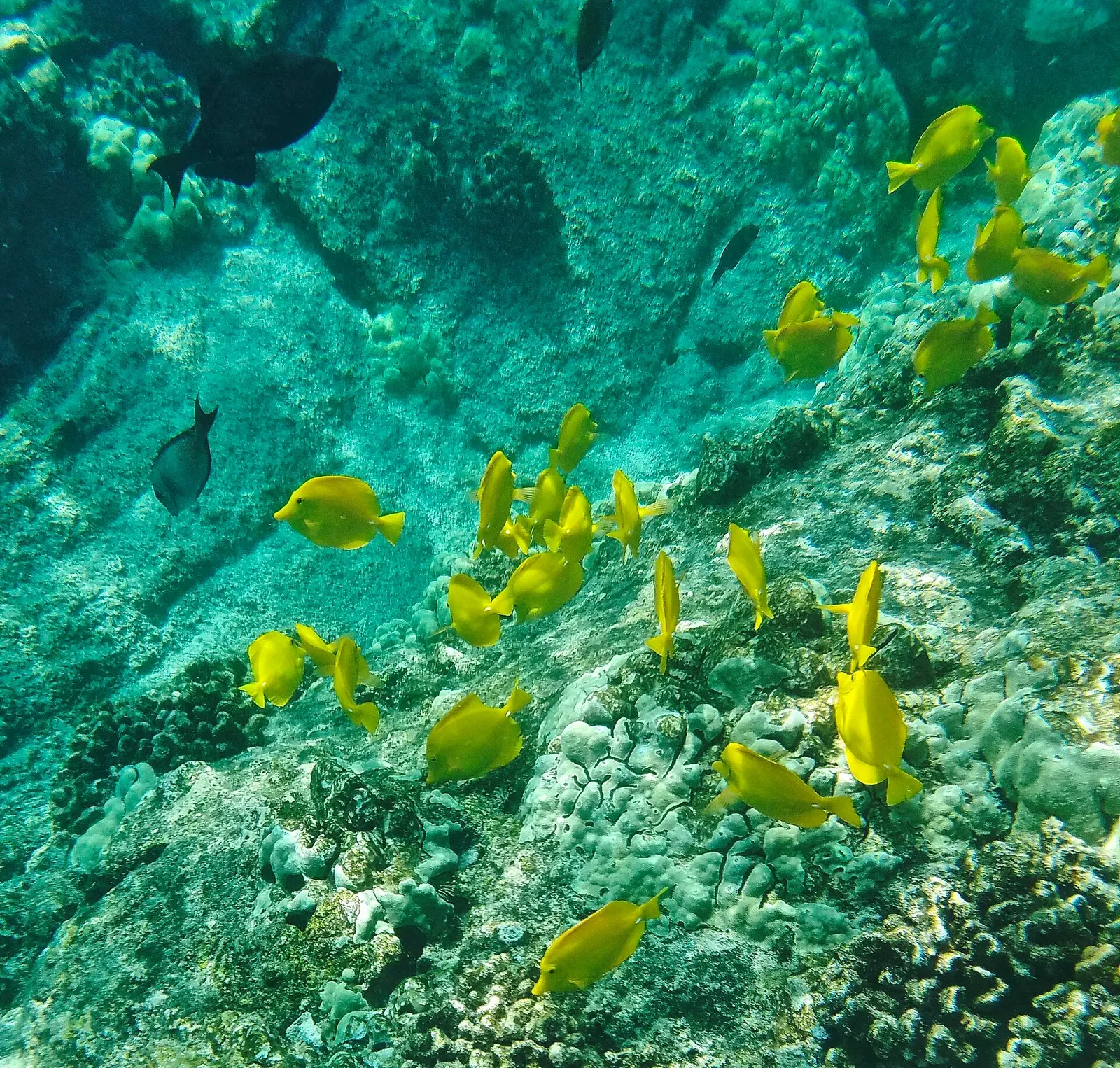
Photo: Deb Nystrom from Ann Arbor, Michigan, USA · CC BY 2.0
A protected bay on the south Kona coast, reached by boat or kayak because no road runs down to the Ka'awaloa side. Depths off the cove range from about 1.5 metres to 37, but the coral and the fish are concentrated on the cove walls between 9 and 18. Visibility runs 18 to 30 metres on a calm morning, and the whole bay is a marine sanctuary.
Also known as Captain Cook Monument, Ka'awaloa Cove.
Where it is and how deep
19.4771° N, 155.9271° WApproximate position — the dashed circle shows where the site lies; your operator's briefing has the mooring.
The dive
Boat tours come in to Ka'awaloa Cove, below the Cook monument and a 30-metre lava cliff (100 feet). The bottom falls away from around 1.5 metres at the shoreline to 37 at the outer edge, but the dive that matters is the middle band — the cove walls between roughly 9 and 18 metres, where the coral and the fish density are concentrated. Nothing about the profile pushes you deeper than you want to go.
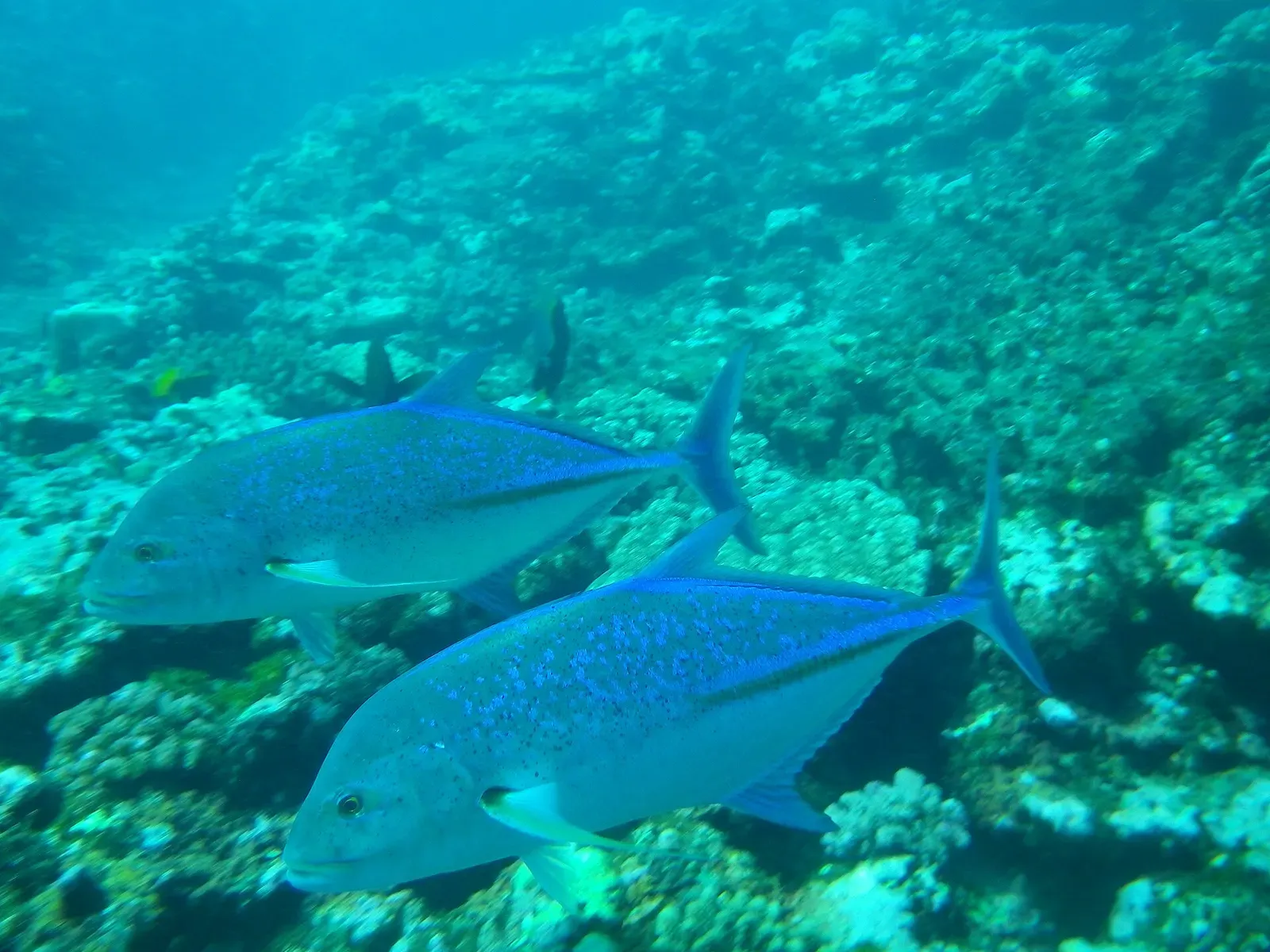
Work the wall slowly. Flame angelfish, butterflyfish, yellow tangs, sailfin tangs and lizardfish are all common, snowflake morays and white-spotted puffers sit back in the rock, and spinner dolphins sometimes come through the bay. On a calm morning sight lines run 18 to 30 metres, so you can read how the reef is arranged rather than just the patch in front of your mask — part of why the bay works as well for snorkellers as it does for divers.
Background
Kealakekua Bay is where Captain James Cook was killed on 14 February 1779; a monument on the Ka'awaloa shore marks the spot, under a 30-metre lava cliff (100 feet), and the diving and snorkelling happen in the water directly off it. The bay is now a 315-acre marine sanctuary, designated a Marine Life Conservation District, with fishing and harvesting restricted near the monument.
Marine life and season
- Reef fish swarms
- Dolphins
| Jan | Feb | Mar | Apr | May | Jun | Jul | Aug | Sep | Oct | Nov | Dec |
|---|---|---|---|---|---|---|---|---|---|---|---|
| Prime | Prime | Prime | Prime | Good | Good | Good | Good | Good | Good | Good | Prime |
Season follows Kona: Manta rays and reef diving are consistent year-round; Dec-Apr adds migrating humpback whales, while winter swell can occasionally limit access to exposed sites.
Photos from Kealakekua Bay
Walter Dietrich · CC BY-SA 4.0
Surfsupusa at English Wikipedia · Public domain
Eric Marshall · CC BY 3.0
Dive videos
Kealakekua Bay Underwater Tour Big Island HAWAII | Kona, HI · Alexander Selivanoff on YouTube
Questions divers ask
How do you get to Kealakekua Bay to dive?+
There is no paved road down to the Ka'awaloa side. Most divers come on a boat tour from the Kona coast; the alternatives are paddling across by kayak or hiking down beneath the lava cliff.
What is the visibility at Kealakekua Bay?+
Between 18 and 30 metres — 60 to 100 feet — on calm mornings. The bay is sheltered and protected year-round, so conditions hold up better here than on more exposed parts of the coast.
Sources
- Kealakekua Bay State Historical Park — Go Hawaii (Hawaii Tourism Authority)
- Kealakekua Bay — Fair Wind Cruises
Photo credits
- A dense school of bright yellow tang moves over the reef in clear water at Kealakekua Bay. by Deb Nystrom from Ann Arbor, Michigan, USA, CC BY 2.0, via Wikimedia Commons
- A coral head sits on a sand patch with sea urchins and a small fish nearby underwater in Kealakekua Bay. by Walter Dietrich, CC BY-SA 4.0, via Wikimedia Commons
- A reef triggerfish noses along a mound of finger coral on the wall in Kealakekua Bay. by Surfsupusa at English Wikipedia, Public domain, via Wikimedia Commons
- The steep lava cliff above Ka'awaloa Cove rises from the calm water of Kealakekua Bay. by Eric Marshall, CC BY 3.0, via Wikimedia Commons
More dive sites in Kona
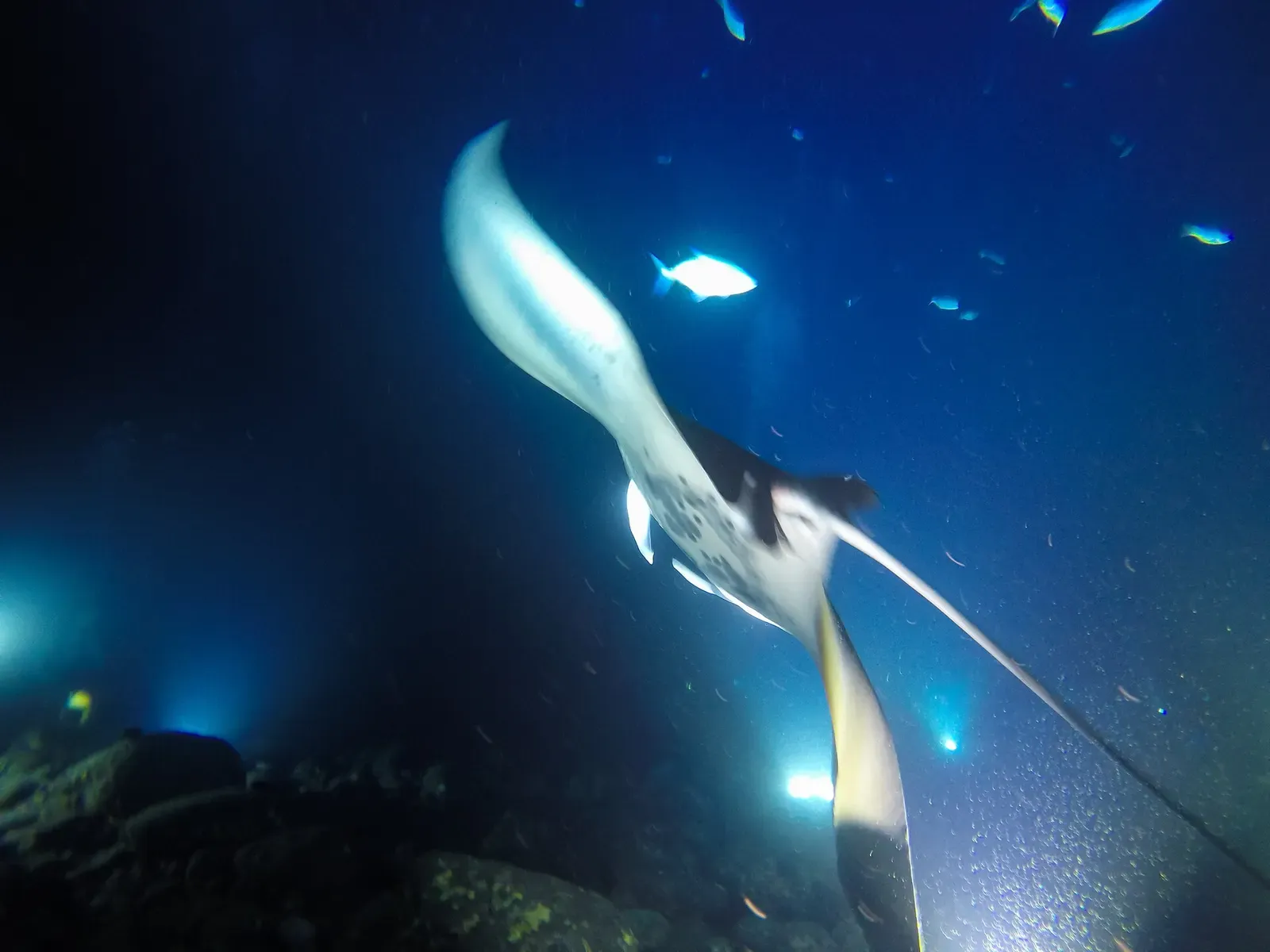
Hundreds of garden eels by day, feeding mantas after dark
Cave & cavern
Two lava-tube arches, neither deeper than 9 metres
Pelagic & blue water
Tethered in open ocean at night as deep-water animals rise to the surface
Night
Divers kneel on the sand at 10 m with lights aimed straight up
Pinnacle
Green turtles rest at the base while kole surgeonfish clean them
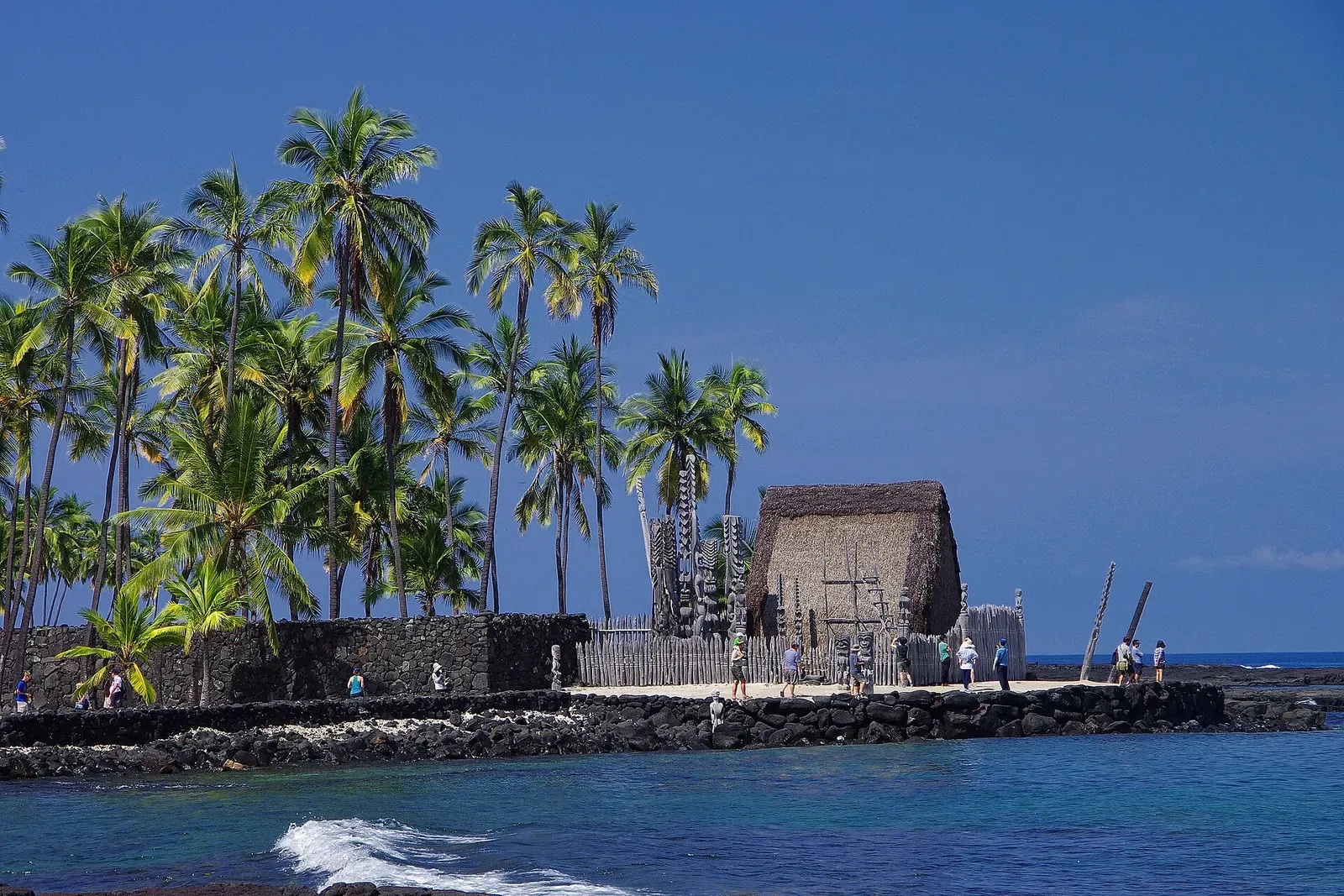
Two lava steps into turtle canyons at the Place of Refuge
Similar dives elsewhere
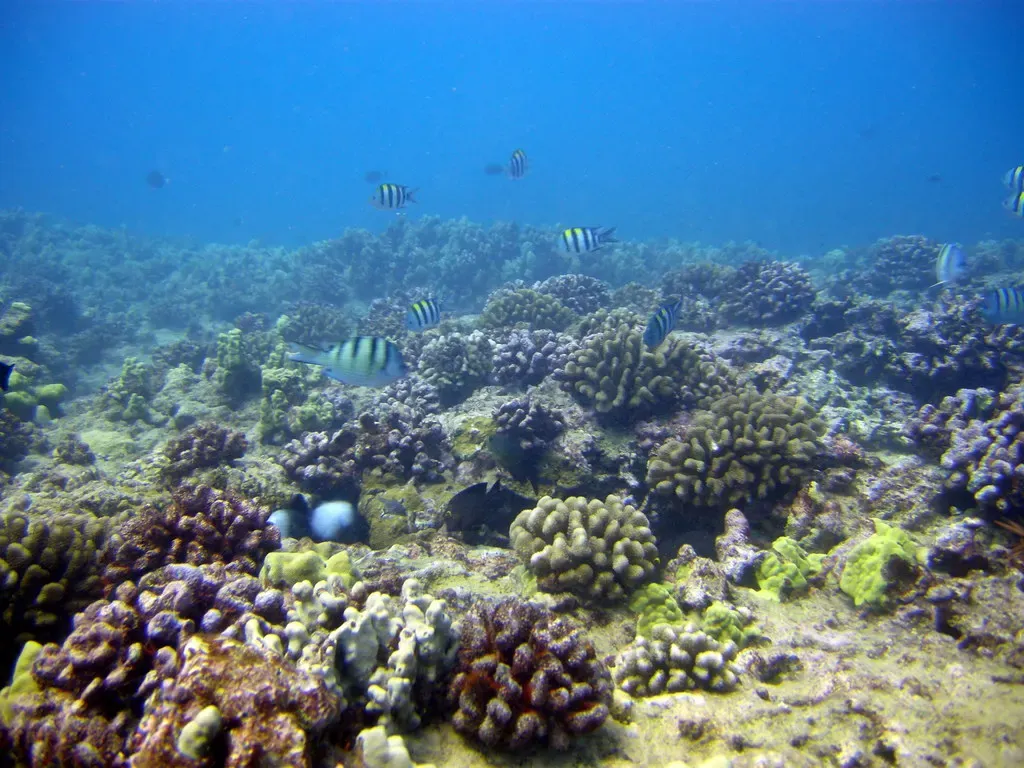
Half a mile of ledge, 7-12 m down to 18-24 m

Reef and wall the whole way, in 2 to 15 metres of water
Shallow plateau with dense fish and varied coral

.jpg)


.jpg)
Giant manta rays over an offshore bank, 16 m at its deepest