
Medes Islands · Spain · Reef · Wall
Tascó Gros
Coralligenous boulders and red gorgonians from 15 to 40 m
Area photo: Alexandre Albore · CC BY-SA 4.0
The larger of the two Tascons islets, dived from a buoy on its north side over ground that runs between 15 and 40 metres. The dive goes around the island, the bottom is coralligenous with big rocks and red gorgonians, and the site is completely exposed to the currents and the tramuntana wind.
Where it is and how deep
42.0423° N, 3.2272° EPublished position for this site.
The dive
The anchor buoy sits on the north side of Tascó Gros and the dive works ground between 15 and 40 metres, so there is no shallow warm-up: you leave the surface and arrive on the site proper. The route goes around the island. The bottom is coralligenous — the slow-growing crust that builds the Mediterranean's deeper rock communities — over big rocks, and it is that crust rather than the topography that carries the life here.
Red gorgonians are the signature, standing off the big rocks that make up the bottom. With the ground running from 15 to 40 metres, the deeper part of a circuit here eats gas quickly, so profiles are usually planned as a deeper first leg followed by a long, slow climb back up the boulders towards the buoy rather than as one level held the whole way round.
Exposure is the defining fact about the site. It is completely exposed to the currents and to the tramuntana, the wind this coast is known for, so conditions rather than appetite decide whether it is dived on a given day. When it does run, the buoy line is the reference for the descent and the ascent, and the circuit around the island is planned to finish back at it.
Marine life and season
The sources we used don't single out particular species here.
| Jan | Feb | Mar | Apr | May | Jun | Jul | Aug | Sep | Oct | Nov | Dec |
|---|---|---|---|---|---|---|---|---|---|---|---|
| Off-season | Off-season | Fair | Fair | Good | Prime | Prime | Prime | Prime | Good | Fair | Off-season |
Season follows Medes Islands: Jun–Sep brings the warmest water, calmest seas, and peak grouper and fish activity; most dive centers scale back Dec–Feb.
Know before you go
- The site is completely exposed to the currents and to the tramuntana; descend and ascend on the buoy line and carry an SMB, because a diver who misses the line here surfaces away from the island.
Questions divers ask
How deep is Tascó Gros?+
The dive works an area between 15 and 40 metres on the north side of the islet and goes around the island. There is no shallow section to fall back on, so gas planning matters more here than on the sheltered tunnel dives in the archipelago.
When can Tascó Gros be dived?+
On settled days. The site is completely exposed to the currents and to the tramuntana wind, so it is weather-dependent in a way the sheltered sites of the archipelago are not.
Sources
- Tascó Gros — Scubago
- Isole Medas — Wikipedia (Italian)
- Montgrí, Medes Islands and Baix Ter Natural Park — Wikivoyage
More dive sites in Medes Islands
Pinnacle
The archipelago's busiest dive: a rock from 4 m to 45 m
A 5 m cave passage that comes out at Dofí Sud
Cave & cavern
Backlit galleries under Meda Petita, red coral on the wall
Cave & cavern
Limestone platform rising almost to the surface off Meda Gran
Cave & cavern
A daylit tunnel system inside Meda Gran
Cave & cavern
Tunnels cutting clean through the island at 14–24 m
Reef
Coral beds, posidonia meadow and sand in a single dive
Wall
Vertical gorgonian walls dropping to 42 m off Meda Gran
Similar dives elsewhere

A plateau off Grand Congloué that ends in a beak
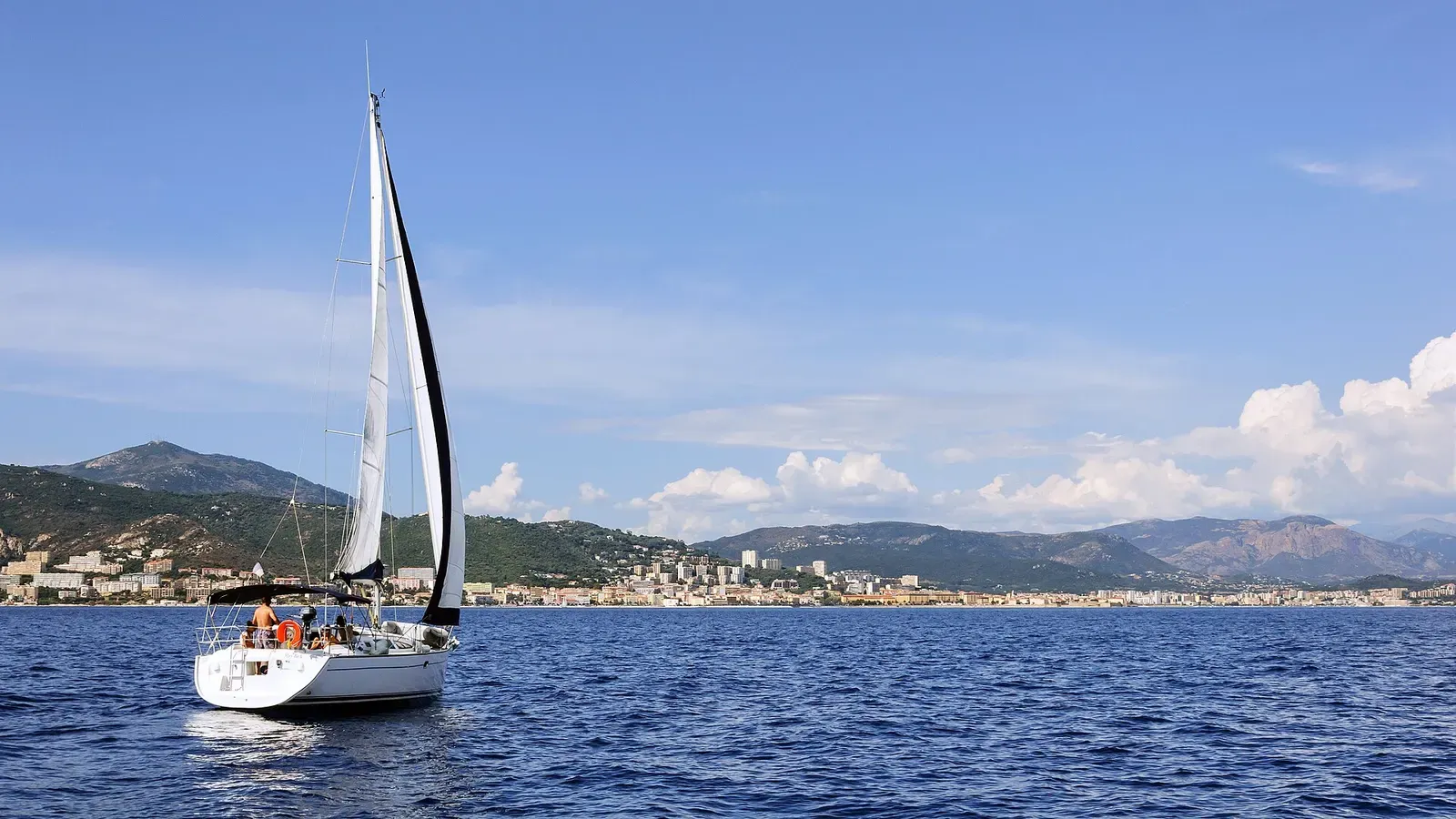
Plateaus at 6, 12 and 20 m before the drop-offs
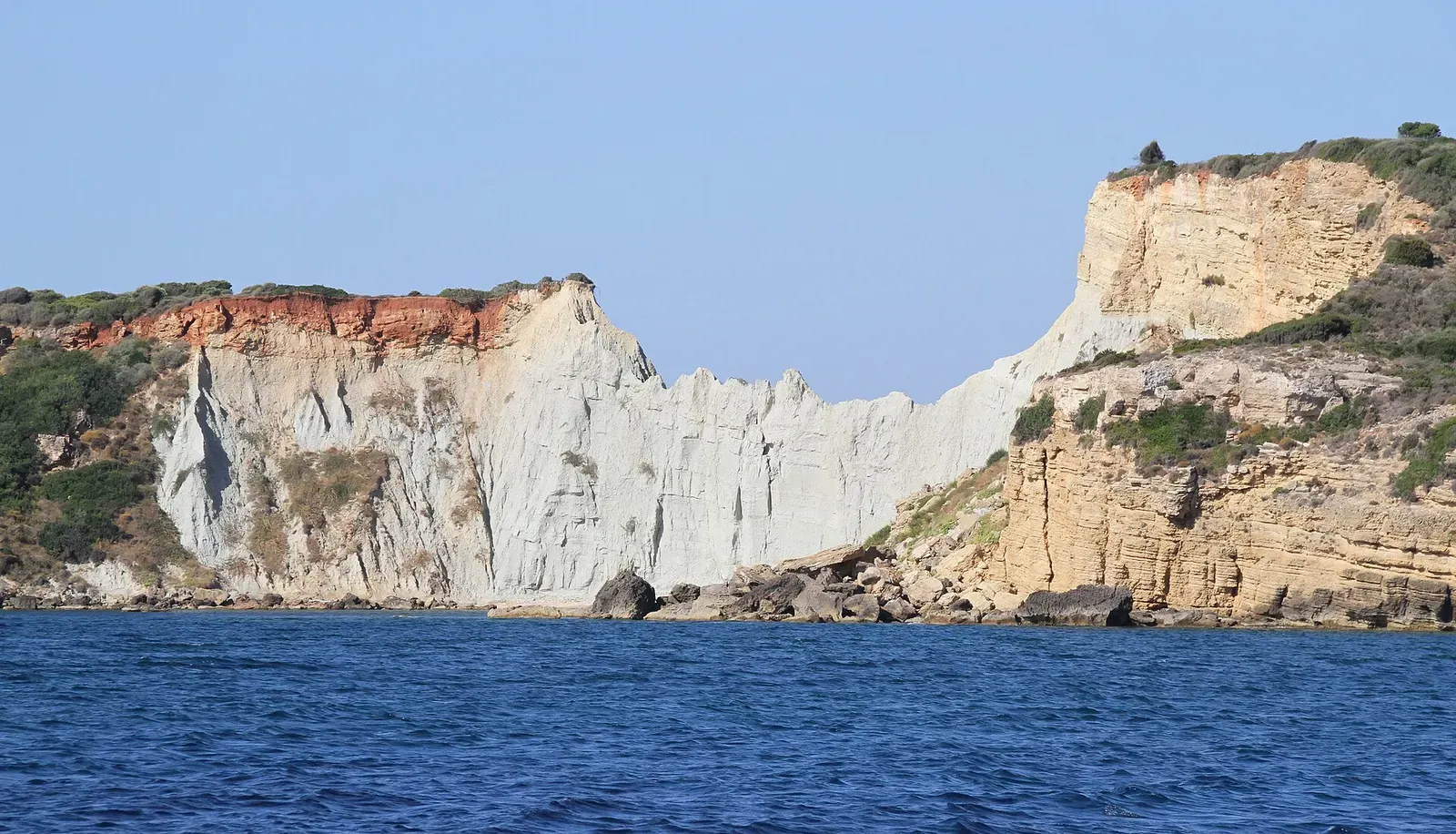
A rocky slope, a long wall and a tiny cave to finish


Circle the reef from 18 to 32 m, with the Phedon's remains on it