
Rapid Bay · Australia · Reef
Second Valley Headland
Folded, weed-covered rock sloping off the point to sand at 9 m
Area photo: Peter Southwood · CC BY-SA 3.0
A shore dive on the small rocky promontory just south of the river mouth at Second Valley, on the Fleurieu Peninsula. The reef slopes fairly steeply off the point to a sand bottom at about 9 m, its folded sedimentary rock carrying a moderate cover of kelp and mixed seaweeds. It is a shallow dive for people who like reading rock structure.
Where it is and how deep
35.5104° S, 138.2167° EPublished position for this site.
The dive
Kit up at the parking area at the end of the access road and walk out to the headland south of the river mouth. Both the point itself and the sheltered cove on the south side work as entries, and each involves picking your way over rocky ridges, so it pays to have the walk sorted before you have a regulator in your mouth. The iron post at the tip of the headland is the landmark to line up on.
Underwater the reef is sedimentary rock, in places heavily folded and metamorphosed enough to be hard and resistant to weathering, with a fairly steep dip of about 25 degrees. Follow the slope down and it runs out onto sand at about 9 m at the deepest, shallower again around the south side of the point. The band of reef between the shallows and the sand varies in width from about 15 to 20 m at its narrowest to 30 or 40 m where it spreads out.
Cover is mixed kelp and other seaweeds at moderate density, thin enough that the substrate shows through the weed a fair amount of the time, which makes the rock structure easy to read as you work along it. With nothing below 9 m there is no depth to manage, so the dive is really a slow traverse of the slope and back to whichever entry you came in over.
Marine life and season
The sources we used don't single out particular species here.
| Jan | Feb | Mar | Apr | May | Jun | Jul | Aug | Sep | Oct | Nov | Dec |
|---|---|---|---|---|---|---|---|---|---|---|---|
| Prime | Prime | Prime | Good | Good | Fair | Fair | Fair | Good | Good | Good | Prime |
Season follows Rapid Bay: Seadragons are resident year-round; summer (Dec–Mar) brings the calmest seas and best visibility, while winter swell and cold make access harder.
Questions divers ask
How deep is Second Valley Headland?+
The reef slopes off the point to a sand bottom at about 9 m, and it is shallower again on the south side, so the whole dive sits inside recreational no-stop limits.
Is there parking and are there facilities?+
There is parking at the end of the access road with public toilets and a changing room, but no potable water. Entry is on foot from the headland or the sheltered cove on its south side, both over rocky ridges.
Sources
- Diving in South Australia — Wikivoyage
More dive sites in Rapid Bay
Reef
A 50 m limestone patch on sand, honeycombed with holes and crevices
Artificial reef
Stairs at the jetty end put you straight onto shallow pylons.
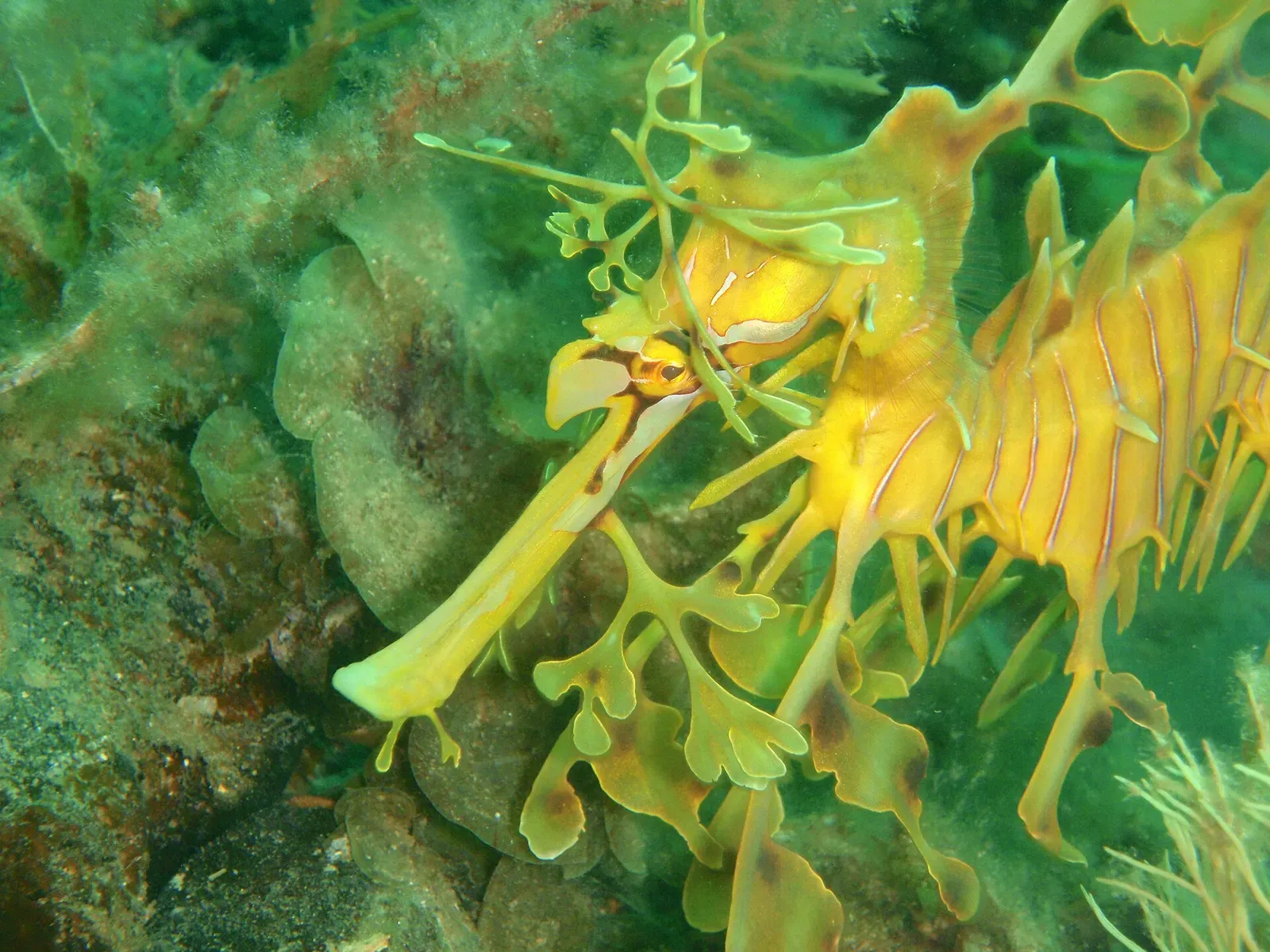
A resident leafy seadragon population lives under the old jetty.
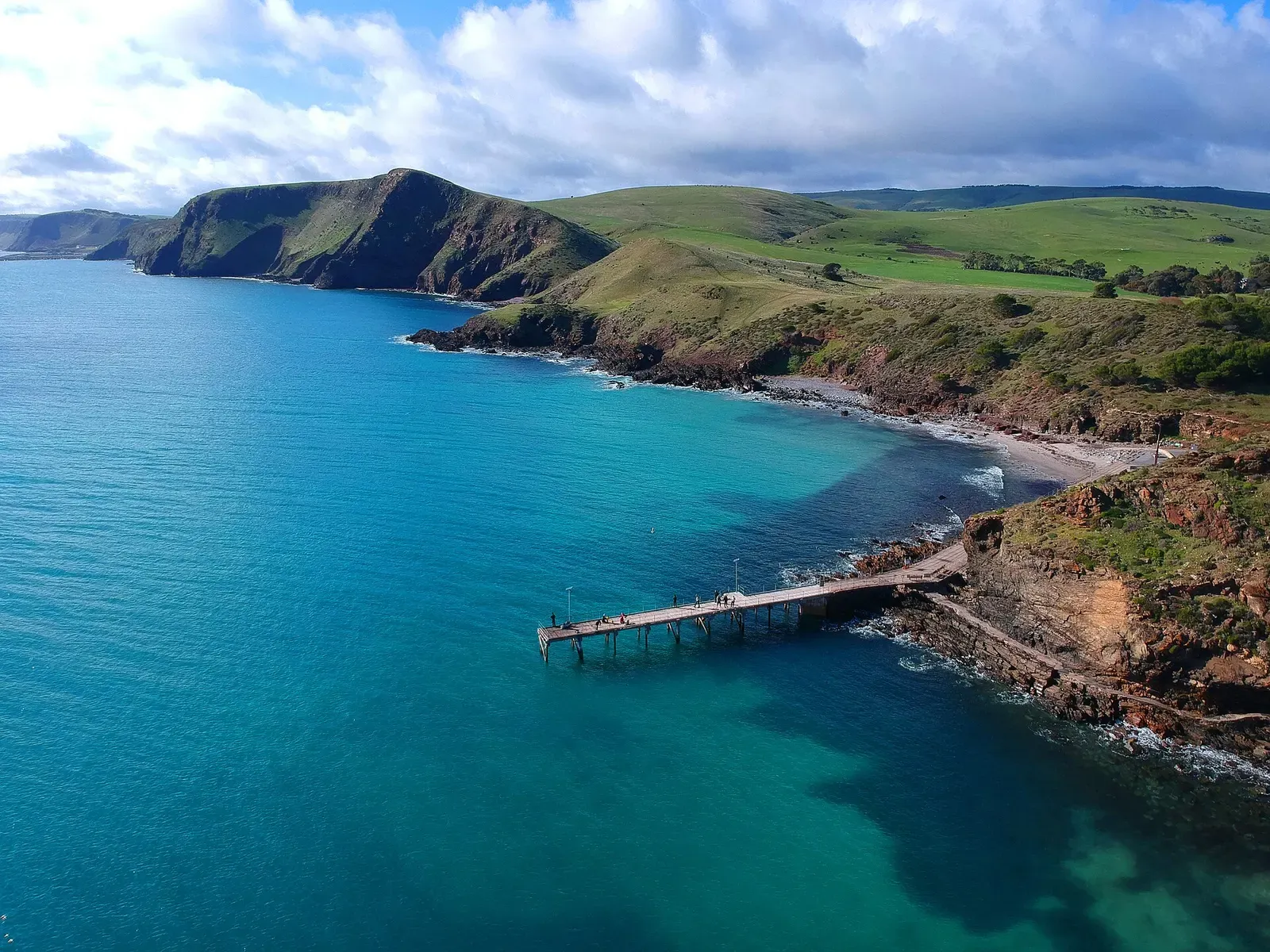
Caves, overhangs and seagrass channels in 10 m of water.
Similar dives elsewhere
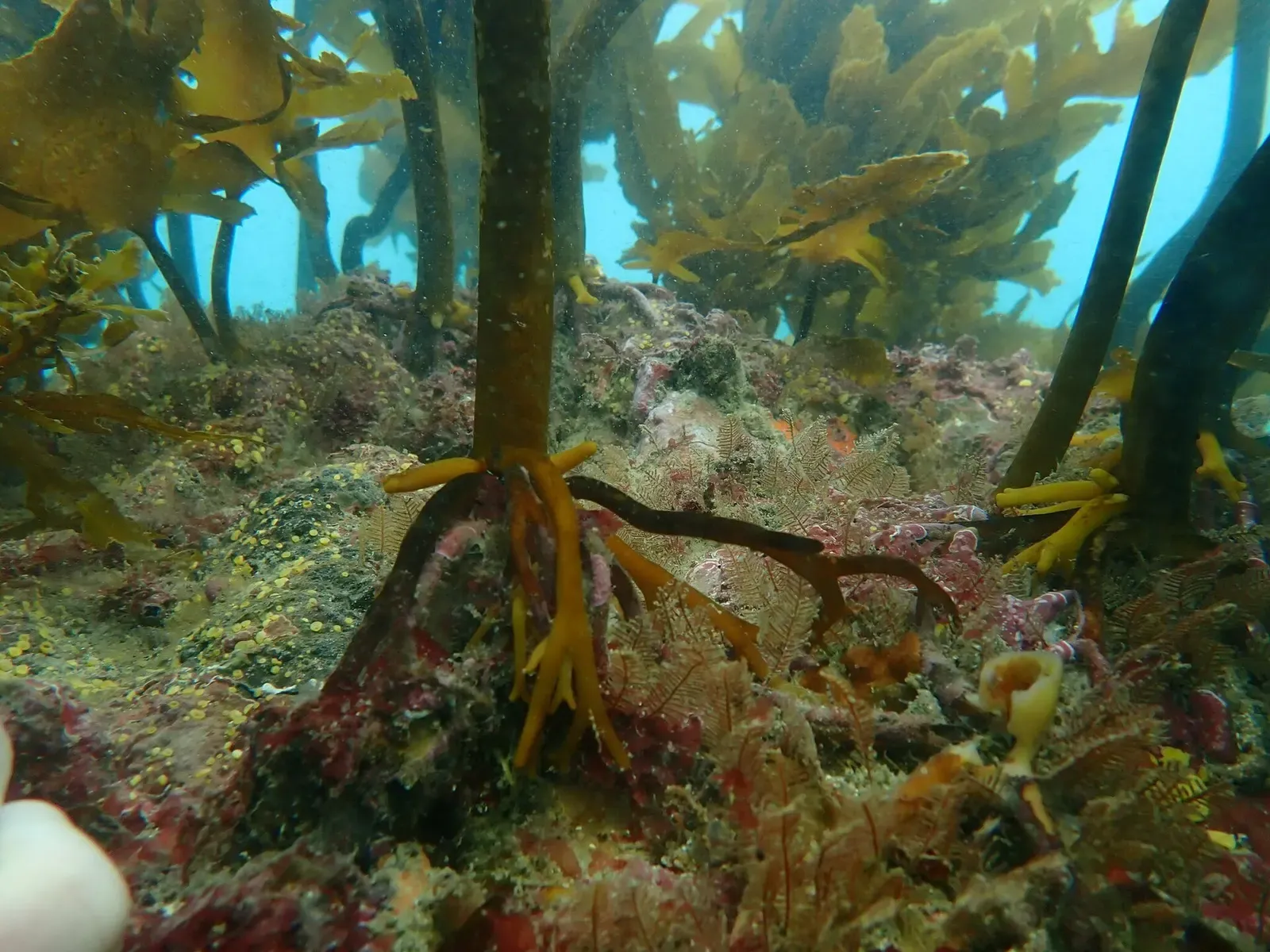
Find it by the white letter B painted on the cliff
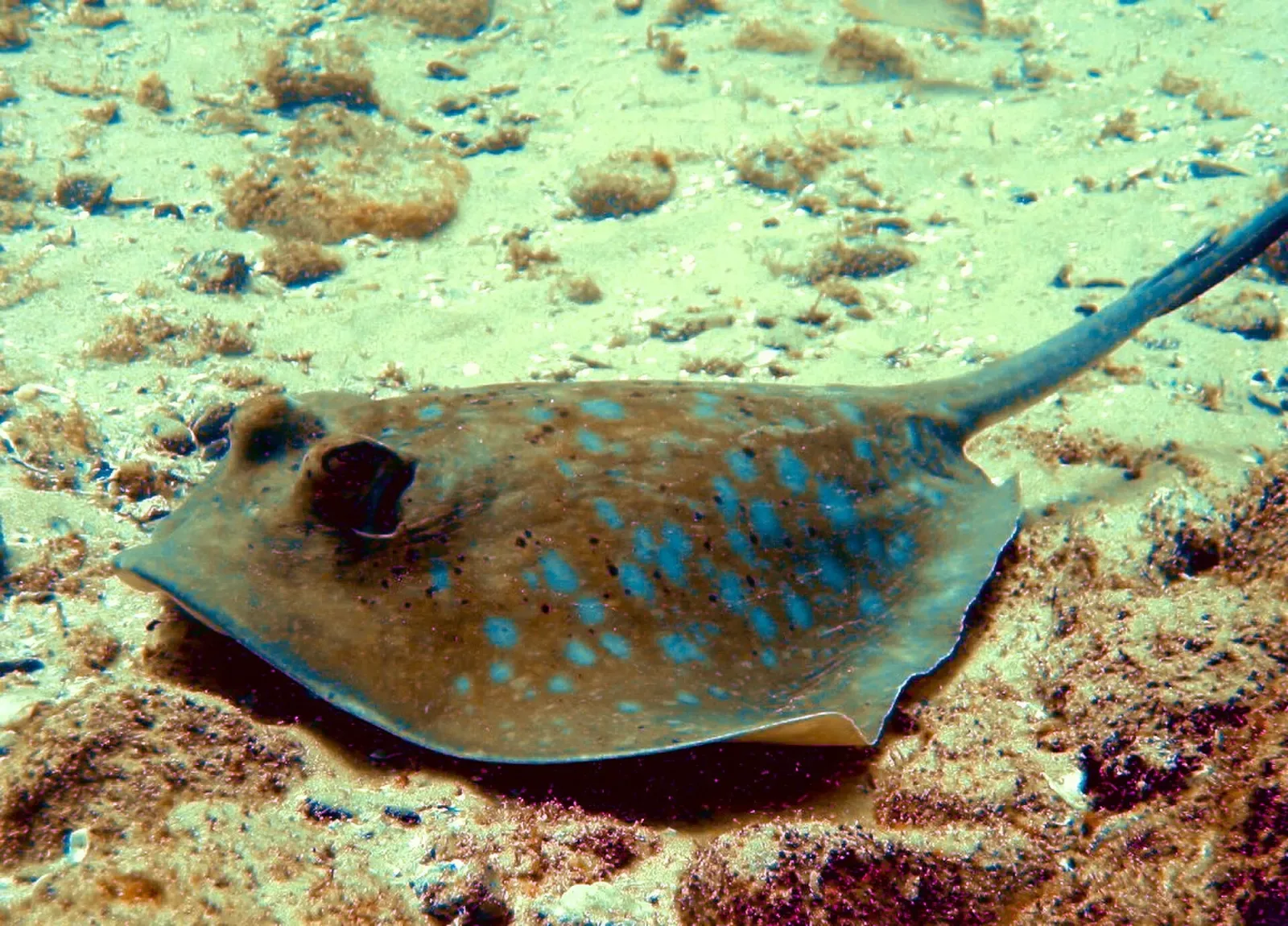
A tennis-court-sized reef with resident green turtles
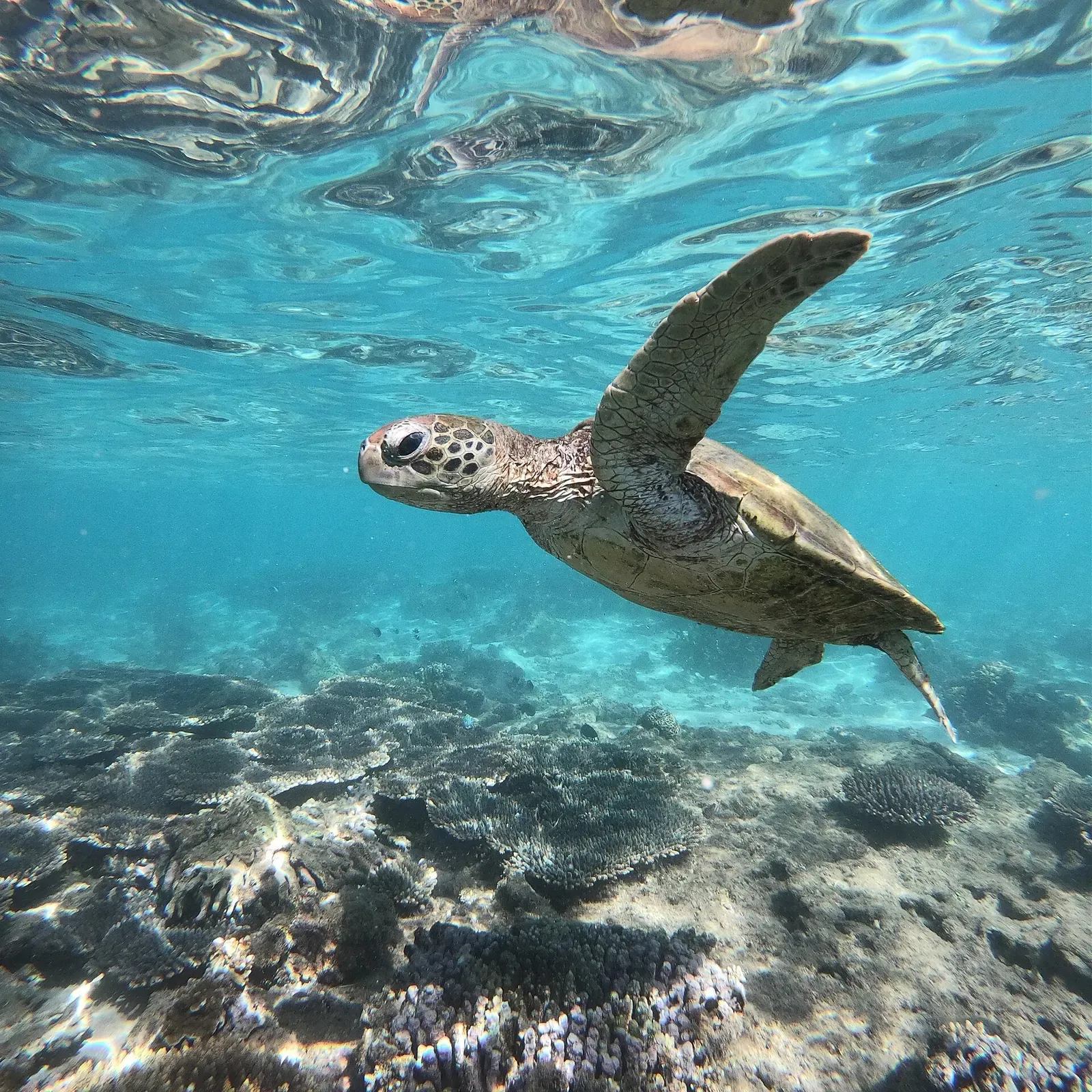
Shore-entry reef with a spring nursery of young tiger sharks


Ledges and swim-throughs in 6-9 m, straight off the car park