
St Helena · United Kingdom · Wreck
Papanui
A 1911 emigrant steamer that arrived on fire and burned out
Area photo: NASA Expedition 19 crew · Public domain
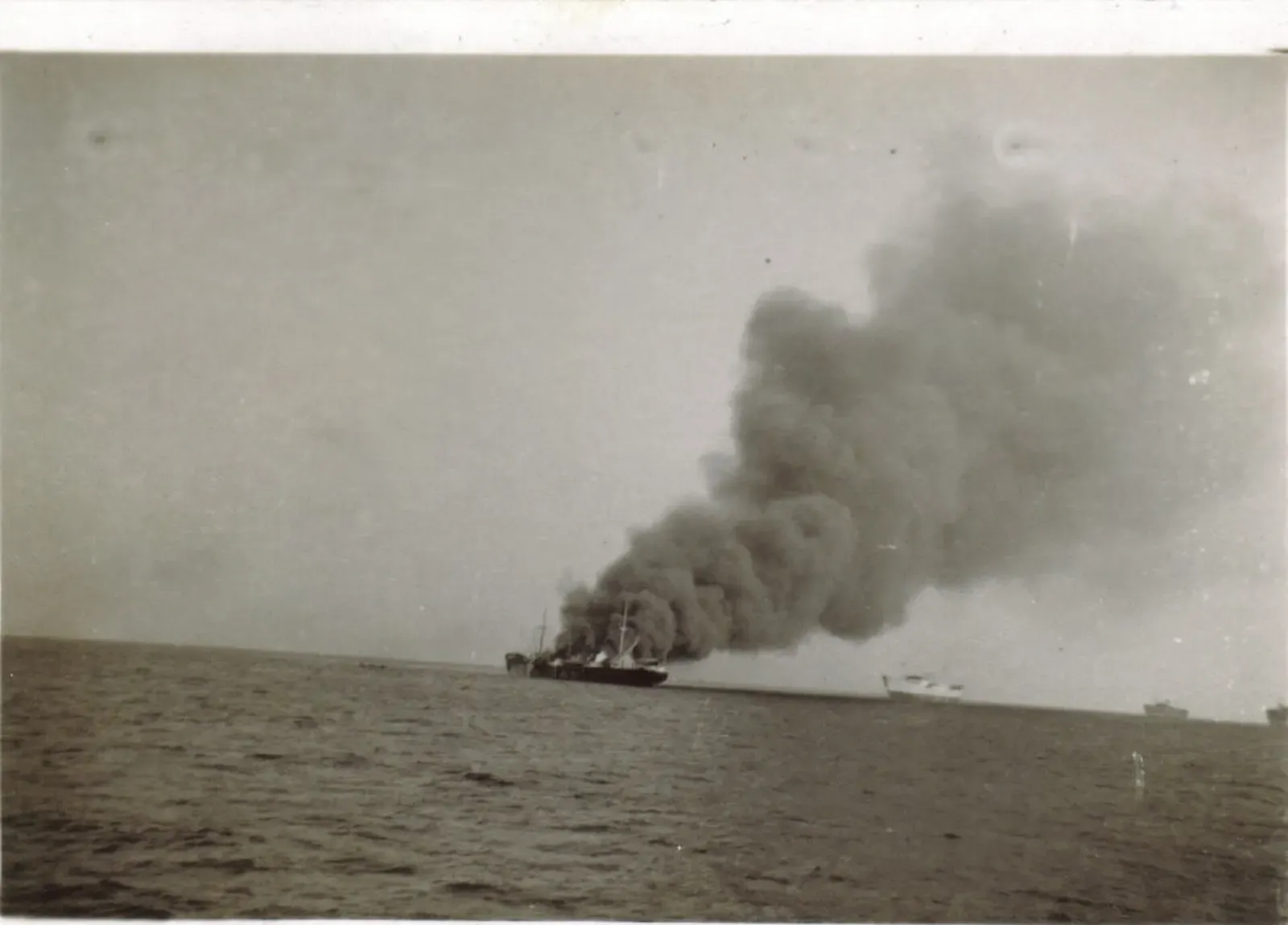
An emigrant steamer bound from Britain to Australia that reached St Helena in 1911 already on fire, burned out and sank in James Bay. All 364 people aboard were taken off alive. She lies in 13 metres close to shore, broken open across the seabed, and is one of the most dived sites on the island.
Also known as SS Papanui.
Where it is and how deep
15.9234° S, 5.7187° WApproximate position — the dashed circle shows where the site lies; your operator's briefing has the mooring.
The dive
James Bay, a boat run out of Jamestown, and the shallowest wreck dive on the island: 13 metres at the deepest. Part of the ship never went under, since her steering gear still stands above the water, so you have a marker at the surface before you drop onto the wreck itself. Being this shallow and this close in, it is the dive most visitors to St Helena end up doing first.
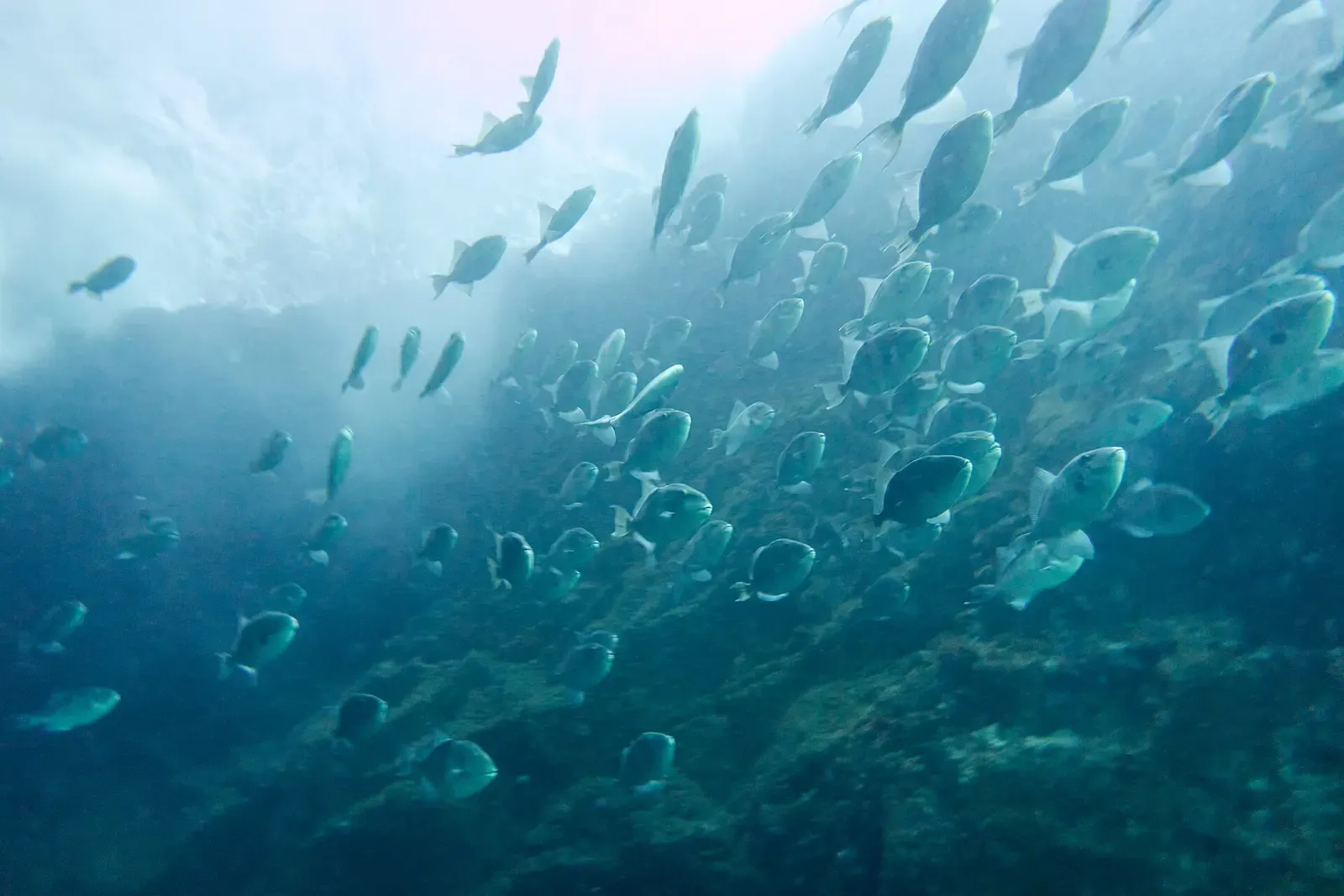
The structures you navigate by are her four boilers, three in a row and one forward, with the counter stern nearby. Around them the ship is spread out rather than intact: bundles of corrugated iron, an engine, the anchor windlass, and the bow off in the distance. Large schools of butterflyfish hang over the wreckage, and crayfish sit back in the spaces inside it.
She reached here in 1911 on a run from Britain to Australia with emigrants aboard and fire already in her, the coal in a thermally insulated hold apparently having combusted. She burned out and sank in the bay, and all 364 passengers and crew were rescued and looked after on the island. The hull was left where it settled, which is why you are swimming over it in shallow water rather than reading about a salvage.
The wreck
- Vessel
- SS Papanui
- Type
- Passenger and emigrant steamer
- Sunk
- 1911
- Cause
- Fire, possibly spontaneous combustion of coal in a thermally insulated hold
- Lies
- Burned out and sank in James Bay; boilers, engine and debris in 13 m, steering gear above water
The Papanui was running from Britain to Australia with emigrants when she arrived in James Bay in 1911 on fire, the cause put down to spontaneous combustion of coal stored in a thermally insulated hold. She burned out and sank in the bay. All 364 passengers and crew were rescued and looked after on St Helena, so the loss cost no lives.
Marine life and season
- Reef fish swarms
- Macro critters
| Jan | Feb | Mar | Apr | May | Jun | Jul | Aug | Sep | Oct | Nov | Dec |
|---|---|---|---|---|---|---|---|---|---|---|---|
| Prime | Prime | Prime | Good | Good | Fair | Fair | Fair | Good | Good | Good | Prime |
Season follows St Helena: Whale sharks aggregate Dec–Mar and are snorkel-only; reef and wreck diving runs year-round in 20–26°C water.
Dive videos
GoPro: Diving 100 year Old Wreck In St Helena · The Yacht Life on YouTube
Questions divers ask
How deep is the Papanui wreck?+
Maximum depth is 13 metres. She sits close to shore in James Bay and is described as suitable even for novice divers, which makes her the easiest of St Helena's wreck dives.
What happened to the Papanui?+
She arrived in James Bay in 1911 already on fire, probably from coal combusting in a thermally insulated hold, and burned out and sank. All 364 passengers and crew were rescued and cared for on St Helena.
Sources
- History of Saint Helena — Wikipedia
- Diving on St Helena — Saint Helena Island Info
In The Logbook
- Where to dive in DecemberTrip planning · 10 min read
More dive sites in St Helena
Wreck
Fleet tanker torpedoed at anchor by U-68 in 1941
Similar dives elsewhere

Thousands of petrified cement bags across the reef at 9 m
A 1940 cargo wreck at 14 m, a few hundred metres off Gorée Island
The 1930 Nelson Line liner lost on Farilhão Grande

A steamer on its side under gorgonian growth, at 18–31 m