
Baa Atoll & Hanifaru Bay · Maldives · Reef
Anga Faru
Canyons and overhangs from 12 to 30 m, with a shark nursery
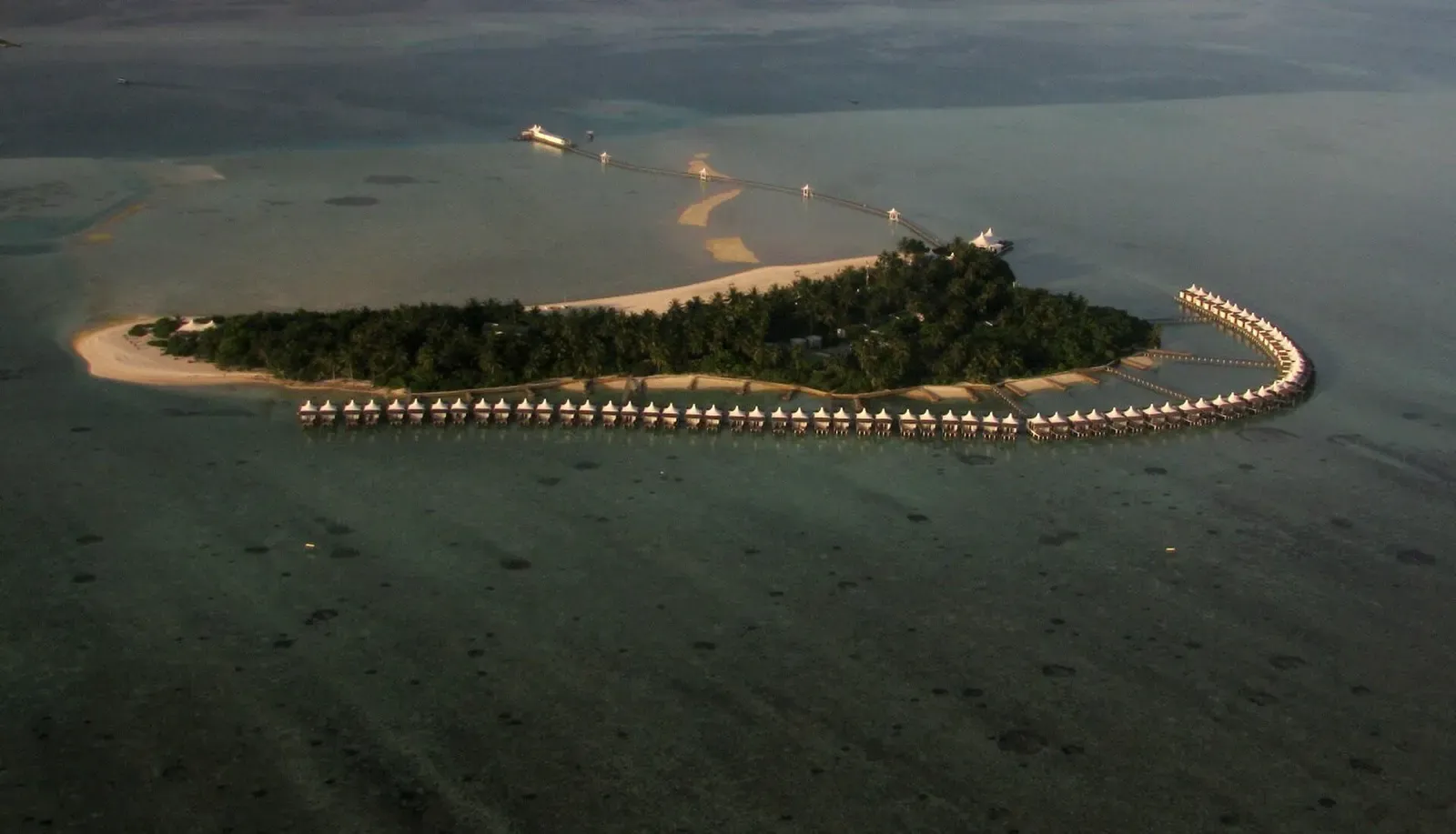
Area photo: Abllo · CC BY-SA 4.0
Anga Faru translates as Mouth Reef, and it is a big one: a reef with a lagoon and a sand bank enclosed inside it, on the south-western periphery of the dive sites clustered along the eastern edge of Baa Atoll. The slope is fairly steep in places and cut with canyons and overhangs between 12 and 30 m, and juvenile grey reef sharks use the site as a nursery.
Where it is and how deep
5.1759° N, 73.0981° EPublished position for this site.
The dive
The reef encloses a lagoon and a sand bank, which makes this a large feature rather than a pinnacle you can circle. Drop onto the reef and work down into the band between 12 and 30 m, which is where the canyons and overhangs are and where the dive spends most of its time. The slope is fairly steep in some sections, so depth is easy to gain without noticing: fix a turn depth before you leave the surface.
Move along the reef rather than up and down it, looking into the overhangs as you pass, since the cut structure is the shelter and that is where the fish sit. Anga Faru is a nursery for grey reef sharks, so the sharks met here are more often juveniles than full-grown animals. Climb back up the reef once the deep half of the dive is done and run the shallower ground on the way to the safety stop.
One dive covers a section of the reef, not the whole perimeter, so ask the guide which face you are being dropped on and plan the route in one direction from there. The structure repeats enough that a single well-chosen stretch shows what the site is, and covering distance only costs you the overhangs you swim past without looking into them.
Marine life and season
- Reef sharks
| Jan | Feb | Mar | Apr | May | Jun | Jul | Aug | Sep | Oct | Nov | Dec |
|---|---|---|---|---|---|---|---|---|---|---|---|
| Fair | Fair | Fair | Good | Prime | Prime | Prime | Prime | Prime | Prime | Good | Fair |
Season follows Baa Atoll & Hanifaru Bay: The Hanifaru aggregation runs May–Nov on the south-west monsoon and peaks Aug–Oct; Dec–Apr is calmer and clearer but the mantas disperse.
Know before you go
- The slope is steep in places and drops straight through the 12–30 m canyon band, so depth creeps up on you unless a turn depth is set before the descent.
Questions divers ask
How deep is Anga Faru?+
The canyons and overhangs that give the site its character sit between 12 and 30 m, which is the band most dives work. The reef itself is shallower above that, and the slope is steep in some sections.
What sharks are at Anga Faru?+
Grey reef sharks, and mostly young ones: the site is a known nursery for the species, so the animals seen here tend to be juveniles rather than adults.
Sources
More dive sites in Baa Atoll & Hanifaru Bay
Reef
Coral slopes and a vertical wall between 5 m and 30 m
Blue hole
A vertical chimney through the reef with a cave exit
Pinnacle
Four coral pinnacles 30–50 m apart, from 10 m down to 30 m
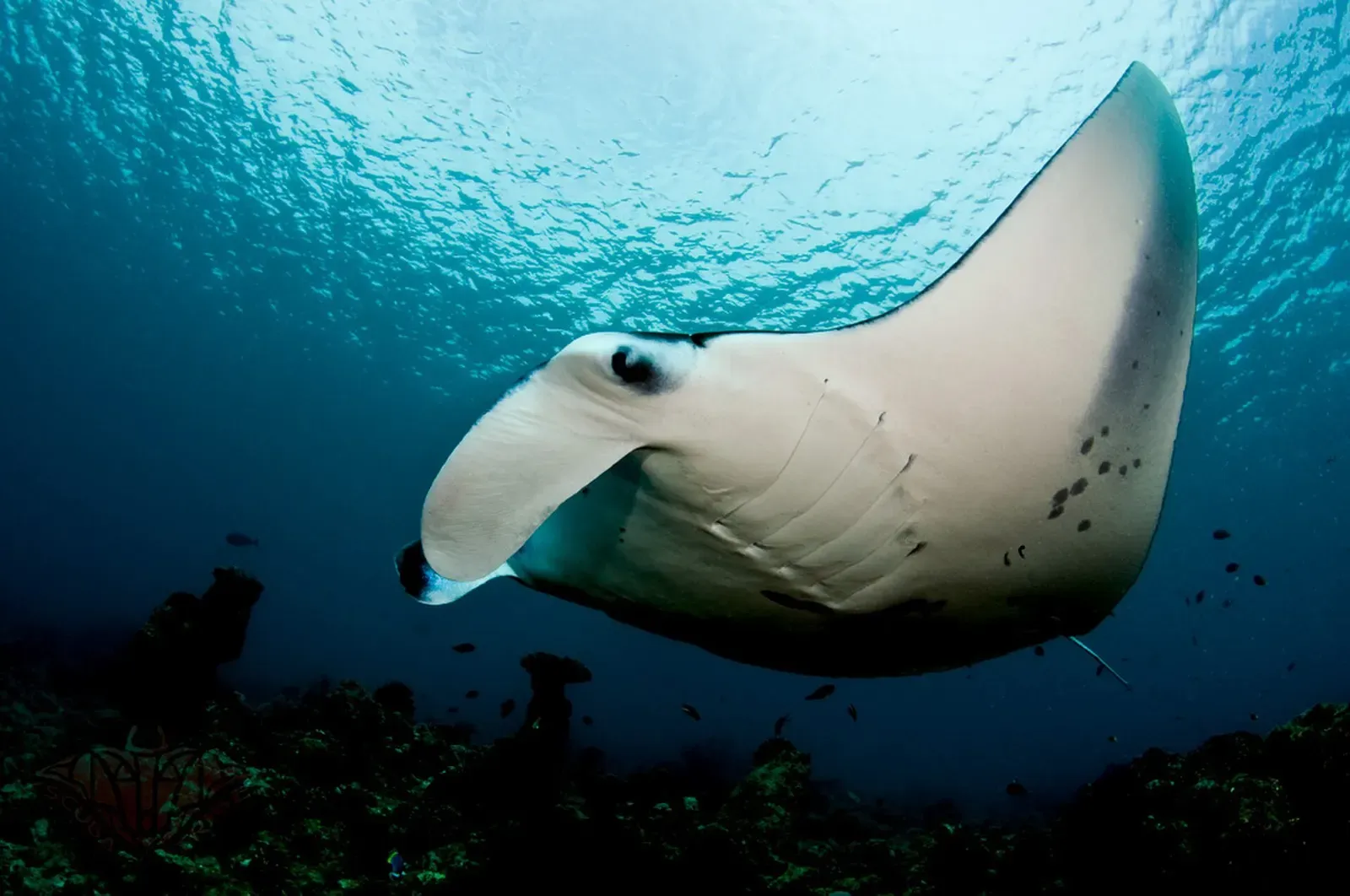
Turtles and whitetips resting under a quiet 10 m pinnacle
Pinnacle
Endemic sponge snail on a protected thila topping out at 7 m
Pinnacle
A 400 m ridge from an 8 m top down to about 35 m
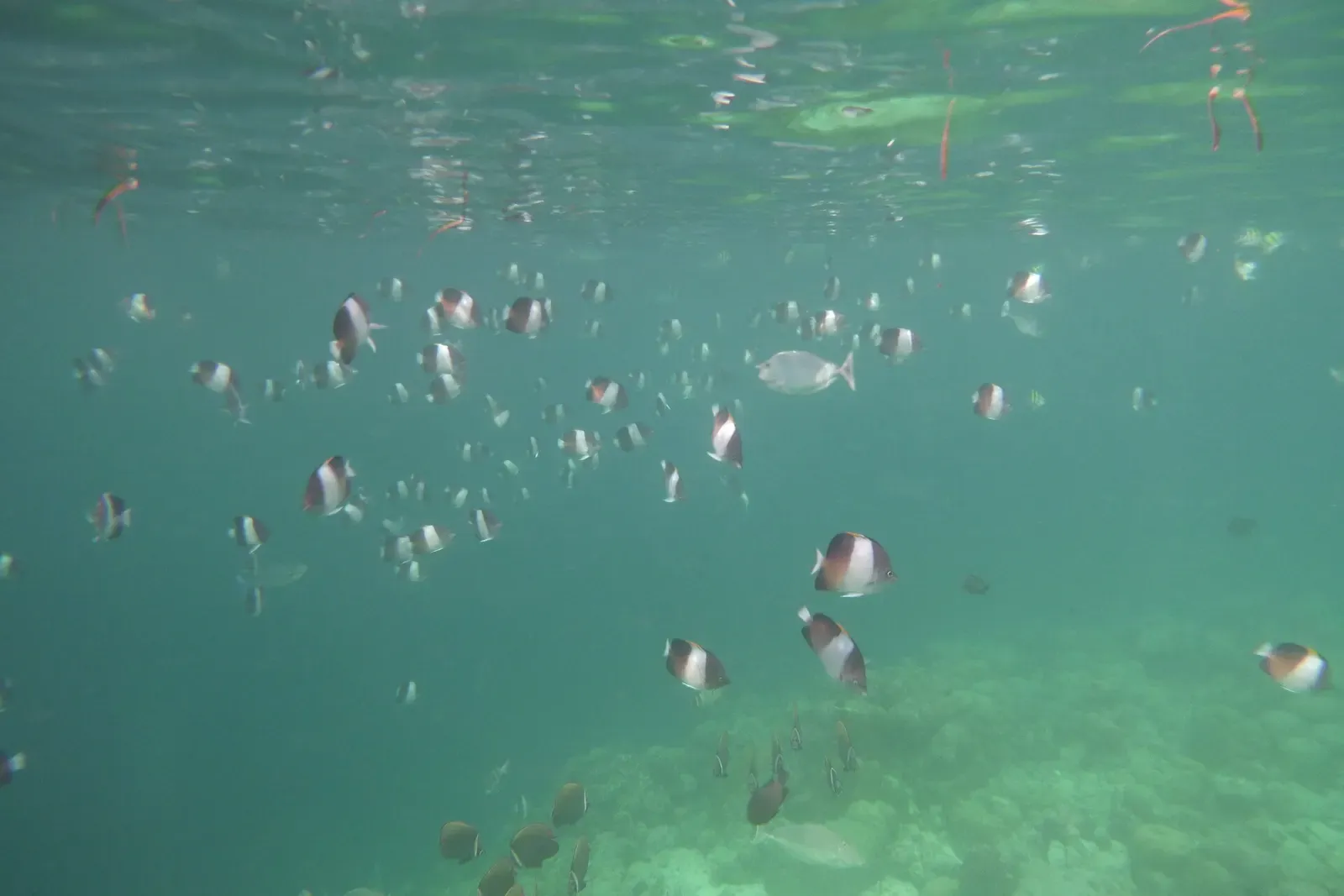
A narrow swim-through and mantas on a current-split point
A shore-entry slope from 3 m down, with 20–25 m visibility
Similar dives elsewhere
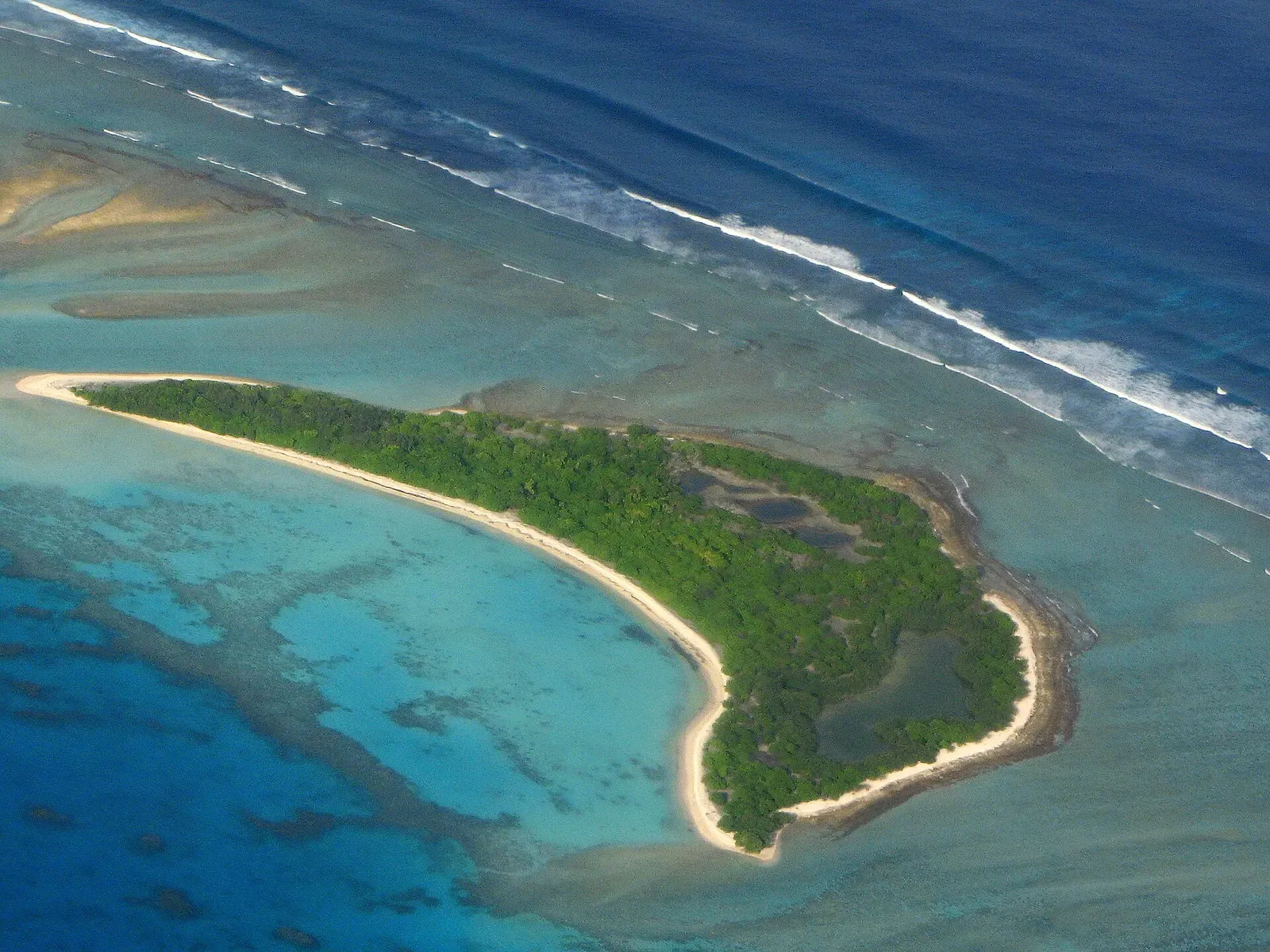
A banana-shaped reef dived from the surface to 30 m
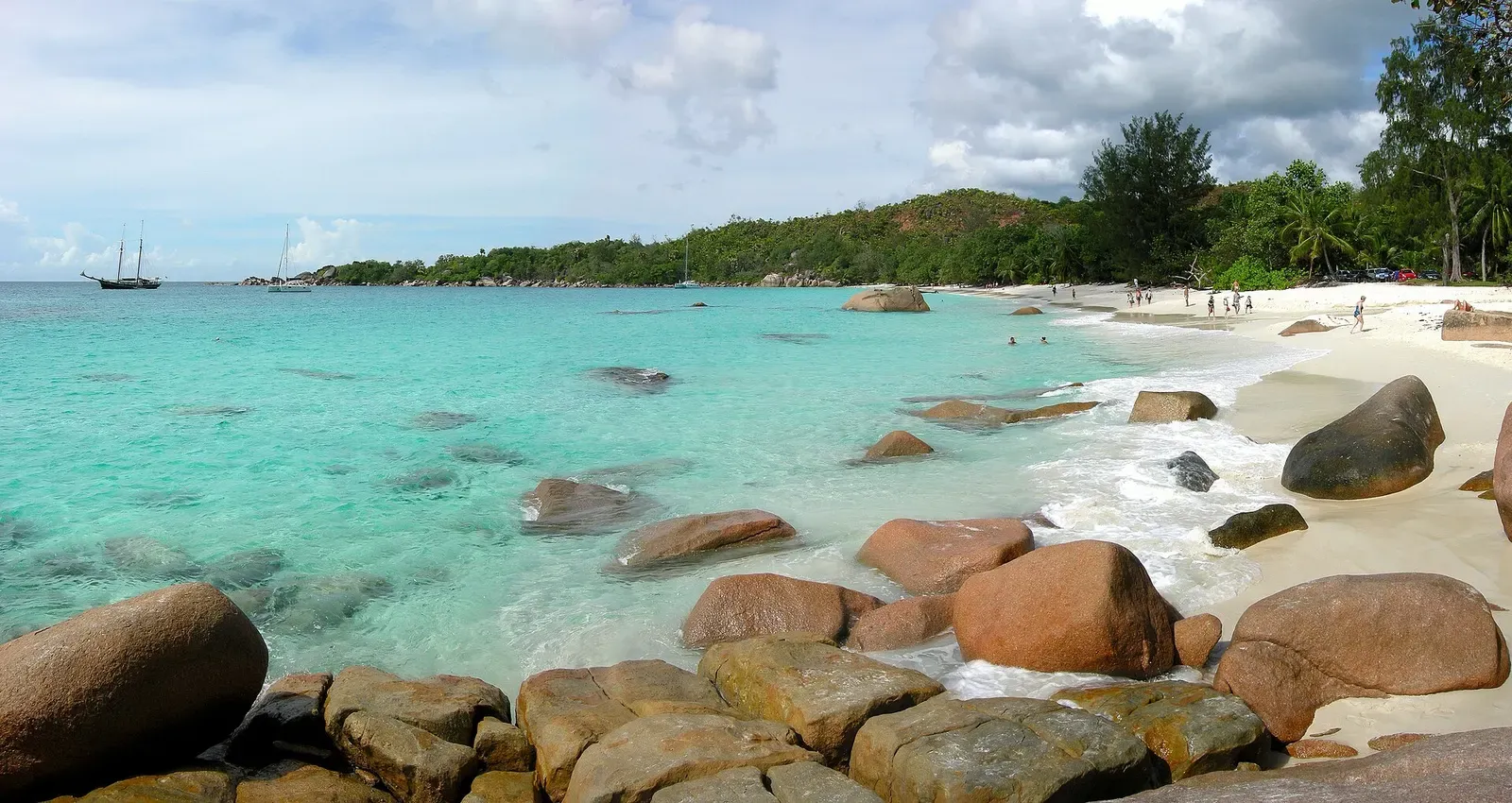
A granite reef whose tallest boulder breaks the surface at low tide
Manta cleaning stations at 10–15 m, with 8–9 mantas at once on a good day


Deep crevices at 16 to 30 m with hammerheads on the drop-off