
Balicasag · Philippines · Wall · Reef · Drift
Rudy's Rock
The outcrop on the drop where the jacks and barracuda gather
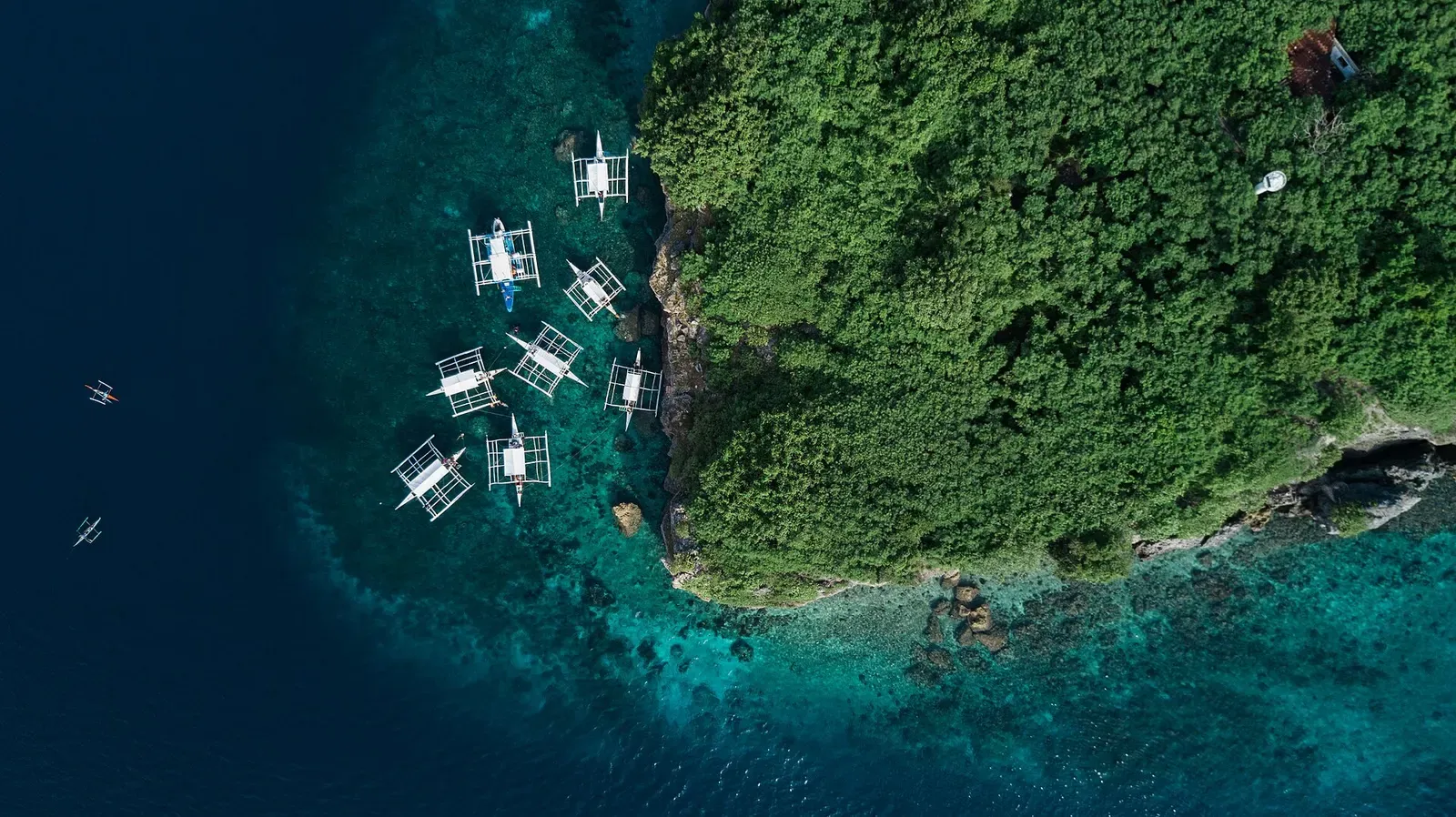
Area photo: Thomas Brown · CC BY 2.0
Rudy's Rock is the wall on Balicasag's southern side, a coral outcrop on the drop-off worked to about 25 to 30 m and usually run as a drift. It is the place divers are most often taken to meet the island's jack and barracuda schools, and the face itself is thick with gorgonians, turtles, frogfish and scorpionfish. Visibility here is typically 12 to 20 m.
Where it is and how deep
9.5126° N, 123.6845° EApproximate position — the dashed circle shows where the site lies; your operator's briefing has the mooring.
The dive
The dive is a wall dive with a landmark. A coral outcrop stands out from the drop-off, and the route runs along the face past it, usually as a drift so the current sets the pace. Visibility is normally 12 to 20 m and the working depth is about 25 to 30, which is enough to see the shape of the wall without spending the dive on the computer. Finish on the reef top and let the safety stop happen over coral.
It is the outcrop that makes the site. The schools that gave Balicasag its reputation — bigeye trevally in a slow-turning column, chevron barracuda in a looser one — hold off it more reliably than anywhere else on the island, and a group can drop onto the rock and simply wait rather than chase. When they are in, the trick is to approach from below and let the column close over you rather than swimming at it.
The wall itself is worth the return leg. Gorgonian fans stand off the face, turtles work the coral, and frogfish and scorpionfish sit still enough on it that most divers swim past them. There is no shortage of nudibranchs in the cracks. Because it is a drift, plan on being picked up wherever you surface rather than returning to the mooring.
Marine life and season
- Trevally & jacks
- Barracuda
- Sea turtles
- Frogfish
- Nudibranchs
- Pristine corals
| Jan | Feb | Mar | Apr | May | Jun | Jul | Aug | Sep | Oct | Nov | Dec |
|---|---|---|---|---|---|---|---|---|---|---|---|
| Prime | Prime | Prime | Prime | Prime | Good | Fair | Fair | Fair | Good | Prime | Prime |
Season follows Balicasag: Nov–Jun gives the calmest crossings; the south-west monsoon and typhoons make Jul–Oct unreliable and can close the exposed sides.
Dive videos
(필리핀 보홀) (#07) 2nd, Day3 - Rudy’s Rock in Balicasag, Bohol, '23.06.06. / -4K- · Diver Shin on YouTube
A crowd of Jack · Allen Chan on YouTube
Questions divers ask
How deep is Rudy's Rock?+
Operators put the working depth at about 25 to 30 m along the wall, with a shallow reef top to finish on. It is normally dived as a drift, so agree a maximum before you get in.
Where do you see the jackfish tornado at Balicasag?+
Rudy's Rock is the site divers are most often taken to for it. The bigeye trevally and chevron barracuda hold off the coral outcrop on the drop-off, and the usual approach is to settle near the rock and let them come rather than swim at them.
Sources
- Dive Sites & Map Of Bohol — Sierra Madre Divers
- Dive sites of Panglao, Alona beach, Balicasag, Pamilacan, Cabilao — Tropical Divers Alona
- Your Guide to Diving in Bohol — Dive The World
- Rudys Rock — Scubago
More dive sites in Balicasag
The protected shallows where Balicasag's turtles are thickest
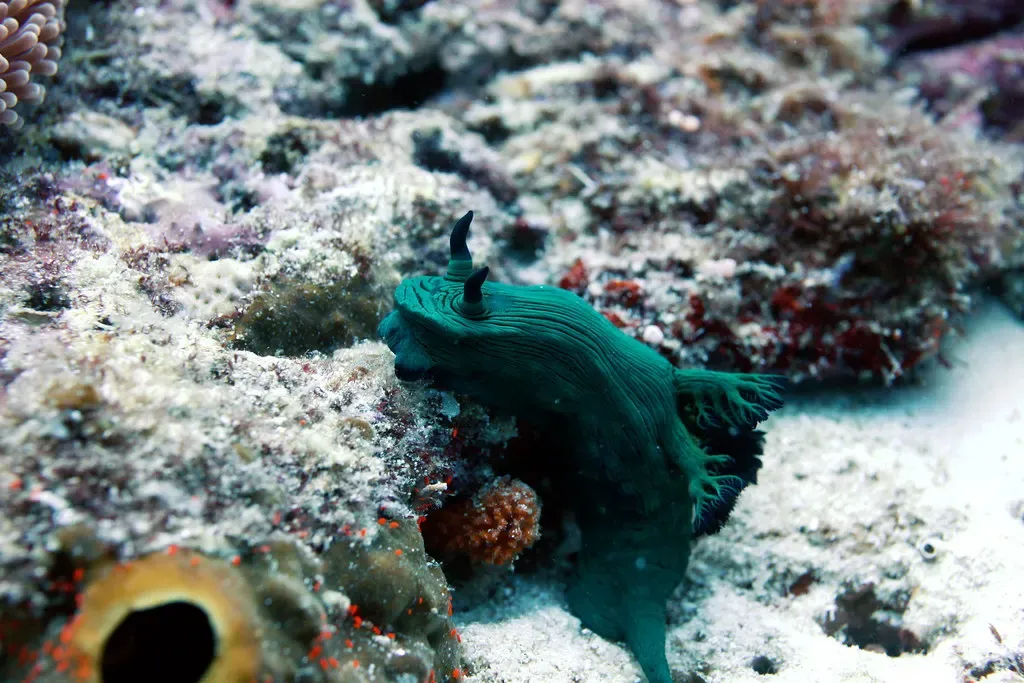
Black coral on the deeper reef, dived as a drift
Wall
Shafts of light in a cracked cavern on the north wall
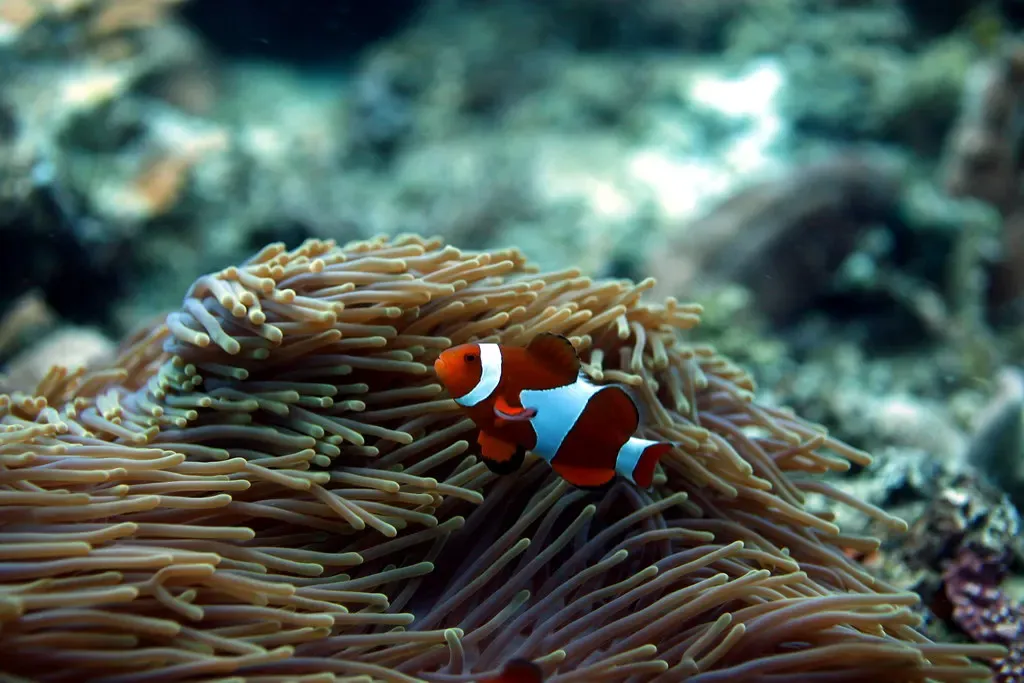
Gorgonians, overhangs, and turtles of both local species
Coral garden
A coral plateau at 18 m, swarmed by fish and turtles
Similar dives elsewhere
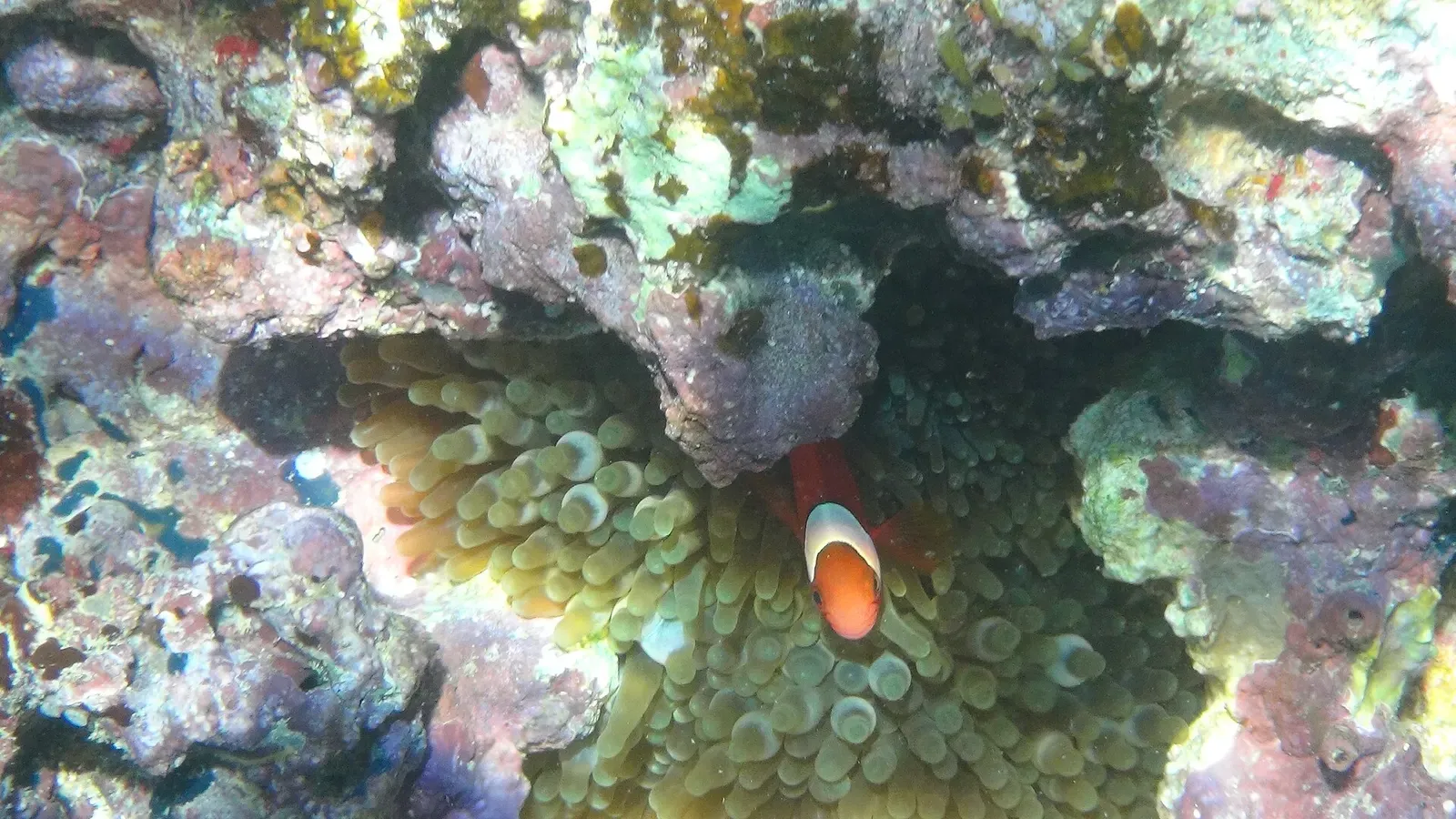
The corner where Cabilao's sharks are seen, wall to plateau to wall
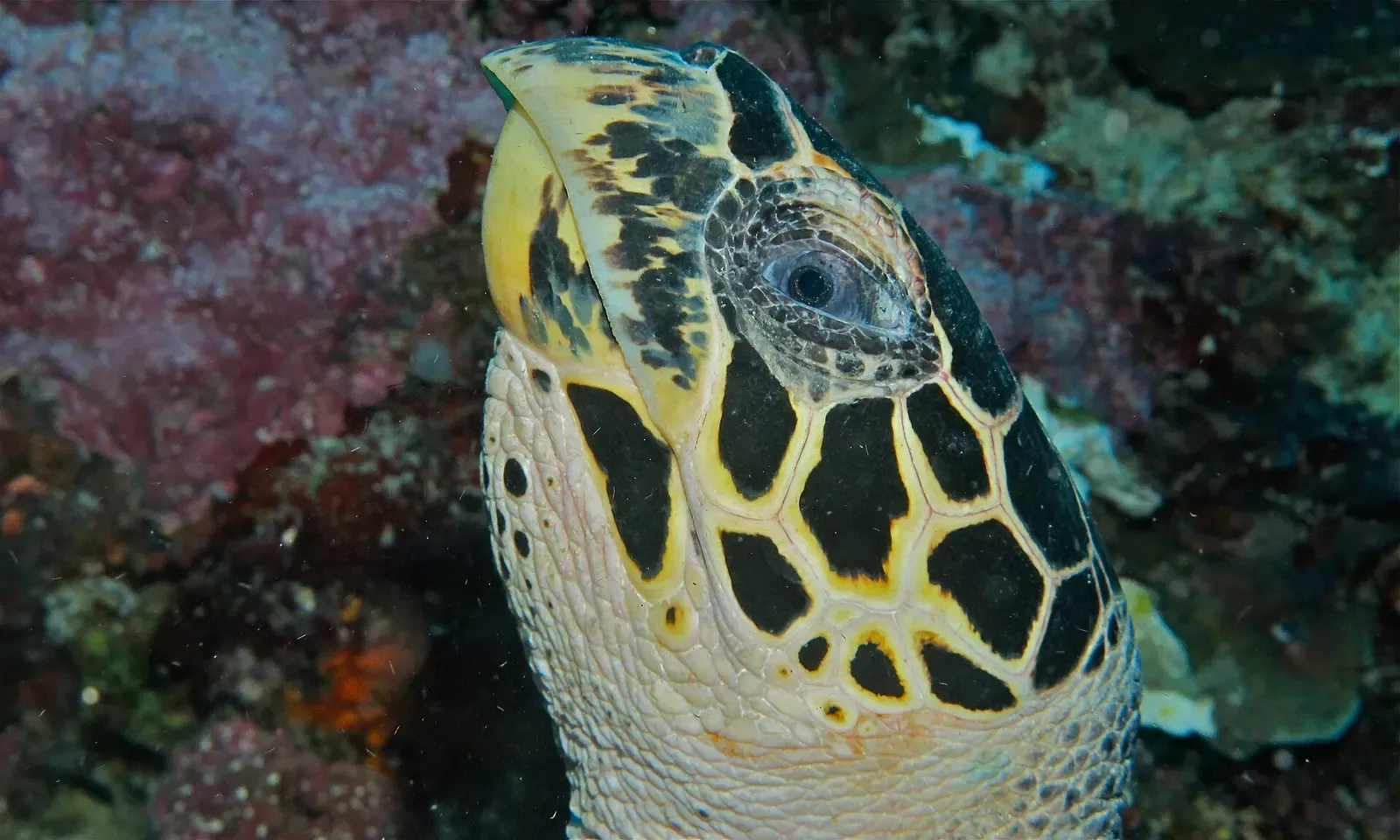
Whip corals along a drifted wall, with bumpheads passing

An open-top cave in the northwest wall of a limestone island
Hundreds of batfish and jacks holding in the current