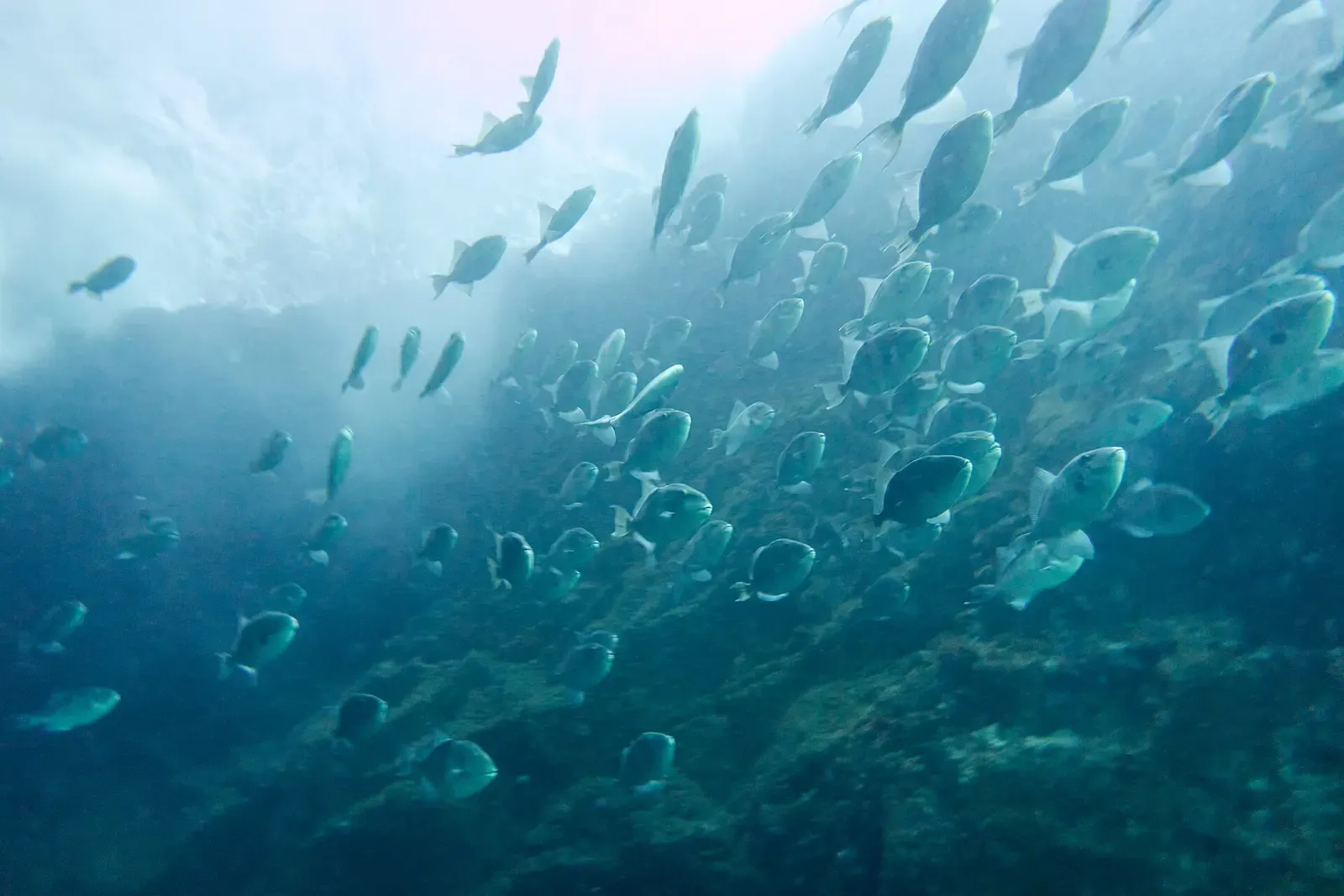
Berlengas & Peniche · Portugal · Wreck
Rio Grande Wreck
A 1947 coal steamer, largely intact from 15 m to 30
Area photo: Tiago Thedim · CC BY-SA 4.0
The SS Riogrande was a Panamanian steamboat transporting coal from Gdansk to Spezia when she stranded on the Burlings in fog in 1947, broke in two and sank the next day. This relatively recent wreck remains largely intact, lying between 15 and 30 metres. It is categorised as a high-seas site, so the sea state decides whether the boat goes.
Also known as SS Riogrande.
Where it is and how deep
No published position for this site — the map shows Berlengas & Peniche and its other sites; operators know the mooring.
The dive
The profile runs from around 15 metres, which is the average depth here, down to 30 at the deepest, so the dive is planned around how much time you want at the deep end of the structure. Because the wreck remains largely intact, the route is a lap of a recognisable ship rather than a search across scattered debris, and it is easier to hold a line along the hull than to wander off it.
The site category is High Seas, and that is the practical fact of the dive: it is exposed, the sea state decides whether the boat goes out at all, and the surface interval happens in open water rather than in the lee of a rock. The water sits between 18 and 22 degrees, warmer than most of the archipelago, but the exposure means a marker buoy and a plan for a drifting pickup matter more than the thermal side.
The wreck
- Vessel
- SS Riogrande
- Type
- Panamanian steamboat
- Sunk
- 1947
- Cause
- Stranded on the Burlings in fog, broke in two and sank the next day
- Lies
- Relatively recent and largely intact, between 15 and 30 m
The SS Riogrande, a Panamanian steamboat, was transporting coal from Gdansk to Spezia when she met her fate in 1947. She stranded on the Burlings, the English name for the Berlengas, in fog off the coast of Portugal, broke in two, and sank the next day. She is a relatively recent wreck by the standards of this archipelago, and enough of her survived the break-up to stay largely intact on the bottom.
Marine life and season
The sources we used don't single out particular species here.
| Jan | Feb | Mar | Apr | May | Jun | Jul | Aug | Sep | Oct | Nov | Dec |
|---|---|---|---|---|---|---|---|---|---|---|---|
| Off-season | Off-season | Fair | Fair | Good | Prime | Prime | Prime | Prime | Good | Fair | Off-season |
Season follows Berlengas & Peniche: June to October is the high season; from December to February the Atlantic swell allows diving only on occasional calm days.
Know before you go
- It is categorised as a high-seas site with no shelter for the pickup, so carry a surface marker and expect the trip to be called off when there is swell.
Questions divers ask
How deep is the Rio Grande wreck?+
The wreck lies between 15 and 30 metres, with the average depth at the shallow end of that range. The depth and the exposed, high-seas position together make it an Advanced-level dive.
Sources
- Rio Grande Wreck dive site — Portugal Dive
More dive sites in Berlengas & Peniche
Canyons and underwater arches beside a dog-shaped rock
Reef
A platform at 25 m on the north side before the drop to 40 m
Cave & cavern
The archipelago's simplest dive, 6 m average in a sheltered bay
Cave & cavern
Two caves and a wall, with fresh water on the ceiling
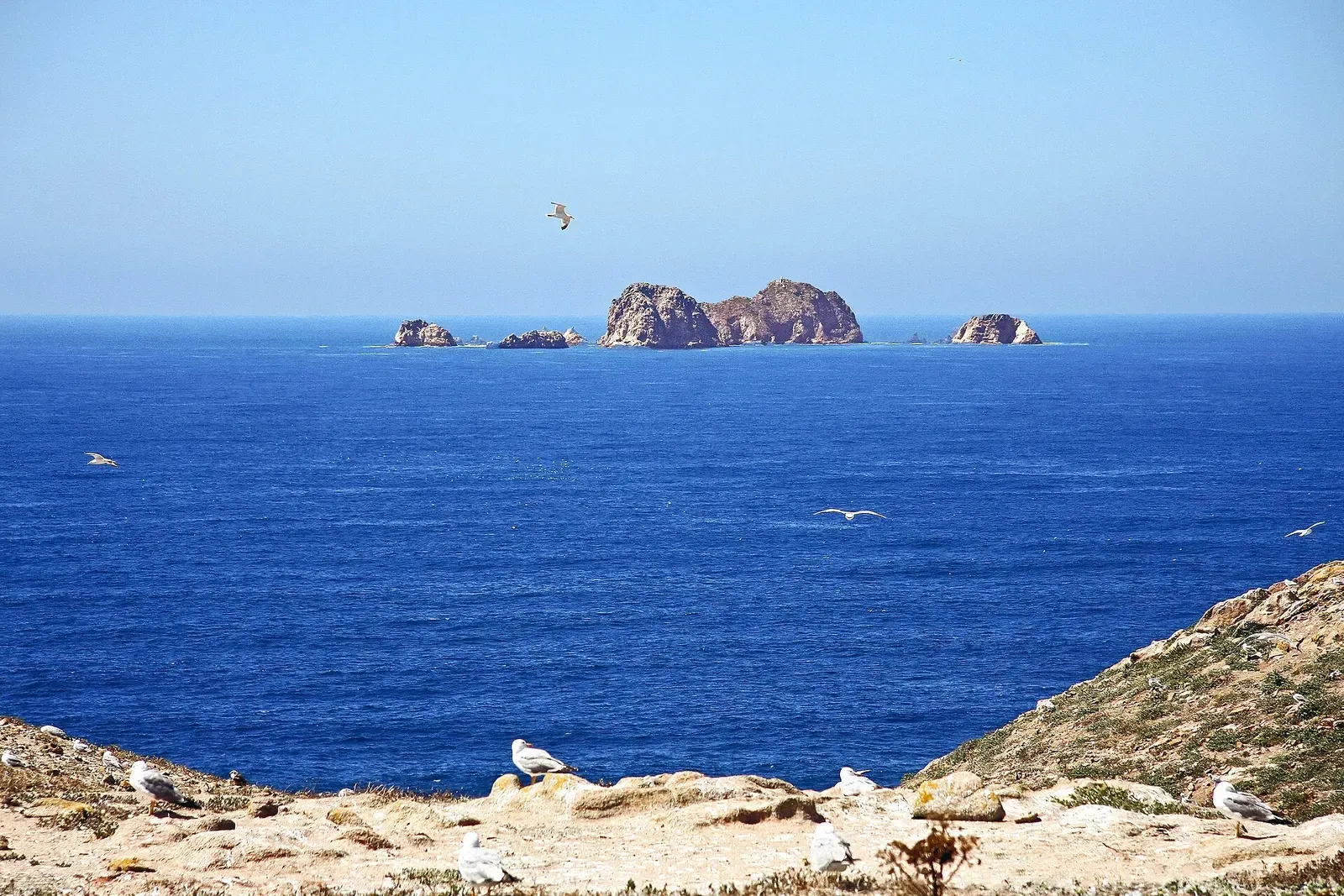
Wall of blue and purple gorgonians to 32 m on the outer islets
Reef
Sand, a small cavern and a broken wreck, all inside 15 m
Wreck
Boilers of a 1931 French steamer at 22 m
Wreck
The 1930 Nelson Line liner lost on Farilhão Grande
Similar dives elsewhere
Wreck
Castel-Meur wreck
Crozon Peninsula & the Iroise Marine Park · France
A huge school of pouting wraps the hull, with bass, pollack and John Dory
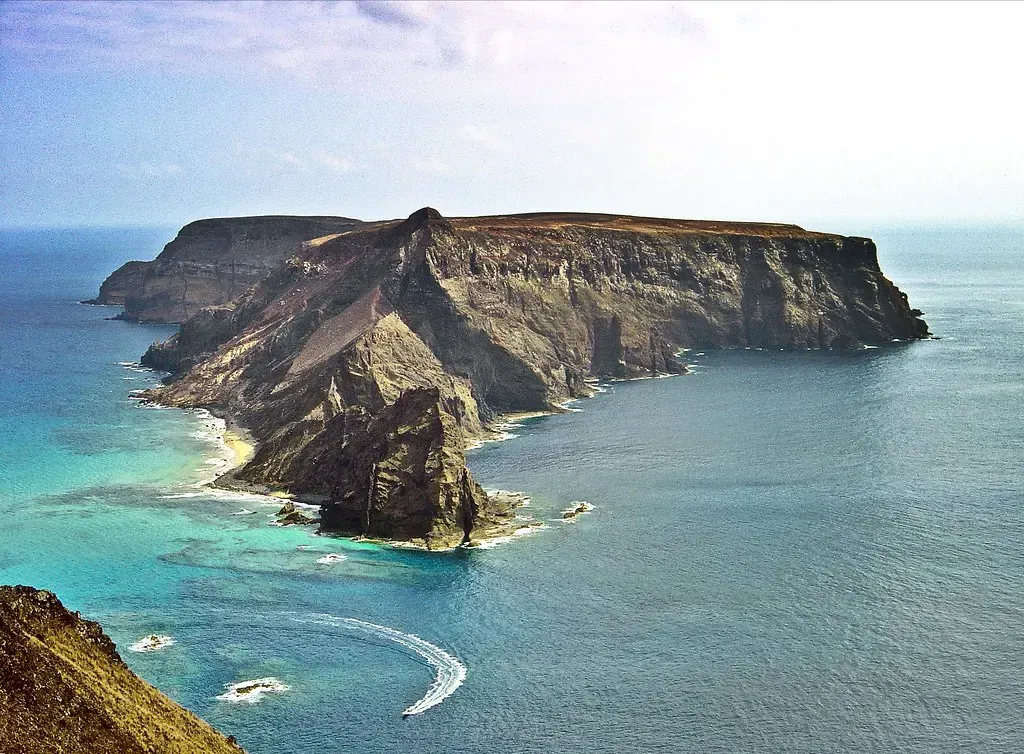
A Navy corvette sunk in 2016, top at 15 m, bottom at 30 m
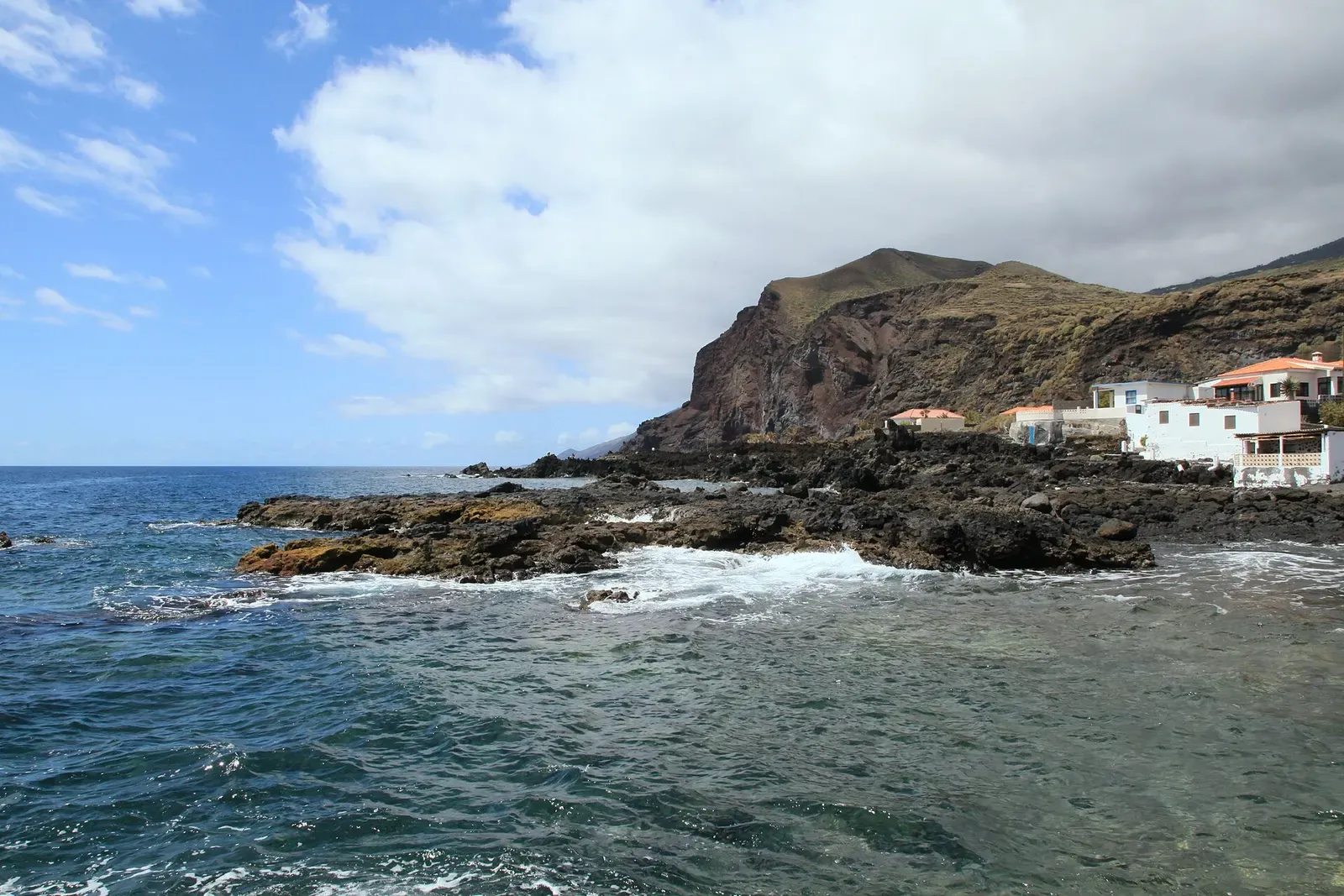
A Cessna wing at nearly 30 m, colonised as a miniature reef

A steamer on its side under gorgonian growth, at 18–31 m