
Bonaire · Caribbean Netherlands · Wall · Reef
Carl’s Hill
Elkhorn and pillar coral on a bank above a deep reef drop
Area photo: Michal Strzelecki, Wojtek Strzelecki & Jerzy Strzelecki · CC BY 3.0
Carl’s Hill is a boat dive where a shallow bank of elkhorn and pillar coral gives way to a reef that drops from 9 m to 40 m. Divers come for the coral on the bank, the parrotfish and French angelfish living there, and the chance of a seahorse.
Also known as Carl's Hill.
Where it is and how deep
12.1652° N, 68.3232° WApproximate position — the dashed circle shows where the site lies; your operator's briefing has the mooring.
The dive
The dive starts on a shallow bank covered with elkhorn coral and pillar coral, home to parrotfish, sergeant majors and French angelfish. From 9 m the reef descends to 40 m, where it ends in a sandy floor that slopes gradually downwards. Seahorses are sometimes sighted here.
Marine life and season
- Macro critters
| Jan | Feb | Mar | Apr | May | Jun | Jul | Aug | Sep | Oct | Nov | Dec |
|---|---|---|---|---|---|---|---|---|---|---|---|
| Good | Good | Good | Good | Good | Good | Good | Good | Good | Good | Good | Good |
Season follows Bonaire: The sea stays diveable all year; the water is at its coolest in late December and January.
Dive videos
Diving Carl's Hill - Klein Bonaire - Sailing & Diving with Life at 8 Knots - Bonaire · Life at 8 Knots on YouTube
Sources
- Carl’s Hill dive site — PADI
- Carl’s Hill — ScubaGo
More dive sites in Bonaire
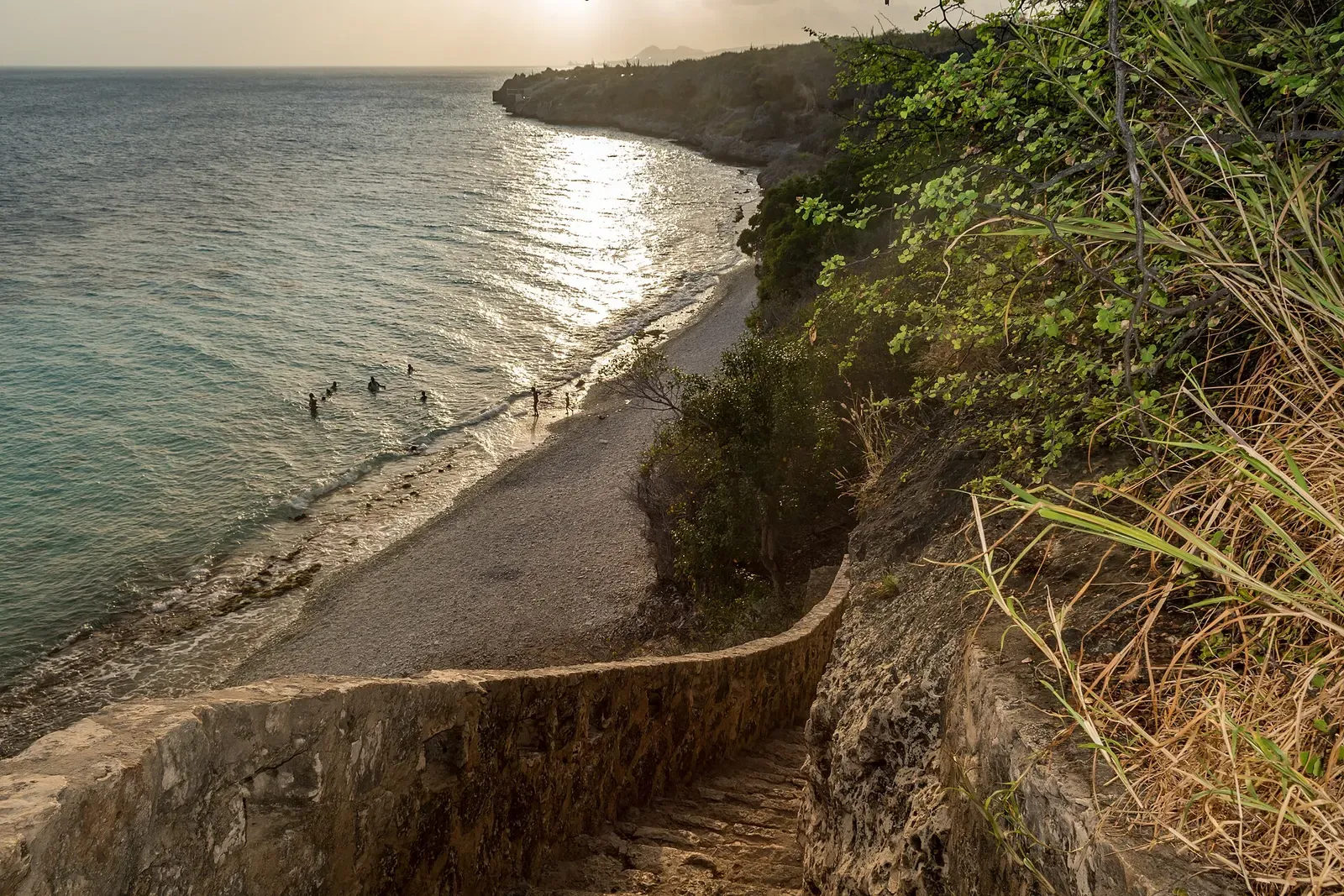
A staircase entry onto a reef that tips over at 9 metres
A shore dive across Bonaire's double reef system
Reef
Plate coral on a shallow slope you can walk into
Reef
A big, quiet shore reef with parking right by the entry
Reef
Two parallel reefs reached from one beach entry
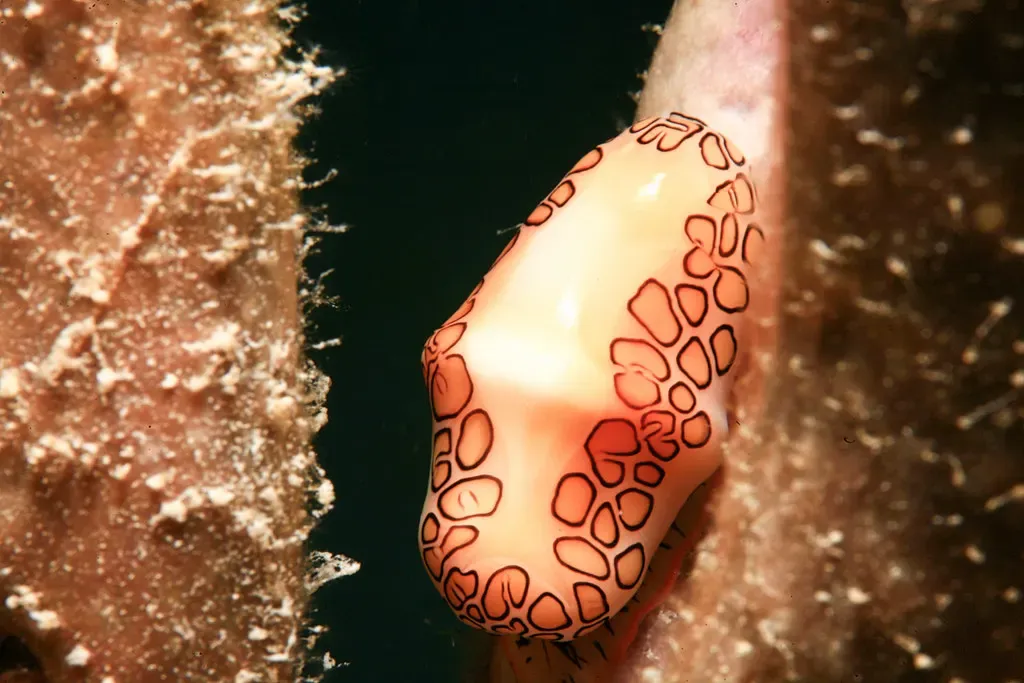
Easy shore entry onto a sloping reef often dived at night
Reef
Over 300 fish species recorded, the most in the Caribbean
Reef
Black coral colonies and a cave at 23 metres
Similar dives elsewhere

Near-vertical face of tube sponges, sea fans and black coral
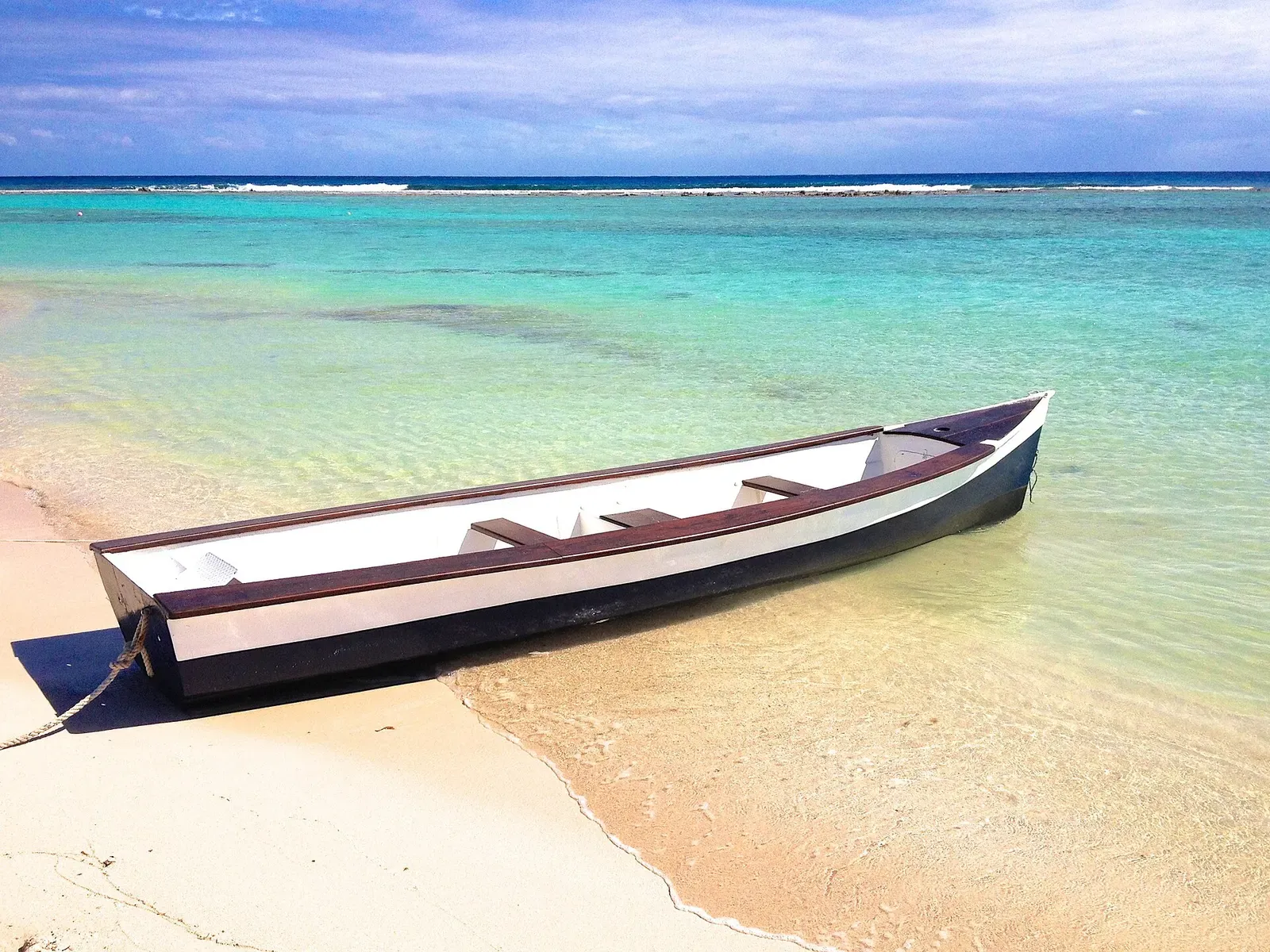
Canyons through the reef, five minutes from the fishermen's dock
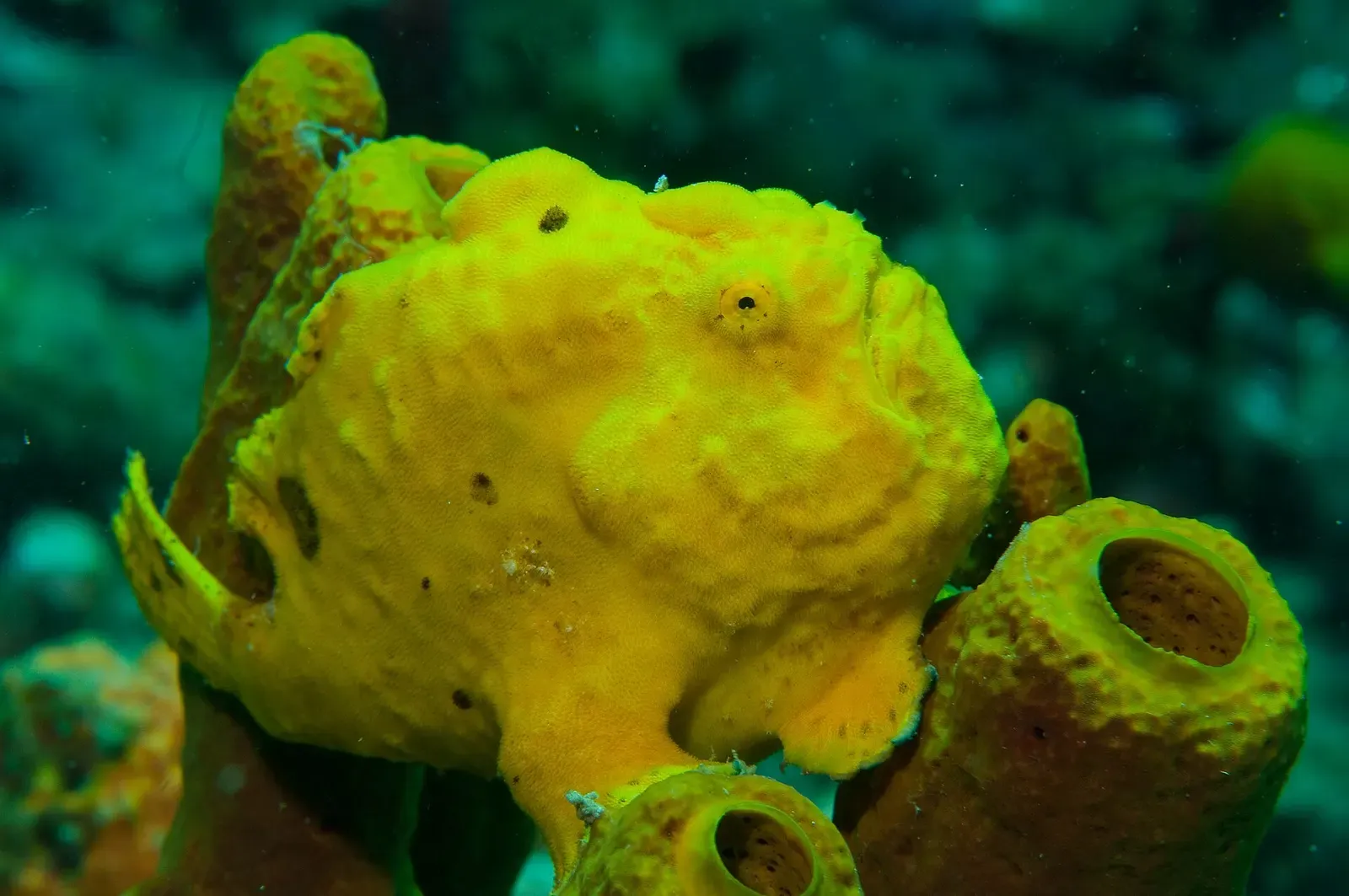
An 18th-century anchor buried in the reef that gives the site its name

.jpg)
Rare black coral among sea fans and bottlebrush corals