
Caribbean · Caribbean Netherlands
Bonaire
Self-guided shore diving along a calm, protected west coast
Photo: Michal Strzelecki, Wojtek Strzelecki & Jerzy Strzelecki · CC BY 3.0
Bonaire is a Caribbean island ringed by a protected marine park, and most of its diving happens straight off the west coast: divers load a truck with tanks, drive to a site and dive from the shore. Salt Pier, 1000 Steps and the wreck of the Hilma Hooker are all shore dives, while boats run to the moored sites off the small uninhabited island of Klein Bonaire.
About diving in Bonaire
Shore diving is the main event. Divers rent a truck, fill their tanks, load the gear and drive to a site, then start diving. The west side of the island teems with sites that are easy to reach from the shore. The sites around Klein Bonaire, the small uninhabited island offshore, are moored and dived from boats only, because the reef along its shoreline is too shallow and fragile for shore diving. Dive operators also run boats to many other sites.
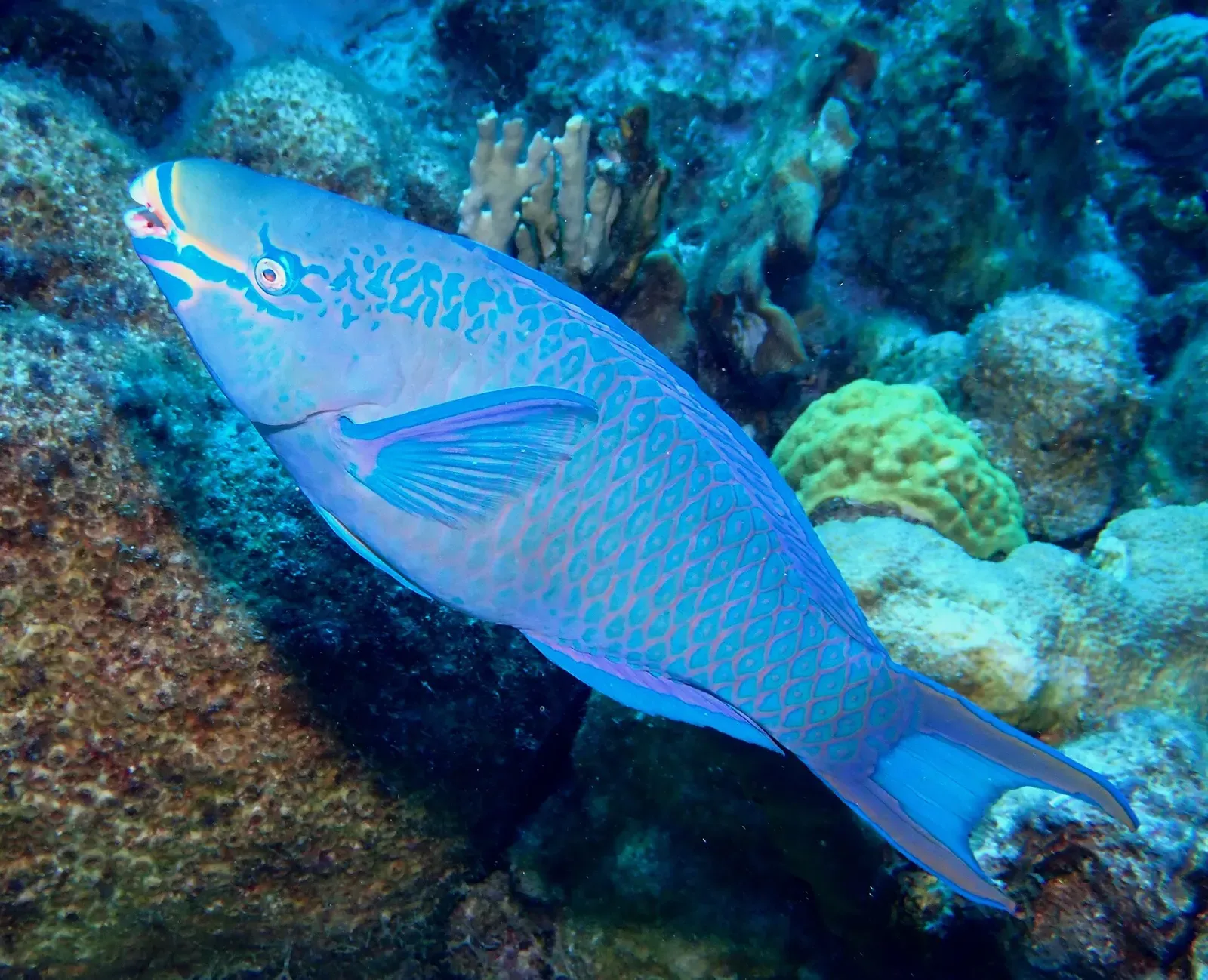
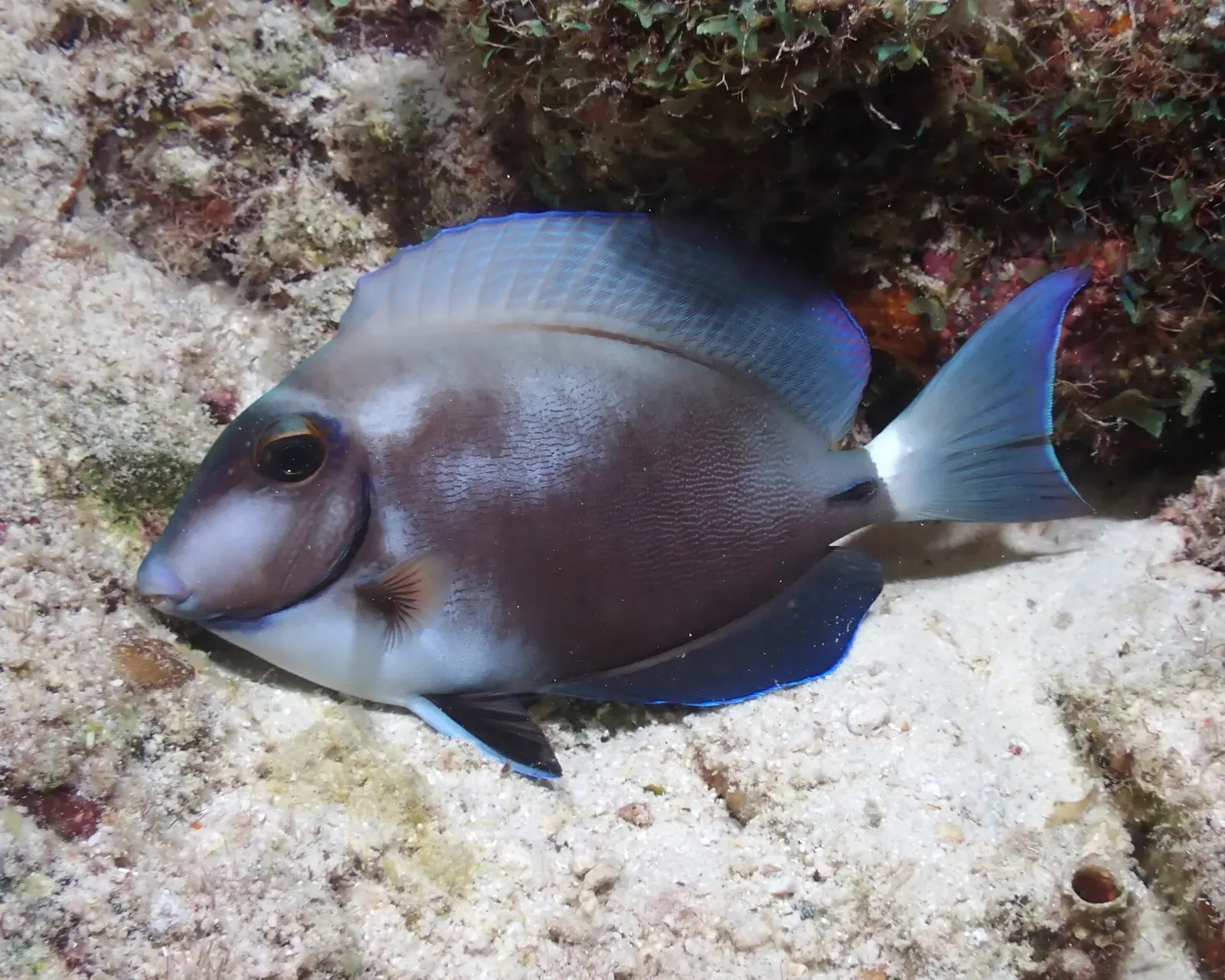
Bonaire is surrounded by fringing reefs of about 60 coral species, among them brain corals, elkhorn, fire corals and gorgonians. The reef is fairly shallow, starting around 10 m (30 ft) and dropping to 40 m (130 ft). Surgeonfish, parrotfish, reefperch and wrasses are among the most common fish, and shrimp and squid live on the reefs. The island's arid climate brings little rainfall, so the water stays exceptionally clear of silt and calm.
Much of the diving is easy, so the island suits beginners as well as experienced divers who want relaxed, independent diving. Diving from shore without a guide still takes experience and a buddy, and a divemaster can be hired to come along for newer divers or harder dives. The west-coast sites typically have no current, while the sites to the south of the island have some. Diving is currently prohibited at the sites off Washington Slagbaai National Park because of stony coral tissue loss disease, and sites can close without warning.
Best time to dive Bonaire
| Jan | Feb | Mar | Apr | May | Jun | Jul | Aug | Sep | Oct | Nov | Dec | |
|---|---|---|---|---|---|---|---|---|---|---|---|---|
| Season | Good | Good | Good | Good | Good | Good | Good | Good | Good | Good | Good | Good |
| Sea surface | 27°C81°F | 27°C81°F | 27°C81°F | 27°C81°F | 27°C81°F | 28°C82°F | 28°C82°F | 29°C84°F | 29°C84°F | 29°C84°F | 29°C84°F | 28°C82°F |
| Daytime high | 28°C82°F | 27°C81°F | 28°C82°F | 28°C82°F | 28°C82°F | 29°C84°F | 29°C84°F | 30°C86°F | 30°C86°F | 30°C86°F | 29°C84°F | 29°C84°F |
| Rain | 31 mm1.2 in | 17 mm0.7 in | 10 mm0.4 in | 7 mm0.3 in | 16 mm0.6 in | 18 mm0.7 in | 23 mm0.9 in | 29 mm1.1 in | 36 mm1.4 in | 64 mm2.5 in | 90 mm3.5 in | 50 mm2.0 in |
| Jan | Feb | Mar | Apr | May | Jun |
|---|---|---|---|---|---|
| Good | Good | Good | Good | Good | Good |
| Sea surface | |||||
| 27°C81°F | 27°C81°F | 27°C81°F | 27°C81°F | 27°C81°F | 28°C82°F |
| Daytime high | |||||
| 28°C82°F | 27°C81°F | 28°C82°F | 28°C82°F | 28°C82°F | 29°C84°F |
| Rain | |||||
| 31 mm1.2 in | 17 mm0.7 in | 10 mm0.4 in | 7 mm0.3 in | 16 mm0.6 in | 18 mm0.7 in |
| Jul | Aug | Sep | Oct | Nov | Dec |
|---|---|---|---|---|---|
| Good | Good | Good | Good | Good | Good |
| Sea surface | |||||
| 28°C82°F | 29°C84°F | 29°C84°F | 29°C84°F | 29°C84°F | 28°C82°F |
| Daytime high | |||||
| 29°C84°F | 30°C86°F | 30°C86°F | 30°C86°F | 29°C84°F | 29°C84°F |
| Rain | |||||
| 23 mm0.9 in | 29 mm1.1 in | 36 mm1.4 in | 64 mm2.5 in | 90 mm3.5 in | 50 mm2.0 in |
2011–2025 averages. Sea surface: NOAA Coral Reef Watch, measured at the surface, so deeper water can run colder. Daytime high and rain: NASA POWER.
The sea stays diveable all year; the water is at its coolest in late December and January.
Best months: January, February, March, April, May, June, July, August, September, October, November, December
Bonaire water temperature and weather by month
The sea surface stays between 27 and 29 °C (81–84 °F) all year. Most rain falls from September to December, peaking at about 90 mm (3.5 in) in November; it stays largely dry from February to June. Daytime highs sit around 29 °C (84 °F) all year. The coldest water here is about 26 °C (79 °F), so pack a 3 mm full suit.
Dive types & marine life
Green turtles live on Bonaire's reefs year round. Divers tend to find frogfish and seahorses on the reefs, and seahorses have been found at both Andrea sites. Stingrays are sighted at Pink Beach, and octopuses come out to hunt at night.
- Reef
- Coral garden
- Wreck
- Night
- Sea turtles
- Frogfish
- Macro critters
- Octopus & cuttlefish
- Stingrays
- Trevally & jacks
Best dive sites in Bonaire
- 1
1000 Steps
Shore dive down 72 steps onto a reef that drops off at around 9 m and runs on as a grooved wall to 40 m.
- 2
Salt Pier
Pier pillars fully encrusted with sponges and corals, an easy entry and good for photography.
- 3
Hilma Hooker
The island's internationally known wreck, lying near the start of the double reef system.
- 4
Karpata
Shore dive from a staircase to steep coral buttresses, sand channels to 45 m and massive elkhorn coral.
- 5
Bari's Reef
Reef with over 300 fish species sighted and surveyed, ranked first in the Caribbean for fish diversity.
- 6
Forest
Gorgonians in the shallows giving way to large colonies of fern-like black coral deeper down.
- 7
Red Slave
Shore dive beside the second set of slave huts, with strong currents, horse-eye jacks and turtles.
- 8
White Hole
East-coast dive off Lac Bay with tarpon, turtles, rays and the occasional shark.
Site guides
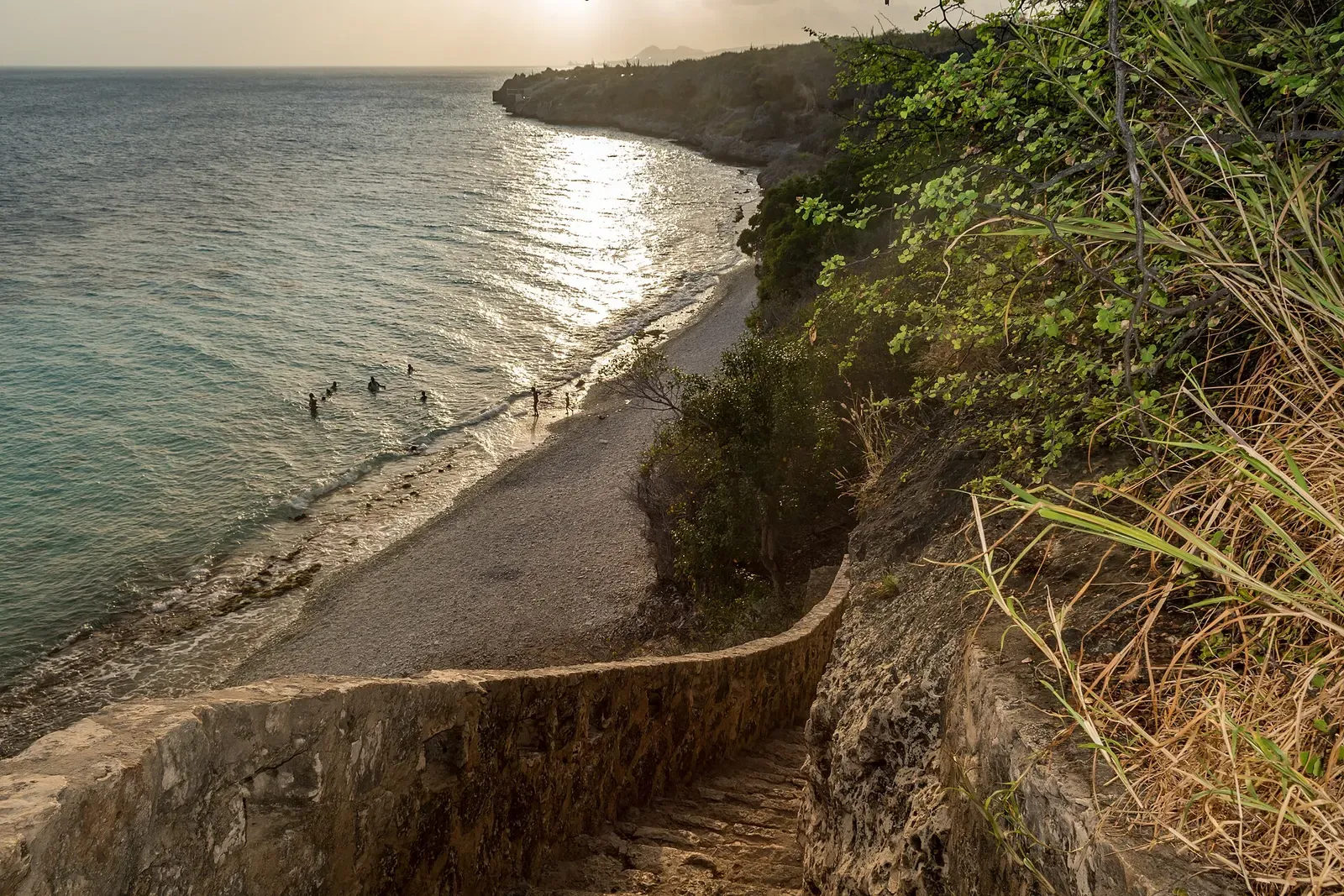
A staircase entry onto a reef that tips over at 9 metres
A shore dive across Bonaire's double reef system
Reef
Plate coral on a shallow slope you can walk into
Reef
A big, quiet shore reef with parking right by the entry
Reef
Two parallel reefs reached from one beach entry
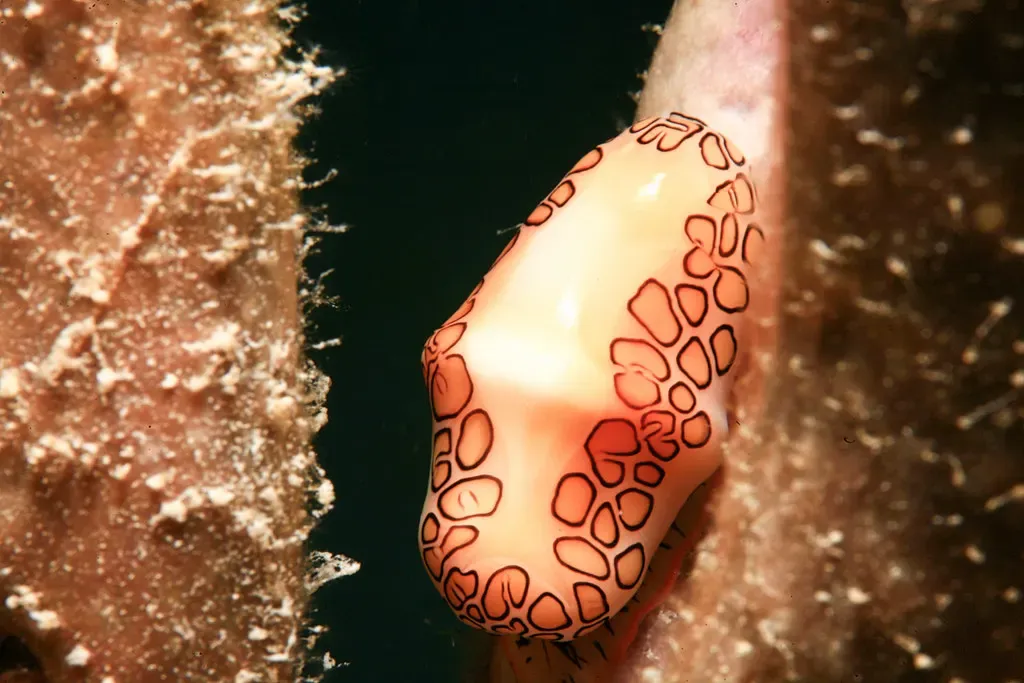
Easy shore entry onto a sloping reef often dived at night
Reef
Over 300 fish species recorded, the most in the Caribbean
Wall
Elkhorn and pillar coral on a bank above a deep reef drop
Reef
Black coral colonies and a cave at 23 metres
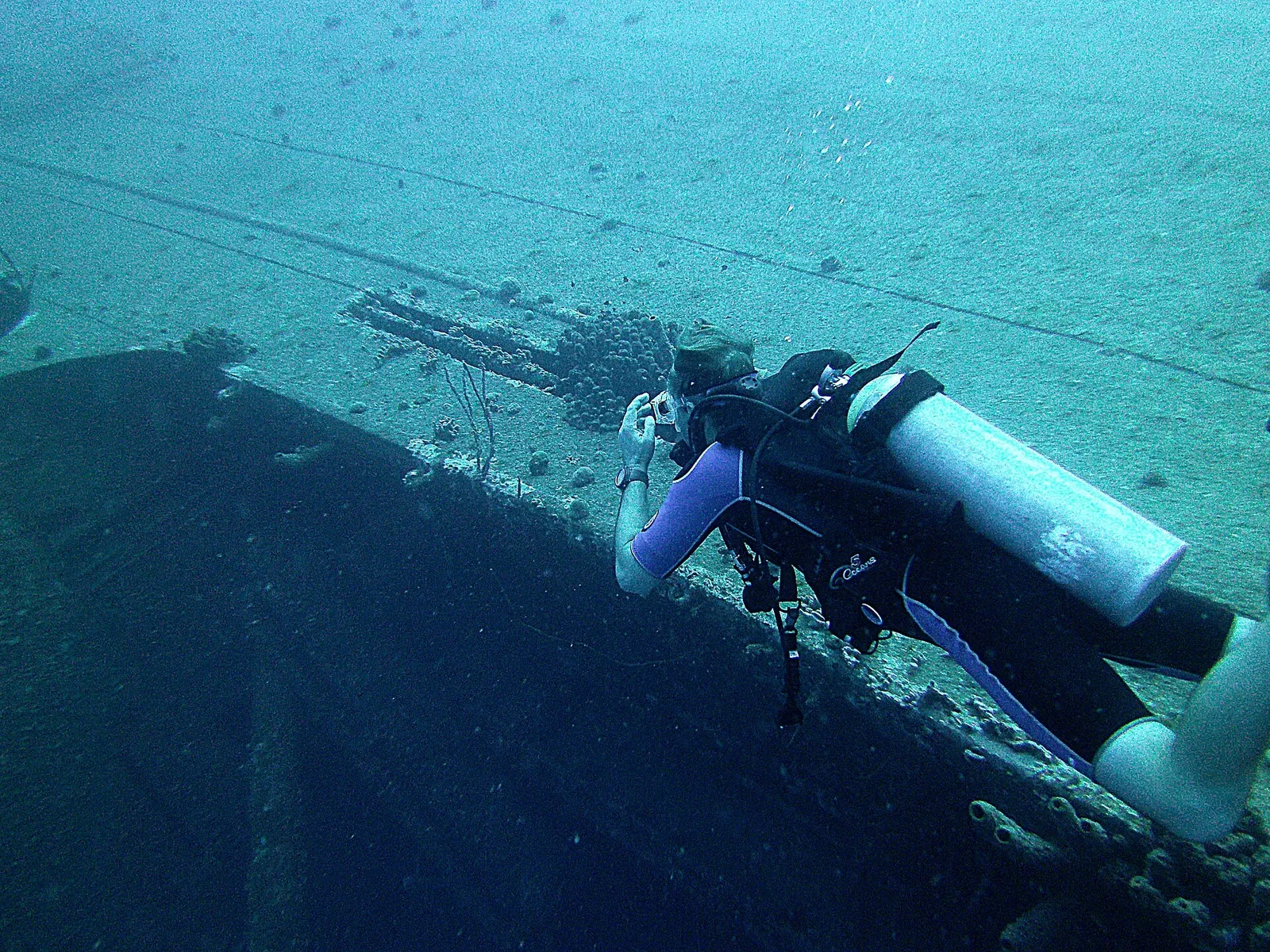
A freighter on her side at 30 metres, reached from the road
Reef
A sand flat between two reefs leading down to the wall
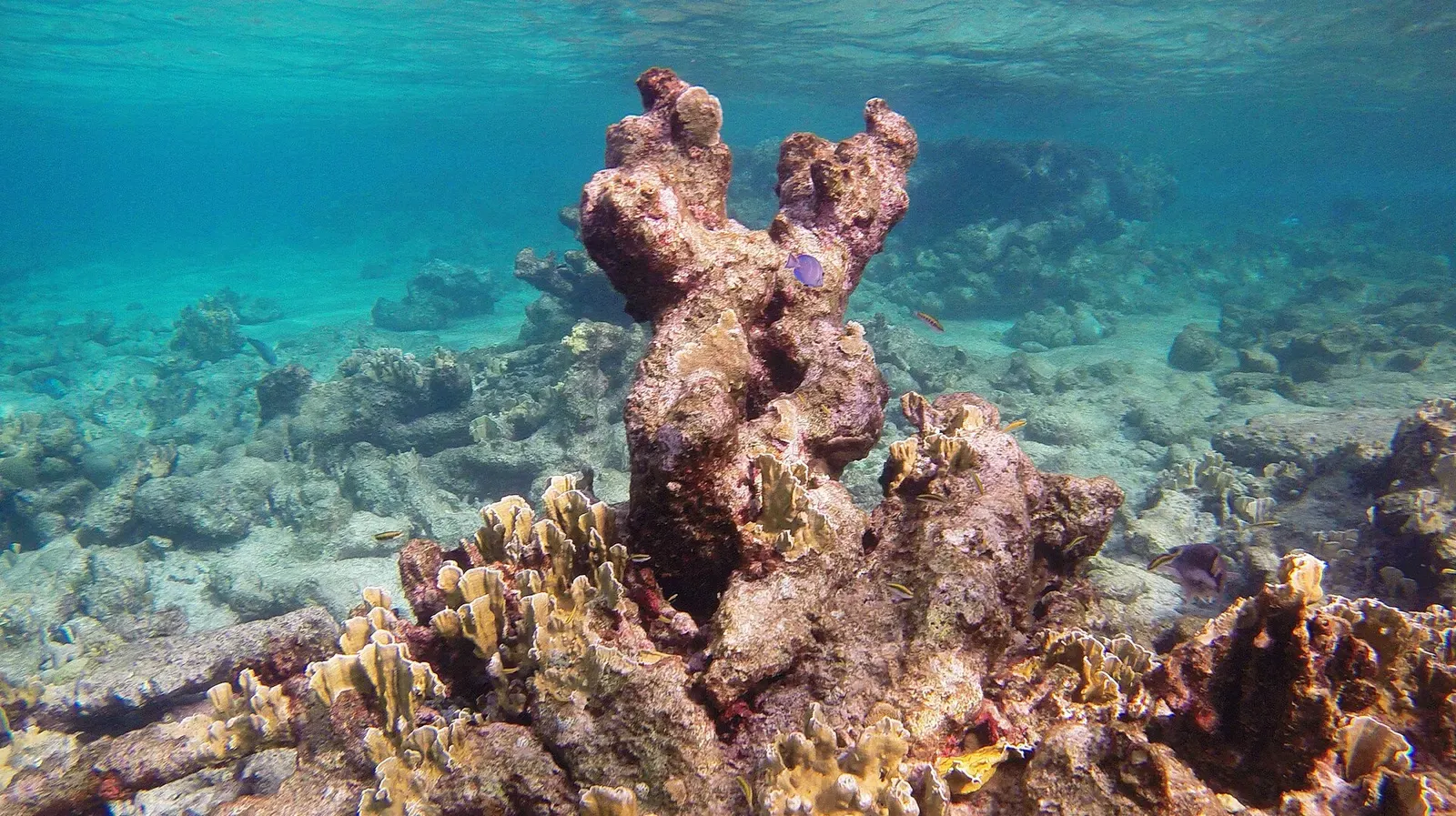
Steep coral buttresses and sand channels to 45 metres
A good chance of a seahorse under the divi tree
Reef
A gentle terrace of coral and sand at Klein Bonaire's west end
Reef
Jawfish and blennies in the rubble off Klein Bonaire
Reef
Some of the healthiest coral on Bonaire, at the far northwest
Schools of barracuda at a site once meant for an oil terminal
Reef
Whale sharks have passed this coral-beach reef on occasion
Reef
A national park beach with plantation ruins and jacks offshore
Reef
Bonaire's demanding southern site, current and all
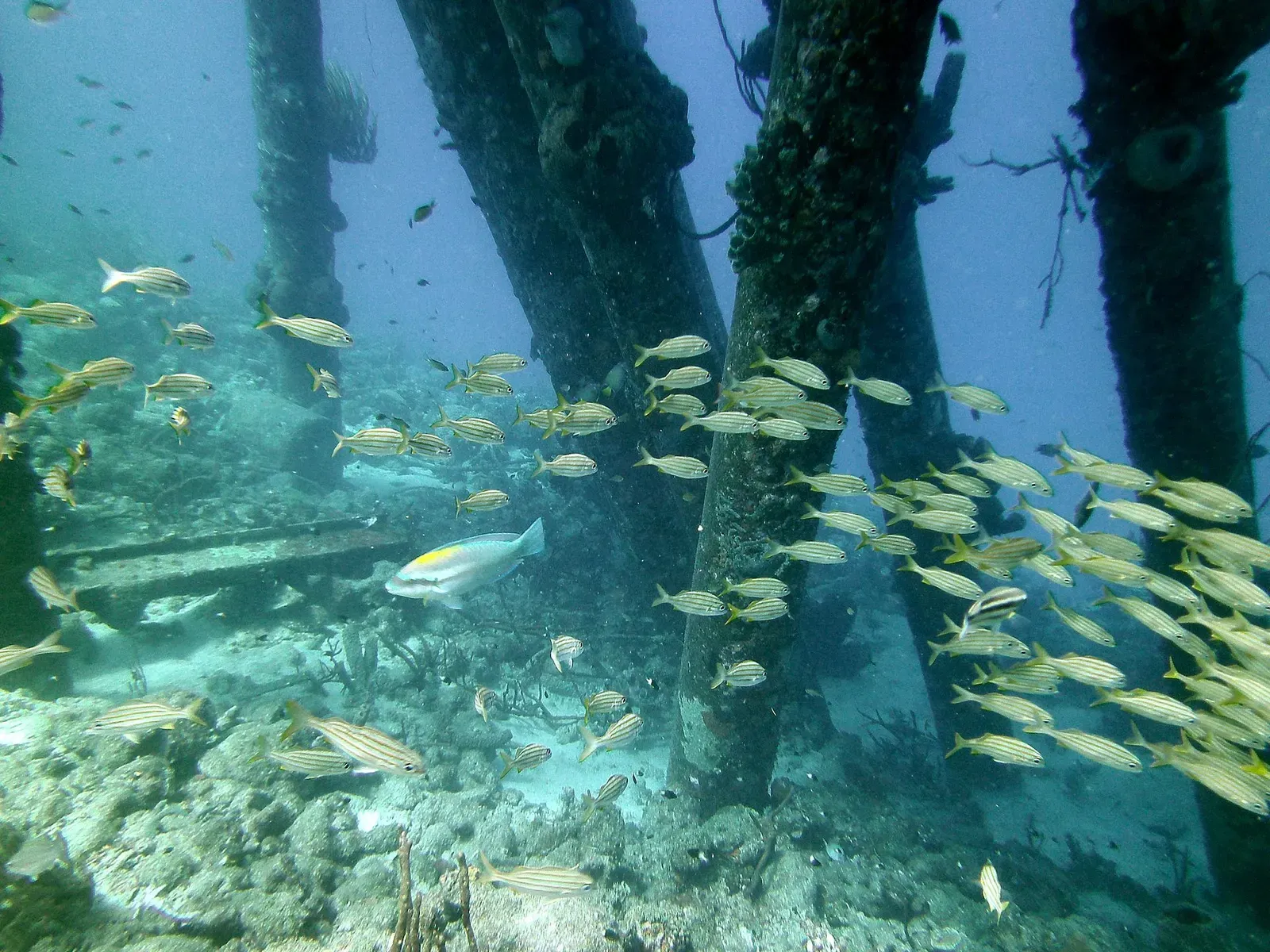
Fish schooling in the shade under a working salt pier
Frogfish and snake eels on a shallow reef minutes from town
Reef
Second in the Caribbean for fish diversity, straight off the road
Artificial reef
Orange cup coral and seahorses under a permit-only harbour pier
Reef
Dense soft corals and sergeant major egg patches
Sand slope
A white sand plain on the rarely dived east coast
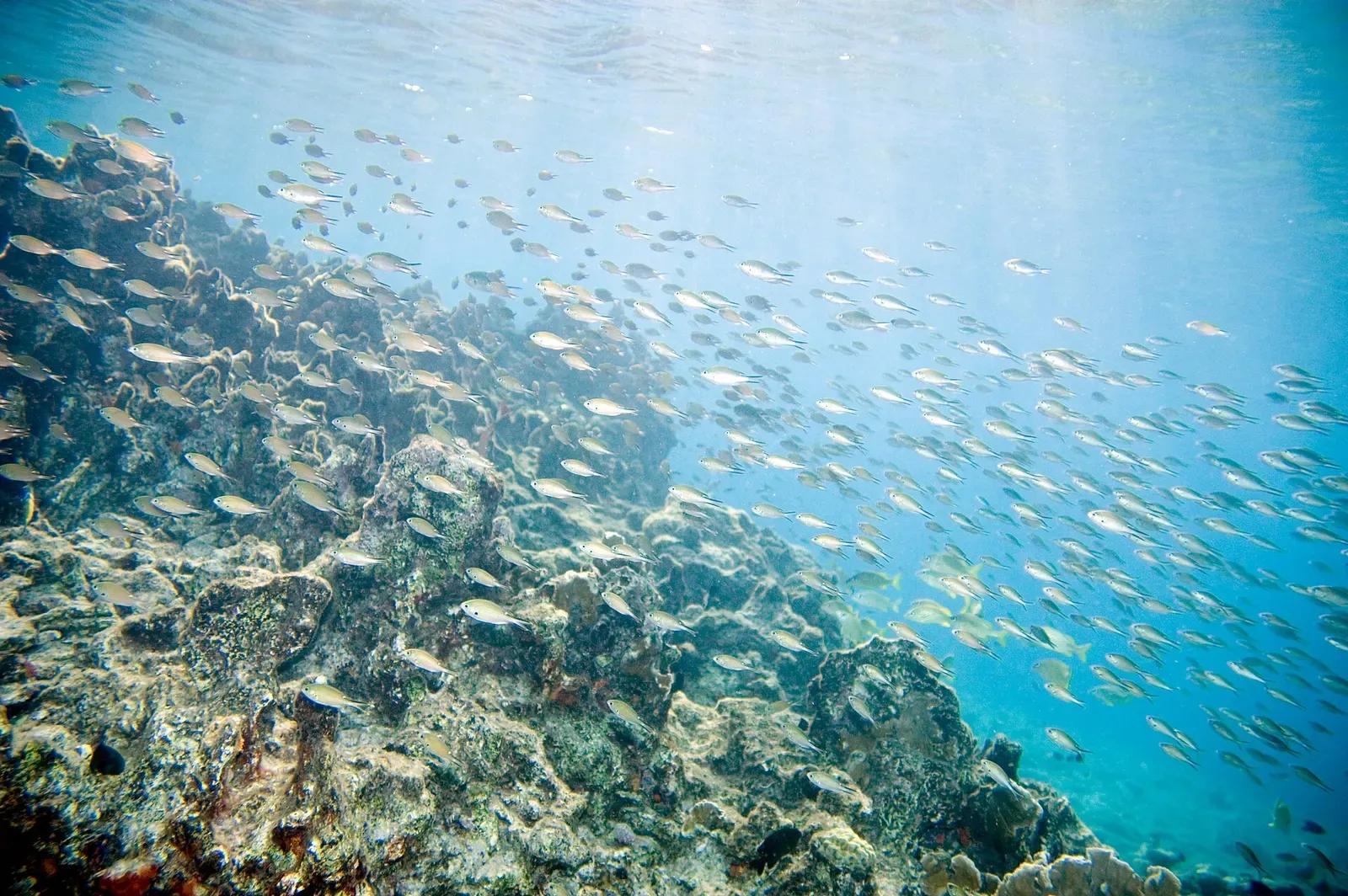
Rays and turtles in the sandy shallows
How to get to Bonaire
Flamingo International Airport (BON) is the island's only international airport. Dive shops rent gear, and most have drive-thru tank rentals where divers pick up tanks for the day and return the used ones.
Photos from Bonaire
Paul Asman and Jill Lenoble · CC BY 2.0
Andra Waagmeester · CC0
Kris Mikael Krister · CC BY 3.0
Paul and Jill · CC BY 2.0
paularps · CC BY 2.0
Dive videos
Diving Bonaire 2023 - Best Moments: Episode #1 | TropicLens - 4K · TropicLens on YouTube
THE SALT PIER - scubadiving BONAIRE´s premium divesite (4K) · Marcel Steuermann on YouTube
Questions divers ask
Is there a fee to dive in Bonaire?+
Yes. A nature fee of USD $40.00 covers all water activities, and the money supports the management and services of the marine park.
Do divers need a boat in Bonaire?+
Not on the west side, where the sites are reached by truck and entered from the shore. The sites around Klein Bonaire are moored and dived from boats only.
Can divers still dive in Washington Slagbaai National Park?+
Not at present. Diving is prohibited at the sites off the park's shores because of an infiltration of stony coral tissue loss disease (SCTLD), and other sites can close without warning.
Is Bonaire a good place for night diving?+
Yes. At least 13 of the island's 86 dive sites suit night diving, and Town Pier is one of the best-known night dives. Octopuses hunt in the open after dark, changing colour and texture among the corals, and seahorses are less shy.
Sources
- https://en.wikivoyage.org/wiki/Bonaire — en.wikivoyage.org
- https://divezone.net/diving/bonaire — divezone.net
- https://www.bonairediving.com — www.bonairediving.com
- https://en.wikipedia.org/wiki/Bonaire_National_Marine_Park — en.wikipedia.org
- https://bonaire.com/en/blog/night-diving-bonaire — bonaire.com
- https://www.scubadiving.com/tiny-yet-stunning-best-destinations-dive-macro-life — www.scubadiving.com
- https://bonaireisland.com/experiences/diving/sites/salt-pier/ — bonaireisland.com
- https://bonaireisland.com/experiences/diving/sites/hilma-hooker/ — bonaireisland.com
- https://bonaireisland.com/experiences/diving/sites/forest/ — bonaireisland.com
- https://bonaireisland.com/experiences/diving/sites/bari-reef/ — bonaireisland.com
- https://bonaireisland.com/experiences/diving/sites/red-slave/ — bonaireisland.com
- https://www.divefriendsbonaire.com/blogs/dive-friends-bonaire-staff-picks-the-best-dive-sites-in-bonaire — www.divefriendsbonaire.com
Photo credits
- Wide panorama of a shallow coral reef off Klein Bonaire with schooling snappers, sea fans and brain coral by Michal Strzelecki, Wojtek Strzelecki & Jerzy Strzelecki, CC BY 3.0, via Wikimedia Commons
- Green turtle swimming past a sea fan and brain coral on a Bonaire reef by Paul Asman and Jill Lenoble, CC BY 2.0, via Wikimedia Commons
- Peacock flounder resting on the seabed near Kralendijk, Bonaire by Andra Waagmeester, CC0, via Wikimedia Commons
- Two divers with torches exploring the sunken freighter Hilma Hooker in black and white by Kris Mikael Krister, CC BY 3.0, via Wikimedia Commons
- Juvenile damselfish and christmas tree worms on a symmetrical brain coral head by Paul and Jill, CC BY 2.0, via Openverse
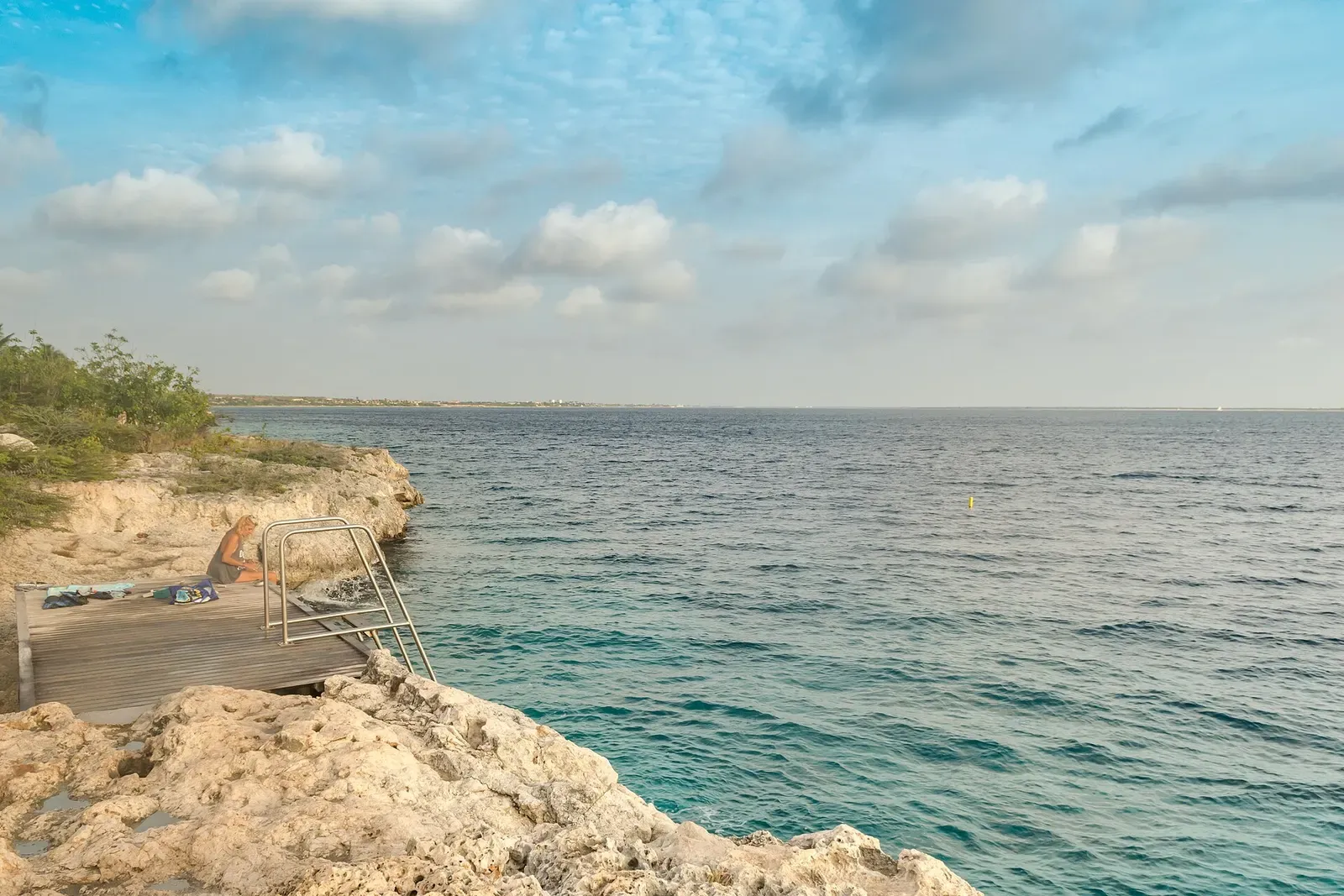
- Sharp coral-rubble ironshore on Bonaire's south-west coast, with a yellow dive-site marker and a flat sea beyond by paularps, CC BY 2.0, via Openverse
Embed
Run a dive centre, club or blog? Embed this map of 12 dive sites near Bonaire on your own page.
In The Logbook
- Where to dive in DecemberTrip planning · 10 min read
- Frogfish: species, behaviour and where to diveMacro & muck · 12 min read
- Where to dive in every month of the yearTrip planning · 14 min read
- Bioluminescence: why the sea glows at nightNight diving · 7 min read
- What stings you underwater, and how to avoid itBody & health · 8 min read
- Night diving: the best night dives in the worldNight diving · 12 min read
- How much weight do you need to dive?Gear & kit · 8 min read
- How long does a tank of air last?Gear & kit · 9 min read
- Why your ears hurt diving, and how to stop itBody & health · 8 min read
- Deep wreck diving: where recreational stopsWrecks · 8 min read
- Cheapest places to scuba dive, and the catchTrip planning · 15 min read
- How a dive computer calculates no-stop timeBody & health · 10 min read
- Air, nitrox or trimix: which gas, and when?Gear & kit · 15 min read
- DPV diving: what an underwater scooter changesGear & kit · 10 min read
- Liveaboard vs resort diving: which suits you?Trip planning · 6 min read
- The best shore dives in the worldShore diving · 8 min read
Similar destinations
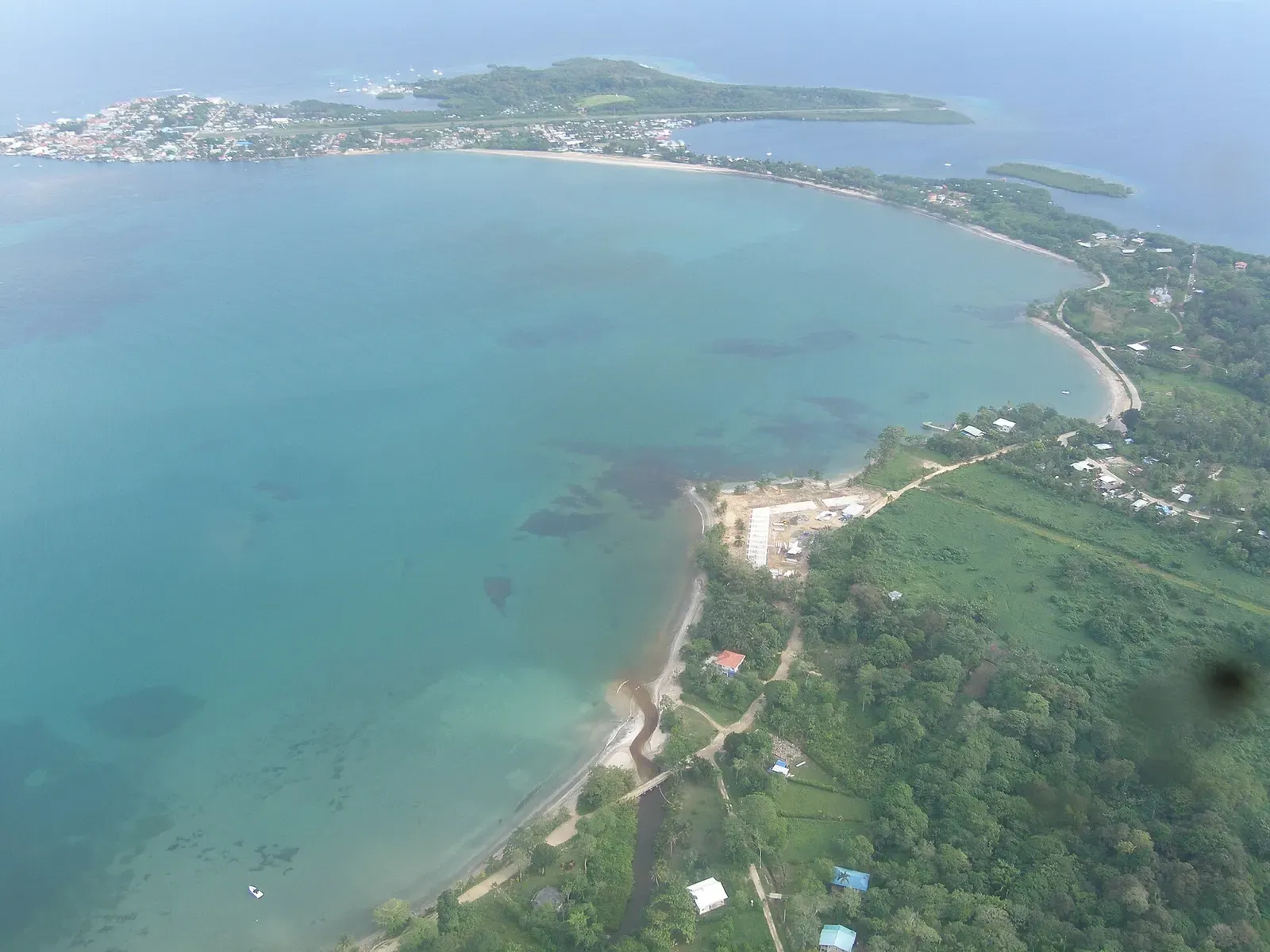
Panama's cheapest place to learn to dive, with a national marine park just offshore

Shore and boat reefs, plus wrecks from a shallow tug to a harbour-mouth hull
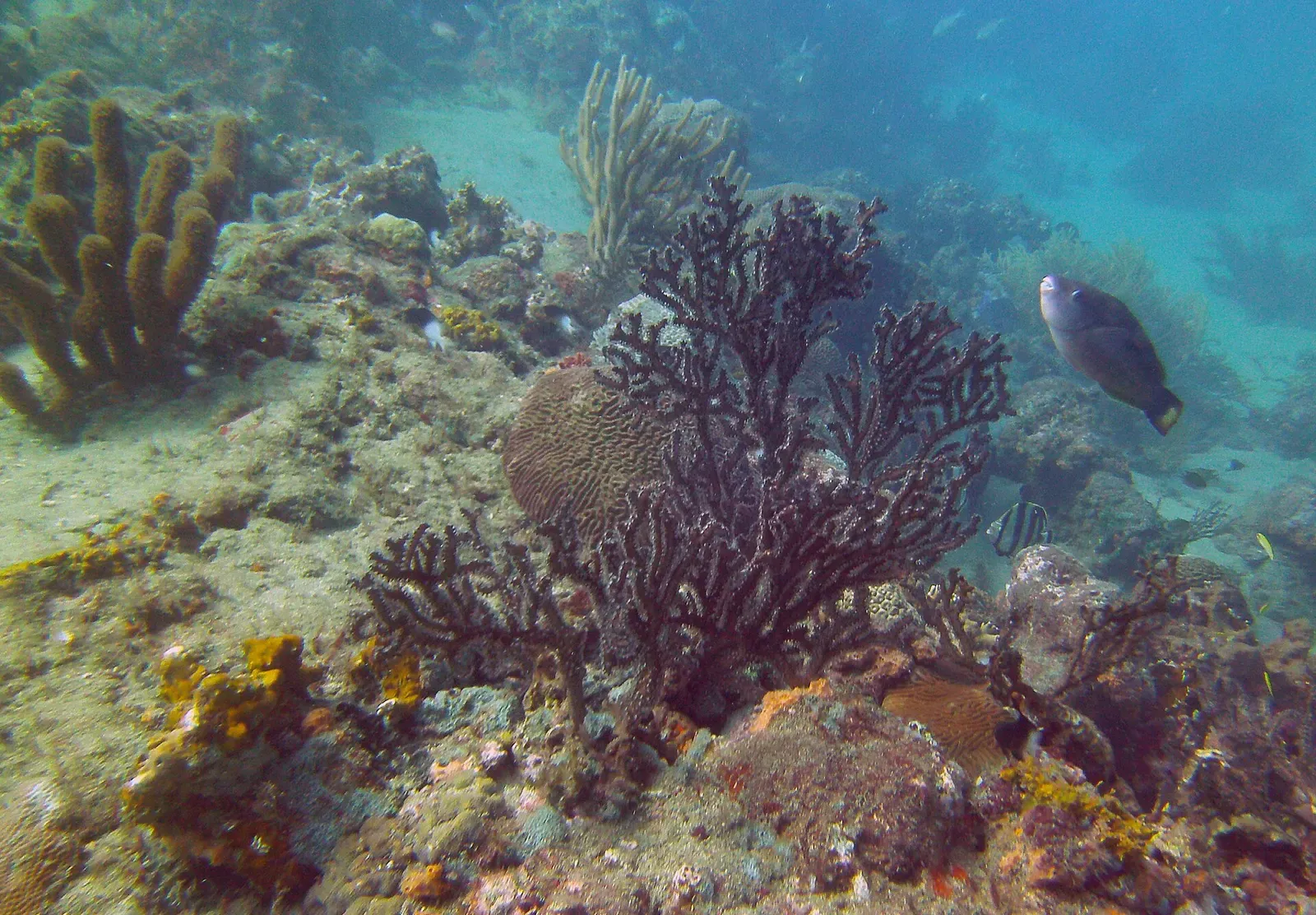
Cold upwelling makes Colombia's Caribbean coast unexpectedly productive

.jpg)
.jpg)

.jpeg)
Swim off a beach onto a wall that drops past 900 metres