
Celah Celah lies on the south side of Bunaken Island just outside Liang Bay, where deep walls are split by cracks — celah is Indonesian for crack — wide enough for real coral growth. At 30 metres a sandy slope heads out into the blue. Pygmy seahorses on the gorgonians, ghost pipefish and leaf scorpionfish are the draw, and the site is also used for night dives.
Also known as Cela-Cela.
Where it is and how deep
1.6109° N, 124.7680° EPublished position for this site.
The dive
The name refers to the cracks: the walls here are cut with deep fissures, and where they open wide enough the coral grows right into them. That structure sets the dive. You work the face slowly, in and out of the splits rather than straight along it, and at 30 metres the wall gives way to a sandy slope running out into the blue that marks the deep limit of the dive.
The macro is the reason most divers come. Gorgonians and sponges on the face hold pygmy seahorses, and the same ledges produce ghost pipefish, leaf scorpionfish, long nose hawkfish and nudibranchs. Giant morays sit back in the cracks. This is a dive for a slow pace and a good light, since most of what is worth seeing is smaller than a hand.
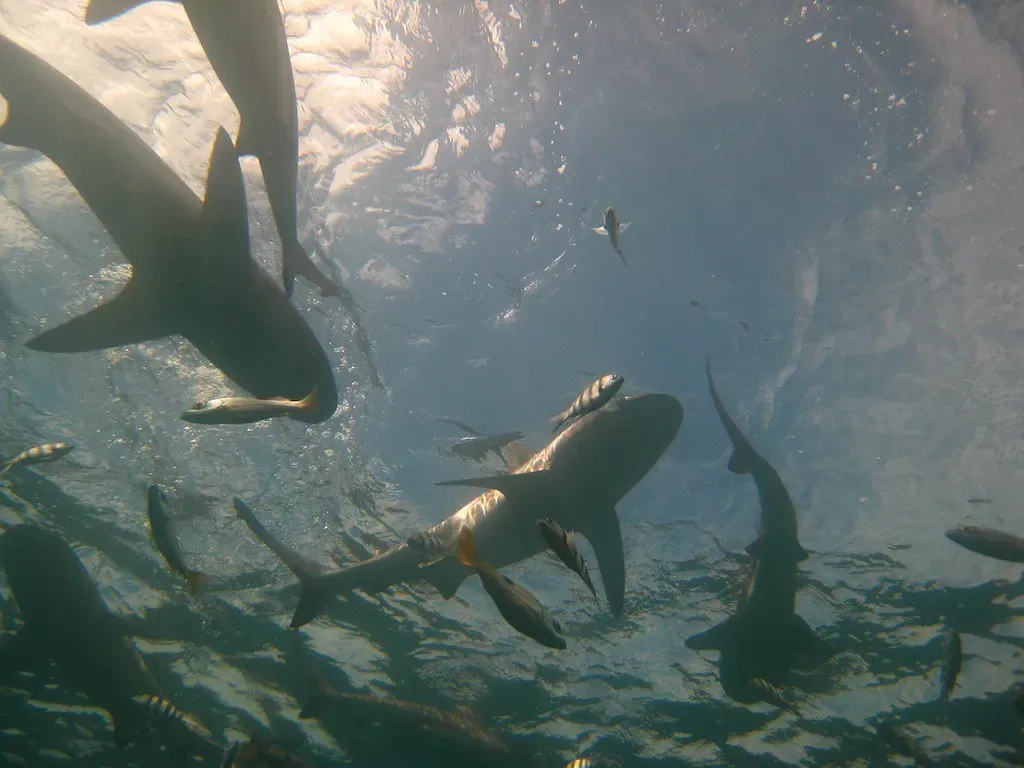
Bigger animals cross the open side: blacktip and whitetip sharks, eagle rays, bumphead parrotfish, dogtooth tuna and sea snakes. PADI describes the site as usually having little to no current, which is also what makes it a good night dive, while Dive The World reports a strong current running parallel to the reef that allows the site to be drifted — take the briefing over the reputation.
Marine life and season
- Pygmy seahorses
- Nudibranchs
- Macro critters
- Reef sharks
- Eagle rays
- Sea snakes
- Tuna
| Jan | Feb | Mar | Apr | May | Jun | Jul | Aug | Sep | Oct | Nov | Dec |
|---|---|---|---|---|---|---|---|---|---|---|---|
| Good | Good | Good | Good | Prime | Prime | Prime | Prime | Prime | Prime | Good | Good |
Season follows Bunaken: May–October dry season gives the clearest water; some rain and runoff November–April.
Know before you go
- Published accounts of the current disagree, from little or none to strong flow parallel to the reef; plan the dive on the day's conditions and carry a marker.
- The fissures are easy to work into and harder to back out of with a camera; keep clear of the coral growing in the cracks.
Questions divers ask
What can you see at Celah Celah?+
Pygmy seahorses on the gorgonians, ghost pipefish, leaf scorpionfish, long nose hawkfish, nudibranchs and giant morays on the wall, with blacktip and whitetip sharks, eagle rays, dogtooth tuna and bumphead parrotfish passing on the open side.
Is Celah Celah good for night diving?+
It is used for night dives, on the basis that there is usually little to no current here. Other accounts report a strong current running parallel to the reef, so the decision belongs to the guide on the day.
Sources
- Cela-Cela dive site — PADI Travel
- Diving sites Indonesia: Manado, Bunaken — Dive The World
- Celah Celah — Scubago
More dive sites in Bunaken
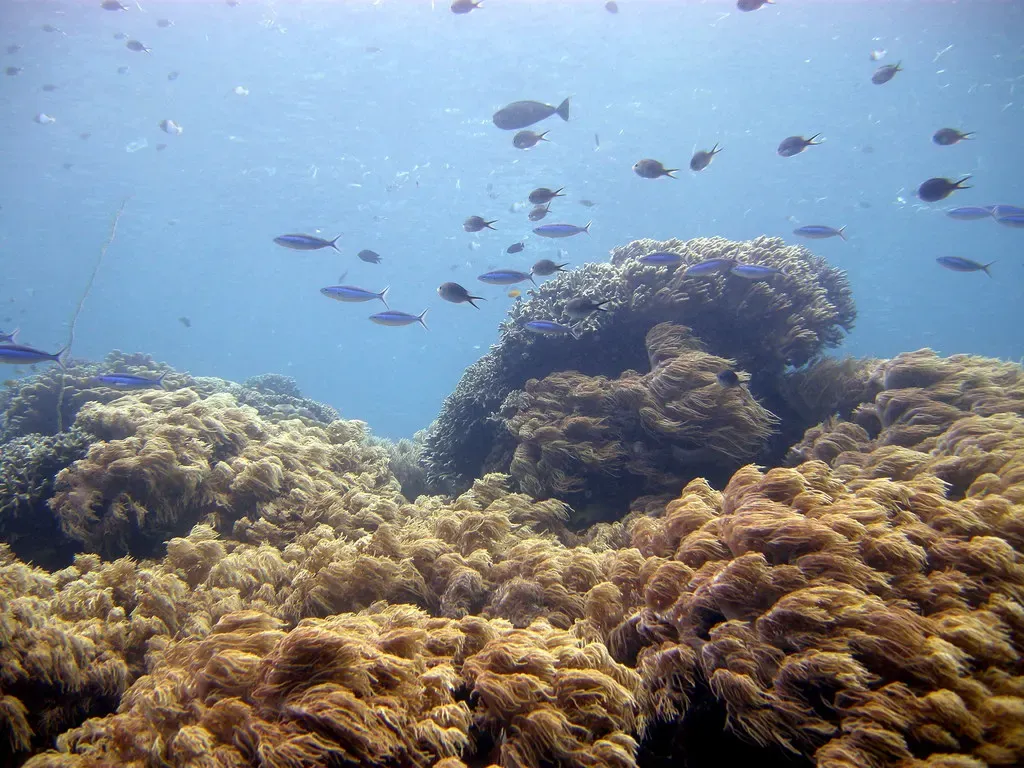
A reef so long one dive doesn't cover it
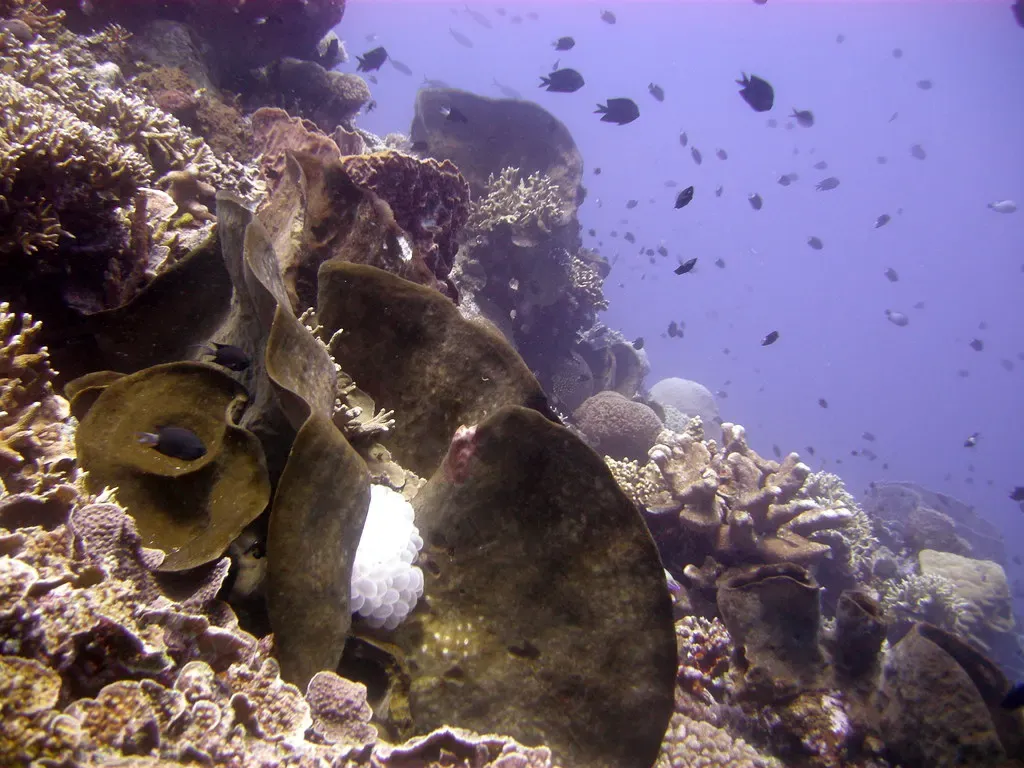
Five hefty giant clams lying in a row on the sand
Wall
The sheltered Lekuan site, and Bunaken's night dive
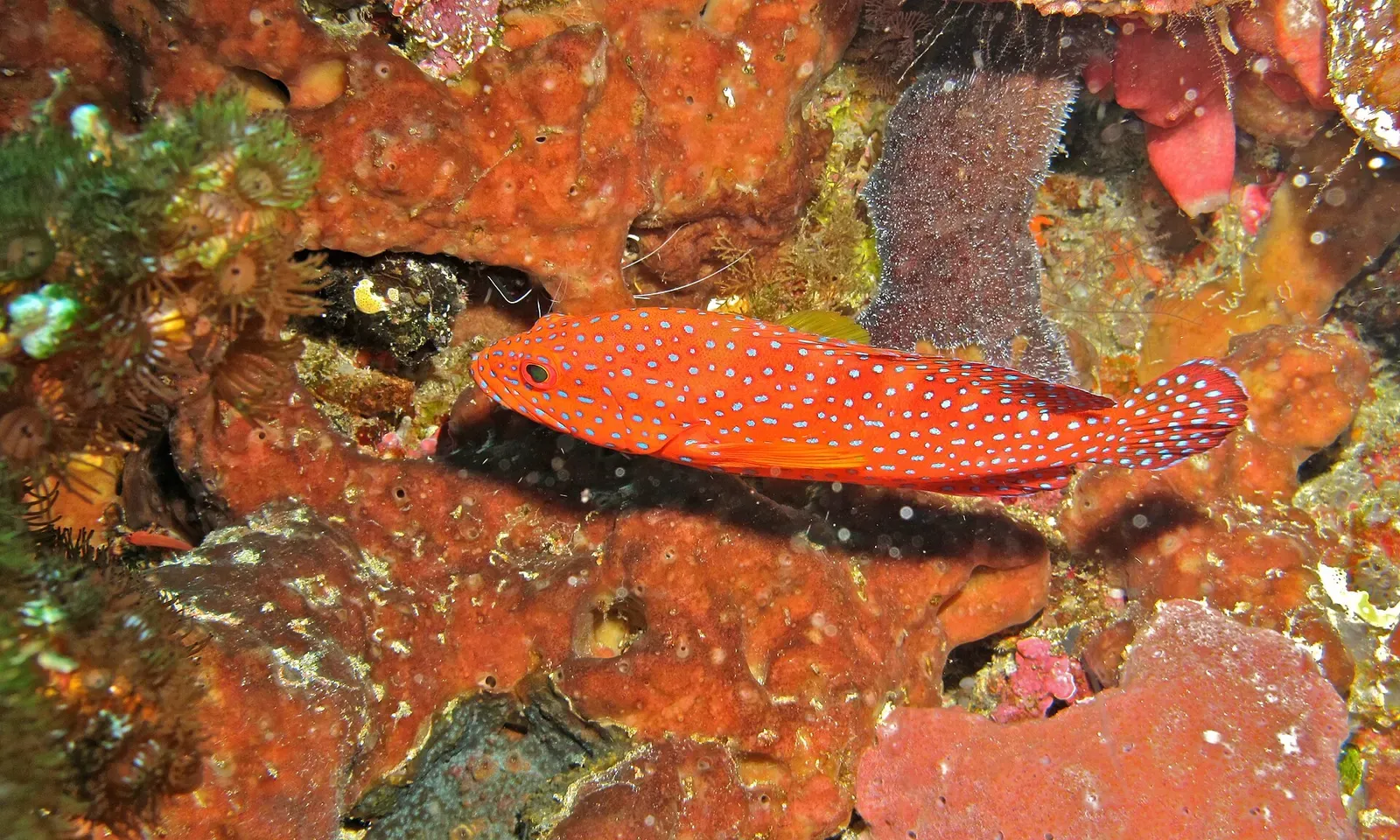
Perhaps ten green turtles live on this wall alone
Wall
Whip corals along a drifted wall, with bumpheads passing
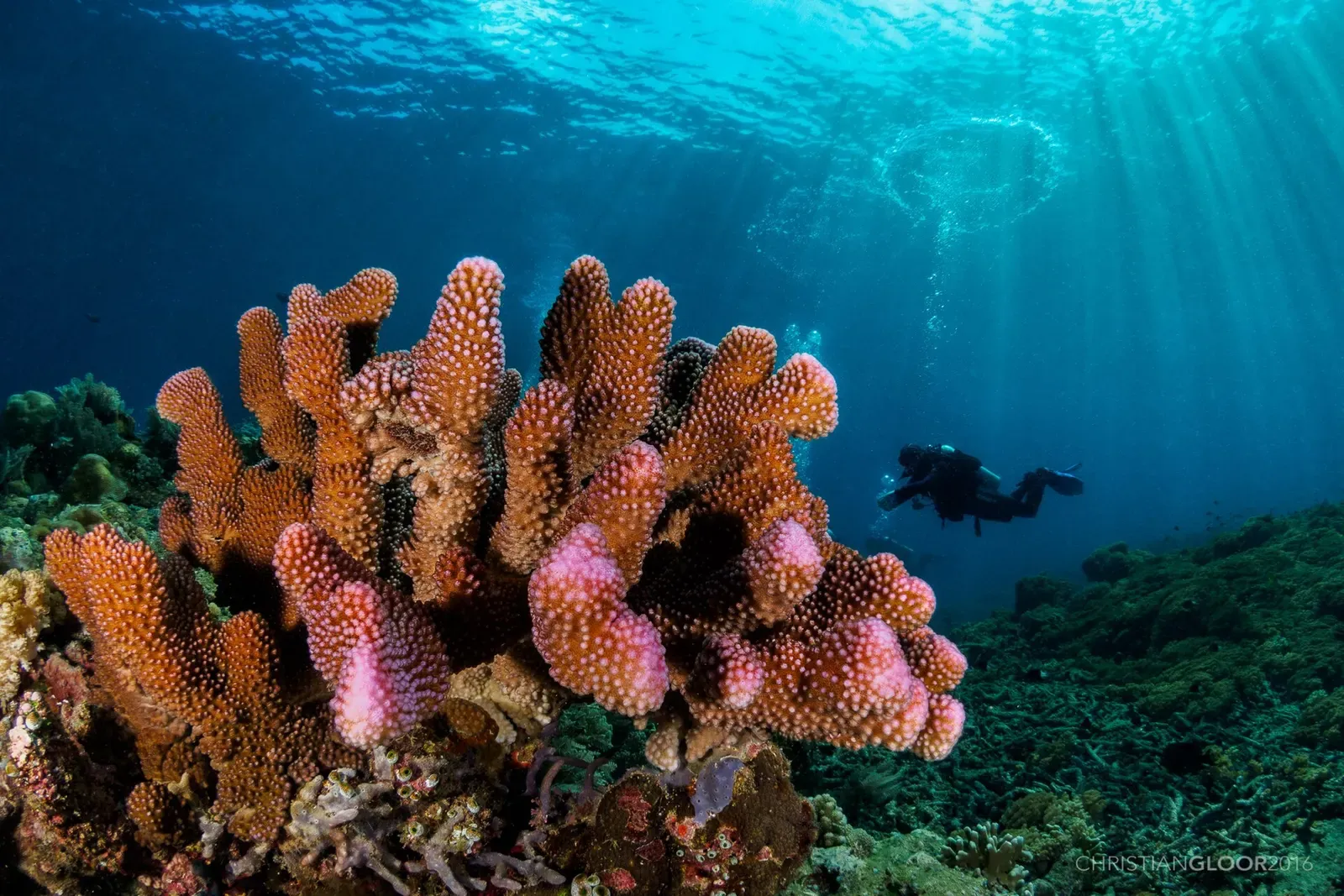
An amphitheatre-shaped wall worked by reef sharks
Wall
Turtle city: greens and hawksbills on the wall off the village
Wall
Whitetip sharks resting in caves down the wall
Similar dives elsewhere

The corner where Cabilao's sharks are seen, wall to plateau to wall
Step off the jetty onto a wall with resident sharks


Shafts of light in a cracked cavern on the north wall
Caves in a coral wall where whitetips rest up