Cold Water · United States
Cape Ann & Stellwagen Bank
Rocky shore reefs off Cape Ann and fishing-boat wrecks on Stellwagen Bank
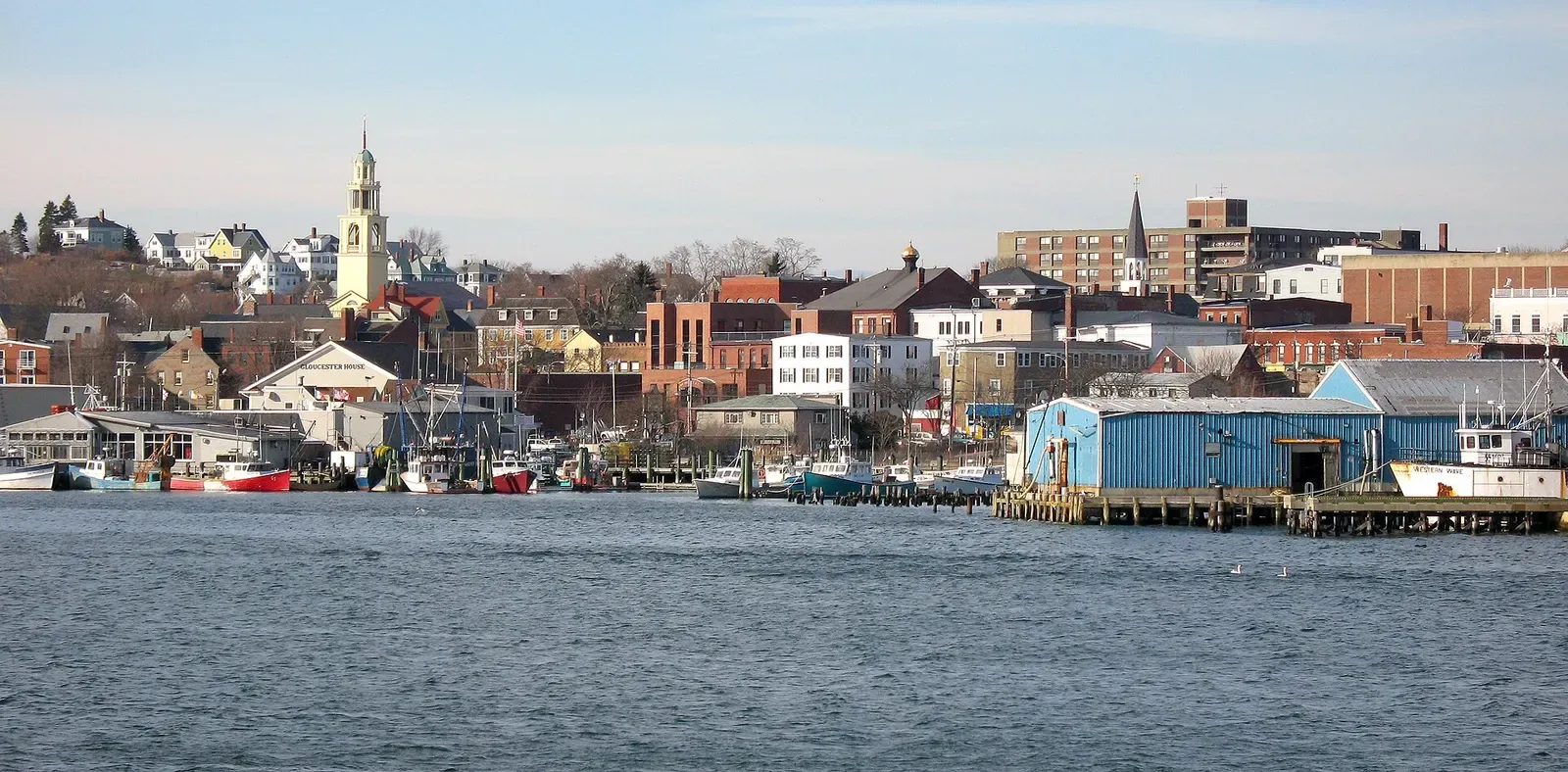
Photo: Paul Keleher from Mass, US · CC BY 2.0
Cape Ann, the Gloucester and Rockport headland northeast of Boston, has some of the best shore diving in New England: rocky reefs at 3–18 m (10–60 ft) off shore sites such as Folly Cove, Back Beach and Lanes Cove. Two Gloucester dive boats run to the seal colony at Dry Salvages and out to Stellwagen Bank National Marine Sanctuary, where the fishing-boat wrecks Patriot and Josephine Marie lie at 30–32 m (100–105 ft) in cold water.
About diving in Cape Ann & Stellwagen Bank
A diving day here is either a walk-in from a Cape Ann beach or a trip on one of two Gloucester boats. Numerous beaches in Gloucester and Rockport give easy shore entry onto rocky reefs, and Cressy Beach is protected enough to stay diveable in strong wind. Cape Ann Diver II runs from the rocky ledges off Cape Ann out to the wrecks of Stellwagen Bank, and Cape Ann Diving's Yankee Pearl cruises at 16 knots to the Patriot, the Salvages and the Isles of Shoals. Cape Ann Diver II generally runs from 1 April to 31 October.
The shore reefs are rock and typically lie at 3–18 m (10–60 ft). Folly Cove is prized for its diversity of marine life and bottom topography, and a surface swim to the left side of the cove reaches 18 m (60 ft). Lanes Cove has a wall that passes 18 m (60 ft) at high tide, where torpedo rays and goosefish are possible, and lobsters are abundant further out from the beach at Loblolly Cove in Rockport. Offshore, seals live on the rocks of Dry Salvages, boulder ledges shelter cusk and wolffish, and the Patriot wreck holds schools of pollock and other groundfish.
Stellwagen Bank National Marine Sanctuary lies offshore at the mouth of Massachusetts Bay, and Cape Ann Diver II runs to its wrecks. The water there rarely rises above 10 °C (50 °F), and currents can run strongly at the surface and on the bottom, especially when wind and tide move the same way. Gill nets are the greatest entanglement hazard, and one site sits inside Boston's shipping lanes. The sanctuary installs mooring buoys to spare dive sites anchor damage. Ashore, Folly Cove has no sand, and its slippery boulders make entry and exit awkward.
Cape Ann is used for training: Back Beach is a favourite for certification classes and Pebble Beach stays shallow. The Stellwagen wrecks lie at 30 m (100 ft) and more in cold water and current, some deeper sites need technical training, and Cathedral Rocks off Rockport is a site for the advanced. Winter and off-season diving does happen, but it depends on weather and demand.
Best time to dive Cape Ann & Stellwagen Bank
| Jan | Feb | Mar | Apr | May | Jun | Jul | Aug | Sep | Oct | Nov | Dec |
|---|---|---|---|---|---|---|---|---|---|---|---|
| Fair | Fair | Fair | Good | Good | Good | Good | Good | Good | Good | Fair | Fair |
Cape Ann Diver II generally runs from 1 April to 31 October; winter and off-season diving depends on weather and demand.
Best months: April, May, June, July, August, September, October
Dive types & marine life
A colony of seals lives on the rocks of Dry Salvages. The Patriot wreck holds schools of pollock and other groundfish, and offshore boulder ledges shelter cusk and wolffish. Lobsters are abundant away from the beach at Loblolly Cove, and torpedo rays and goosefish are possible on the Lanes Cove wall.
- Reef
- Wreck
- Wall
- Seals & sea lions
Best dive sites in Cape Ann & Stellwagen Bank
- 1
Folly Cove
Cove on the Gloucester–Rockport line with varied marine life and bottom topography; 18 m (60 ft) at the cove's opening.
- 2
Dry Salvages
Small cluster of rocks off Cape Ann that is home to a colony of seals.
- 3
Patriot
Fishing vessel on its starboard side at 30 m (100 ft) on Stellwagen Bank, with schools of pollock.
- 4
Lanes Cove
Wall passing 18 m (60 ft) at high tide, with torpedo rays or goosefish possible.
- 5
Josephine Marie
Fishing vessel on the southern end of Stellwagen Bank at 32 m (105 ft).
- 6
Back Beach
Shore site used for certification classes, usually 3–9 m (10–30 ft) deep.
Site guides
Reef
A shallow training site known for its lobsters
Reef
An advanced shore dive to 26 m (85 ft)
Reef
A rock outcrop with a resident seal colony
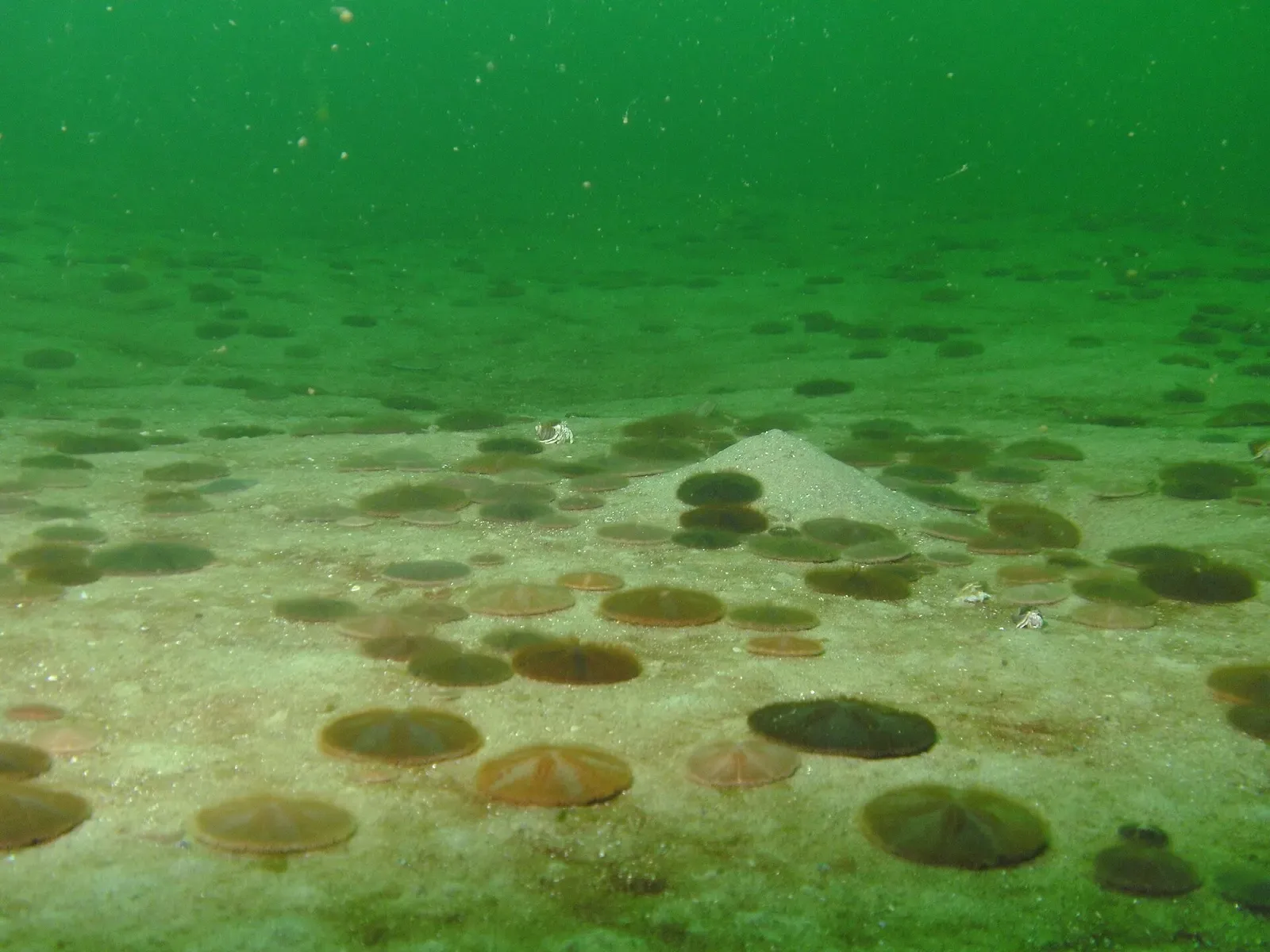
An anemone-covered wall on the left side of the cove
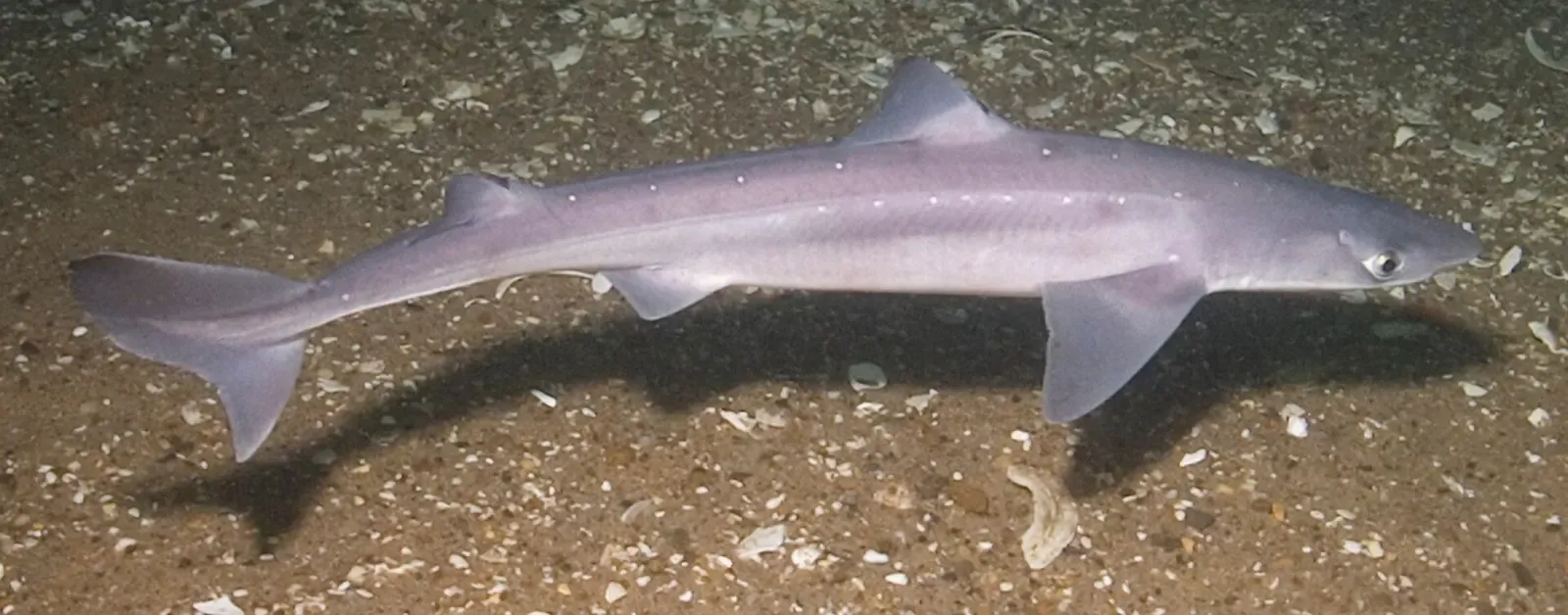
An upturned red and black trawler at 32 m (105 ft)
A wall to 20 m (65 ft) with a chance of torpedo rays
Reef
A quiet boulder ledge with lobsters away from the beach
Reef
A ramp entry onto a boulder reef starting at 6 m (20 ft)
Wreck
A 2009 fishing-boat wreck on its side at 30 m (100 ft)
Reef
Two boulder bands running parallel to the shore
How to get to Cape Ann & Stellwagen Bank
Boston's Logan International Airport has the nearest national and international flights. The MBTA Commuter Rail's Newburyport/Rockport Line runs from Boston's North Station to West Gloucester, Gloucester and Rockport. Cape Ann Diver II serves dozens of dive sites and wrecks around Gloucester.
Photos from Cape Ann & Stellwagen Bank
Harvey Barrison from Massapequa, NY, USA · CC BY-SA 2.0
Nhatchimai8 · CC BY-SA 4.0
Steven Davy · CC BY 2.0
Dive videos
The Patriot Aug 2014 · East Coast Divers on YouTube
Surprise Humpback · East Coast Divers on YouTube
Questions divers ask
What certification do the Stellwagen Bank wrecks need?+
The wrecks lie at 30 m (100 ft) and more in cold water and current, and some deeper sites need technical training. Shallow beginner dives are on the shore reefs, where Back Beach is used for certification classes.
When does the Cape Ann dive boat run?+
Cape Ann Diver II generally runs from 1 April to 31 October. Winter and off-season diving does happen, but it depends on weather and demand.
How cold is the water at Stellwagen Bank?+
The water there rarely rises above 10 °C (50 °F), and currents can run strongly at the surface and on the bottom, especially when wind and tide move the same way. Gill nets are the greatest entanglement hazard.
Can divers walk in from the beach at Cape Ann?+
Numerous beaches in Gloucester and Rockport give easy shore entry onto rocky reefs at 3–18 m (10–60 ft). Cressy Beach stays diveable in strong wind, while Folly Cove has no sand and slippery boulders.
Sources
- Cape Ann Diver II — Cape Ann Diver II
- Cape Ann Diver II FAQ — Cape Ann Diver II
- Cape Ann Diving — Cape Ann Diving
- Diving Cape Ann — Undersea Divers
- Dive Sites | Stellwagen Bank NMS — NOAA
- Diving | Stellwagen Bank NMS — NOAA
- Cathedral Rocks — iDive New England
- Folly Cove — iDive New England
- Dry Salvages — iDive New England
- Lanes Cove — iDive New England
- Gloucester, Massachusetts — Wikipedia
Photo credits
- Gloucester's waterfront of brick buildings, steeples and moored boats seen across the open harbour by Paul Keleher from Mass, US, CC BY 2.0, via Wikimedia Commons
- Wooden houses among trees above Smith Cove, with lobster boats and sailboats on moorings by Harvey Barrison from Massapequa, NY, USA, CC BY-SA 2.0, via Wikimedia Commons
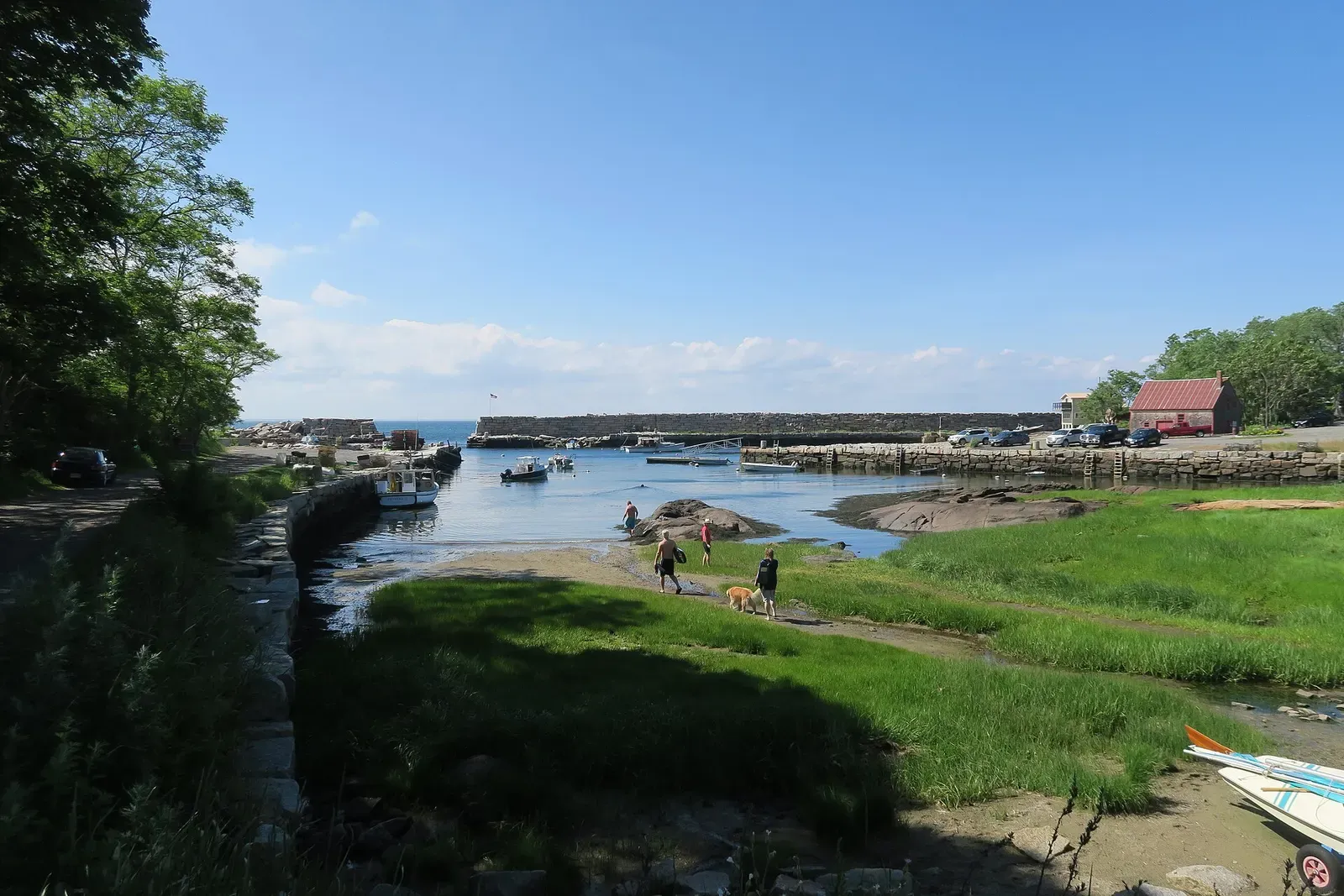
- A small sandy cove framed by granite boulders and trees, with Gloucester across the water by Nhatchimai8, CC BY-SA 4.0, via Wikimedia Commons
- Fishing boats and lobster boats tied up at wooden pilings in a crowded harbour by Steven Davy, CC BY 2.0, via Wikimedia Commons
Embed
Run a dive centre, club or blog? Embed this map of 11 dive sites near Cape Ann & Stellwagen Bank on your own page.
Similar destinations
Cold Water
Isles of Shoals
United States
A year-round colony of harbor and grey seals at Duck Island
Cold Water
Aran Islands
Ireland
Diving Poll na bPéist, the Wormhole of Inis Mór
Cold Water
The U-260 submarine and the Kowloon Bridge, both dived from Baltimore


Four ore carriers torpedoed at their pier in 1942, still lying at 27–40 m