Cold Water · United Kingdom
Dover & Folkestone Wrecks
Upright WW1 liners and steamers a short boat ride from Dover
The Dover Strait off the Kent coast holds one of the densest concentrations of shipwrecks around the UK, and the diving here is almost entirely wreck diving from charter boats out of Dover Marina. Most dives sit between about 16 and 30 m, from the shallow Loanda to the hospital ship Anglia and the steamer St Celia, timed to slack water between strong tides. The draw is the run of upright First World War hulls within a short boat ride of the harbour.
About diving in Dover & Folkestone Wrecks
Diving here is boat diving from Dover Marina, and the boats also work the wrecks off Folkestone and Ramsgate. A typical charter day takes in two wrecks, both within about 10 to 15 miles (16 to 24 km) of the harbour, with the boat returning to Dover between dives. The tide sets the timetable: slack water comes round roughly every 6 hours, and the day's tides decide the plan. Another option is a first wreck towards Dungeness or the north of the Goodwins with a second on the way back, and early or late in the season, when slack falls around midday, boats go further afield.
The seabed is a graveyard of merchant ships, liners, warships and submarines, and many of the steamers were First World War losses to mines and U-boats. More than 2,000 ships are believed to have been wrecked on the Goodwin Sands alone, which lie close to the major shipping lanes through the strait. Out beyond the Goodwins, a large steamer rests on a hard chalk seabed where the tidal flow leaves very little silt, visibility is very good unless there is a plankton bloom, and the marine life on a three-masted schooner wreck is extensive.
This coast suits divers already at home on cold-water wrecks who can plan to a slack-water window. Despite the relatively shallow depth, sea conditions, visibility and strong currents are often challenging, and every trip depends on divers being qualified for the advertised dive depth. Anglia is a sensitive site: after calls in October 2014 for the wreck to be made a war grave, she was designated under the Protection of Military Remains Act in 2017.
Best time to dive Dover & Folkestone Wrecks
| Jan | Feb | Mar | Apr | May | Jun | Jul | Aug | Sep | Oct | Nov | Dec |
|---|---|---|---|---|---|---|---|---|---|---|---|
| Fair | Fair | Fair | Fair | Prime | Prime | Prime | Prime | Prime | Prime | Fair | Fair |
The dive season runs May to October; some charters sail all year, but the sea feels very cold in March.
Dive types & marine life
This is a wreck coast more than a wildlife one. The headline animals are the hundreds of seals that live around the Goodwin Sands, the sandbank off the Deal coast that borders the outer dive grounds.
- Wreck
- Seals & sea lions
Best dive sites in Dover & Folkestone Wrecks
- 1
Anglia
WW1 hospital ship built in 1900, upright in under 30 m with the top at about 25 m.
- 2
St Celia
WW1 mine victim with many swim-throughs and easy access to the engine room, at 25 to 30 m.
- 3
Loanda
Probably the most dived wreck from Dover, often the second dive of the day or the choice in poor weather.
- 4
Pomerania
Steam and sail liner from 1873 in about 25 m, with parts standing 6 m proud.
- 5
Toward
Cargo steamer sunk in WW1 by UC-6, upright in 25 m with the superstructure near 20 m.
- 6
HMS Hermes
Former armoured cruiser on her port side in 33 m off Calais, best dived on nitrox.
Site guides
Wreck
An upright First World War hospital ship, now a protected wreck
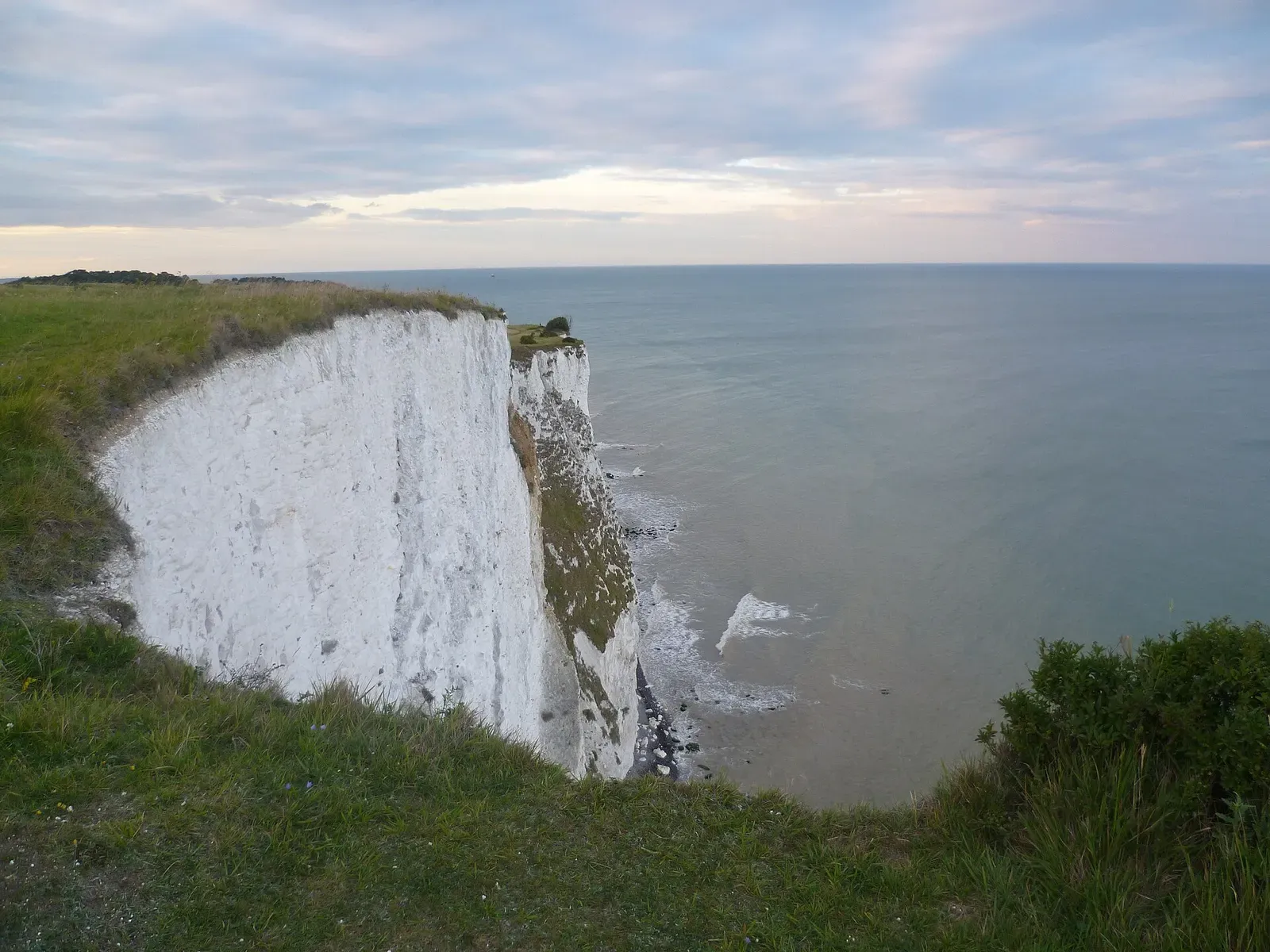
Dover's most dived wreck, a cargo ship lost in 1908
Wreck
A shelled Liberty ship on flat ground at 51 m, the deep end of Dover
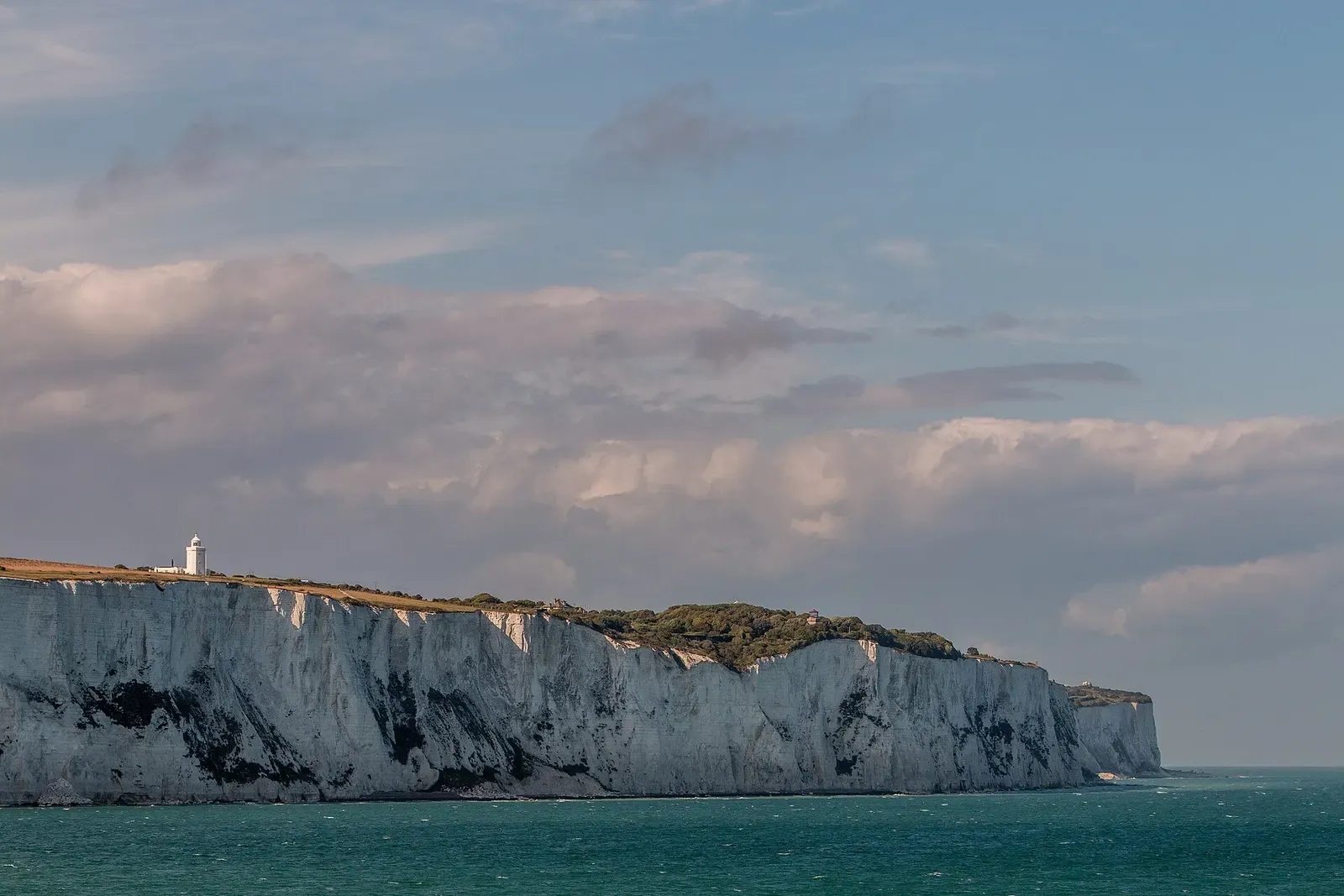
A mined WW1 cargo steamer still sitting upright and ship-shaped
How to get to Dover & Folkestone Wrecks
Dover is 55 minutes from London St Pancras International on the non-stop high-speed rail service, and the charter boats leave from Dover Marina.
Questions divers ask
When is the dive season at Dover?+
The main season runs May to October. Some charters sail all year, but the sea averages about 8°C in March and about 18°C in September.
How are Dover wreck dives timed?+
Dives are planned around slack water, which comes roughly every 6 hours. Neap tides give the longest slack and are recommended for one of the deep steamers east of the Goodwin Sands.
What certification do the Dover wrecks need?+
Boats take divers qualified for each wreck's advertised depth. The popular wrecks lie between about 16 and 30 m in strong tidal water, HMS Hermes at 33 m is best dived on nitrox, and the wrecks east of the Goodwin Sands sit at 45 to 55 m.
Sources
- Dover, Folkestone and Ramsgate Wreck Diving — Mutiny Diving
- Dover — Dive125
- Dover, Wrecks and Sites — Dive125
- Mutiny Diving — Yumping
- Shipwrecks of the Dover Strait — X-Ray Mag
- Practical Guide to Dover — Tanked Up Magazine
- Dover average sea temperatures — seatemperature.org
- Dover — Wikipedia
- HMHS Anglia — Wikipedia
- Goodwin Sands — Wikipedia
Embed
Run a dive centre, club or blog? Embed this map of 4 dive sites near Dover & Folkestone Wrecks on your own page.
Similar destinations
Wrecks, tide-timed Menai Strait dives and sheltered shore bays
Cold Water
Aran Islands
Ireland
Diving Poll na bPéist, the Wormhole of Inis Mór
Cold Water
The U-260 submarine and the Kowloon Bridge, both dived from Baltimore
Cold Water
Barkley Sound
Canada
Sheltered cold-water pinnacles and walls, diveable all year