Cold Water · United Kingdom
Isle of Skye
Pinnacle walls at the Macleod Maidens and wrecks from Neist Point to Loch Alsh
The Isle of Skye mixes cold, scenic diving on pinnacles and walls with a string of old wrecks. Near the island's west tip lie the Macleod Maidens pinnacles off Idrigill Point, Conger Crevice and the inverted Chadwick beneath the cliffs north of Neist Point. Loch Alsh, between Kyle of Lochalsh and Skye, holds the minelayer HMS Port Napier and one of the largest flame shell beds known in UK waters. Most dives run from 6 to 25 m, and the diving goes on all year when the weather allows.
About diving in Isle of Skye
The island's dive centre sits on Lochbay in Waternish, in north-west Skye, three-quarters of a mile from the Lochbay pinnacles. Its boat also works round to the west side of the Durnish peninsula, which is fairly remote and less often dived. That coast is too wide to cover in one day, so the boat moves in stages, mooring overnight in sea lochs at Meanish Pier in Loch Pooltiel and Caroy in Loch Bracadale. The weather decides the exposed sites: the Chadwick is exposed to south and north-west winds, and the sea has to be just right before a boat goes out to it. On Loch Alsh, a charter boat carries at most 12 divers.
Underwater the Macleod Maidens widen into a stepped wall broken by gullies, crevices and small caves. Octopus, shoals of pollack and the odd dogfish are often seen there, and blennies, gobies and velvet crabs shelter in the crevices and little holes. In Loch Alsh, flame shell beds near the Skye Bridge extend for several acres, and the water between Kyle of Lochalsh and Skye is a Special Area of Conservation.
Skye suits divers who are at ease in cold water and willing to work around the weather. Depths stay within recreational range, but visibility on the Chadwick, normally at least 15 m, can fall after heavy rain. The Port Napier silts up quickly when several divers descend on it and can be dangerous to penetrate, so it is best seen from outside. For most visitors the island means a long road journey.
Best time to dive Isle of Skye
| Jan | Feb | Mar | Apr | May | Jun | Jul | Aug | Sep | Oct | Nov | Dec |
|---|---|---|---|---|---|---|---|---|---|---|---|
| Good | Good | Good | Good | Good | Good | Good | Good | Good | Good | Good | Good |
Diving runs all year when the weather allows, and winter calm spells can bring excellent visibility.
Best months: January, February, March, April, May, June, July, August, September, October, November, December
Dive types & marine life
Conger eels are the stars at Conger Crevice, where a strong current brings them nutrients and fish. Minke whales have crossed the boat's path on the run out to the Chadwick on a summer day.
- Wreck
- Wall
- Reef
- Night
- Octopus & cuttlefish
- Whales
Best dive sites in Isle of Skye
- 1
Macleod Maidens
Pinnacles off Idrigill Point that widen underwater into a stepped wall of gullies and small caves.
- 2
HMS Port Napier
Minelayer 153 m long, lying on its side in 17 m in Loch Alsh near Kyle of Lochalsh.
- 3
Chadwick
Inverted wreck at 15–25 m beneath the cliffs of Oisgill Bay, north of Neist Point.
- 4
Conger Crevice
Richly encrusted crevice where a steep wall meets sand at 20 m.
- 5
Lochbay Pinnacles
Pinnacles near the Lochbay dive base, dropping from 6 to 22 m; a favourite night dive.
- 6
Meanish Reef
Good but challenging shore dive from Meanish Pier.
- 7
Doris
Shallow wreck in a steep gully, stern in 3 m and bow in 6 m.
- 8
Urlana
Steamship wreck near the Maidens, often dived on the same trip.
Site guides
Wreck
An upturned 1892 coal ship beneath the cliffs just north of Neist Point
Wall
Conger eels living in an encrusted crevice swept by a strong current
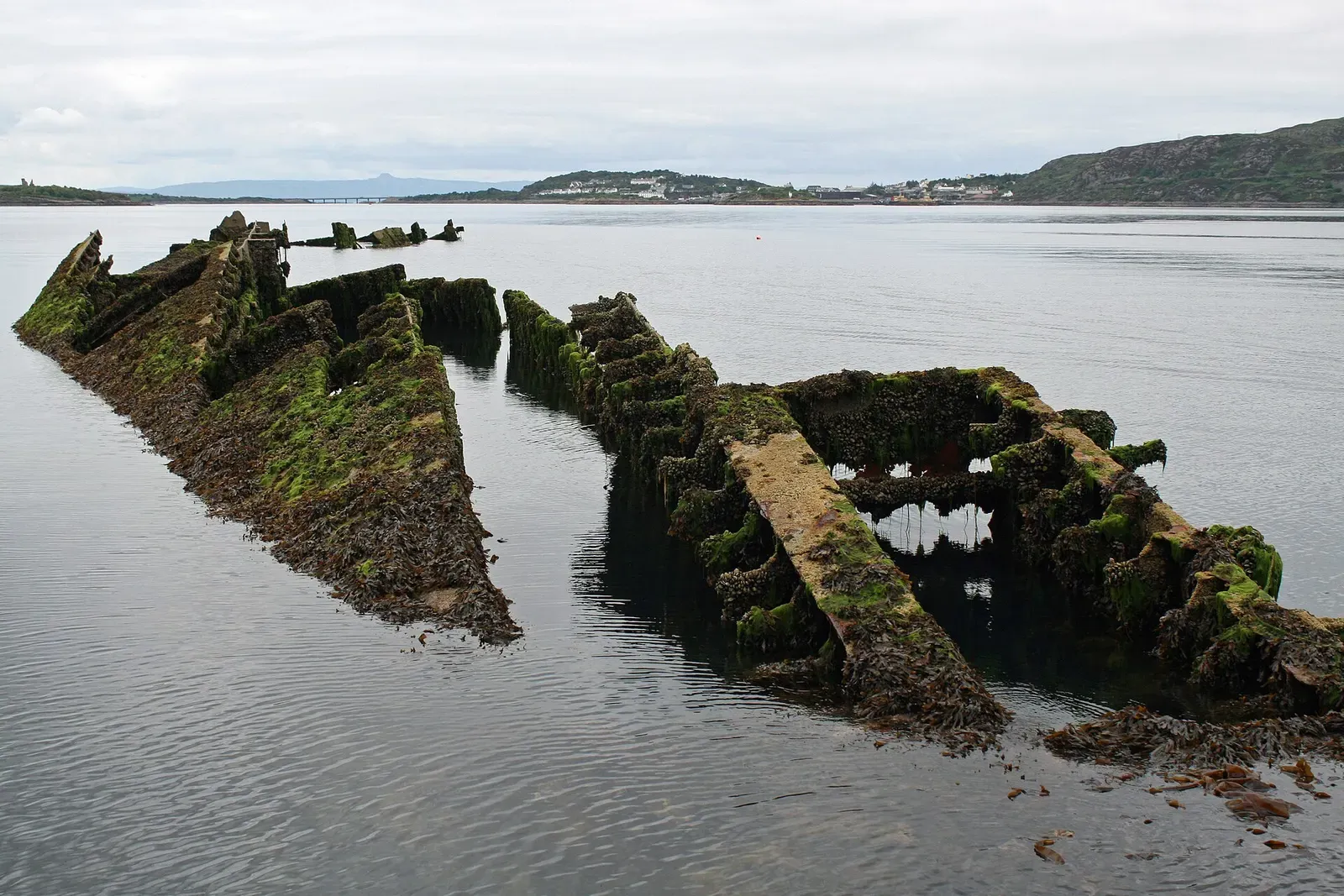
A 153 m minelayer on its side, its port side just visible at low tide
Pinnacles shaped like massive shark's teeth, a favourite for night dives
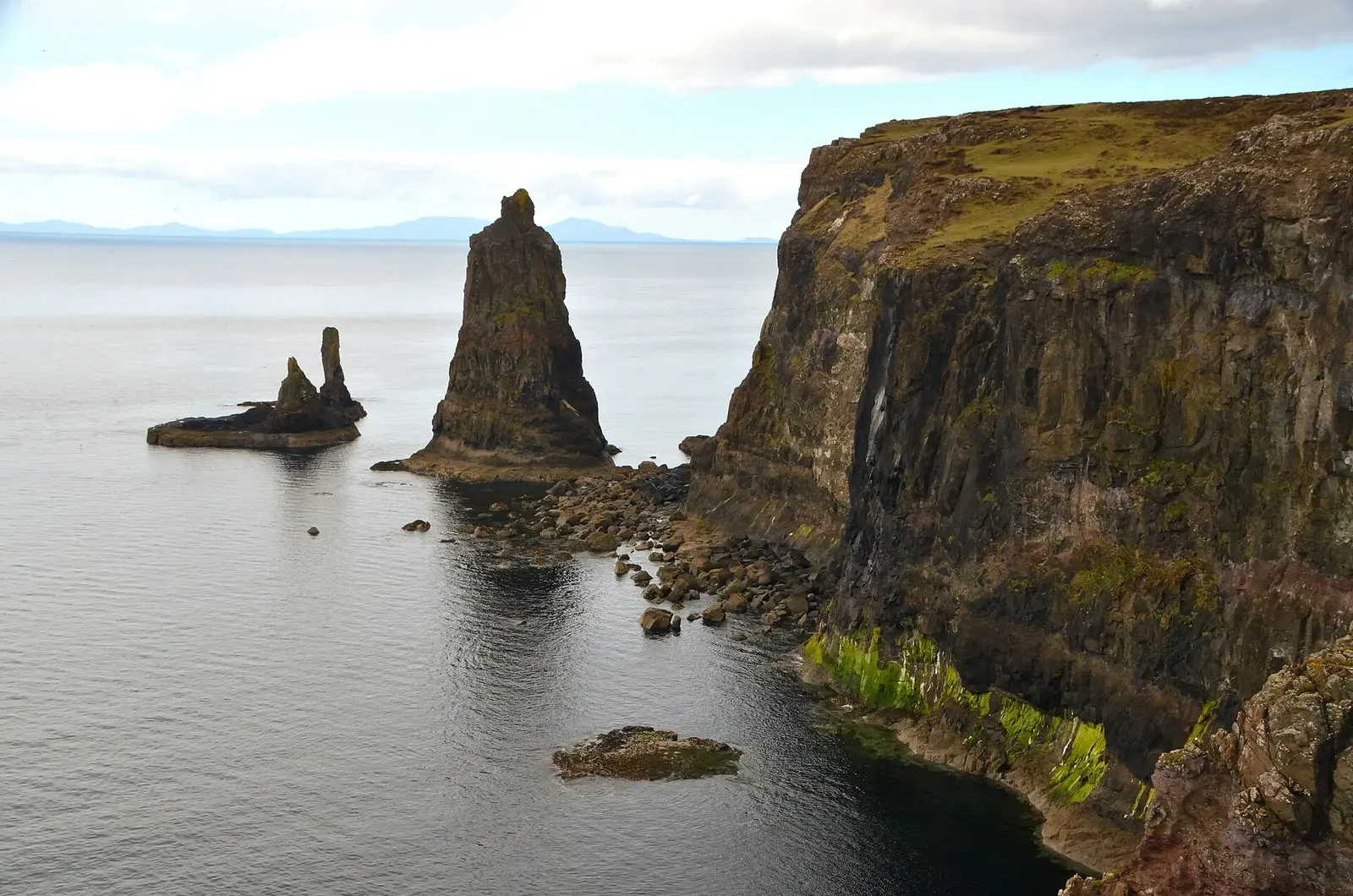
Pinnacles that widen underwater into a stepped wall of gullies and small caves
How to get to Isle of Skye
Skye has no air service; the nearest mainland airports are Inverness, Glasgow and Edinburgh. The A87 runs west through Kyle of Lochalsh and crosses the toll-free bridge to Kyleakin. The Loch Alsh charter boat works from Kyle of Lochalsh, and the island's dive centre is at Lochbay in Waternish.
Photos from Isle of Skye
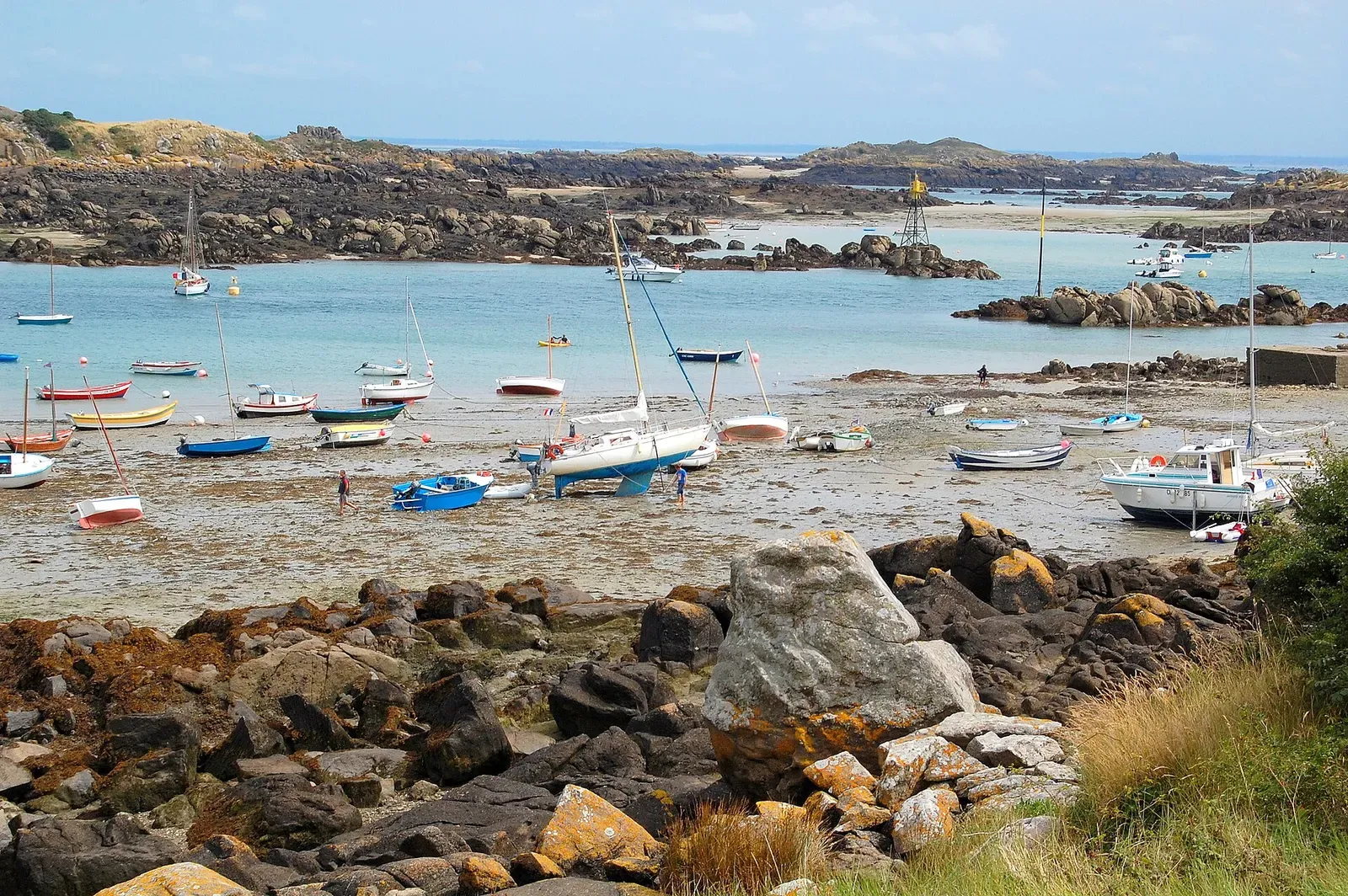
Anthony O'Neil · CC BY-SA 2.0
Dive videos
Diving Loch Bracadale, Isle of Skye with Dive & Sea the Hebrides · Dive & Sea the Hebrides on YouTube
Questions divers ask
Is the Isle of Skye dived in winter?+
Yes. Weather permitting, Skye is dived all year, and in winter the visibility can be excellent after calm spells.
Is there shore diving on Skye?+
Meanish Reef, entered from Meanish Pier in Loch Pooltiel, is a good but challenging shore dive. The Chadwick and Doris are dived from a boat launched at Meanish.
Can divers go inside the HMS Port Napier?+
It is better not to. The wreck silts up quickly when several divers are on it and can be dangerous to penetrate, and it is impressive viewed from a distance.
Is Loch Alsh protected?+
Loch Alsh, the water between Kyle of Lochalsh and Skye, is a Special Area of Conservation and is being considered as a fully protected Marine Zone.
How do divers get to Skye?+
There is no air service. Divers fly to Inverness, Glasgow or Edinburgh and drive the A87 to Kyle of Lochalsh, crossing the toll-free bridge to Kyleakin.
Sources
- Skye Diver: Exploring the Majestic Underwater Realms of Scotland's Isle of Mist — Divernet
- Welcome - Dive and Sea The Hebrides — Dive & Sea The Hebrides
- Dive Charter | The Spirit of Adventure — The Spirit of Adventure
- Portree Average Sea Temperatures — seatemperature.org
- Isle of Skye – Wikivoyage — Wikivoyage
- HMS Port Napier — Wikipedia
- Location | The Spirit of Adventure — The Spirit of Adventure
Photo credits
- A stony shore and a long slipway run out into a bright blue loch, with one person walking the beach and low hills beyond by Anthony O'Neil, CC BY-SA 2.0, via Wikimedia Commons
Embed
Run a dive centre, club or blog? Embed this map of 3 dive sites near Isle of Skye on your own page.
Similar destinations

Sweden's only cold-water coral reefs, inside its first marine national park
Two sunk navy ships and wolf-eel reefs a short boat ride from town

Four ore carriers torpedoed at their pier in 1942, still lying at 27–40 m

Century-old wrecks and kelp walls in Europe's biggest tides