Southeast Asia · Thailand
Koh Lanta & Koh Haa
Limestone caverns and swim-throughs at Koh Haa, a short boat ride out
Koh Lanta has no dive sites of its own; it is the boat base for the Koh Haa islands, 25–30 minutes offshore by speedboat, and for Ko Rok to the south. Koh Haa's highlights are the shallow, protected Lagoon, the interconnected caverns and swim-throughs of the Cathedral, and the vertical Chimney. Most dives run between 5 and 20 m, and the draw is cavern diving open to all levels, with occasional mantas and whale sharks.
About diving in Koh Lanta & Koh Haa
Every dive here starts on a boat, because the island itself has no dive sites. Speedboats leave from beaches around the island and reach Koh Haa in 25–30 minutes, while larger, slower boats out of Ban Saladan take 1.5 hours. Hin Daeng and Hin Muang are as little as 1 hour away by speedboat and 3 or 4 hours on the slow boats, which take the whole day. Boats also run to Koh Bida and Ko Rok. When the sea is too choppy to reach Koh Haa, the southern islands of Ko Wean, Ko Chueak, Ko Maa and Ko Ngai offer sheltered diving.
Koh Haa is a group of five islands about 25 km west of Lanta, separated by deep-water channels, and the diving around them takes in pinnacles, drop-offs, walls, boulders, caverns, inter-connected chambers and swim-throughs. In the Cathedral the first two chambers connect through a shallow swim-through at about 9 m, and divers can surface inside to see limestone stalactites hanging from the high ceilings. Shallow coral gardens make the safety stop part of the dive, and hawksbill turtles and octopus move among the Lagoon's corals.
The Koh Haa sites suit divers of all levels, from newly certified divers in the current-free Lagoon to those who want caverns and swim-throughs. Across the area current ranges from none to very strong depending on the site and the tide, and plankton can cut the visibility while drawing in the larger fish. The deep pinnacle trips are a different proposition: Hin Daeng drops to 50 m and Hin Muang to over 60 m, so they suit Advanced divers rather than those on their first dives.
Best time to dive Koh Lanta & Koh Haa
| Jan | Feb | Mar | Apr | May | Jun | Jul | Aug | Sep | Oct | Nov | Dec |
|---|---|---|---|---|---|---|---|---|---|---|---|
| Prime | Prime | Prime | Prime | Good | Fair | Fair | Fair | Fair | Fair | Prime | Prime |
The diving season opens at the end of October, and the westerly winds of October to May bring the high-season weather. November to April, the dry season, is the best time to dive. Jellyfish can appear from late January through April. May still has high-season weather, though the national park closes some smaller islands to visitors from 16 May. From June to early October the easterly monsoon brings storms, most dive shops are closed, and the island closures hold until 31 October. The few operators that dive all year find poorer visibility and choppier seas.
Best months: January, February, March, April, November, December
Dive types & marine life
Manta rays, whale sharks and various species of reef shark are the big animals of the wider Lanta area, and leopard sharks are common. At Koh Haa, manta rays, marble rays, eagle rays and whale sharks are spotted in the Lagoon only occasionally.
- Cave & cavern
- Wall
- Coral garden
- Manta rays
- Whale sharks
- Reef sharks
- Sea turtles
- Octopus & cuttlefish
Best dive sites in Koh Lanta & Koh Haa
- 1
Ko Haa Cathedral
A series of large interconnected caverns and swim-throughs at Koh Haa.
- 2
Ko Haa Chimney
Vertical chimney from 5 m to around 16 m, often packed with glassfish or sweepers.
- 3
Ko Haa Lagoon
Very easy, shallow site with no current, suited to newer divers.
- 4
Ko Rok Nai
Island site about 30 km south of Lanta; dives average 12 m and reach 20 m.
Site guides
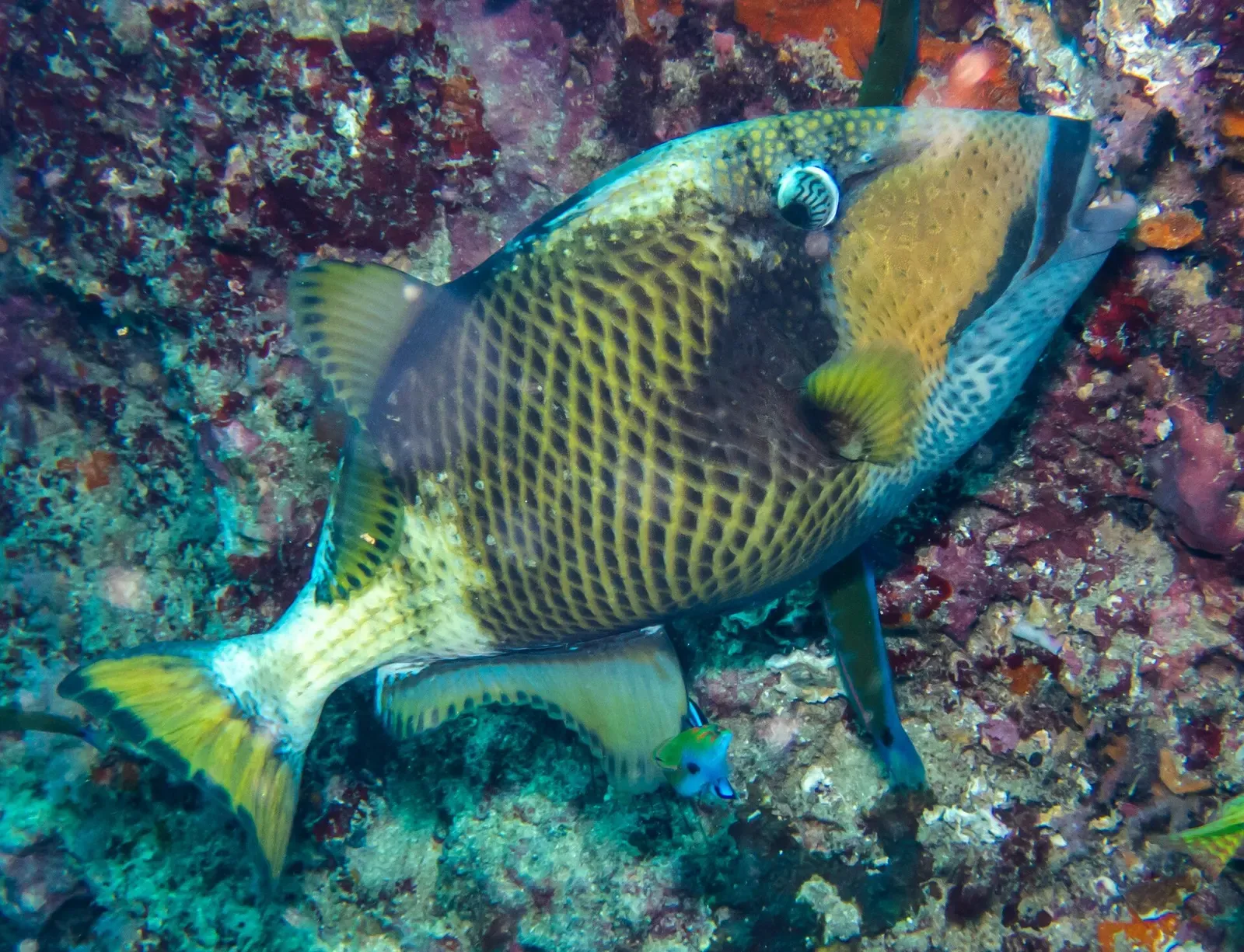
An easy Koh Haa reef of healthy coral and critters
Lagoon
A current-free lagoon between three of the Koh Haa islands
Wall
A coral wall to 30 m beside the Lagoon, a drift when the current runs
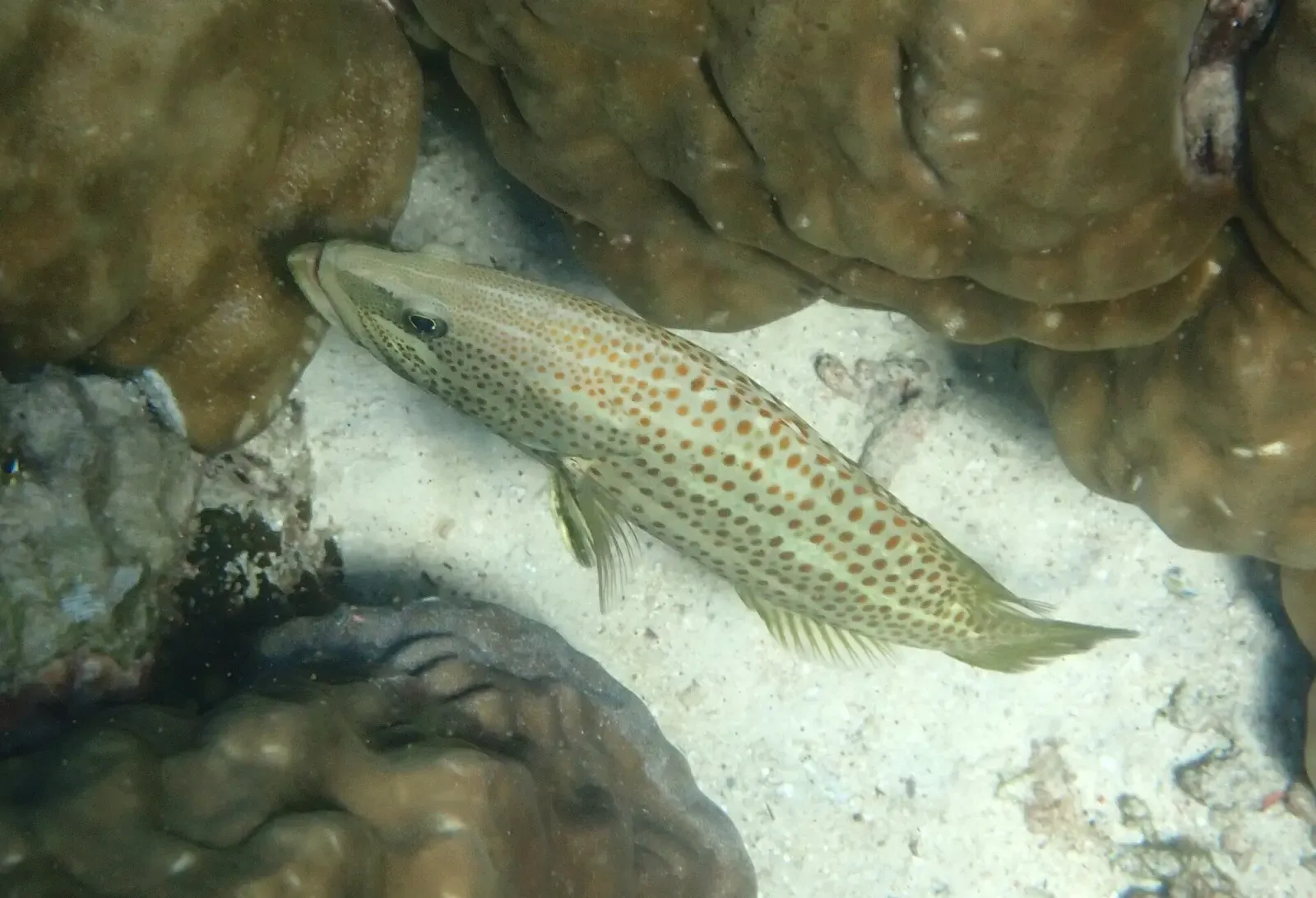
A vertical rock chimney often packed with glassfish and sweepers
Cave & cavern
Surfacing inside a limestone cavern under hanging stalactites
How to get to Koh Lanta & Koh Haa
The nearest airports are Krabi, Trang and Phuket. A scheduled van from Krabi Airport takes roughly 2.5 hours to Koh Lanta. Almost all dive shops offer free pickup from resorts towards the northern end of the island.
Dive videos
Best dive sites in Thailand. Diving Koh Haa with Lanta Diver Koh Lanta · Lanta Diver on YouTube
Koh Haa with Raya Divers Koh Lanta · rayadivers on YouTube
Questions divers ask
When is the diving season on Koh Lanta?+
The season runs from the end of October to the end of April, and most dive shops close outside it. November to April is the dry season and the best time; the few operators that dive all year find poorer visibility and choppier seas.
Can I shore dive on Koh Lanta?+
No. The island has no dive sites of its own, so every dive is a boat trip; speedboats reach Koh Haa in 25–30 minutes.
Is there a marine park fee for diving from Koh Lanta?+
Yes. Many sites fall within the Ko Lanta National Marine Park, which charges an entry fee of 200 baht per person, usually paid to the operator that runs the trip.
What certification do I need for Hin Daeng and Hin Muang from Koh Lanta?+
Some centres ask for Advanced Open Water or 20 or more dives, and Hin Daeng drops to 50 m. The Koh Haa sites are open to every level.
How do I get to Koh Lanta for diving?+
Fly to Krabi, Trang or Phuket. From Krabi Airport a scheduled van takes roughly 2.5 hours, and almost all dive shops pick divers up free from resorts towards the northern end of the island.
Sources
- Lanta Diver — Lanta Diver
- Dive & Relax — Dive & Relax
- Koh Lanta diving — Divezone
- Diving in Thailand — Wikivoyage
- Ko Lanta — Wikivoyage
- Mu Ko Lanta National Park — Wikipedia
Embed
Run a dive centre, club or blog? Embed this map of 12 dive sites near Koh Lanta & Koh Haa on your own page.
Similar destinations

An 85 m car ferry upright at 12–30 m beside the reef that sank her
Southeast Asia
A sunken train and sheltered reefs a short longtail ride from Koh Ngai
Southeast Asia
Whale Island & Van Phong Bay
Vietnam
Whale sharks and whales feeding in Van Phong Bay from April to June
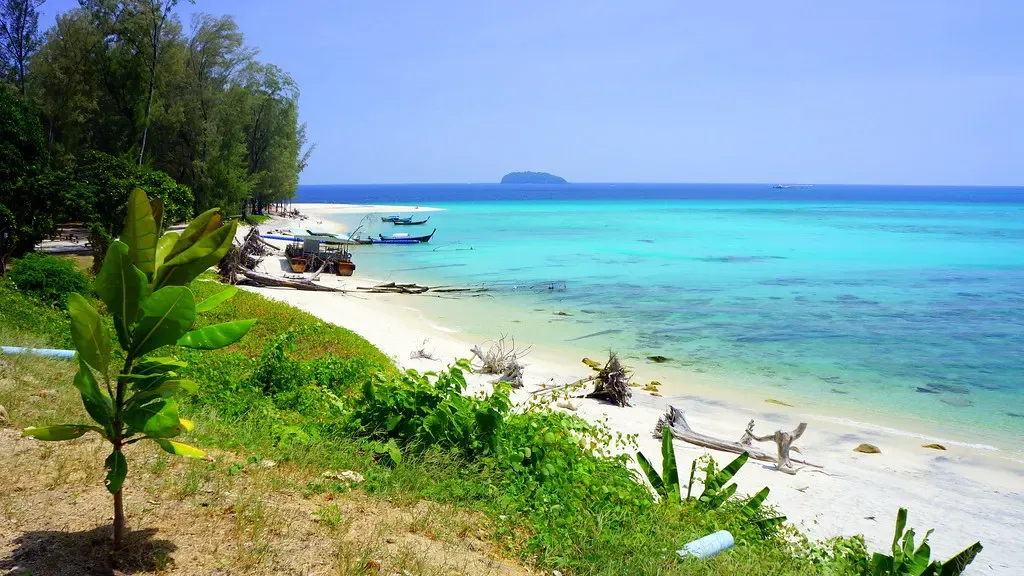
Granite pinnacles and intact park reefs off Thailand's far-southern border