Lofoten Islands · Norway · Wreck
Hadsel
Foremast still standing on a mail and passenger ship lost in 1958
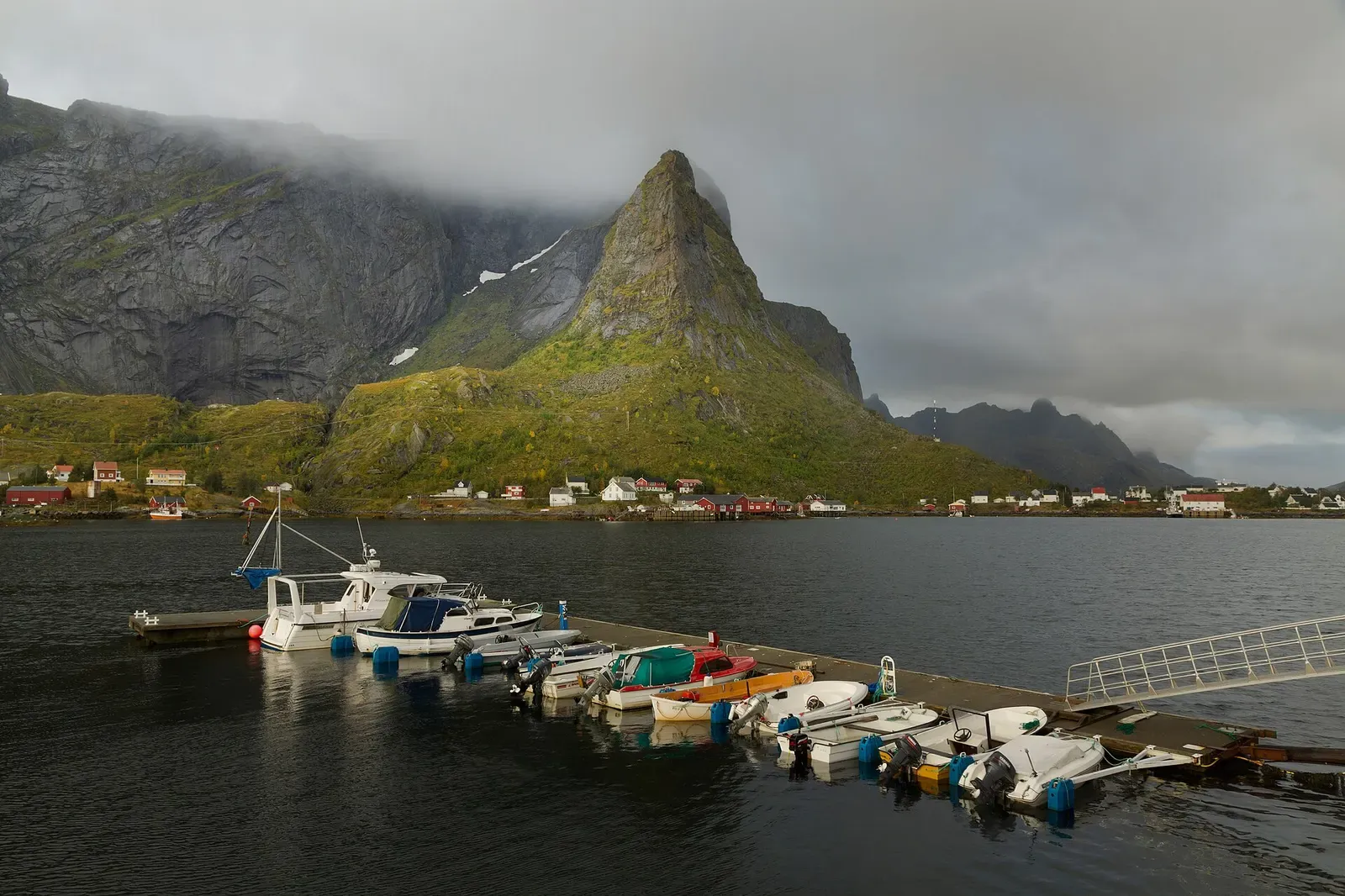
Photo: Ximonic (Simo Räsänen) · CC BY-SA 3.0
Hadsel is a coastal passenger liner that sank near Reine in January 1958 and now rests almost upright on a flat sandy bottom at around 40 m. It is one of the deeper wrecks of the Lofoten coast, and divers come for a ship with its foremast still standing and a superstructure open to penetration.
Also known as MV Hadsel.
Where it is and how deep
67.9325° N, 13.0888° EApproximate position — the dashed circle shows where the site lies; your operator's briefing has the mooring.
The dive
The hull stands almost upright on flat sand at around 40 m with a 45-degree list to port. The foremast is still standing, and an old radio receiver lies on deck among the fittings that cover the wreck.
The superstructure amidships and aft is open enough for penetration. Thousands of transparent comb jellyfish have been found gathered in the water around the ship, drifting among the details of the deck.
The wreck
- Vessel
- MV Hadsel
- Type
- Coastal passenger liner
- Length
- 67 m (220 ft)
- Sunk
- 1958
- Cause
- Caught in a strong current, she ran aground on a skerry and slid off, sinking within an hour
- Lies
- Almost upright on a flat sandy bottom at around 40 m near Reine, listing 45 degrees to port
In January 1958 the 67 m (220 ft) coaster Hadsel was carrying mail and passengers to Bodø when a strong current caught her near Reine. She ran aground on a skerry, and less than an hour later slid off it and sank into the winter sea. All 46 passengers and crew were rescued.
Marine life and season
The sources we used don't single out particular species here.
| Jan | Feb | Mar | Apr | May | Jun | Jul | Aug | Sep | Oct | Nov | Dec |
|---|---|---|---|---|---|---|---|---|---|---|---|
| Good | Good | Good | Good | Good | Prime | Prime | Prime | Fair | Fair | Fair | Good |
Season follows Lofoten Islands: Boats run all year; mid-June brings fresh kelp, July and August the warmest water, and September to November is the wettest stretch.
Know before you go
- Penetrating the superstructure amidships and aft puts divers under an overhead on a wreck at 40 m.
Dive videos
MS Hadsel · Vidar Skalevik on YouTube
The post cabin at the DS Hadsel · Morten Dyrstad on YouTube
Questions divers ask
What certification does the Hadsel wreck need?+
Deep training: the ship sits on sand at around 40 m, so even a dive that stays on deck is a deep one.
Sources
- Diving in Lofoten Norway — Scuba Diver Life
- Diving Lofoten in Norway — X-Ray Mag
- List of shipwrecks in 1958 — Wikipedia
- Reine, Moskenes — OpenStreetMap
Photo credits
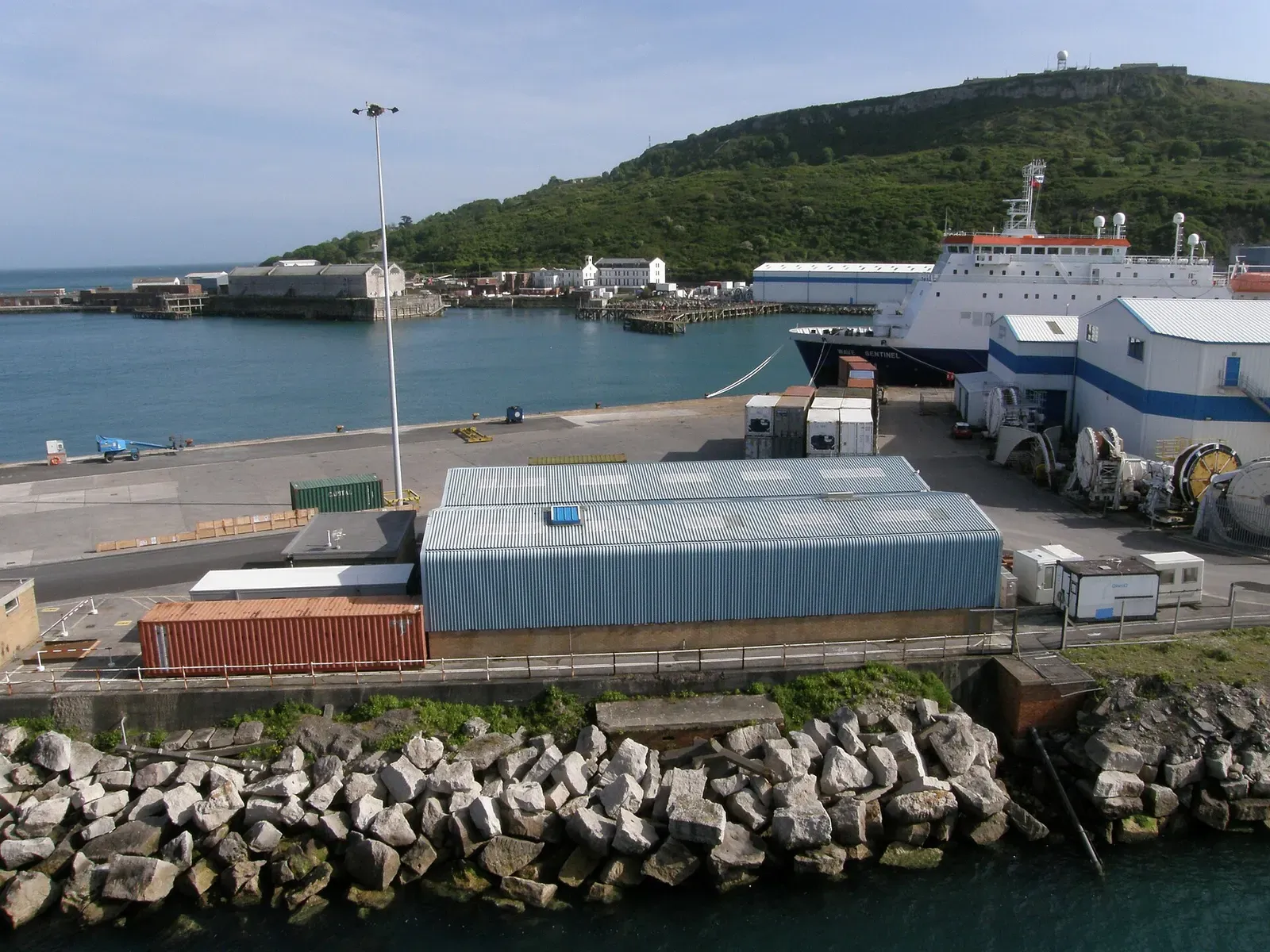
- Floating dock lined with small motorboats on dark water below a steep green peak under low cloud by Ximonic (Simo Räsänen), CC BY-SA 3.0, via Wikimedia Commons
More dive sites in Lofoten Islands
A 71 m Icelandic trawler lost in 2002, still close to whole
Cormorant guano feeding a wall carpeted in Dahlia anemones
Similar dives elsewhere
Five wrecks and a scatter of dinghies on one dive
Wreck
Birkenfels
Belgian North Sea · Belgium
A virtually intact ore carrier lying flat on the bottom far off the Belgian coast
A 1918 torpedo loss at 36 to 38 m on clean sand

A wartime wreck at 40 m with boxes of anti-aircraft heads at the bows