Cold Water · Norway
Lofoten Islands
Well-preserved wrecks and anemone-carpeted walls above the Arctic Circle
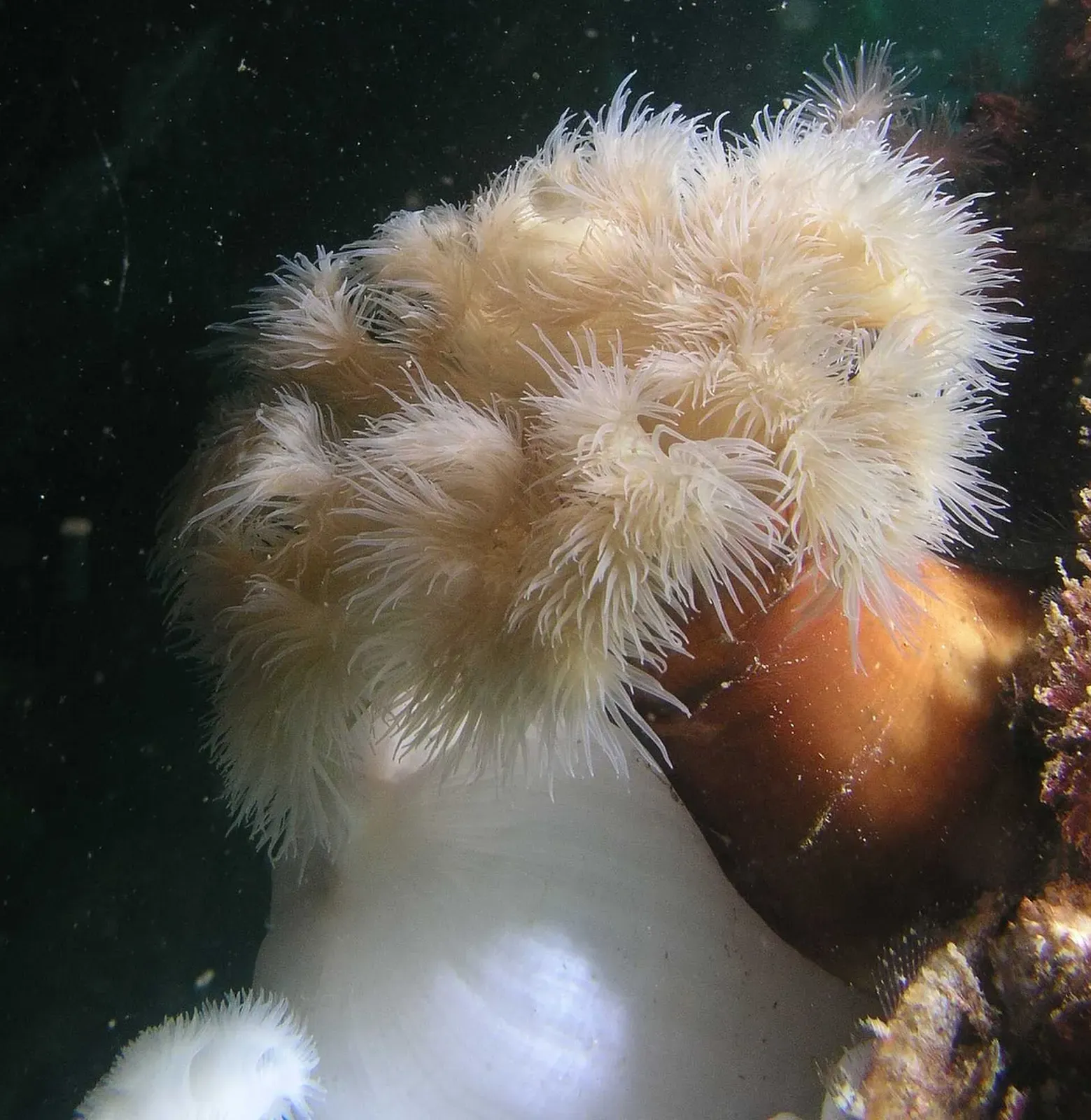
Lofoten is a group of seven islands in northern Norway, with clear cold water, kelp forests, wrecks and anemone-covered walls. A fast RIB out of Ballstad reaches the passenger liner Hadsel near Reine, the Icelandic trawler Gudrun Gisladottir, the kelp forests of the Grand Canyon and a cormorant cliff at Nusfjord whose wall is carpeted in Dahlia anemones.
About diving in Lofoten Islands
Dives run from a fast RIB that leaves Ballstad, in the middle of the chain near Leknes. The sites range from Reine and Nusfjord in the west to Svolvær and Raftsundet in the east, and the wrecks are all within easy reach of the boat. Trips run as a half day with one dive or a full day with two. Current dives through nutrient-rich straits are offered as advanced diving.
The underwater ground is rock walls, canyons and kelp. Southwest of Ballstad a swim over the kelp canopy leads into canyons where sunlight can reach below 20 m. At Nusfjord the cormorants' guano feeds a wall where Dahlia anemones grow from half a metre down to almost 20 m. Hadsel stands on a flat sandy bottom at around 40 m, where thousands of comb jellyfish have been found gathered. The kelp holds starfish, sea urchins, crabs, halibut and cod.
Lofoten suits divers who want wrecks, walls, kelp forests and critter diving in one trip, most of it open almost regardless of certification. Macro photographers have the islets and skerries just outside Ballstad Harbour, where amphipods and hermit crabs live under the kelp canopy and friendly blade shrimp sit on sand at just 12 m. Every dive is a cold-water dive, with the sea at 10 to 15 °C even in summer and early autumn.
Best time to dive Lofoten Islands
| Jan | Feb | Mar | Apr | May | Jun | Jul | Aug | Sep | Oct | Nov | Dec |
|---|---|---|---|---|---|---|---|---|---|---|---|
| Good | Good | Good | Good | Good | Prime | Prime | Prime | Fair | Fair | Fair | Good |
Diving in Lofoten runs through the whole year. March is the coldest month, with the sea at about 5 °C. By mid-June the kelp forests are fresh and green, with little growth on the fronds yet. July and August bring the warmest water, at about 12 °C. September to November is the wettest part of the year.
Dive types & marine life
Nudibranchs are numerous on the kelp, with Facelina auriculata especially prominent. Minke whales, pilot whales and seals live in the surrounding waters, and orcas join them in autumn and winter; any of them can appear on a dive, but none is a planned encounter.
- Wreck
- Kelp forest
- Wall
- Nudibranchs
- Macro critters
- Orcas
- Whales
- Seals & sea lions
Best dive sites in Lofoten Islands
- 1
MV Gudrun Gisladottir
A 71 m Icelandic trawler sunk in 2002 just west of Ballstad, dived at 27 to 40 m.
- 2
Hadsel
Passenger liner that sank near Reine in 1958, sitting almost upright with a 45-degree list.
- 3
Shit Wall, Nusfjord
Steep rock face across from Nusfjord harbour, below a cormorant colony and carpeted in Dahlia anemones.
- 4
Grand Canyon
Two vertical rock faces covered in dead men's fingers lead down to a kelp forest on the canyon floor.
- 5
MV Siw-Aina
Wreck at Svolvær, the shallowest and easiest of the islands' wrecks.
Site guides
Foremast still standing on a mail and passenger ship lost in 1958
A 71 m Icelandic trawler lost in 2002, still close to whole
Cormorant guano feeding a wall carpeted in Dahlia anemones
How to get to Lofoten Islands
Flights from Bodø reach Leknes and Svolvær in 20 to 30 minutes. Five of the islands are linked by bridges on the E10, which joins the E6 on the mainland. The dive boats leave from Ballstad, a short distance from Leknes.
Photos from Lofoten Islands
Switchback Travel · CC BY 2.0
Dive videos
Lofoten - The scuba jewel · WeDive TV (WeDive) on YouTube
Lofoten Diving · LofotenDiving on YouTube
Questions divers ask
Is a drysuit needed to dive in Lofoten?+
Not in summer, when most visitors dive in wetsuits and no drysuit experience is required. Winter visitors are advised to take a dry suit course, which runs daily in Lofoten.
What certification is needed to dive the Lofoten wrecks?+
Open Water or an equivalent is the entry requirement, and a quick refresher is offered to divers who have not dived in a while. The deeper, better-preserved wrecks call for more experience.
Which Lofoten wreck suits a newer diver?+
MV Siw-Aina at Svolvær is the shallowest and easiest of the wrecks; Hadsel, at around 40 m, is one of the deeper dives.
Sources
- Scuba Diving in Lofoten - Lofoten Diving — Lofoten Diving
- Diving in Lofoten Norway — Scuba Diver Life
- Diving Lofoten in Norway — X-Ray Mag
- Leknes Average Sea Temperatures — seatemperature.org
- Lofoten - Wikivoyage — Wikivoyage
Photo credits
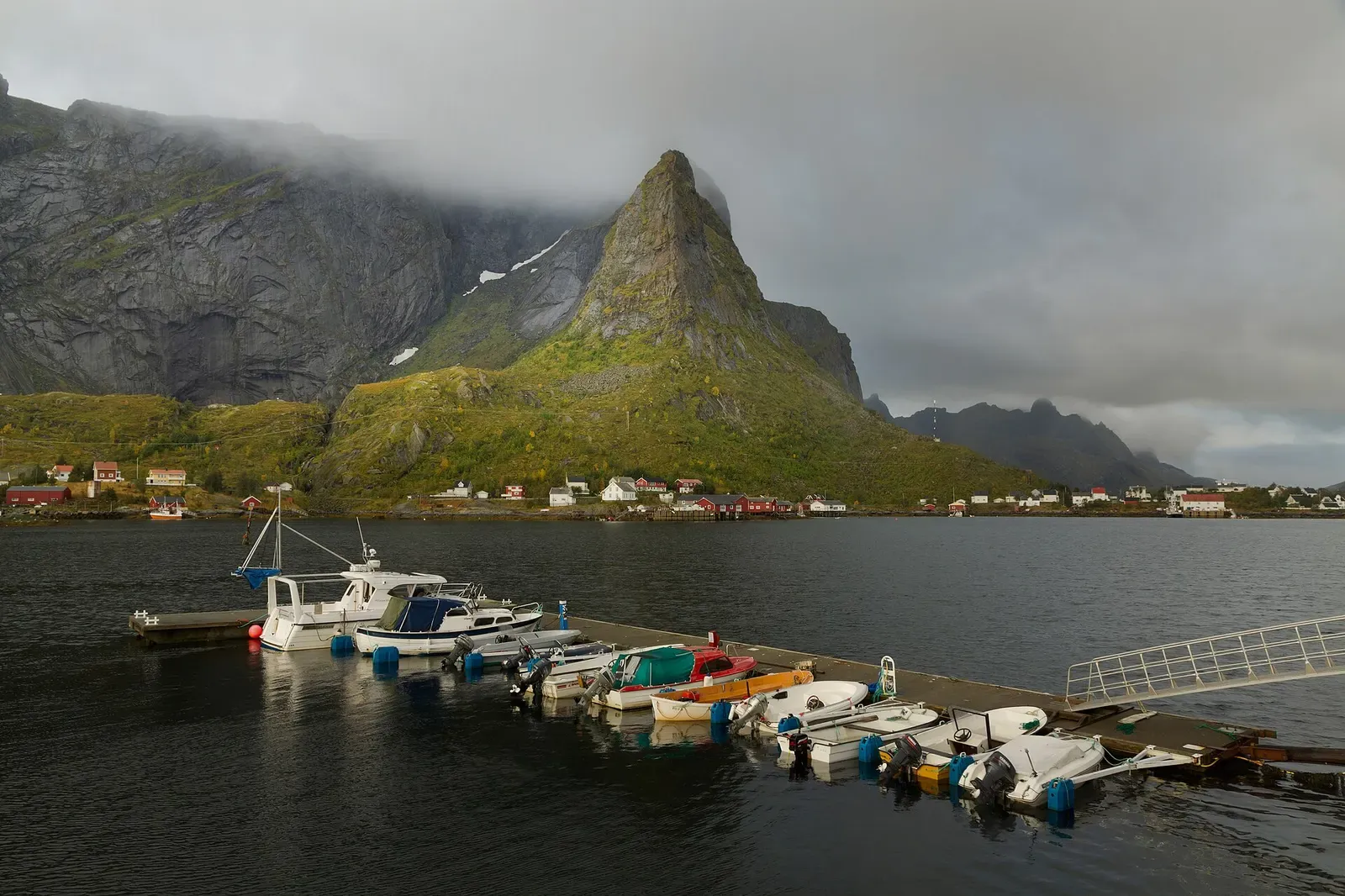
- Still bay mirroring jagged grey peaks, with red and white houses along the shore and green shrubs in the foreground by Switchback Travel, CC BY 2.0, via Openverse
Embed
Run a dive centre, club or blog? Embed this map of 3 dive sites near Lofoten Islands on your own page.
Similar destinations

Sweden's only cold-water coral reefs, inside its first marine national park
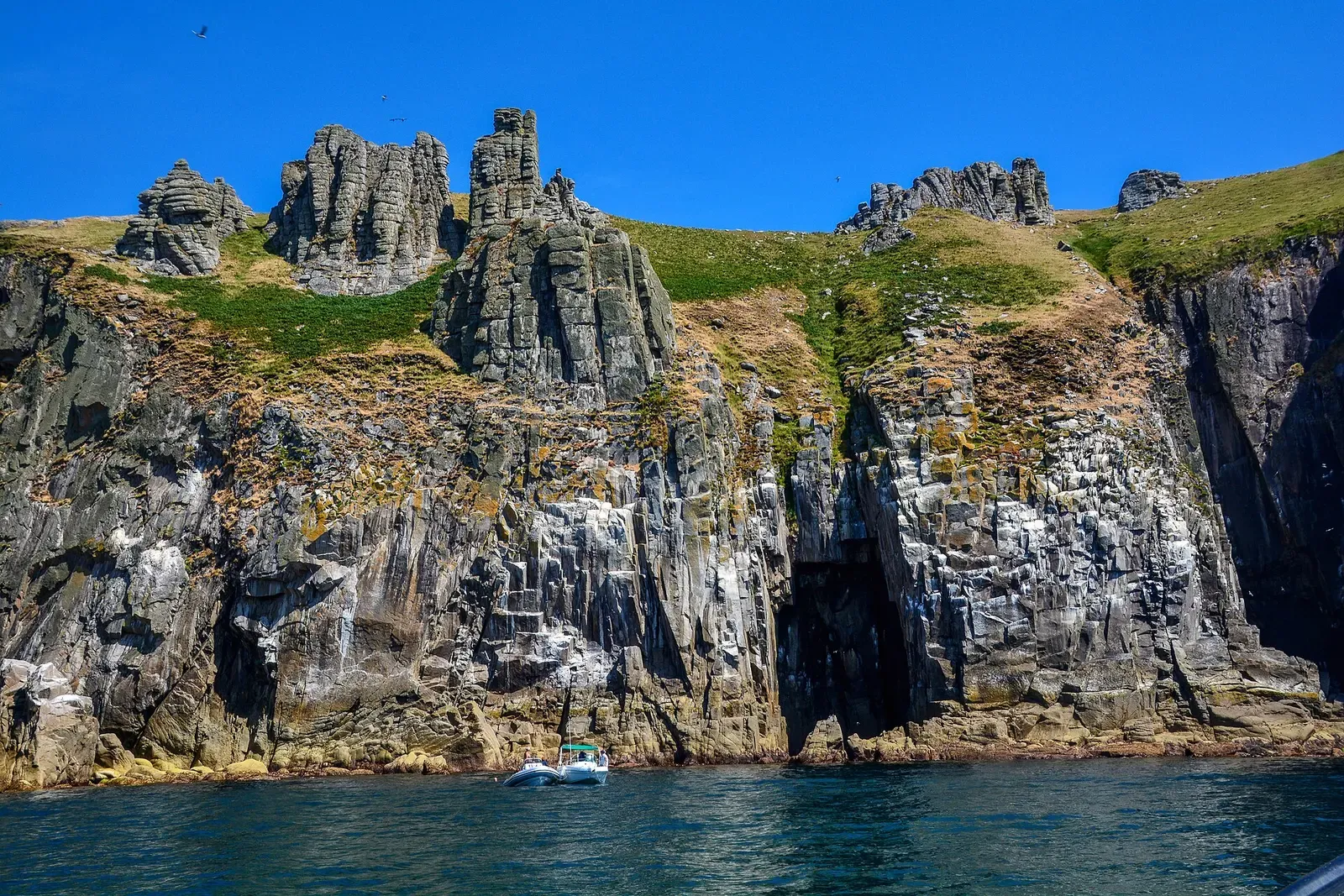
England's first marine reserve, and its grey seals follow divers around

Sherman tanks lie on the seabed beside the SS Empire Heritage
Cold-water walls, wrecks and wolf eels in Puget Sound and Hood Canal