
Mergui Archipelago · Myanmar · Seamount · Drift · Pelagic & blue water
Burma Banks
Silvertip and nurse sharks off the edge of an open-ocean bank
Area photo: Bobomyeik · CC BY-SA 4.0
A series of large flat-topped seamounts about 180 km northwest of the Similan Islands, rising from over 350 m to within roughly 15 m of the surface. Dives are guided drifts along the edge of the bank, with the big animals coming in off the open water. This is true open-ocean diving, reachable only by liveaboard, and the current can turn on you mid-dive.
Where it is and how deep
9.9800° N, 97.4100° EApproximate position — the dashed circle shows where the site lies; your operator's briefing has the mooring.
The dive
Most of the dives here are guided drifts that start on the edge of the bank, with the group facing out into open water and the top of the seamount behind them. This is where the silvertips appear, two to three metres of full-bodied shark that will come within camera range, and where nurse sharks grown over three metres cruise past. The banks sit far from any island, so the blue in front of you holds nothing but the animals swimming through it.
Turn back onto the bank and the profile flattens out. These mountains rise very gradually from the depths and their tops are covered with hard coral growth broken by large patches of sand, with the dive-able zone 15 to 30 m below the surface and plenty of time for a long swim across it. The moving water suits big reef fish: huge sweetlips and the occasional grouper on the coral, giant trevally and bigeye jacks out over the edge.
Current is the reason dive planning here is careful. Direction can change 90 to 180 degrees very quickly and very fast, so a drift that began along one edge can reverse part way through, and that is why the dives are run as guided drifts rather than left to the group. The banks are true open-ocean diving, with no island or shore to fall back on if the water turns, and they are not for everyone: divers who want a reef to hold onto will find them hard work.
Background
The banks lie in international waters, although the Myanmar government claims economic rights over them, and that quirk made them the first part of this coast open to visiting divers. They were first visited in the late 1980s and early 1990s, when they were the only place tourists were allowed, well before the wider Mergui Archipelago opened to liveaboards.
Marine life and season
- Reef sharks
- Trevally & jacks
- Groupers
| Jan | Feb | Mar | Apr | May | Jun | Jul | Aug | Sep | Oct | Nov | Dec |
|---|---|---|---|---|---|---|---|---|---|---|---|
| Prime | Prime | Prime | Good | Off-season | Off-season | Off-season | Off-season | Off-season | Off-season | Good | Prime |
Season follows Mergui Archipelago: Myanmar's Andaman coast is only accessible by liveaboard November-April; cyclone risk and rough seas close the region the rest of the year.
Know before you go
- Current can change direction 90 to 180 degrees very quickly, so stay with the guide, carry an SMB and expect the plan to change during the dive.
- This is true open-ocean diving far from any island, with nothing to shelter behind, so dive it on the guides' plan for the day rather than your own.
Dive videos
Silvertip sharks at Burma Banks · Lars Bindholt on YouTube
Rainbow Bank — Diving Remote Burma Banks for Nurse Sharks | Myanmar Dive Expedition (4K) · Dive N' Above on YouTube
Questions divers ask
How do you get to Burma Banks?+
Only by liveaboard. Most boats leave from Ranong in Thailand on five-night itineraries, with some departures from Phuket and Khao Lak. The banks lie roughly 180 km northwest of the Similan Islands, so it is a long crossing.
What sharks are seen at Burma Banks?+
Nurse sharks grown over three metres are the most common, and silvertips of two to three metres come in off the blue. Large reef fish are part of it too: huge sweetlips, the occasional grouper, giant trevally and bigeye jacks.
How deep is the diving at Burma Banks?+
The seamounts start at over 350 m and rise to a dive-able zone 15 to 30 m below the surface, so the dives themselves stay within recreational limits. The flat tops are covered in hard coral broken by large patches of sand.
Sources
- Burma Banks liveaboard diving — LiveAboard.com
- Diving Myanmar (Burma): Full Review & Tips — Divezone
- Diving the remote Burma banks: a shark enthusiast’s paradise — The Smiling Seahorse
More dive sites in Mergui Archipelago
Cave & cavern
A 20 m tunnel through the island with nurse sharks in the lower chamber
Cave & cavern
A tunnel through the island with three-metre nurse sharks inside
Similar dives elsewhere

An isolated seamount that pulls in barracuda and trevally schools

Off the plateau edge to the tip of the Eye of the Needle
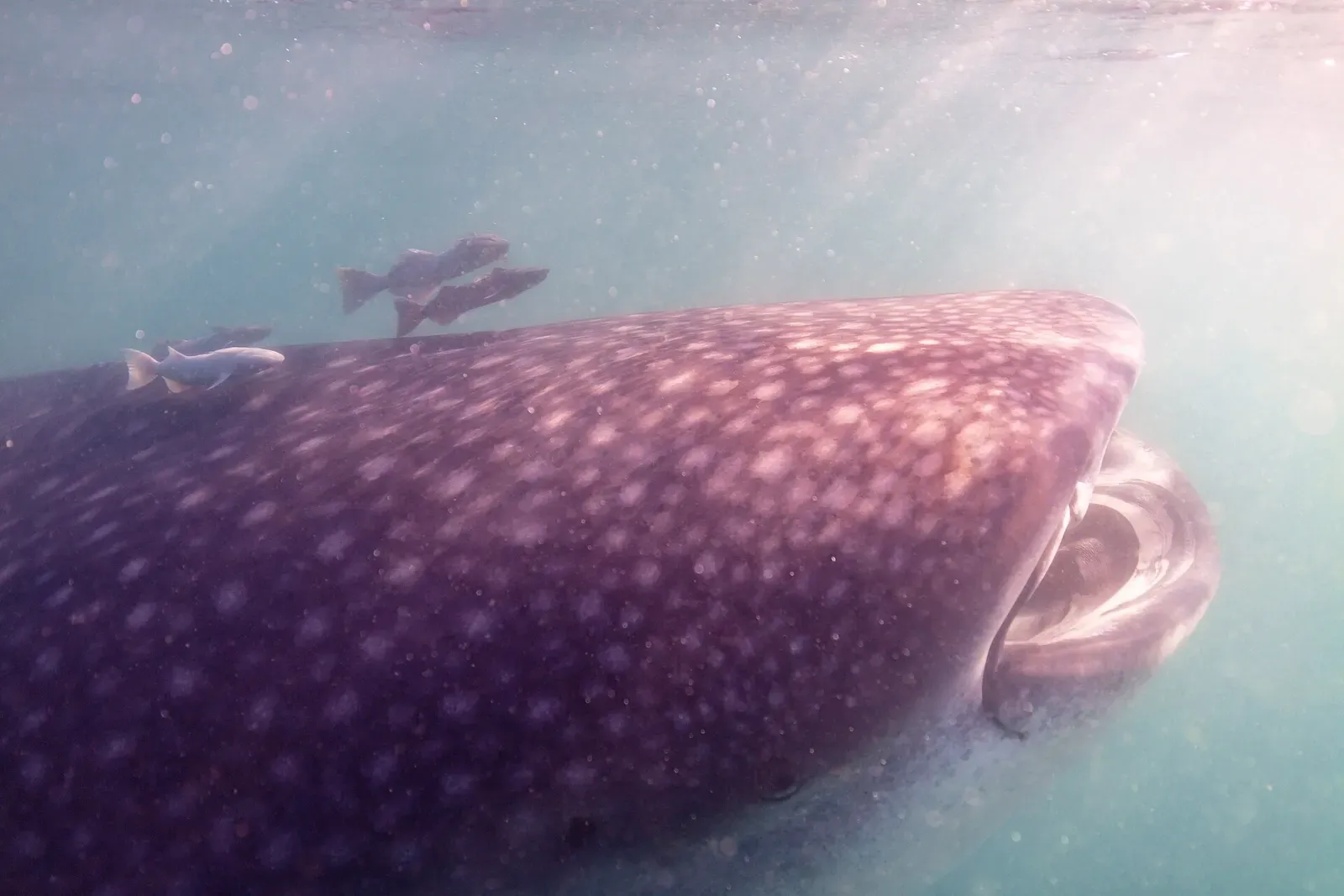
A hammerhead seamount with nothing showing at the surface
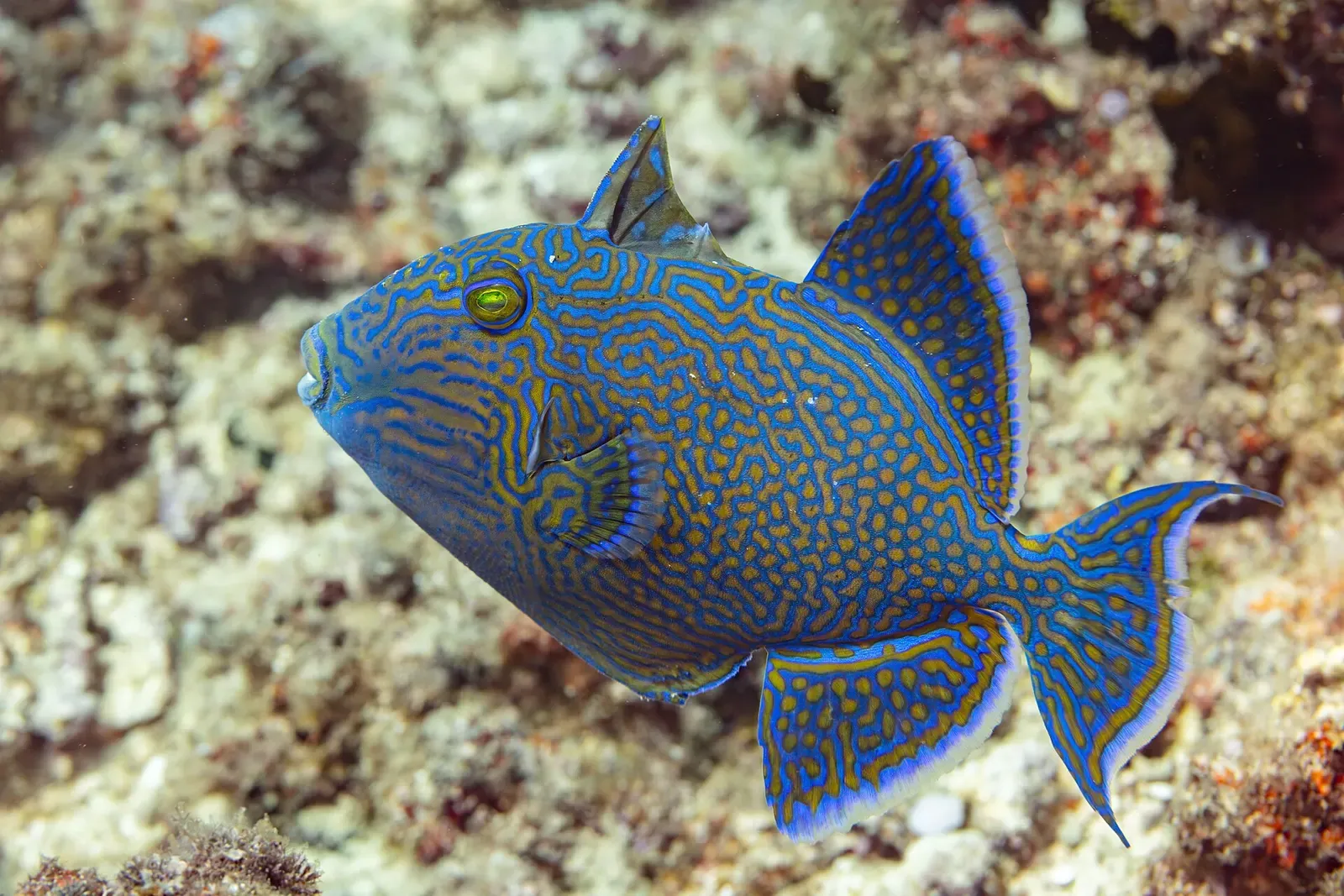

A 500 m dome where grey reef and leopard sharks patrol the slopes