Africa · South Africa
Mossel Bay
Shallow bay reefs that come alive with game fish and soft corals in mid-summer
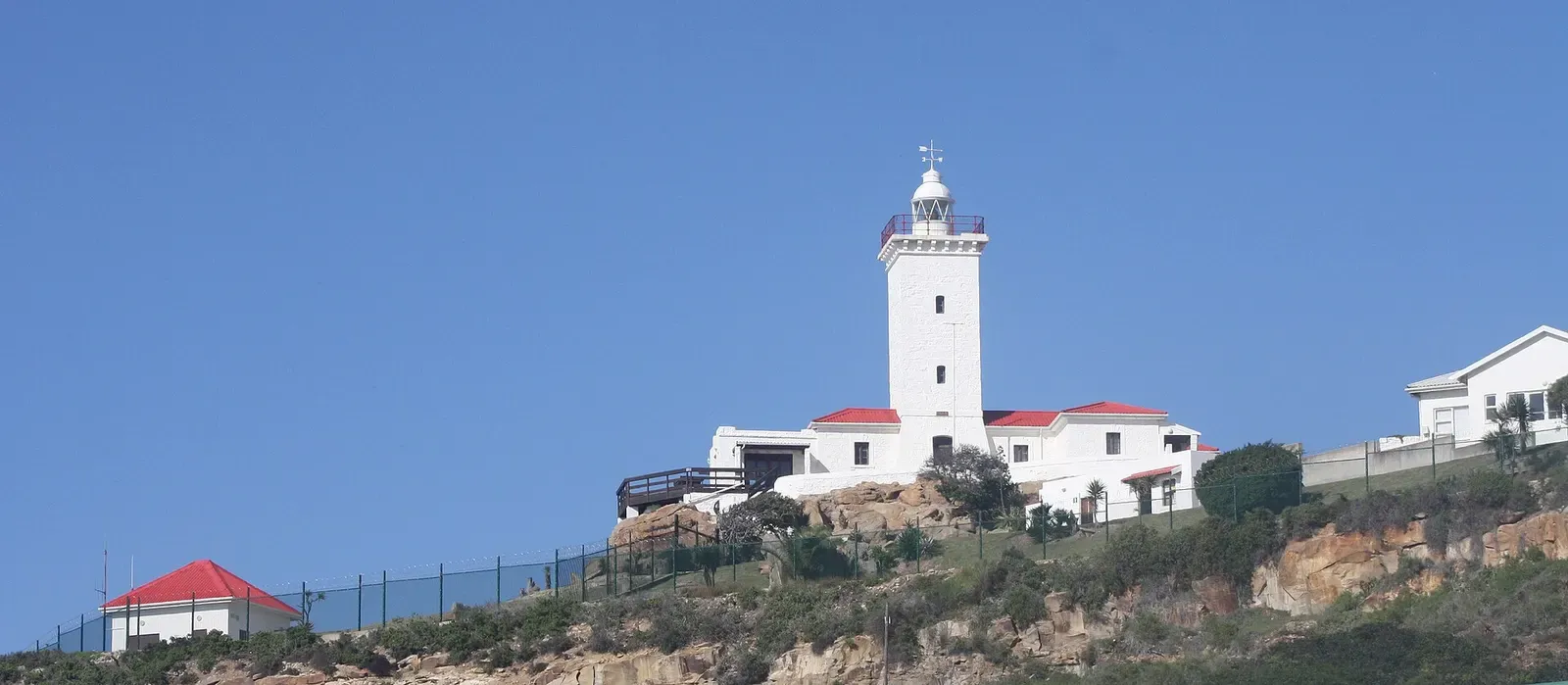
Photo: Bob Adams from Amanzimtoti, South Africa · CC BY-SA 2.0
Mossel Bay is a Garden Route harbour town with more than 20 reefs inside and around its bay, dived from the shore and from small boats. Santos Reef borders the main swimming beach at 2 to 7 m, Butterfly Wall sits at 4 to 8 m, Mitch's Reef at 8 m, and Sponge Reef lies at 22 to 25 m. Windvogel Reef drops from 3 to 20 m, reaching 33 m. The diving is seasonal and peaks in mid-summer, when game fish arrive and the soft corals bloom.
About diving in Mossel Bay
Three dive centres work from the town: Electrodive, training divers since 1985, Go Dive Mossel Bay, and Garden Route Scuba, a PADI IDC centre. Shore dives run daily for Open Water divers on the reefs in and around the bay, and rubber-duck charters reach the boat sites in less than 10 minutes from the port. Every activity is weather permitting, and booking is essential.
There are more than 20 reefs to choose from. Santos Reef, beside the main swimming beach, is a garden of featherworms, sea fans and redbait at 2 to 7 m, with octopus and schools of blacktail. Mitch's Reef carries orange sponges up to 3 m long, banks of sea grass and large red romans. Deeper out, Sponge Reef sits at 22 to 25 m, and Windvogel Reef has caves and gullies with large fish, sharks and seals. Baited shore dives visit a local population of shysharks and catsharks.
The town suits divers who are happy to work around the weather for a few good days, and those who want relaxed shallow reef dives close to shore. Visibility on this coast is not often good, so anyone coming for blue water and long sight lines should plan around that. Windvogel Reef is for advanced divers and needs a check-out bay dive first.
Water runs from about 17 °C in July, the coldest month, to about 21 °C in January. The summer peak is when tropical and game fish come in and the soft corals are at their fullest colour. The Santos, a ship carrying furs and timber, ran aground in a gale-force south-easterly in 1874; its wreck now lies mostly under sand, with the mast, anchor and chain still visible.
Best time to dive Mossel Bay
| Jan | Feb | Mar | Apr | May | Jun | Jul | Aug | Sep | Oct | Nov | Dec |
|---|---|---|---|---|---|---|---|---|---|---|---|
| Prime | Prime | Good | Fair | Fair | Fair | Fair | Fair | Fair | Fair | Good | Prime |
Diving peaks in the mid-summer months, when game fish arrive and soft corals bloom; whales pass from June to mid-November.
Dive types & marine life
Octopus, red romans, schools of blacktail and seals are the reef regulars, and baited shore dives meet the local shysharks and catsharks. Offshore days look for blue and mako sharks. Game fish and tropical species arrive in mid-summer, and whales pass between June and mid-November.
- Reef
- Wreck
- Octopus & cuttlefish
- Seals & sea lions
- Reef fish swarms
- Blue & mako sharks
- Whales
Best dive sites in Mossel Bay
- 1
Santos Reef
Reef on the western edge of the main swimming beach, 2 to 7 m, with octopus and schools of blacktail.
- 2
Windvogel Reef
Advanced reef with drop-offs from 3 to 20 m, caves and gullies, to 33 m.
- 3
Mitch's Reef
An 8 m reef with orange sponges up to 3 m long, sea grass and large red romans.
- 4
Butterfly Wall
A 4 to 8 m reef best dived from a boat to get the most time on it.
- 5
Sponge Reef
Scattered reef at 22 to 25 m with large sponges visited by red romans.
- 6
Santos Wreck
A ship wrecked in 1874, mostly under sand; the mast, anchor and chain still show.
Site guides
Reef
Long nose pipefish and shovel nose crayfish in 4 to 8 m
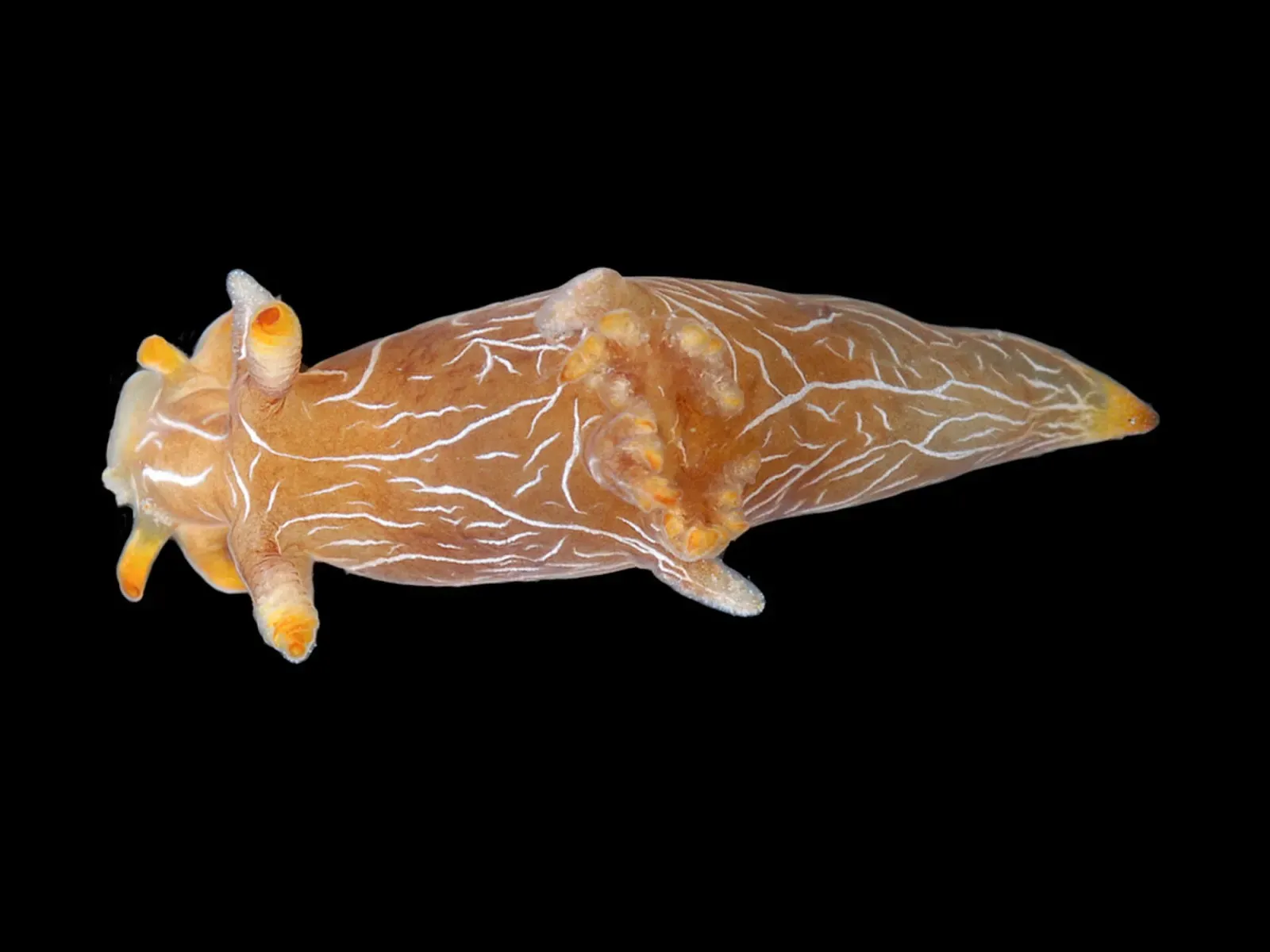
Orange sponges up to 3 m long beside banks of sea grass
Reef
Featherworm and sea-fan garden beside the main swimming beach
Reef
Large sponges and red romans at 22 to 25 m off Cape St. Blaize
Reef
Caves, gullies and drop-offs to 33 m, with sharks and seals
How to get to Mossel Bay
George Airport (GRJ) serves the Garden Route with scheduled flights and sits about 40 km east of Mossel Bay's centre. The three dive centres are in the town itself, with shore entries on the bay and boat dives leaving from Mossel Bay.
Dive videos
Scuba Diving Phluffy Reef in Mossel Bay · The DiveVibe on YouTube
Scuba diving in Mossel Bay · Fun with Willie on YouTube
Questions divers ask
What certification do the Mossel Bay dives need?+
Open Water covers the shore dives and boat dives. Windvogel Reef reaches 33 m, is for advanced divers and needs a check-out bay dive first.
When is the best time to dive Mossel Bay?+
Diving peaks in the mid-summer months, when tropical and game fish come in and the soft corals are at their fullest colour. Water runs from about 17 °C in July to about 21 °C in January.
Can Mossel Bay be dived from shore?+
Yes. Shore dives run daily for Open Water divers on the reefs in and around the bay, and Santos Reef borders the main swimming beach. Boat sites are less than 10 minutes from the port, and every activity is weather permitting.
Are there sharks at Mossel Bay?+
Baited shore dives visit a local population of shysharks and catsharks, and offshore days look for blue and mako sharks. Windvogel Reef has caves and gullies with large fish, sharks and seals.
Sources
- Electrodive — Electrodive
- Go Dive - Daily Dives — Go Dive Mossel Bay
- Go Dive — Go Dive Mossel Bay
- Garden Route Scuba — Garden Route Scuba
- Scuba Diving in Mossel Bay — Avenues Guesthouse
- Mossel Bay water temperature — Sea Temperatures
- Mossel Bay - Wikivoyage — Wikivoyage
- Diving the south coast of South Africa — Wikivoyage
Photo credits
- White Cape St Blaize lighthouse with red-roofed keepers' buildings on a rocky headland by Bob Adams from Amanzimtoti, South Africa, CC BY-SA 2.0, via Wikimedia Commons
Embed
Run a dive centre, club or blog? Embed this map of 4 dive sites near Mossel Bay on your own page.
Similar destinations
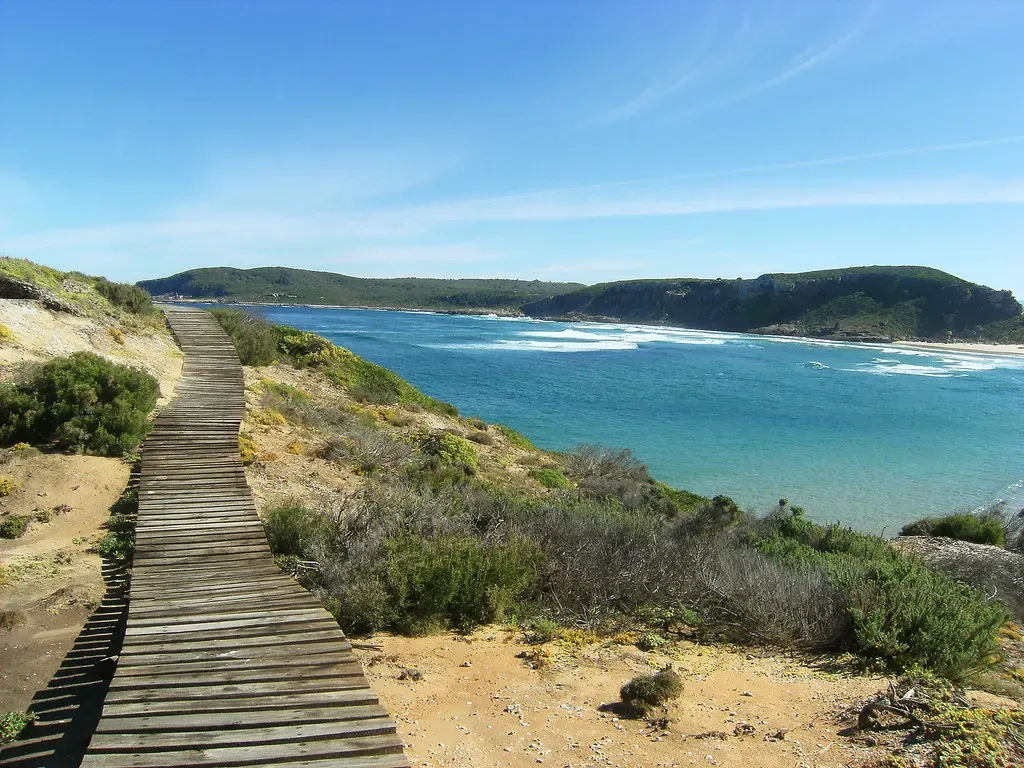
Shallow seal dives on the sand off the Robberg Peninsula colony

Equatorial volcanic pinnacles almost nobody has dived
Africa
Diani Beach
Kenya
Whale sharks from November to February and 29 sites within 40 minutes

.jpg)
Half a century of protection on one of Africa's oldest marine reserves