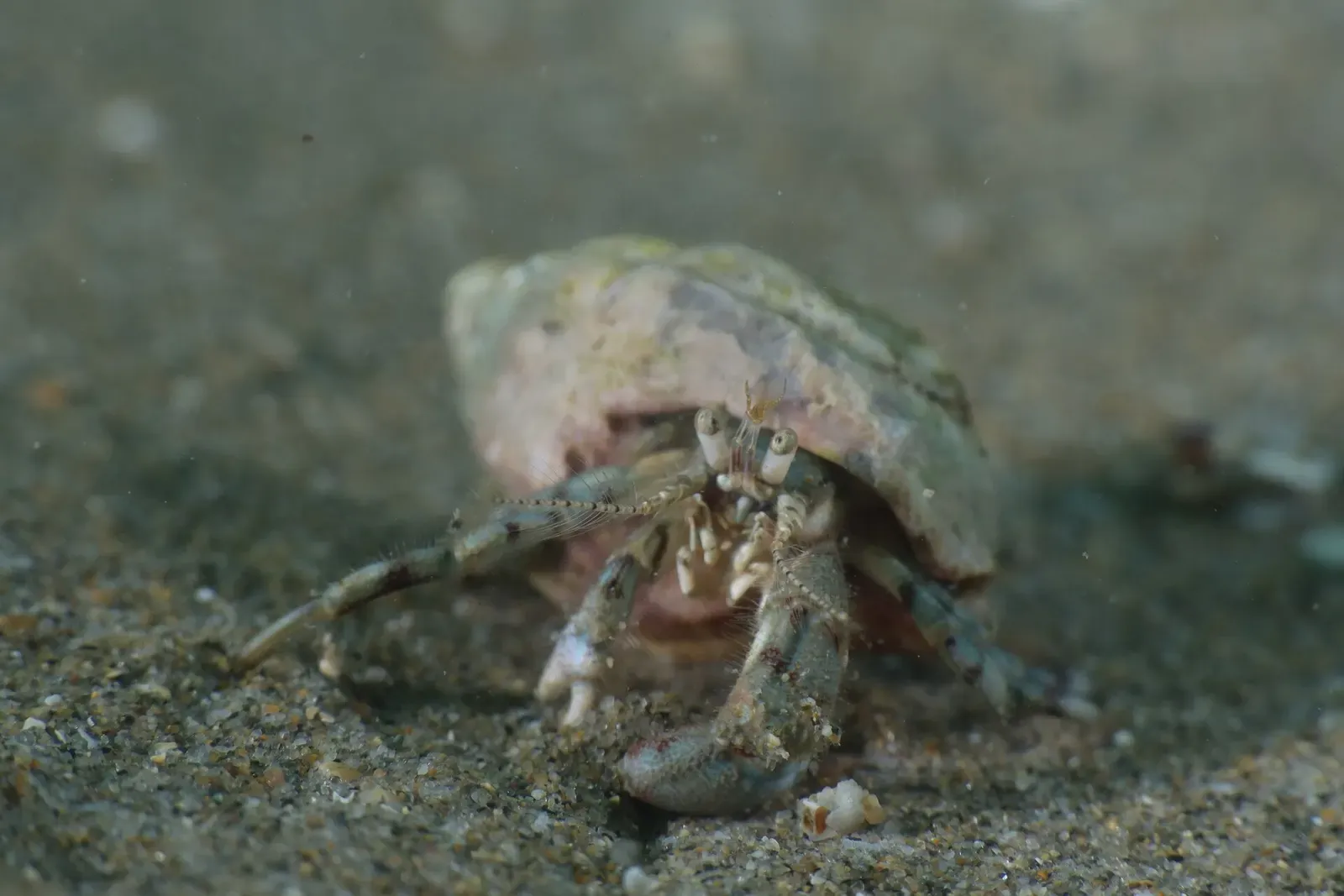
Palavas-les-Flots, Carnon & Villeneuve-lès-Maguelone · France · Reef
La Réserve
Fields of white gorgonians on a bank closed to fishing
Area photo: Julien Renoult · CC BY 4.0
La Réserve is the dived part of the Réserve Marine de la Côte Palavasienne, a rock plateau on the Cousança bank where fishing and spearfishing are banned and diving is confined to one regulated zone. The ground runs from 6 to 16 m, with fields of white gorgonians between 9 and 16 m and grouper that have come back under the reserve effect.
Also known as Cousança, Couzensa, Réserve Marine de la Côte Palavasienne.
Where it is and how deep
43.5017° N, 4.0062° EApproximate position — the dashed circle shows where the site lies; your operator's briefing has the mooring.
The dive
Boats pick up one of the three ecological moorings in the Cousança sector, inside the buoyed zone where diving is allowed, and no more than five may be there at once. Below, the relief is a broad rock plateau at about 10 m, edged with small drop-offs falling to 10 to 14 m. The authorised ground covers the Cousança rock itself, roughly 200 m long and 100 m wide, so the whole rim of the plateau is worth diving.
The classic route is to drop onto the deepest part first and then work back up to the fault zone, following it east or west. Between 9 and 16 m the rock carries fields of white gorgonians moving in the current, and the scree at the foot of the site begins at 18 m. Visibility is typical of the Languedoc coast — usually 3 to 8 m, and clearly better in late spring and summer.
What the reserve protects is what you look for. Lobster, crawfish and galathea crabs sit in the holes, octopus and cuttlefish are out on the rock, and there are enough nudibranch species to justify a macro lens. Grouper are among the emblematic species the managing association counts as returned under the reserve effect. Fishing and spearfishing stay banned across the whole reserve.
Background
The Réserve Marine de la Côte Palavasienne was created in 2016 on the initiative of the Prud'homie of Palavas-les-Flots fishermen and the commune, as a fishing cantonnement. Its protection status has since been made permanent, for an unlimited duration. Fishing and spearfishing remain banned throughout; diving is authorised in the zone described as regulated and remains forbidden in the reinforced-protection zone. The managing association reports the return of emblematic species.
Marine life and season
- Groupers
- Octopus & cuttlefish
- Nudibranchs
- Macro critters
| Jan | Feb | Mar | Apr | May | Jun | Jul | Aug | Sep | Oct | Nov | Dec |
|---|---|---|---|---|---|---|---|---|---|---|---|
| Fair | Fair | Fair | Fair | Good | Prime | Prime | Prime | Prime | Good | Fair | Fair |
Season follows Palavas-les-Flots, Carnon & Villeneuve-lès-Maguelone: Clubs dive year-round, but logged visibility sits near 2 m and the sea at 10-12 °C from January to March; one club runs seven days a week in July and August.
Know before you go
- Diving is allowed only inside the buoyed regulated zone and is banned outright in the reinforced-protection zone, so the reserve advises going with a club or professional who knows the marks.
Questions divers ask
Can you dive in the Palavas marine reserve?+
Yes, but only in the regulated zone, and not in the reinforced-protection zone. Mooring is limited to five boats at a time on three ecological moorings in the Cousança sector, and the reserve strongly recommends diving with a professional or a club.
How deep is La Réserve?+
The dive runs between 6 and 16 m: a plateau at about 10 m with small drop-offs to 10-14 m, and scree starting at 18 m below the site.
Sources
- Plongée à La Réserve — Plongée Carnon
- Plonger à la RMCP — Réserve Marine de la Côte Palavasienne (AGRMCP)
- Une nouvelle étape pour la protection de la RMCP — AGRMCP
- Couzensa — Octopus Plongée
- La Réserve, dive site — Scubago/SSI
More dive sites in Palavas-les-Flots, Carnon & Villeneuve-lès-Maguelone
Reef
A wide scree field at 8-14 m for slow hunting
Wreck
A hollow 12 m cistern alone on the sand at 11 m
Pinnacle
An offshore sec in the current, 25 m up to 19 m
A plateau of faults and posidonia beside a white-sand valley
Caves and faults on a 6-9 m plateau
Reef
A 4-6 m bank 400 m off the beach, used for first dives
Reef
Big overhangs and a dolmen block on an offshore bank
Reef
A 60 m rock at 6-10 m, full of holes
Similar dives elsewhere
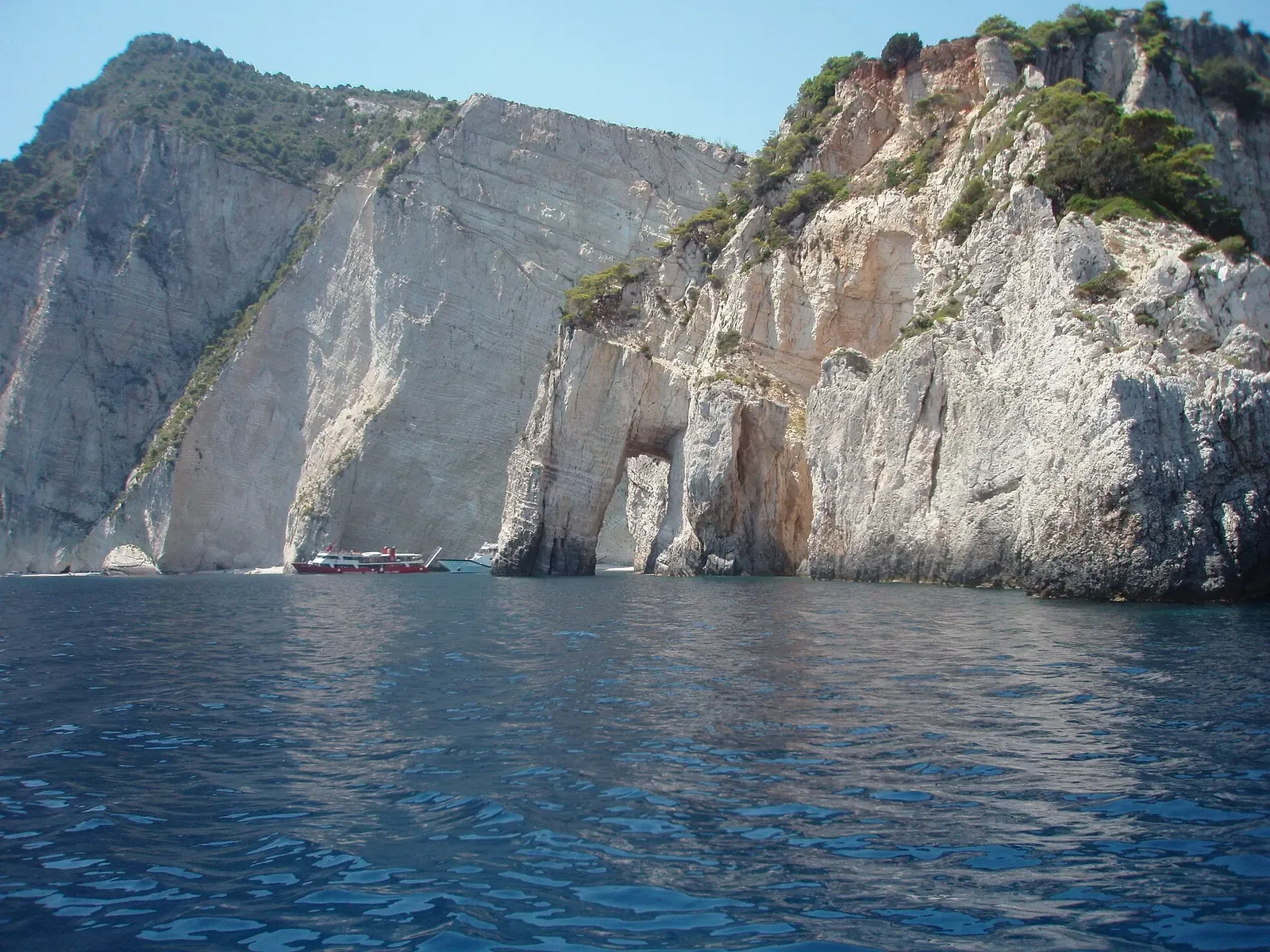
Octopus holes on the slope and lobsters on the drop-off
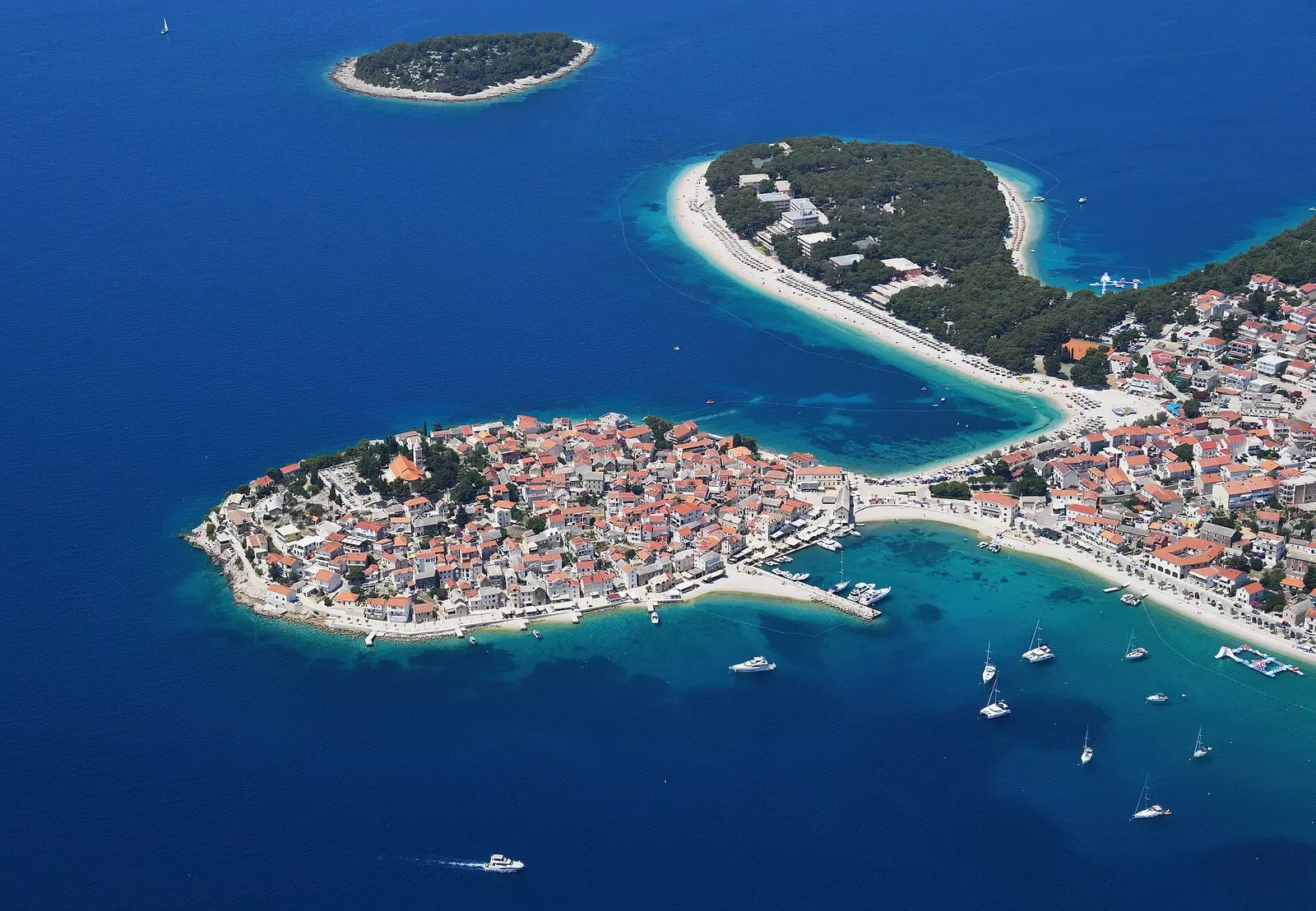
A reef grown over 2,000-year-old amphorae at 13-18 m
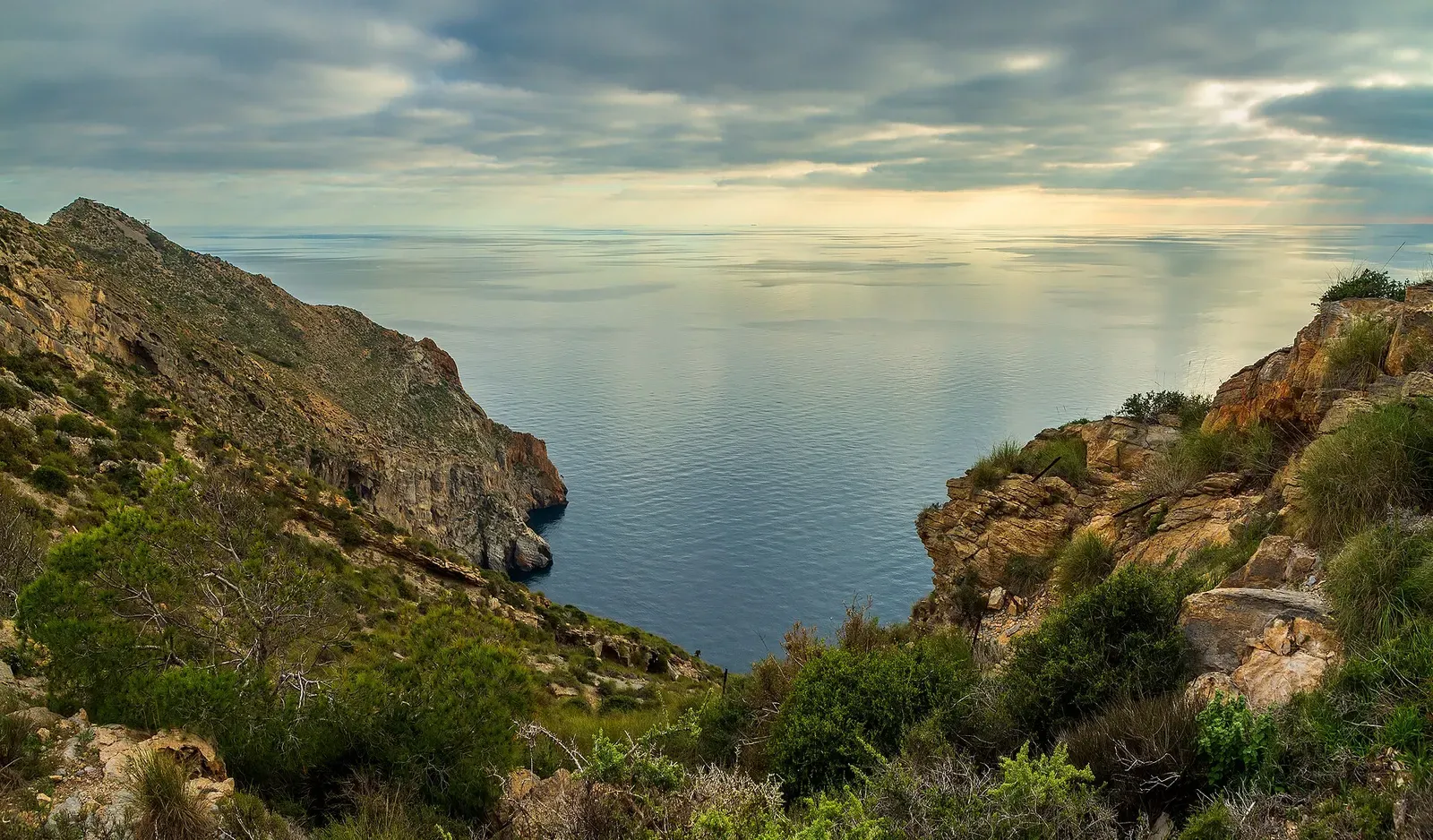
An island wall from 2 m to 18 m over posidonia meadow


A small sponge-lined cavern at 22 m off the lighthouse islet