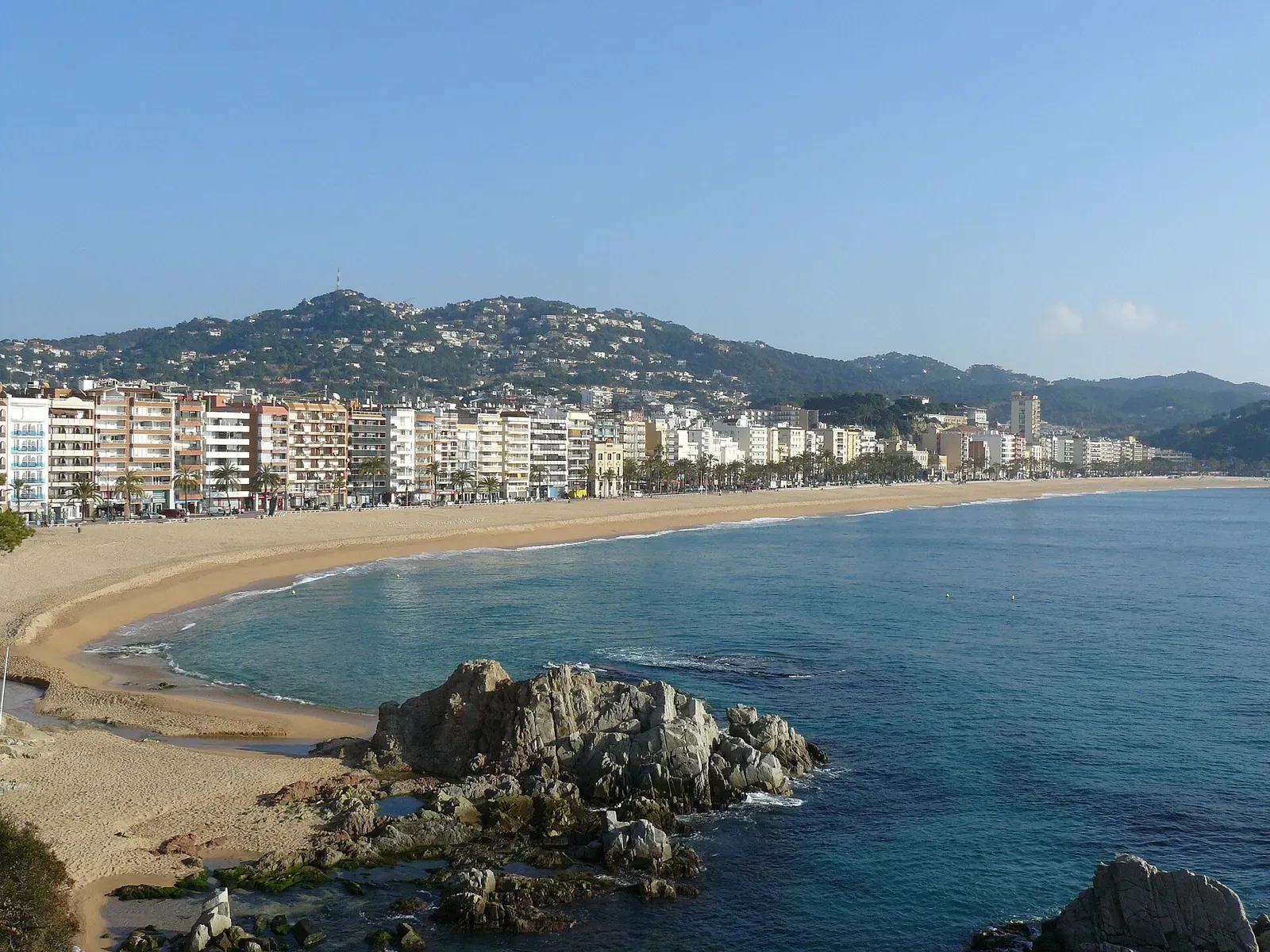
Costa Brava · Spain · Reef
Punta Santa Anna - La Seca
Sixteenth-century cannons on a 3 to 17 m shore dive
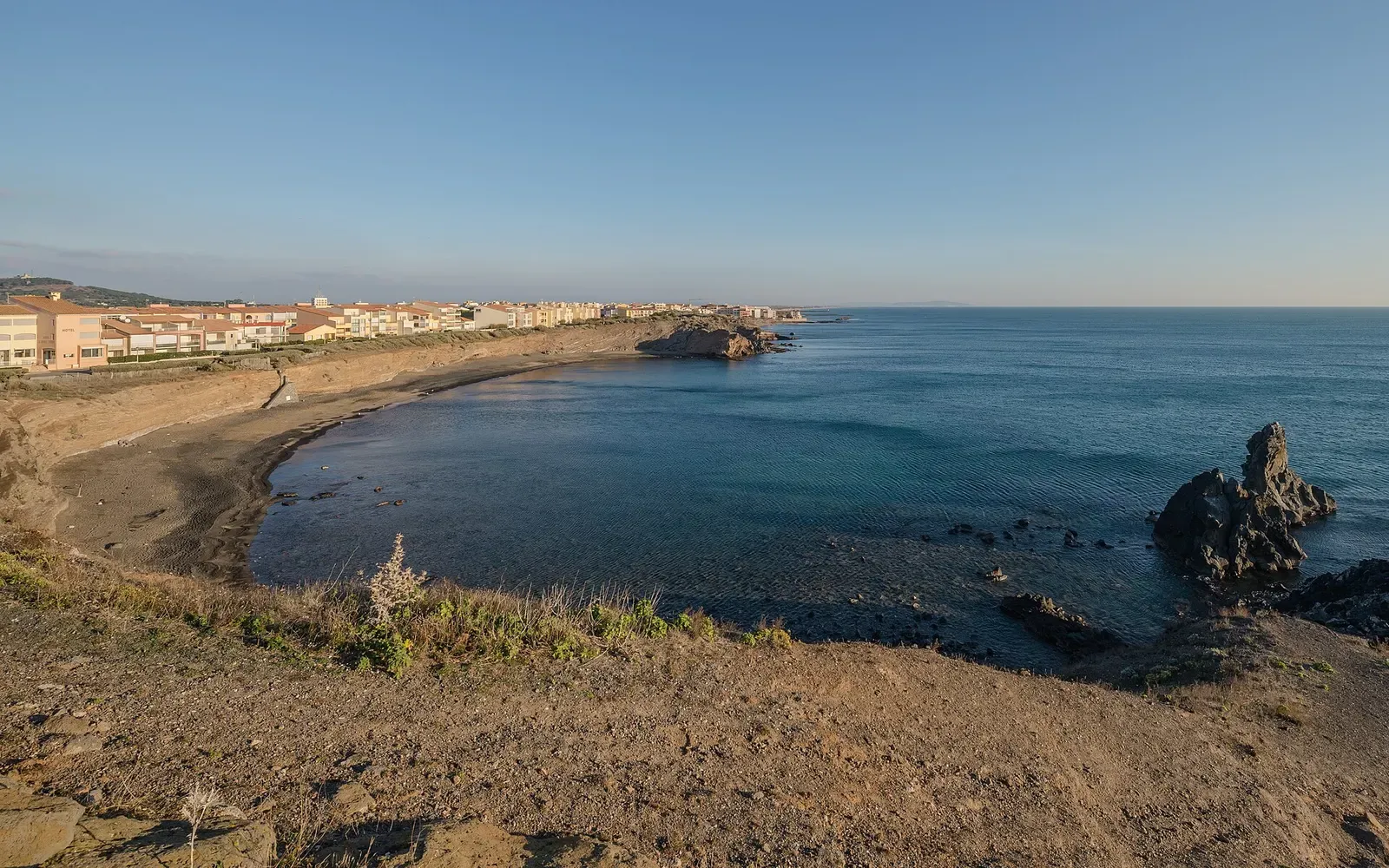
Area photo: Xavigivax · CC BY-SA 3.0
A shore dive behind Blanes port over sand, Posidonia and rock, running from 17 metres out at the point to three metres in against the shallows. That rising profile wrecked a good many ships, and sixteenth-century falconets and cannons still lie on the bottom among the more ordinary business of morays, octopus and the occasional seahorse.
Also known as La Seca.
Where it is and how deep
41.6739° N, 2.8019° EPublished position for this site.
The dive
You walk in at the cove and the dive is shaped by the profile rather than by any one feature: 17 metres out at the point, shallowing to three against the rock, over a mixed bottom of sand, Posidonia and granite. That mix is what makes it worth the slow pace, because each of the three holds different animals and the transitions between them are only metres apart.
The archaeology is what sets the dive apart. The shallowing ground here took a good number of ships over the centuries, and a few sixteenth-century falconets and cannons remain on the bottom to be looked at. They are scattered remains rather than a located hull, so there is nothing to swim into and nothing to move; find them, look, and leave them where they are.
Between the guns, the ordinary life of the cove is good value. A wide variety of fish works the rock and the Posidonia edges, nudibranchs are on the stone, octopus sit in the holes, morays are back in the cracks, and a few seahorses hold on in the meadow. With a maximum of 17 or 18 metres and a walk-in entry, the dive is limited by patience rather than by gas.
Background
The profile off Punta Santa Anna rises from 17 metres to three against the rock, and that shallowing ground accounted for a good number of ships over the centuries. What is left of them is scattered rather than intact: divers still pass a few falconets, the light cannon of the period, and larger cannons of the sixteenth century lying among the sand, Posidonia and granite. No source identifies the vessels the guns came from, so the site is best understood as archaeological remains on the seabed rather than as a named wreck.
Marine life and season
- Nudibranchs
- Octopus & cuttlefish
- Macro critters
| Jan | Feb | Mar | Apr | May | Jun | Jul | Aug | Sep | Oct | Nov | Dec |
|---|---|---|---|---|---|---|---|---|---|---|---|
| Fair | Fair | Fair | Fair | Good | Prime | Prime | Prime | Prime | Good | Fair | Fair |
Season follows Costa Brava: Water holds above 20 °C from June to October and tops out around 25–26 °C in August; winter dives run at 12–14 °C.
Questions divers ask
Can you dive the cannons at Blanes?+
Yes. Punta Santa Anna is a shore dive between 3 and 17 metres, and sixteenth-century falconets and cannons lie on the bottom among the sand, Posidonia and rock. They are scattered archaeological remains, not an identified wreck to swim into.
Sources
- Punta Santa Anna - La Seca - Scubago — Scubago
- Blanes-Sub dive sites — Blanes-Sub
- Blanes - Wikivoyage (Spanish) — Wikivoyage
More dive sites in Costa Brava
Reef
23 m at the top, 35 m at the bottom, deep ticket required
Beach entry along the jetty to about 7 m
Two route options from a 19 m anchorage down to 24 m
Reef
Low granite at 30 m, half a mile off Sa Palomera
Reef
Rock steps from an 18 m anchorage down to 25 m
Three granite arches on a 12 m shore route
Anchor line into the canyon between two rocks
Pinnacle
Underwater mountain five minutes out of Blanes port
Similar dives elsewhere
A reef grown over 2,000-year-old amphorae at 13-18 m

A small sponge-lined cavern at 22 m off the lighthouse islet
A rock off the town's port, 5 m down to 24 m

Two 2 m blocks where a dive can count fifty spiny lobsters