Plymouth Sound & HMS Scylla · United Kingdom · Wreck · Artificial reef
HMS Scylla
A whole frigate laid down on sand as Europe's first artificial diving reef
Photo: Tim Sheerman-Chase · CC BY 2.0
HMS Scylla is a Royal Navy Leander class frigate placed on the seabed of Whitsand Bay in 2004 as Europe's first artificial diving reef. The ship sits upright on sand, her decks spanning a wide range of depths, which makes her a training wreck for divers building confidence in British water.
Also known as Scylla, Ex-HMS Scylla.
Where it is and how deep
50.3278° N, 4.2527° WPublished position for this site.
The dive
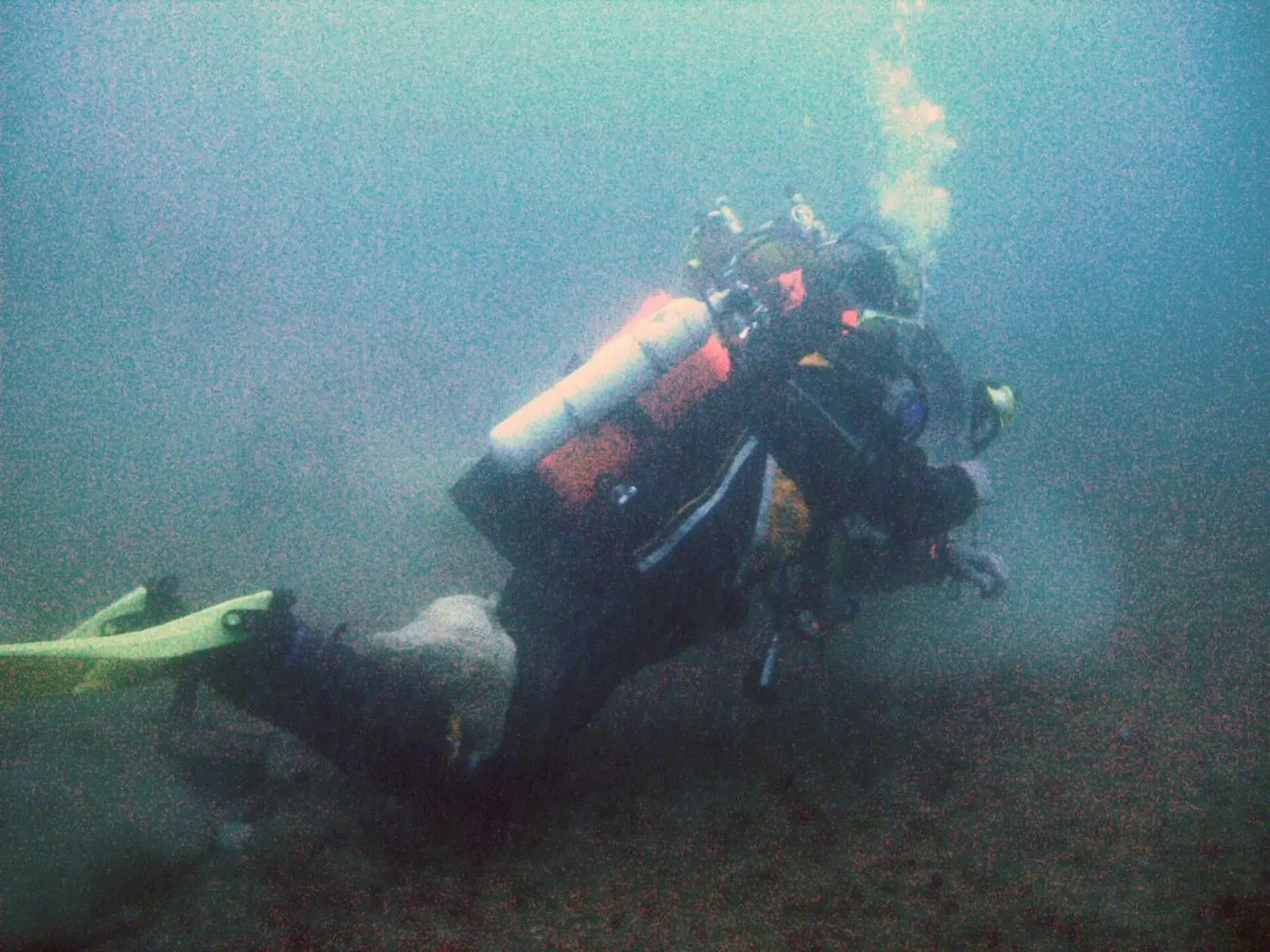
The frigate lies upright on a sandy seabed at about 24 m, and her top depth is about 9 m. At 113 m long and 13 m wide, the hull offers a multi-level dive: the top of the ship for shallow time, the decks in between, and the sand alongside the hull for the deepest part of the dive.
Before she was sunk her top was cut off and holes were cut into her sides so divers can look into the compartments. The covered walkways down the port and starboard sides of the main deck have become tunnels covered in marine life, and divers can swim under the stern to see the propeller shafts. Since 2007 sea fans have settled on the hull.
Currents cause divers no real problem, but the site is not slack-free. Visibility is the bigger issue, partly from the site itself and partly from divers stirring up the silt.
The wreck
- Vessel
- HMS Scylla
- Type
- Leander class frigate
- Length
- 113 m (371 ft)
- Built
- 1968
- Sunk
- 2004
- Cause
- Placed on the seabed as an artificial diving reef
- Lies
- Upright on a sandy seabed at about 24 m in Whitsand Bay, Cornwall
HMS Scylla was the last Royal Navy Leander class frigate to be built in Devonport Dockyard, in 1968, and was decommissioned in 1993. On 27 March 2004 the National Marine Aquarium placed her on the seabed in Whitsand Bay, South Cornwall, as Europe's first artificial diving reef. She is now well colonised by sedentary plants and animals, and in 2007 sea fans settled on the hull. The same year two amateur divers were killed after entering the wreck, and after a 2014 survey the aquarium advised divers to keep to scenic dives.
Marine life and season
The sources we used don't single out particular species here.
| Jan | Feb | Mar | Apr | May | Jun | Jul | Aug | Sep | Oct | Nov | Dec |
|---|---|---|---|---|---|---|---|---|---|---|---|
| Good | Good | Good | Good | Good | Good | Prime | Prime | Prime | Good | Good | Good |
Season follows Plymouth Sound & HMS Scylla: Diving runs all year when the wind allows; July to September brings the warmest water and the blue shark snorkel trips.
Know before you go
- The inside of the wreck is very silty; two divers died after entering it in 2007, and two more died inside the engine room in September 2021.
- After a 2014 survey the National Marine Aquarium, which manages the site, advised divers not to enter the wreck and to keep to scenic dives.
- The site is not slack-free, so some tidal flow can run along the hull.
Dive videos
Diving HMS Scylla · BSAC - British Sub-Aqua Club on YouTube
Questions divers ask
Can divers go inside HMS Scylla?+
No. After a 2014 survey the National Marine Aquarium, which manages the site, advised divers not to enter the wreck and to keep to scenic dives. The inside is very silty, and two divers died after entering it in 2007.
Sources
- HMS Scylla - Plymouth Sound Divers — Plymouth Sound Divers
- HMS Scylla (F71) — Wikipedia
- HMS Scylla, wreck — ScubaGo
Photo credits
- A scuba diver in a drysuit with an orange cylinder hovers over the silty seabed in green, murky water by Tim Sheerman-Chase, CC BY 2.0, via Wikimedia Commons
More dive sites in Plymouth Sound & HMS Scylla
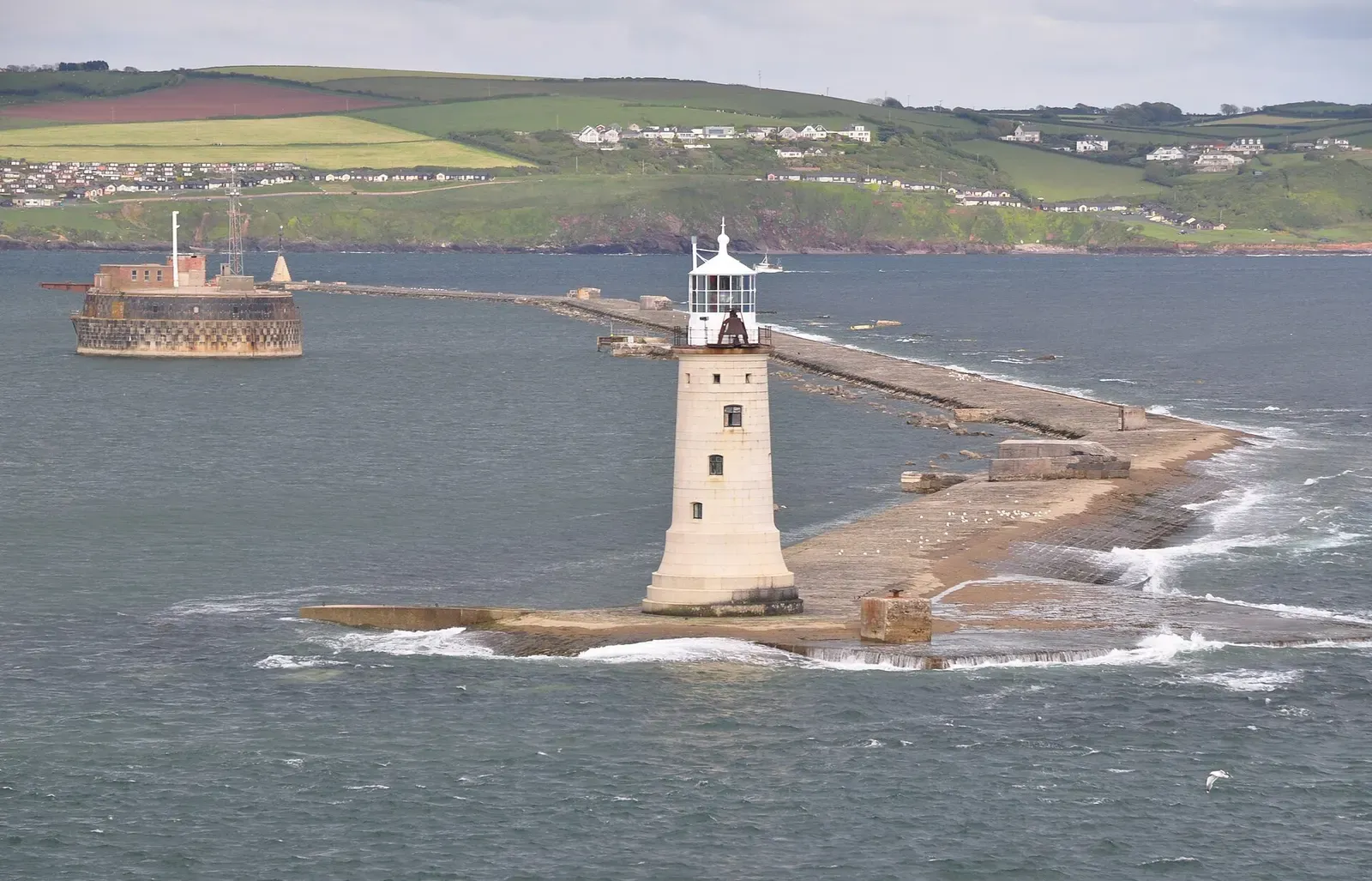
Old diver-training rigs and wreckage scattered around the base of a sea fort
Walls of jewel anemones with sea fans on the boulders below
A luxury steam yacht scuttled near the Shag Stone for divers
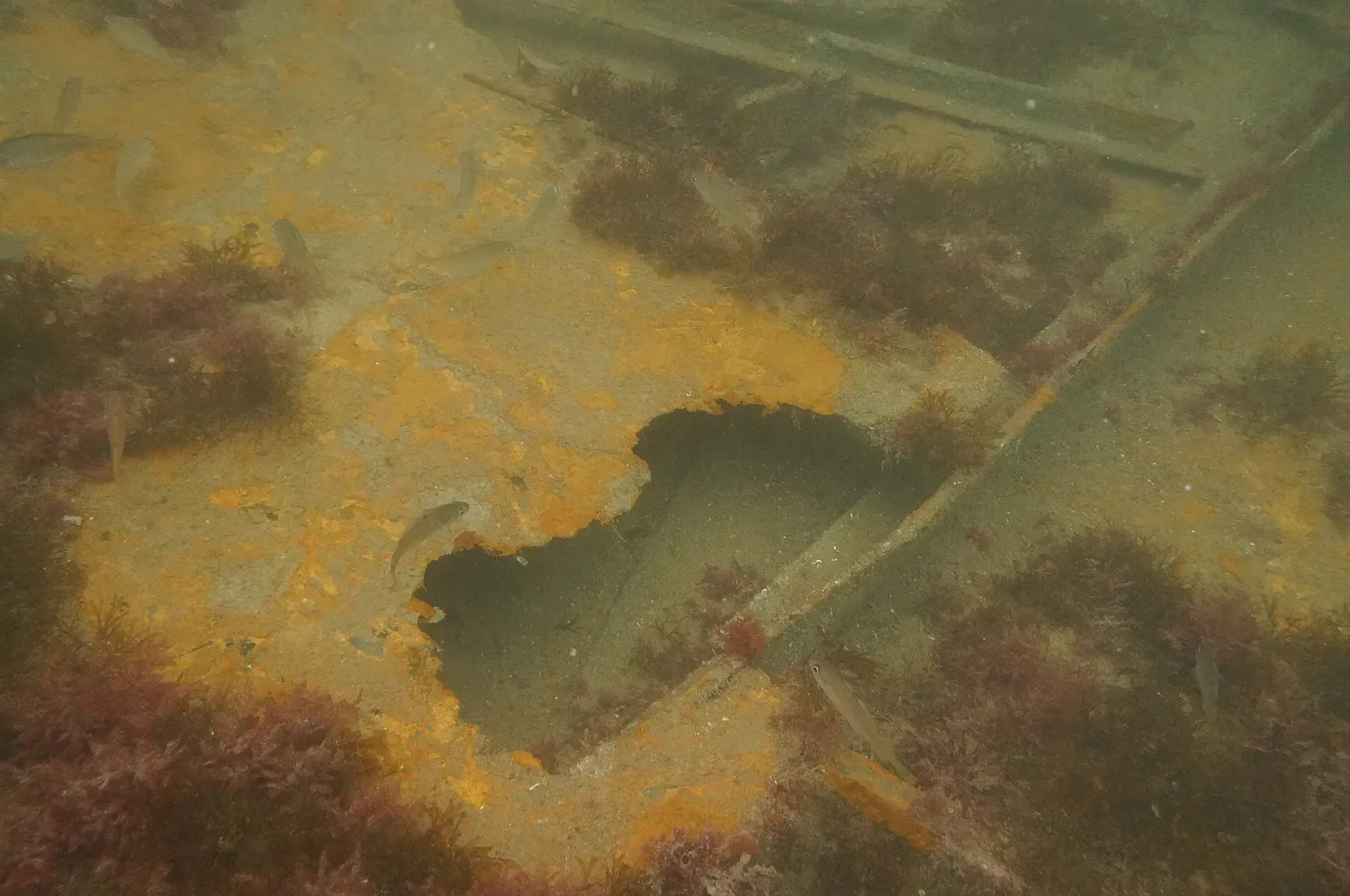
A Liberty ship that went down in the Second World War, beside the Scylla
Similar dives elsewhere
Wreck
M/F Ærøsund
South Funen Archipelago · Denmark
Denmark's last train ferry, scuttled to grow into an artificial reef
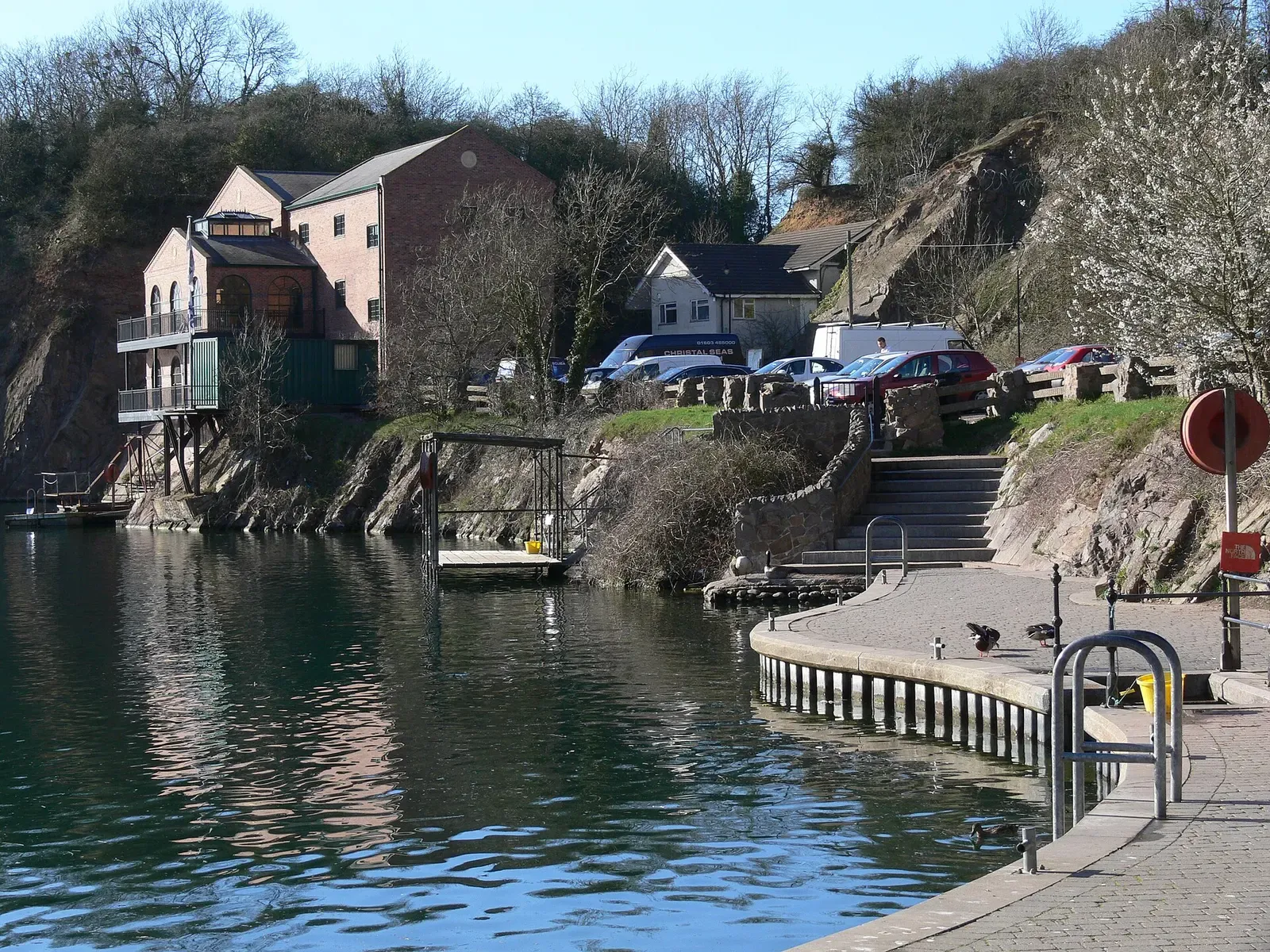
The UK's largest inland wreck, a 1910 steam tug upright in 20 m of water
Wreck
Airbus A300
Kuşadası · Turkey
A full-size airliner with a 44 m wingspan on the gulf floor
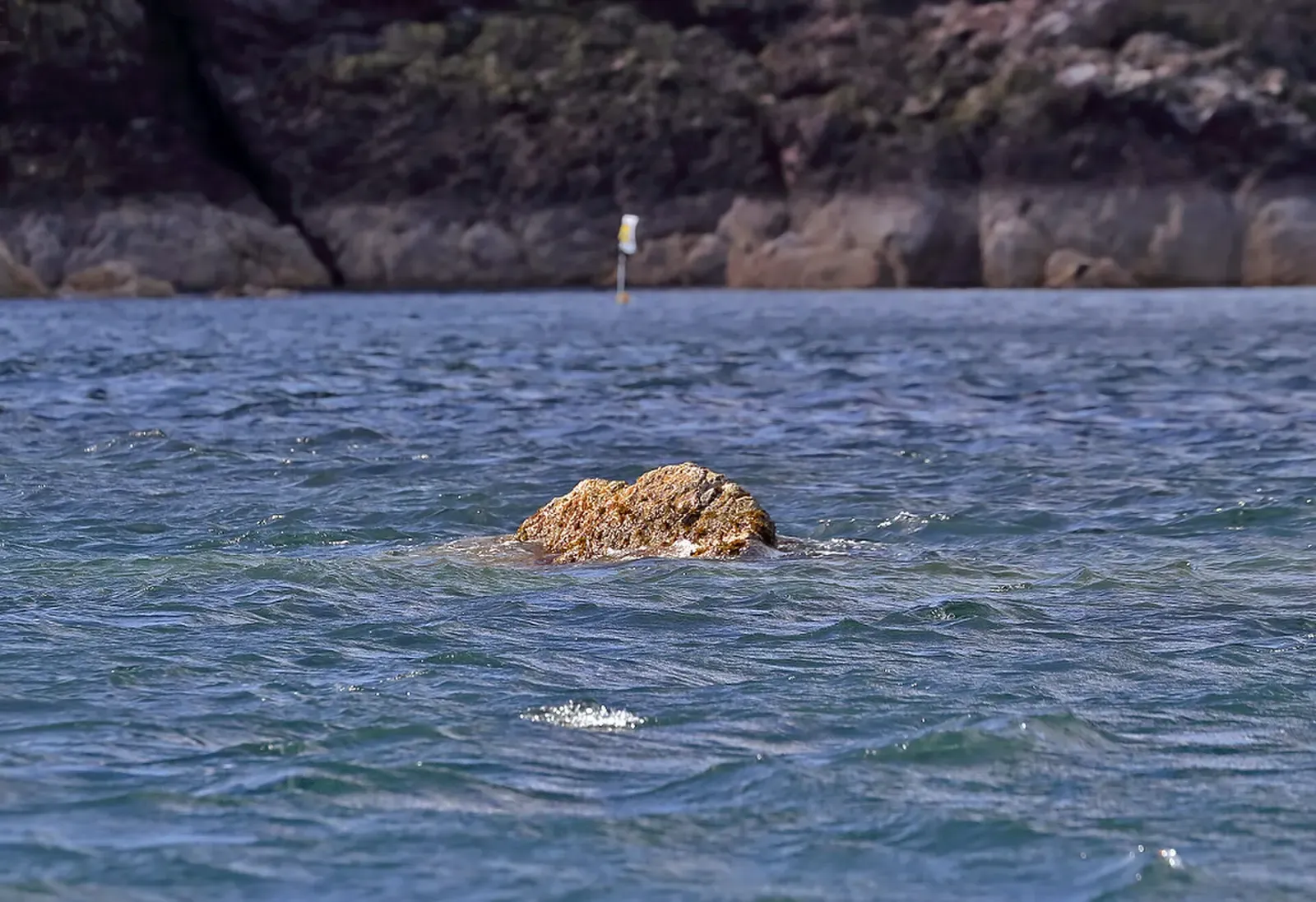

Boilers in 7 m on the rocks that took a 1907 steamer