Cold Water · United Kingdom
Plymouth Sound & HMS Scylla
A frigate sunk as Europe's first artificial diving reef, a training site
Plymouth Sound is a year-round dive base on the south Devon coast, with boats working out of Mount Batten to wrecks and reefs. The headline is HMS Scylla, a Leander class frigate placed in Whitsand Bay in 2004 as Europe's first artificial diving reef, with a top depth of about 9 m and sand at about 24 m. The Liberty ship James Eagan Layne lies nearby in 22 m, and the Eddystone reefs offer walls under the lighthouse.
About diving in Plymouth Sound & HMS Scylla
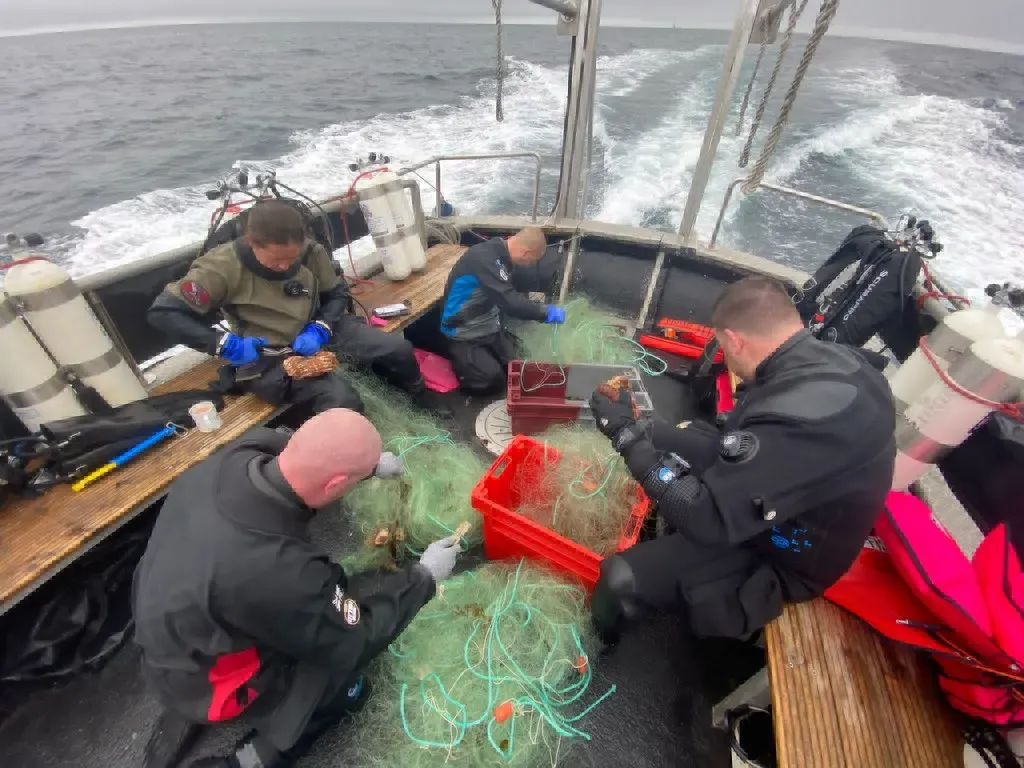
Boat dives leave from the Mount Batten Centre, where the club RIBs and a dive centre's three purpose-built boats are based. Training dives run on sites in and around the Sound itself, while the Scylla and the James Eagan Layne lie in Whitsand Bay in Cornwall and the Eddystone reefs lie offshore under the lighthouse. Wind decides the day: when it blows hard, the boats stay in harbour. The Waterfront on Plymouth Hoe offers shore diving all year.
The diving splits between wrecks and reefs. The Scylla lies upright on sand, and since 2007 sea fans have settled on her; the site is not slack-free, though its currents cause divers no real problem. Penetration carries real risk: the inside is very silty, and two divers died after entering the wreck in 2007. The Eddystone reefs are walls of jewel anemones with sea fans on the boulders below, tompot blennies, and ling and crawfish for those who look closely.
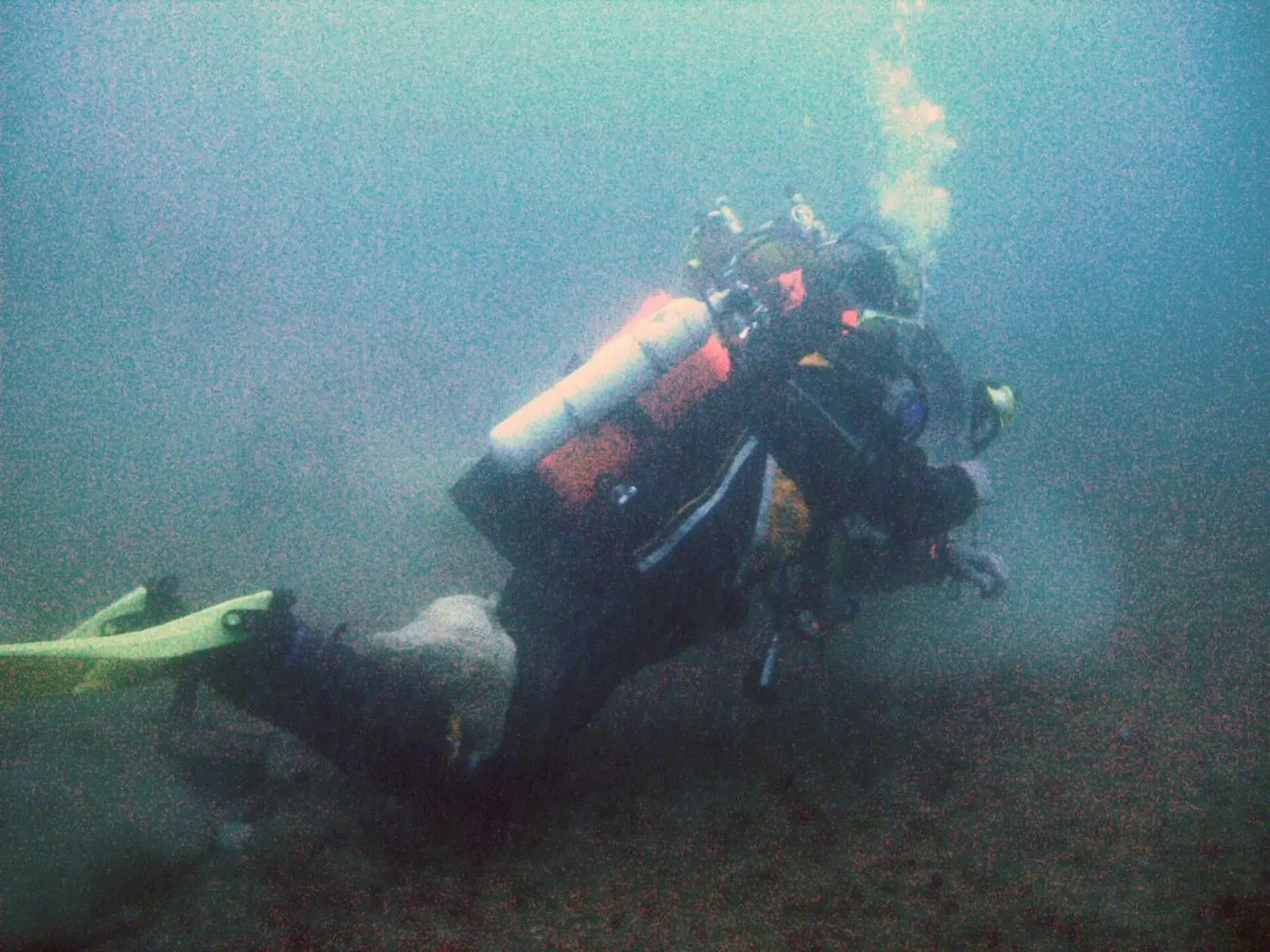
The Sound suits divers building experience in British water: the Scylla's different depths make it a training site, with a shallow top and a modest bottom. Deep and technical divers are catered for too, with club trips to sites from 10 m to over 80 m. Anyone who needs warm water or reliable visibility should look elsewhere; a stormy spell can cut visibility to 1 to 2 m.
Best time to dive Plymouth Sound & HMS Scylla
| Jan | Feb | Mar | Apr | May | Jun | Jul | Aug | Sep | Oct | Nov | Dec |
|---|---|---|---|---|---|---|---|---|---|---|---|
| Good | Good | Good | Good | Good | Good | Prime | Prime | Prime | Good | Good | Good |
Club diving runs all year, so every month is diveable when the wind allows; a windy day keeps the boats in harbour. July to September is the high point: the water reaches about 19 °C at its warmest in July, and the weekday blue shark snorkel trips run. Summer weekends bring busy boat traffic over the Scylla, and the club steers clear of the wreck then. The water bottoms out at about 8 °C in March.
Dive types & marine life
Blue sharks are the seasonal draw, met on weekday snorkel trips from July to September; the sharks are snorkelled with, not dived with on scuba. Over four years the trips have found the sharks better than 90% of the time.
- Wreck
- Reef
- Blue & mako sharks
Best dive sites in Plymouth Sound & HMS Scylla
- 1
HMS Scylla
Frigate in Whitsand Bay sitting upright on sand at about 24 m, with a top depth near 9 m.
- 2
James Eagan Layne
Liberty ship wreck in 22 m of water, 540 m east of the Scylla.
- 3
Eddystone
Offshore reef by the lighthouse, where a dive can follow the 24 m contour.
- 4
Glen Strathallan
Luxury steam yacht scuttled near the Shagstone in 1970 as a dive site.
- 5
Breakwater Fort
Dive at the base of the Sound's breakwater fort, with a fair amount of wreckage around it.
Site guides
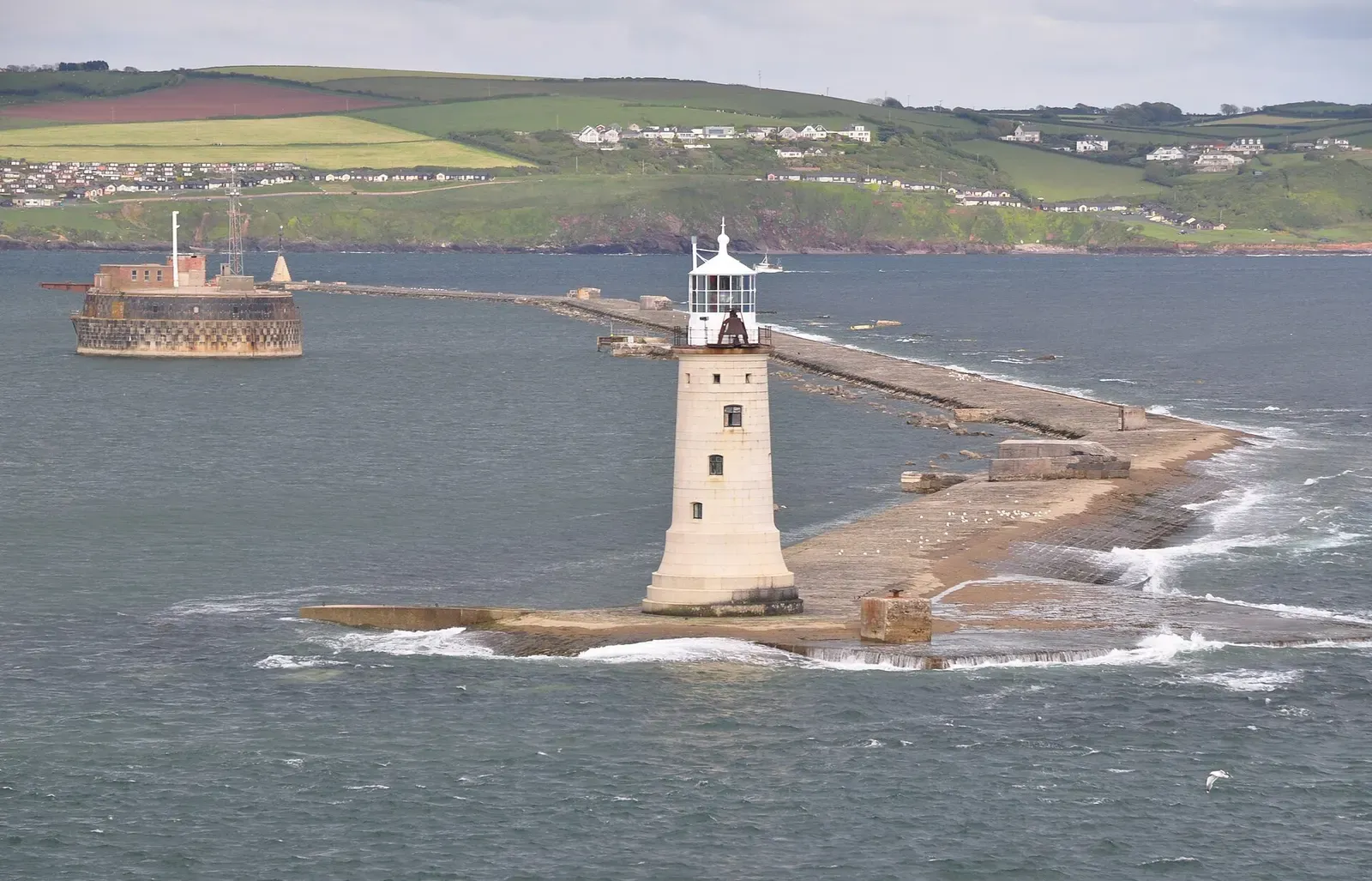
Old diver-training rigs and wreckage scattered around the base of a sea fort
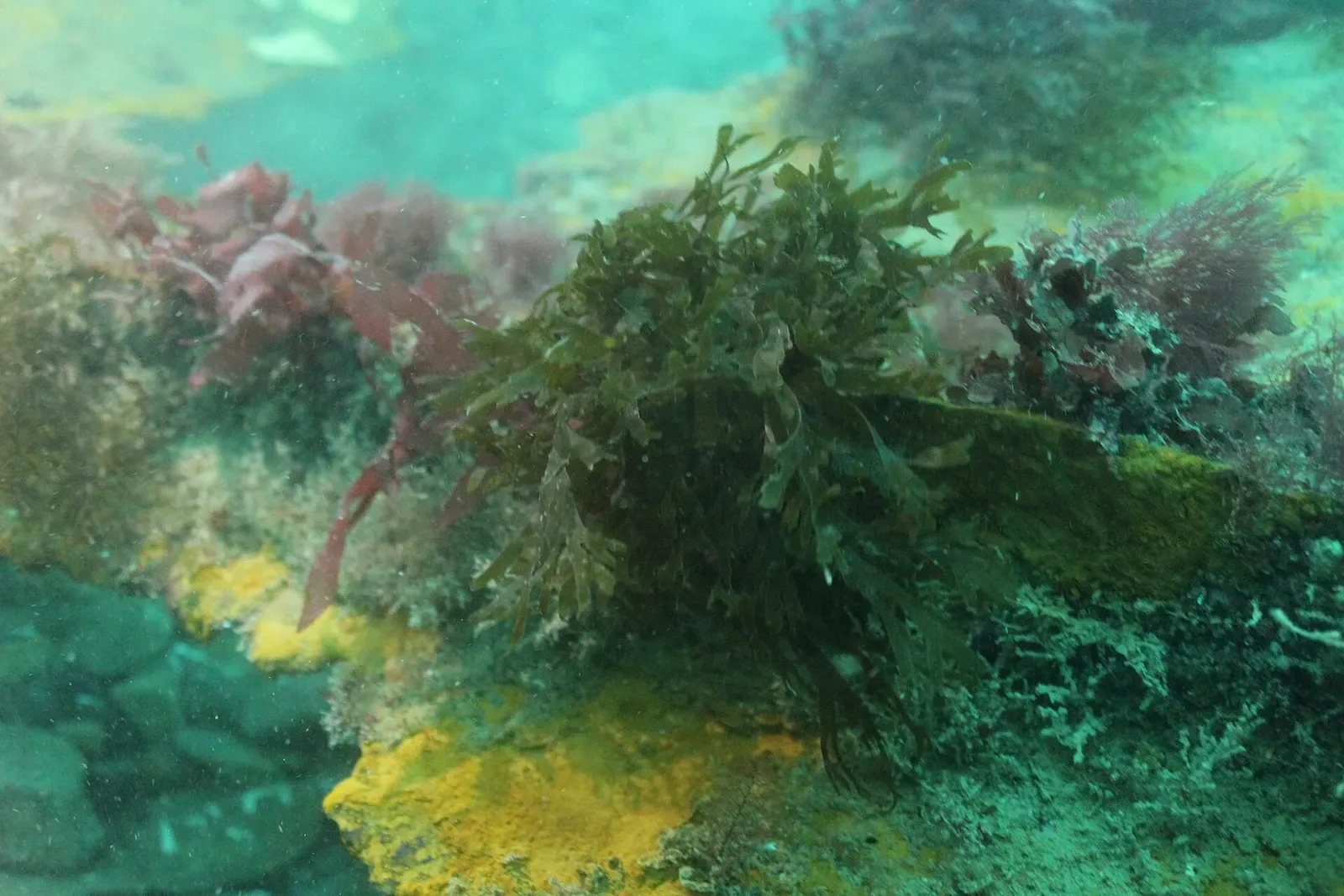
Walls of jewel anemones with sea fans on the boulders below
A luxury steam yacht scuttled near the Shag Stone for divers
A whole frigate laid down on sand as Europe's first artificial diving reef
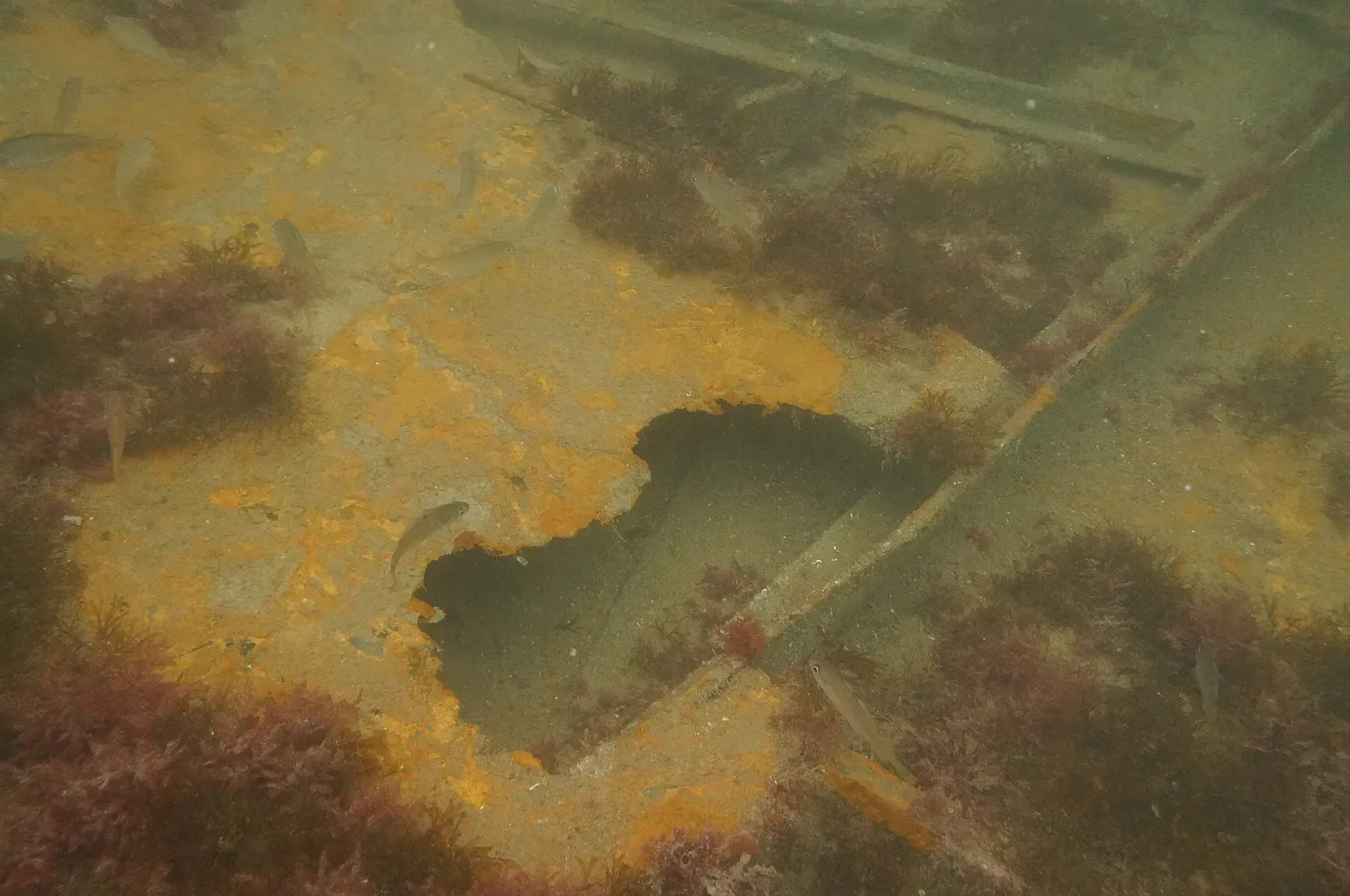
A Liberty ship that went down in the Second World War, beside the Scylla
How to get to Plymouth Sound & HMS Scylla
Plymouth's city airport closed in 2011. The boats leave from the Mount Batten Centre, which a pedestrian ferry links to the Mayflower Steps in the city; the Torpoint Ferry crosses the Tamar into Cornwall.
Questions divers ask
When do the blue shark trips run from Plymouth?+
Blue shark trips run on weekdays from July to September and are snorkel only, with no scuba. Over four years they have found the sharks on more than 90% of trips.
Is HMS Scylla a good wreck for training dives?+
Yes. Its different depths make it a training site, with a top near 9 m and sand at about 24 m. Entering the wreck is another matter: the inside is very silty, and two divers died after entering it in 2007.
Is there shore diving in Plymouth?+
Yes. The Waterfront on Plymouth Hoe offers shore diving all year, though the wrecks and the Eddystone reefs are boat dives from Mount Batten.
Can divers visit the Scylla on summer weekends?+
They can, but boat traffic gets busy on summer weekends, the site can suffer from diver saturation in season, and the local club avoids the wreck then.
Sources
- Plymouth Sound Divers — Plymouth Sound Divers
- HMS Scylla - Plymouth Sound Divers — Plymouth Sound Divers
- In Deep Dive Centre — InDeep
- Plymouth Average Sea Temperatures — seatemperature.org
- Plymouth Wrecks with InDeep — BSAC Tyneside 114
- Plymouth Sound — Wikipedia
- Plymouth — Wikipedia
- HMS Scylla (F71) — Wikipedia
- SS James Eagan Layne — Wikipedia
- Breakwater Fort by Kayak — Divernet
Embed
Run a dive centre, club or blog? Embed this map of 5 dive sites near Plymouth Sound & HMS Scylla on your own page.
Similar destinations
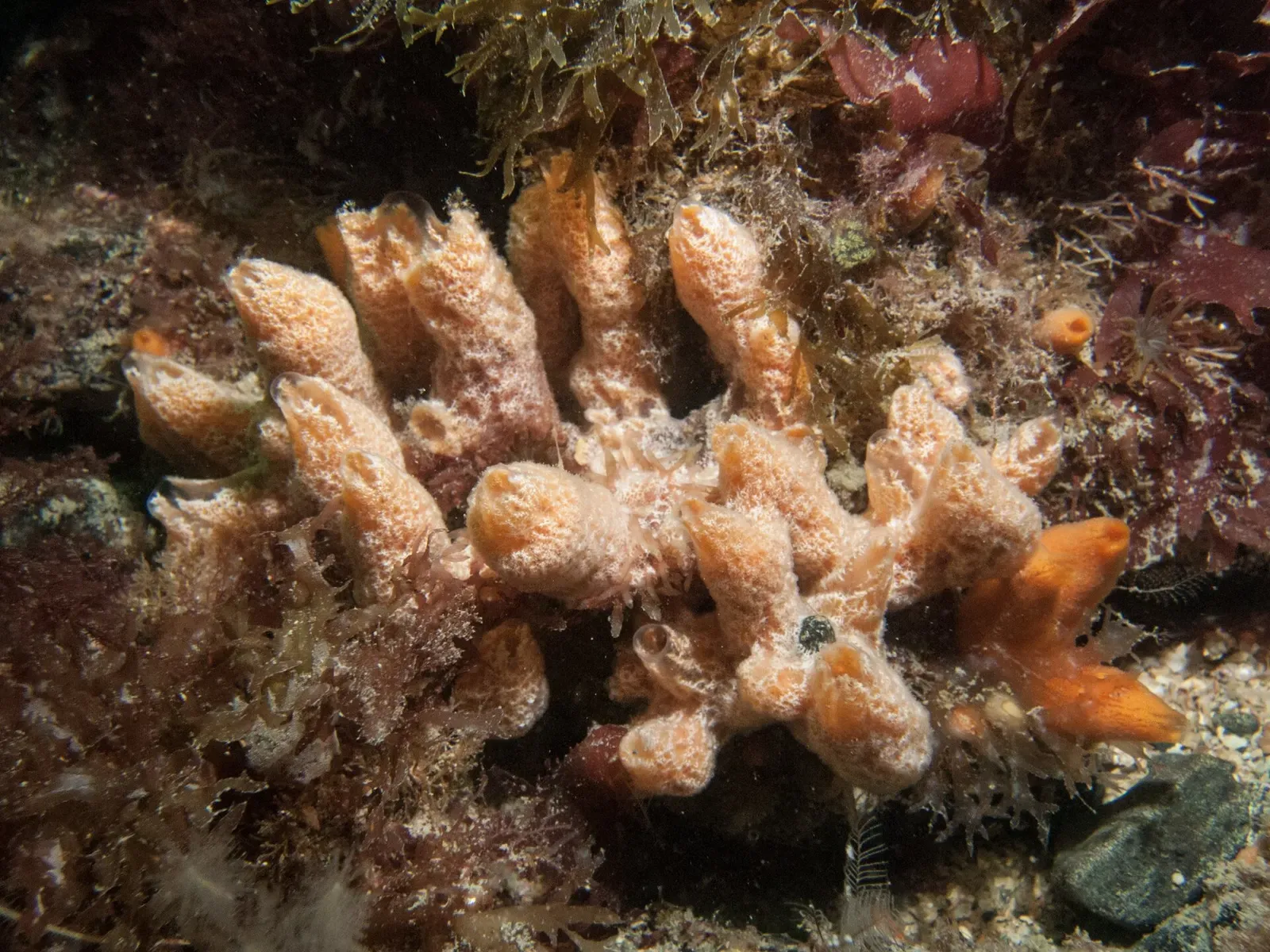
A reef that has claimed more than one hundred ships, with its wrecks still on it
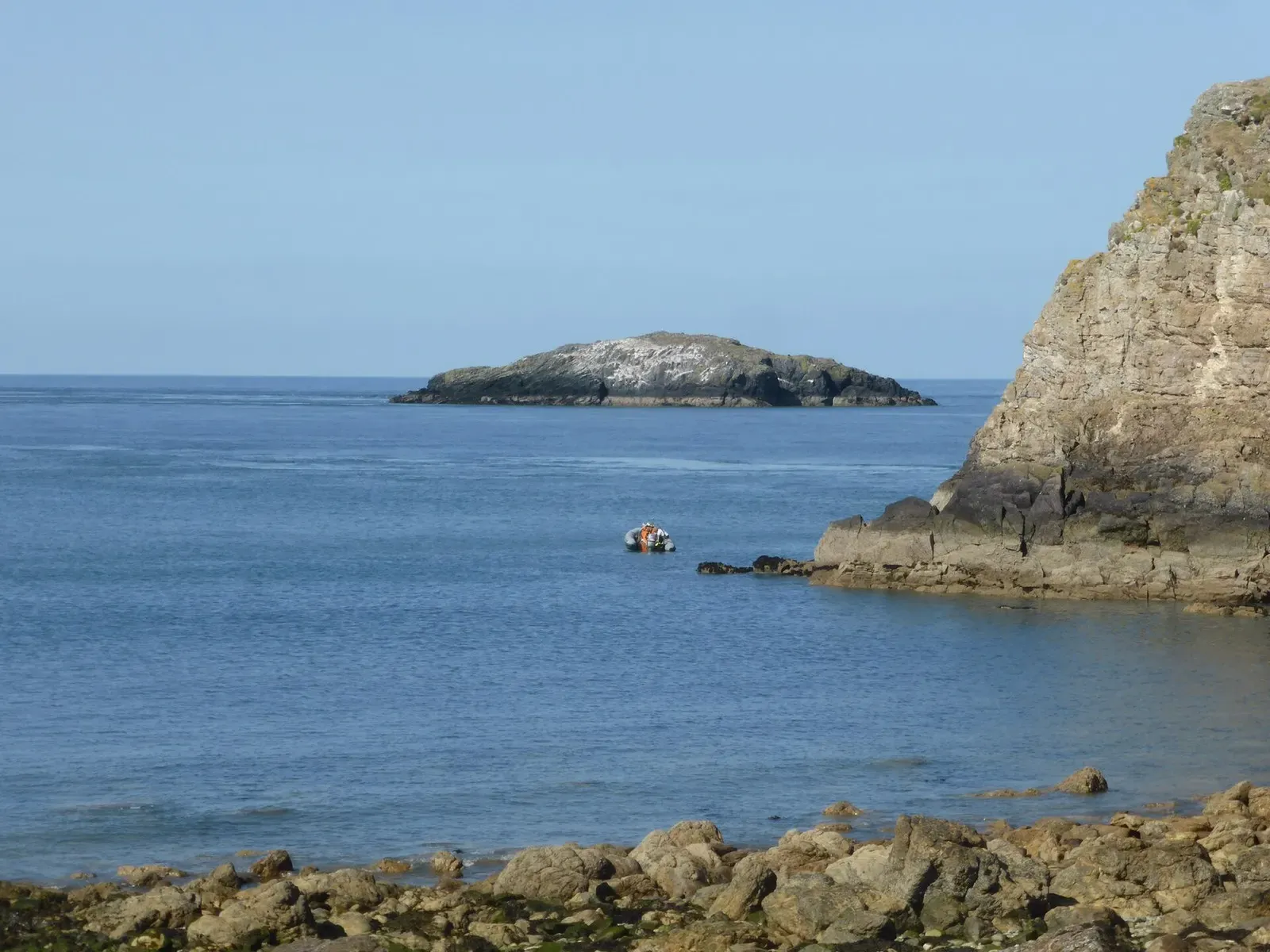
Wrecks, tide-timed Menai Strait dives and sheltered shore bays
Cold Water
Aran Islands
Ireland
Diving Poll na bPéist, the Wormhole of Inis Mór
Cold Water
The U-260 submarine and the Kowloon Bridge, both dived from Baltimore