South West Rocks · Australia · Reef · Coral garden
Black Rocks
The southernmost reef where plate coral grows this thickly
Area photo: Richard Ling · CC BY-SA 2.0
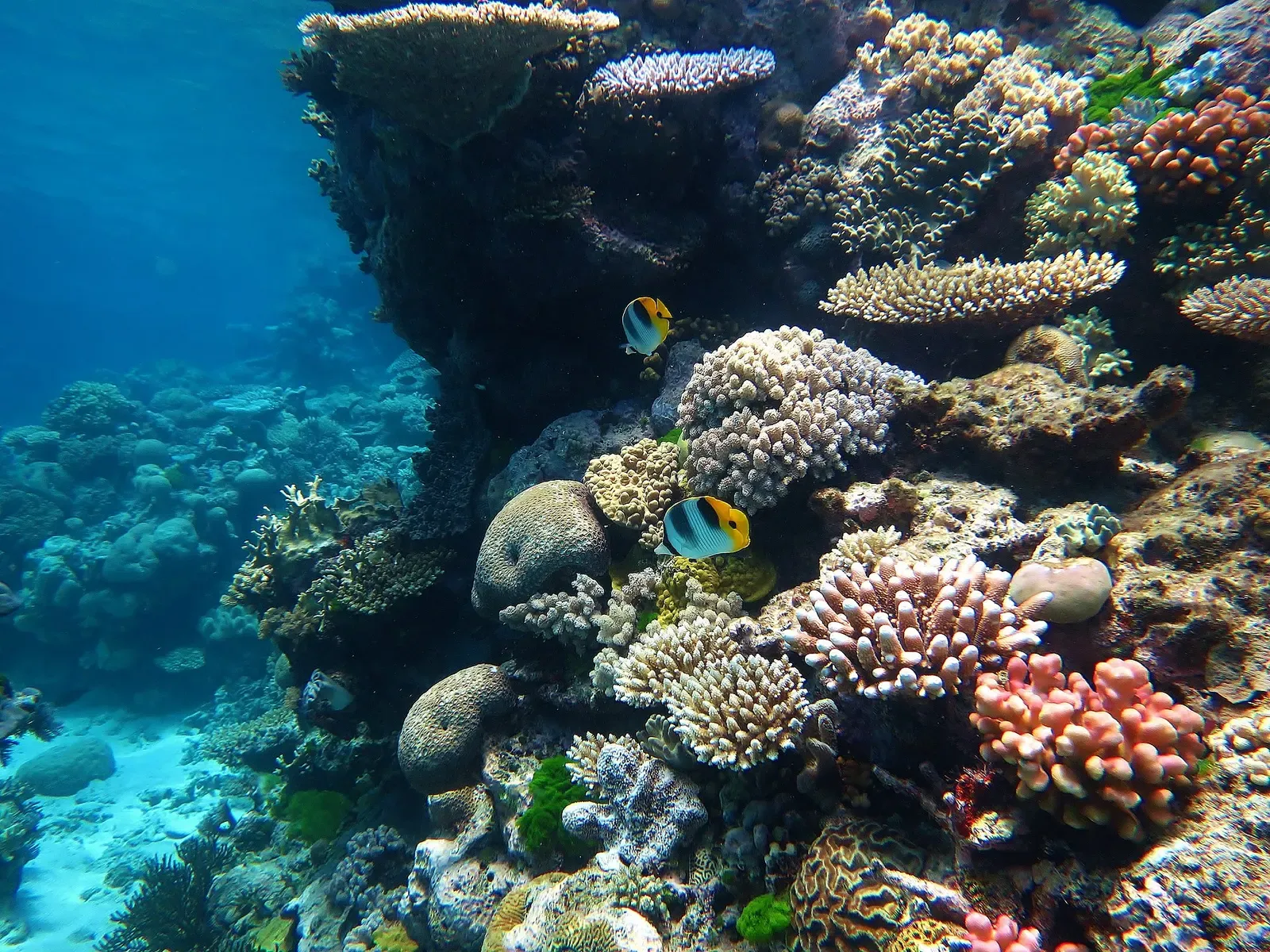
Two bare rocks off Smoky Cape beach with a coral garden underneath them. A large part of the reef is plate coral, and this is the southernmost point at which plate coral grows in such abundance. Depths run from crevices and boulders at 6 to 8 metres close in to 20 plus metres out on the sand, and the two rocks are usually dived separately.
Where it is and how deep
30.9305° S, 153.0870° EApproximate position — the dashed circle shows where the site lies; your operator's briefing has the mooring.
The dive
The starkness of the two rocks above the surface gives no indication of the coral garden below. A large part of the reef is made up of large plate coral, and Black Rocks is the southernmost point at which plate coral grows in such abundance. Average depth varies between 8 metres close to the rocks and 20 plus metres out on the sand, so the shape of the dive is decided by how far off the rock you choose to work.
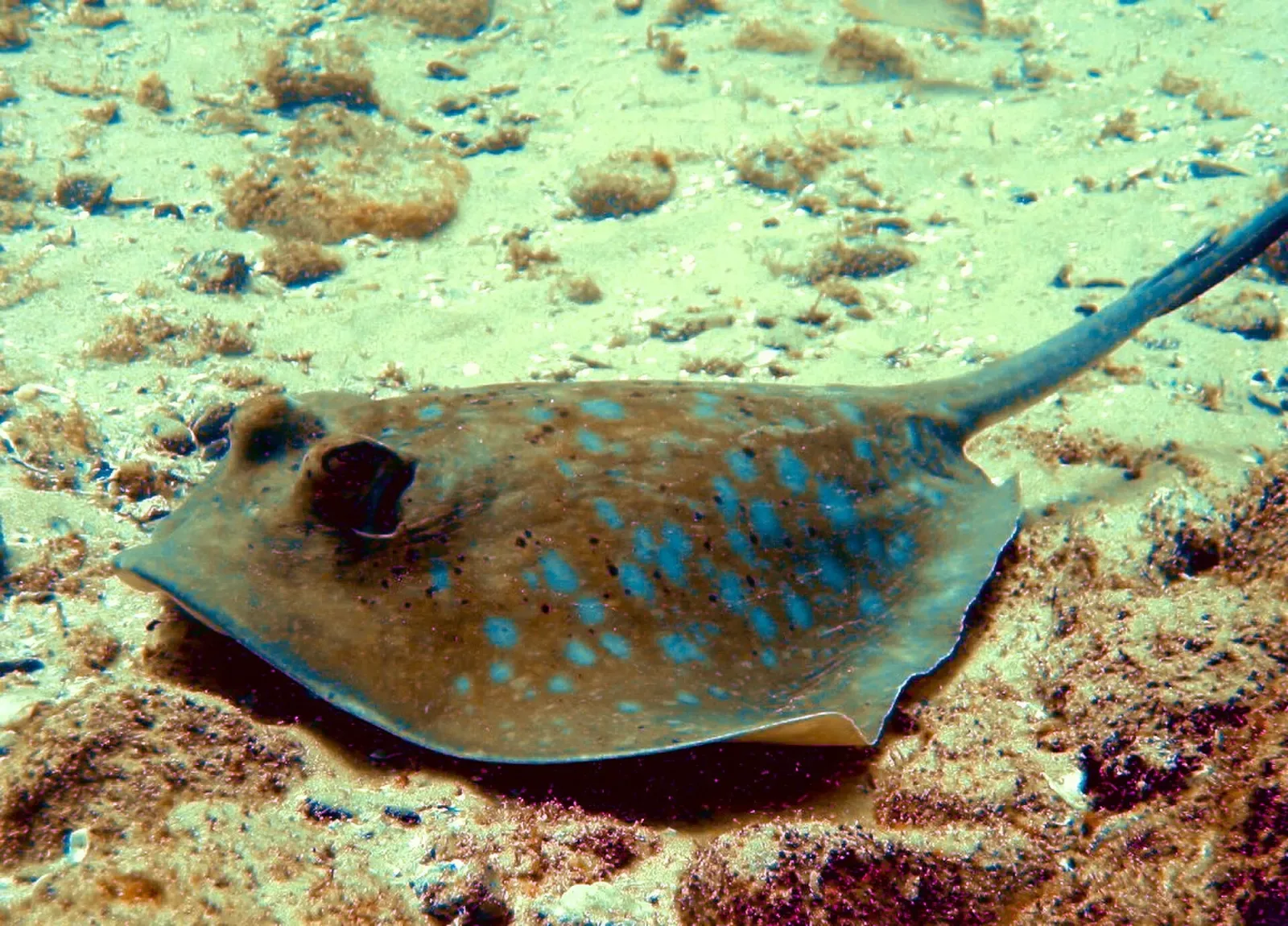
Close in, at around 6 to 8 metres, small crevices and larger boulders give way to smaller rock as you move out. Everywhere you look there are moray eels, lionfish, nudibranchs and feather stars, and the particular highlight is the egg cowries living on the coral and the rocks. Out on the sand, look for spotted shovelnose rays and flounder sitting still on the bottom.
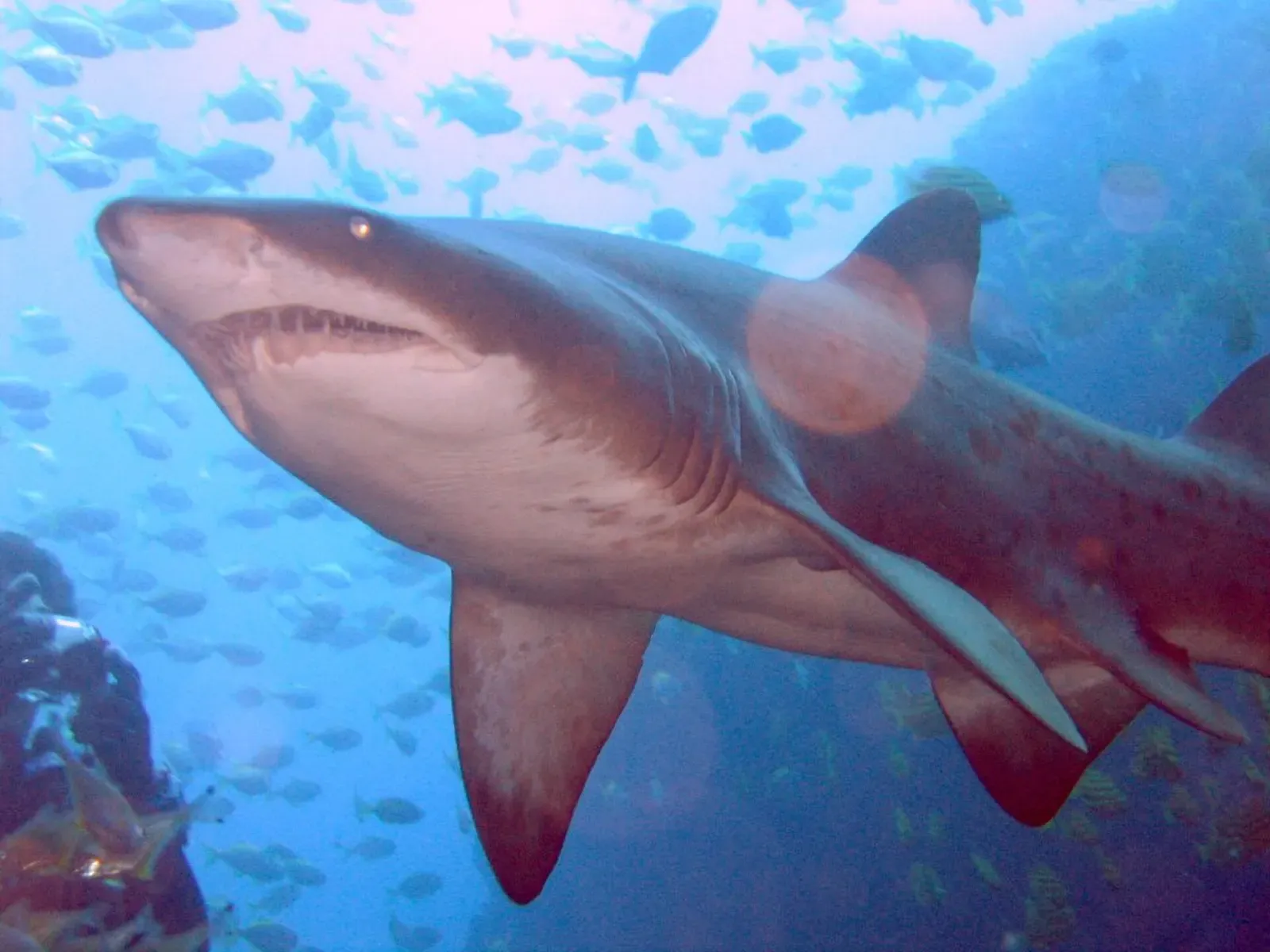
Bigger animals visit too. Grey nurse sharks, large kingfish and jewfish are all seen here, usually off the rock rather than in among the coral. Because the surge in the gutter between the two rocks prevents safe passage through them on all but the calmest days, and because dives are kept within visual surface sight of the boat, Black Rocks is normally split into two different dives, one on each rock.
Marine life and season
- Sand tiger sharks
- Trevally & jacks
- Nudibranchs
- Macro critters
| Jan | Feb | Mar | Apr | May | Jun | Jul | Aug | Sep | Oct | Nov | Dec |
|---|---|---|---|---|---|---|---|---|---|---|---|
| Good | Good | Good | Good | Good | Prime | Prime | Prime | Prime | Prime | Good | Good |
Season follows South West Rocks: Grey nurse numbers peak Jun–Nov; the Eastern Australian Current brings the warmest, clearest water Jan–Apr.
Know before you go
- The gutter between the two rocks carries surge that prevents safe passage through on all but the calmest days, so the two rocks are dived separately rather than as one crossing.
Questions divers ask
How deep is Black Rocks?+
Average depth varies between 8 metres close to the rocks, where crevices and boulders start at around 6 metres, and 20 plus metres out on the surrounding sand.
Can you dive both rocks in one dive?+
Not usually. Surge in the gutter between the two rocks prevents safe passage through them on all but the calmest days, and dives are kept within surface sight of the boat, so the site is normally split into two dives.
Sources
- Dive Sites | Fish Rock & South West Rocks — Fish Rock Dive Centre
- South Smoky Beach, Arakoon (OpenStreetMap) — OpenStreetMap
More dive sites in South West Rocks
Reef
A tennis-court-sized reef with resident green turtles
Reef
Black coral on the gutter walls, then semi-trailer-sized boulders
One of the largest ocean caverns in the Southern Hemisphere
Reef
Eagle rays over the two narrow gutters at the southern tip
Drift
A deep drift to 40 m with groper out of the shadows
Reef
Flat rock at 14 m where hammerheads patrol in summer
Wreck
A 1950 motor lighter upright at 87 m, found only in 2009
Reef
Grey nurse sharks cruising a sand gutter at 24 m
Similar dives elsewhere

A soft coral shelf shading into hard coral, 1 m to 20 m

Cupcake-shaped bommies above a reef slope that runs off to 50 m.
Moorings from an 8 m coral garden to a 30 m wall


Stingrays in numbers at Sting Ray Alley, the deepest site here