
Whitsundays · Australia · Reef · Coral garden
Cockatoo Point
Soft coral shelf to hard coral heads on Hook Island's north end
Area photo: Elemaki · CC BY-SA 3.0
Cockatoo Point is the headland on the northern edge of Stonehaven Bay, at the north end of Hook Island in the Whitsundays. The fringing reef drops gradually from about 1 m to 20 m: a soft coral shelf in the shallows, larger hard coral structures deeper down. It is dived as a gentle drift along the reef slope, with turtles on the reef, and the current runs from low to strong with the tide.
Where it is and how deep
20.0830° S, 148.9026° EApproximate position — the dashed circle shows where the site lies; your operator's briefing has the mooring.
The dive
The point drops away gradually rather than in a step, so depth is something you choose here: the reef starts at about 1 m and runs down to roughly 20 m. The shallow soft coral shelf is the snorkelling end of the site, and divers drift along the reef slope close to the island with the reef on one shoulder, letting the tidal current do the work. Current runs from low to strong depending on the tide, so the dive is planned around it.
Further down the slope the character changes: larger hard coral structures take over from the soft coral shelf, with shallow caves, gullies and ledges to look into along the way. Turtles use the edge of the reef, and parrotfish, wrasse, angelfish, sweetlips and clownfish are among the fish most often logged here.
The sea state at the point is usually calm, but the wind is another matter. Gusts known locally as bullets come down off Hook Island's hills and sweep across Stonehaven Bay, and the bay is best avoided in 20 knots of wind from any direction or in a northerly. Pick a settled day, and the shallow shelf at the end of the dive is as good for snorkellers as it is for a slow safety stop.
Marine life and season
- Sea turtles
| Jan | Feb | Mar | Apr | May | Jun | Jul | Aug | Sep | Oct | Nov | Dec |
|---|---|---|---|---|---|---|---|---|---|---|---|
| Fair | Fair | Good | Good | Prime | Prime | Prime | Prime | Prime | Good | Good | Fair |
Season follows Whitsundays: May–Sep is dry with the best visibility; Nov–Mar is the wet season with cyclone risk and stinger suits required inshore.
Know before you go
- Current runs anywhere from low to strong with the tidal flow, so plan the dive around the tide and keep the group together on the drift.
- Wind gusts off Hook Island's hills sweep Stonehaven Bay; the bay is best avoided in 20 knots of wind from any direction or in a northerly.
- Marine stinger season runs November to May in the Whitsundays and box jellyfish are present, so dive inshore in a stinger suit through those months.
Dive videos
Snorkeling at Cockatoo Point (Hook Island, Whitsundays) · K&I Travels on YouTube
Questions divers ask
How deep is Cockatoo Point?+
The reef runs from about 1 m to 20 m over a gradual drop-off. The soft coral shelf in the shallows is the snorkelling end; the larger hard coral structures sit deeper down the slope.
Where is Cockatoo Point in the Whitsundays?+
On the northern edge of Stonehaven Bay, at the north end of Hook Island. Day trips run there from Airlie Beach, and yachts use the single mooring or anchor outside the reef markers.
Is there current at Cockatoo Point?+
Yes, and it varies from low to strong with the tidal flow. Divers and snorkellers drift with it along the reef slope, so the dive is timed around the tide.
Can you snorkel Cockatoo Point?+
Yes. The soft coral shelf starts at about 1 m, and snorkellers drift with the current over the edge of the fringing reef, watching for turtles, fish and coral below.
Sources
- Cockatoo Point dive site — Scubago / SSI MyDiveGuide
- Hook Island – Whitsundays Complete Guide — Red Cat Adventures
- Best snorkelling spots in the Whitsundays — Rent A Yacht
- Whitsunday Island snorkel and scuba dive adventure — Bookme
- Queensland — Wikivoyage
More dive sites in Whitsundays
Reef
A training-depth bay with a reef regrowing after Cyclone Debbie
Reef
A resident Maori wrasse called George, and a slope to 30 m
Similar dives elsewhere
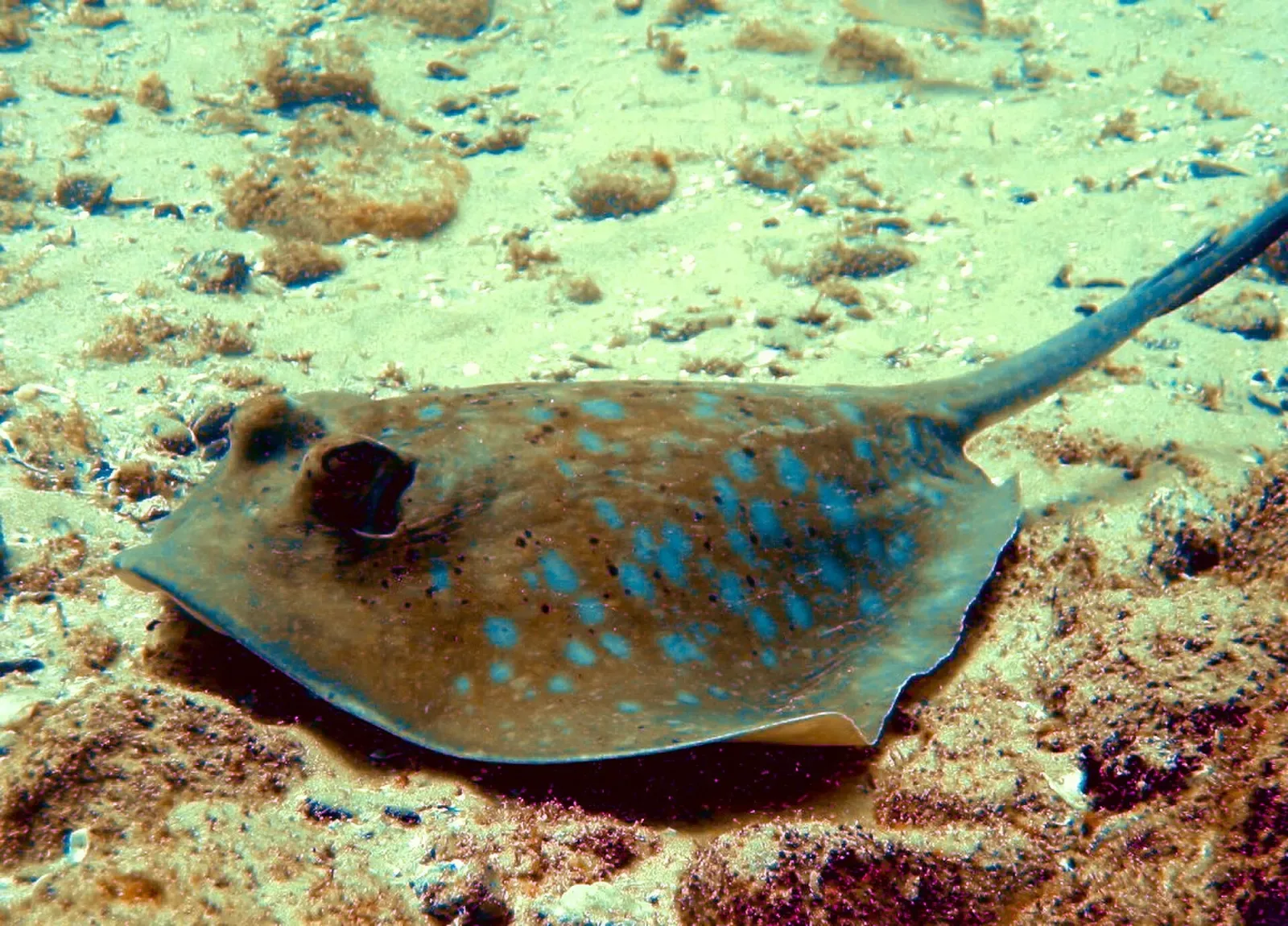
The southernmost reef where plate coral grows this thickly

Cupcake-shaped bommies above a reef slope that runs off to 50 m.
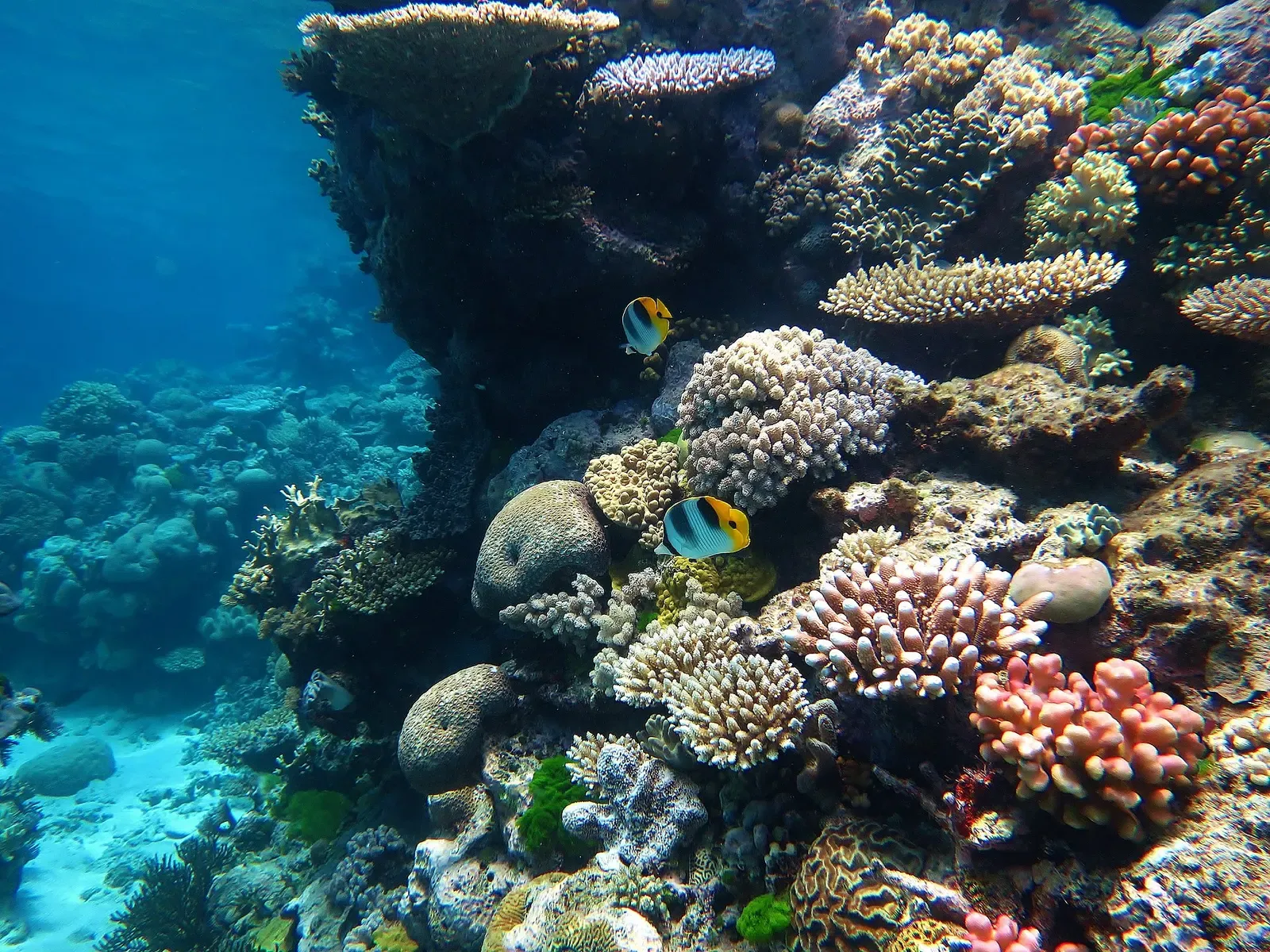
Moorings from an 8 m coral garden to a 30 m wall


Branching coral gardens in 5–12 m with three turtle species