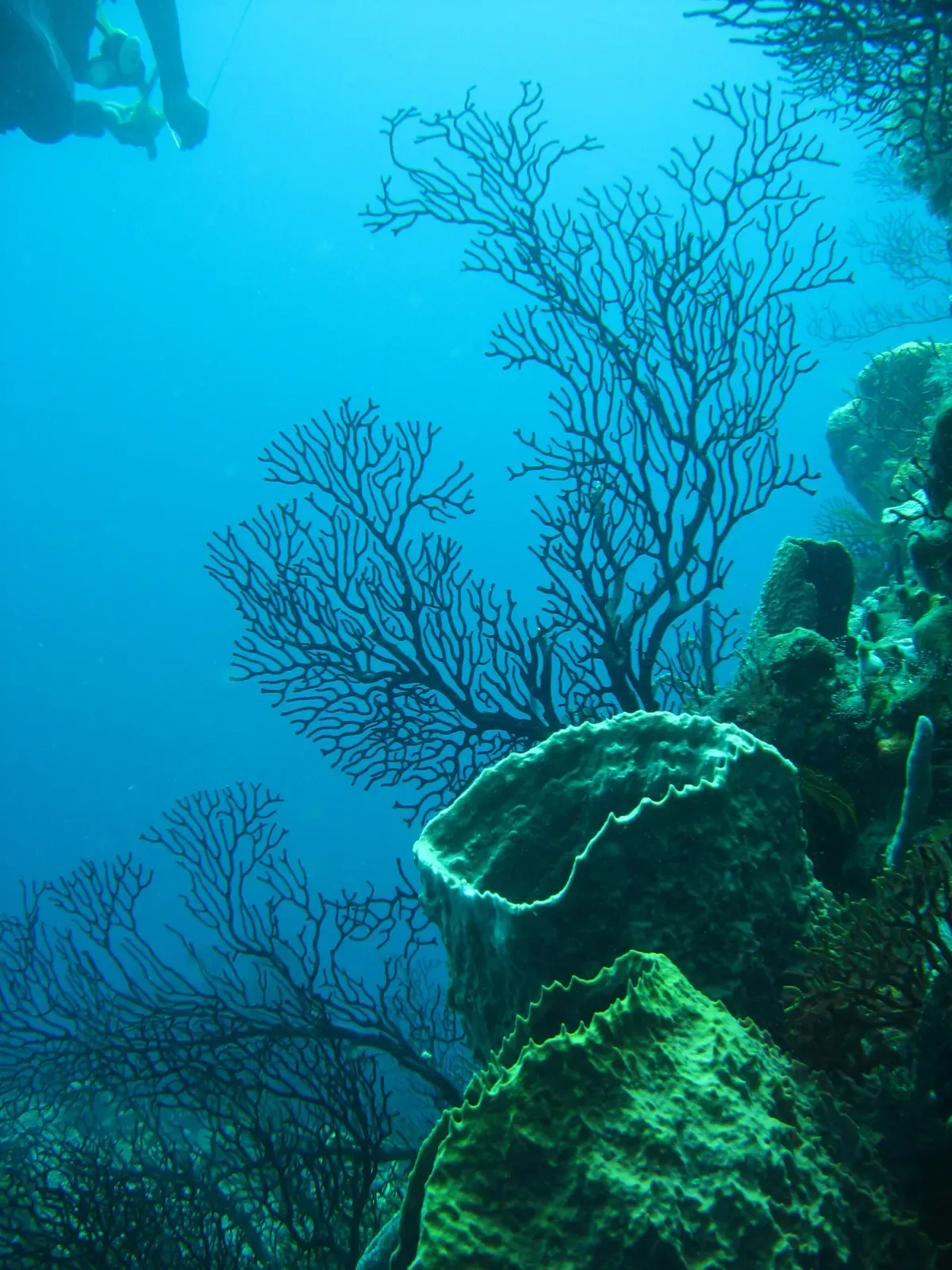
A crescent-shaped reef among the afternoon boat sites near Anse Chastanet. It starts on a plateau at about 12 m and drops quickly to over 46 m, so the profile is chosen rather than given. Hawksbill and green turtles are the reason for the name: the reef sits alongside turtle grass beds.
Where it is and how deep
13.8640° N, 61.0792° WApproximate position — the dashed circle shows where the site lies; your operator's briefing has the mooring.
The dive
The site is a crescent-shaped reef with a plateau starting at about 40 ft / 12 m. That shelf is the heart of the dive and where the turtles are: hawksbill and green turtles are both likely because the reef is located next to turtle grass beds. There are lots of pillar corals and barrel sponges in the shallows, and enough varied life among them to make this a critter-spotting dive as much as a turtle one.
From the plateau the reef drops quickly to over 150 ft / 46 m, past recreational limits. The tourism board rates the site as suitable for all levels, with more advanced divers exploring the deeper areas, so the usual approach is to look over the edge early, keep any deep part of the profile short, and then spend the bulk of the dive back up on the crescent where the turtles feed.
Marine life and season
- Sea turtles
| Jan | Feb | Mar | Apr | May | Jun | Jul | Aug | Sep | Oct | Nov | Dec |
|---|---|---|---|---|---|---|---|---|---|---|---|
| Prime | Prime | Prime | Prime | Good | Good | Fair | Fair | Fair | Fair | Fair | Prime |
Season follows St. Lucia: December–April is the dry season with the calmest seas; September–October carry the highest hurricane risk.
Know before you go
- The reef drops quickly from 12 m to over 46 m, so an unplanned descent is easy. Set a maximum depth in the briefing and stay above the crescent edge unless the dive is planned deep.
Questions divers ask
Why is it called Turtle Reef?+
The reef is next to turtle grass beds, and both hawksbill and green turtles are likely to be seen on the dive.
How deep is Turtle Reef?+
The plateau starts at about 40 ft / 12 m and the reef drops quickly from there to over 150 ft / 46 m. The tourism board calls the site suitable for all levels, with the deeper areas left to advanced divers.
Sources
- Diving with Scuba St Lucia — Scuba St Lucia (Anse Chastanet Resort)
- Diving in Saint Lucia — Saint Lucia Tourism Authority
In The Logbook
- Where to dive with sea turtlesBig animals · 15 min read
More dive sites in St. Lucia
Coral in 6 m a short swim off the beach, wall to 43 m
From 1.5 m to 18 m over coral, boulders and sand
Reef, boulders, walls and pinnacles inside 12 m
A sloping wall dived between 18 m and 34 m
Reef
Five-finger coral from 5 m down, under Gros Piton
Reef
Drift over a 12 m to 18 m plateau, then the drop
Reef
A shallow terrace running out to a gorgonian wall lip
Wreck
A 1986 artificial-reef freighter lying in 20 m of bay
Similar dives elsewhere
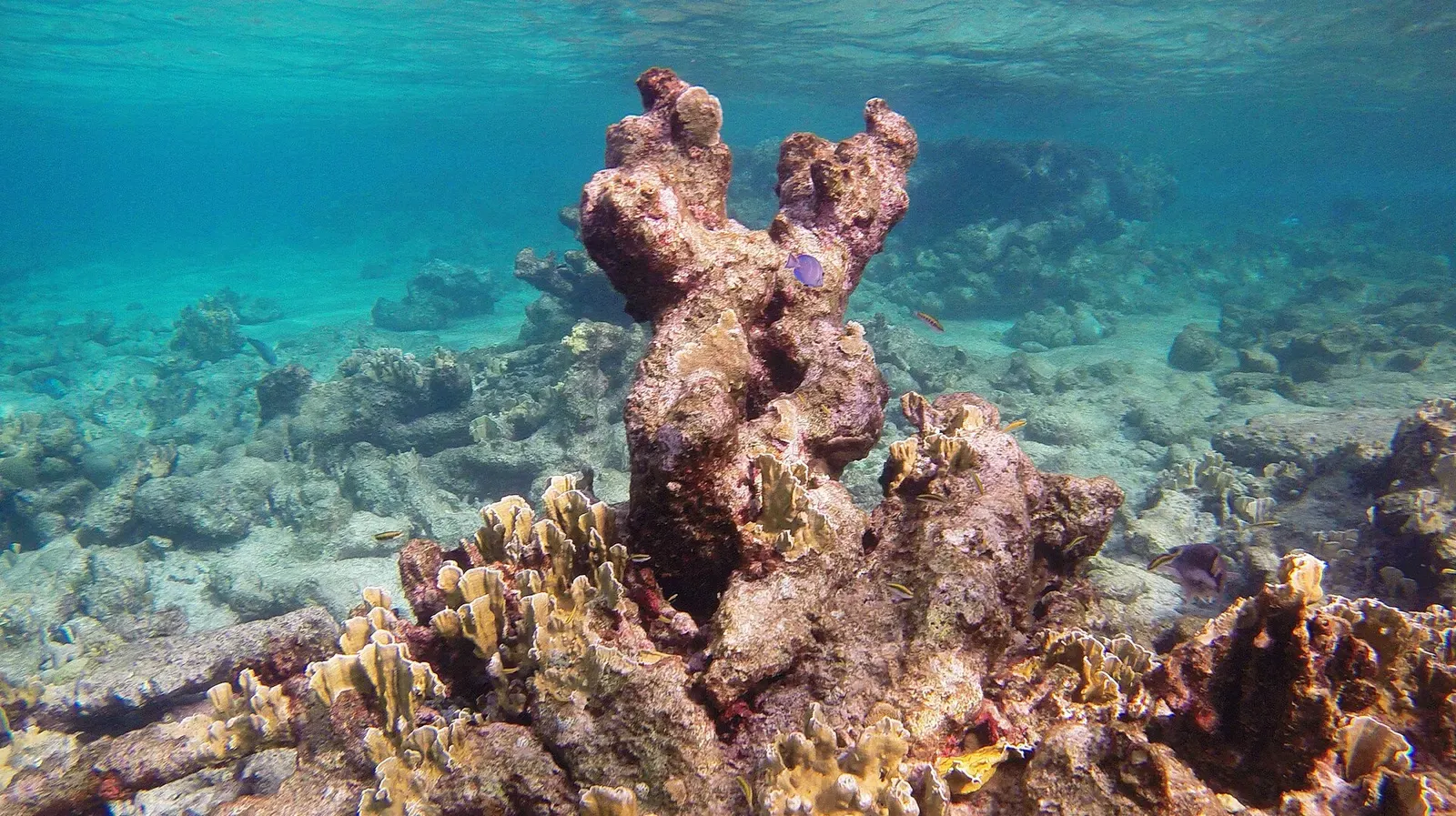
Steep coral buttresses and sand channels to 45 metres
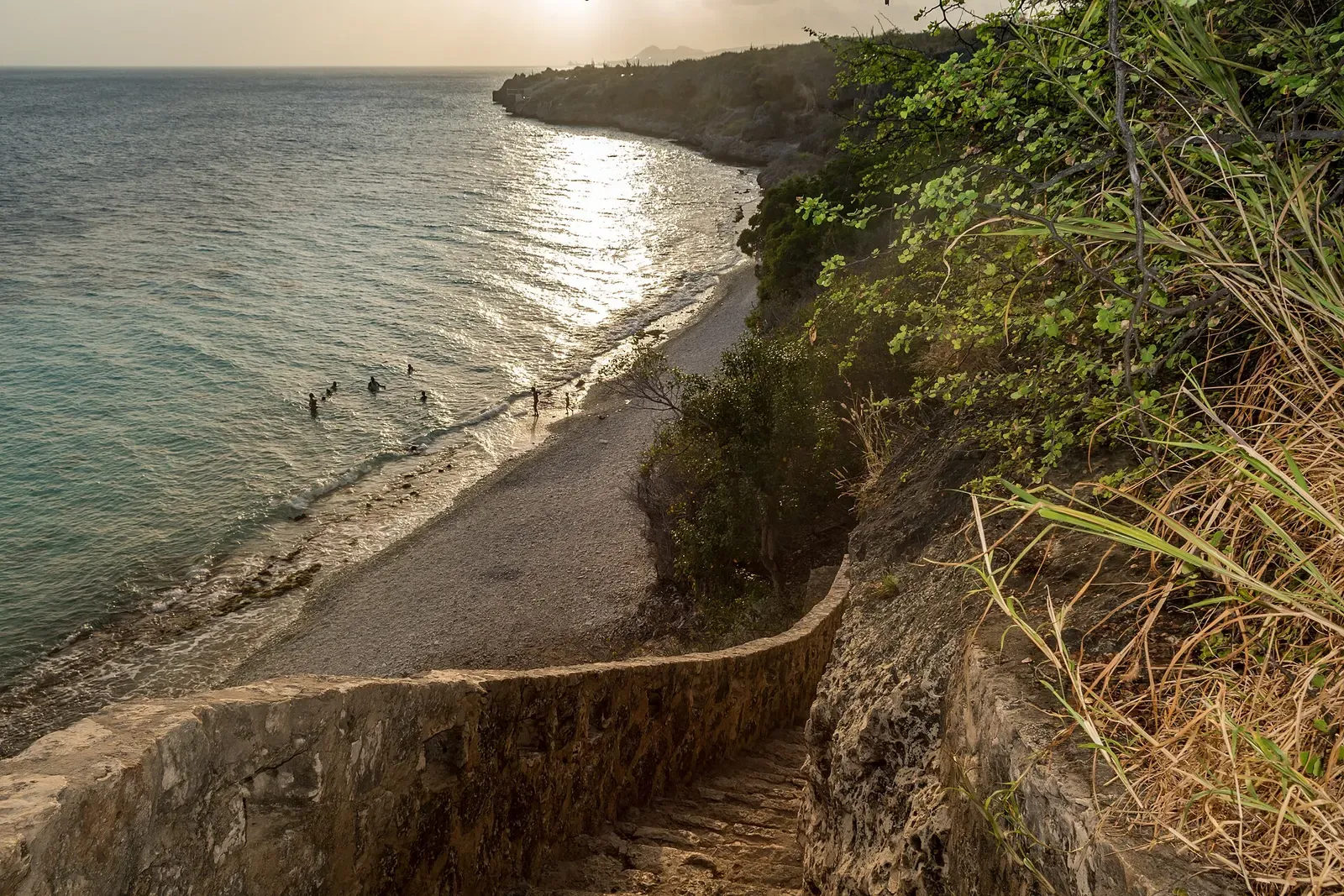
A staircase entry onto a reef that tips over at 9 metres

A small coral island with a vertical wall, to 19 m
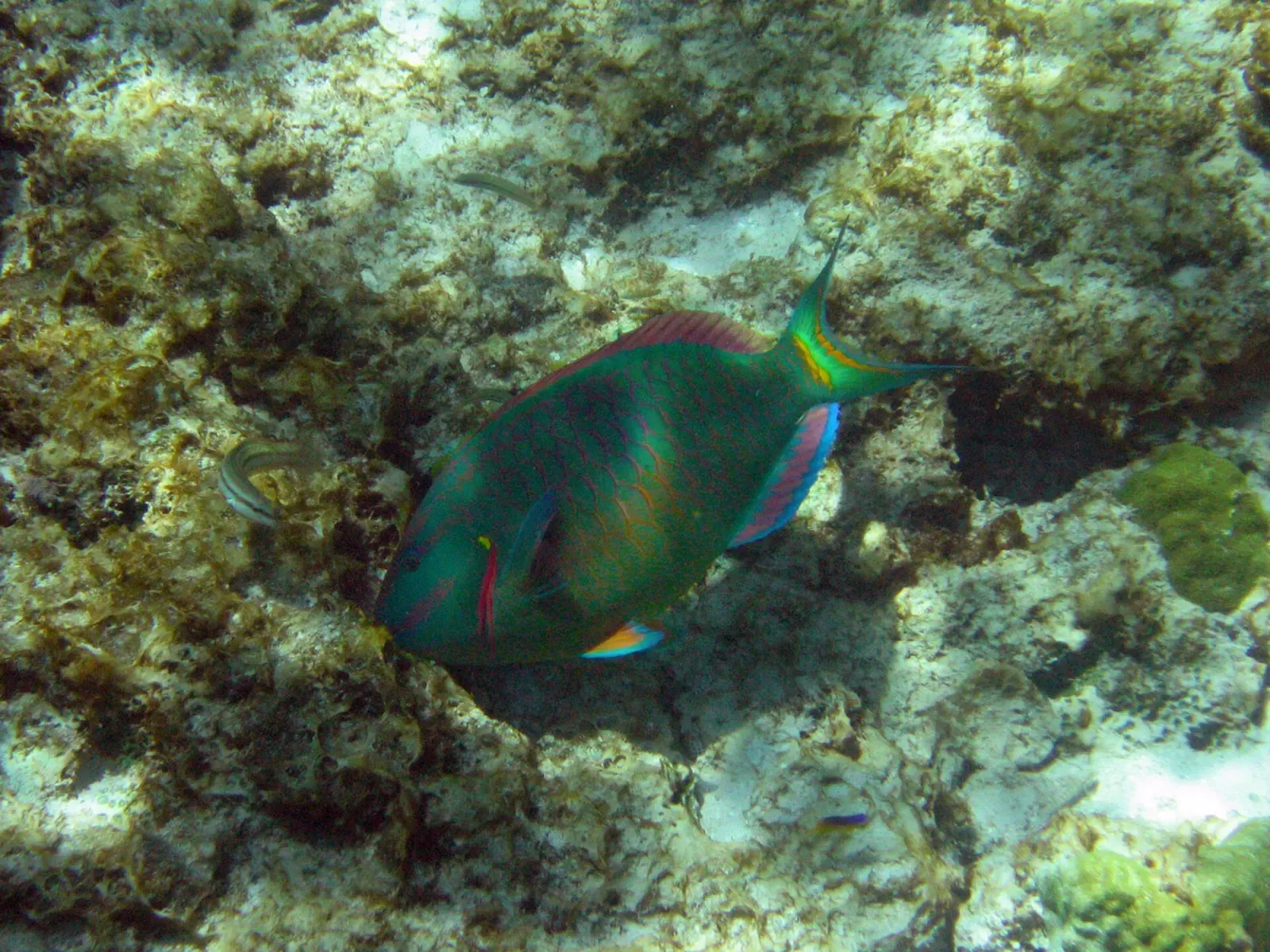

One of only three marked underwater trails in the United States