
Turks & Caicos · Turks & Caicos Islands · Reef · Wall
Highway to Heaven
Garden eels on the sand before coral arches and swim-throughs
Area photo: SNORKELINGDIVES.COM · CC BY 2.0
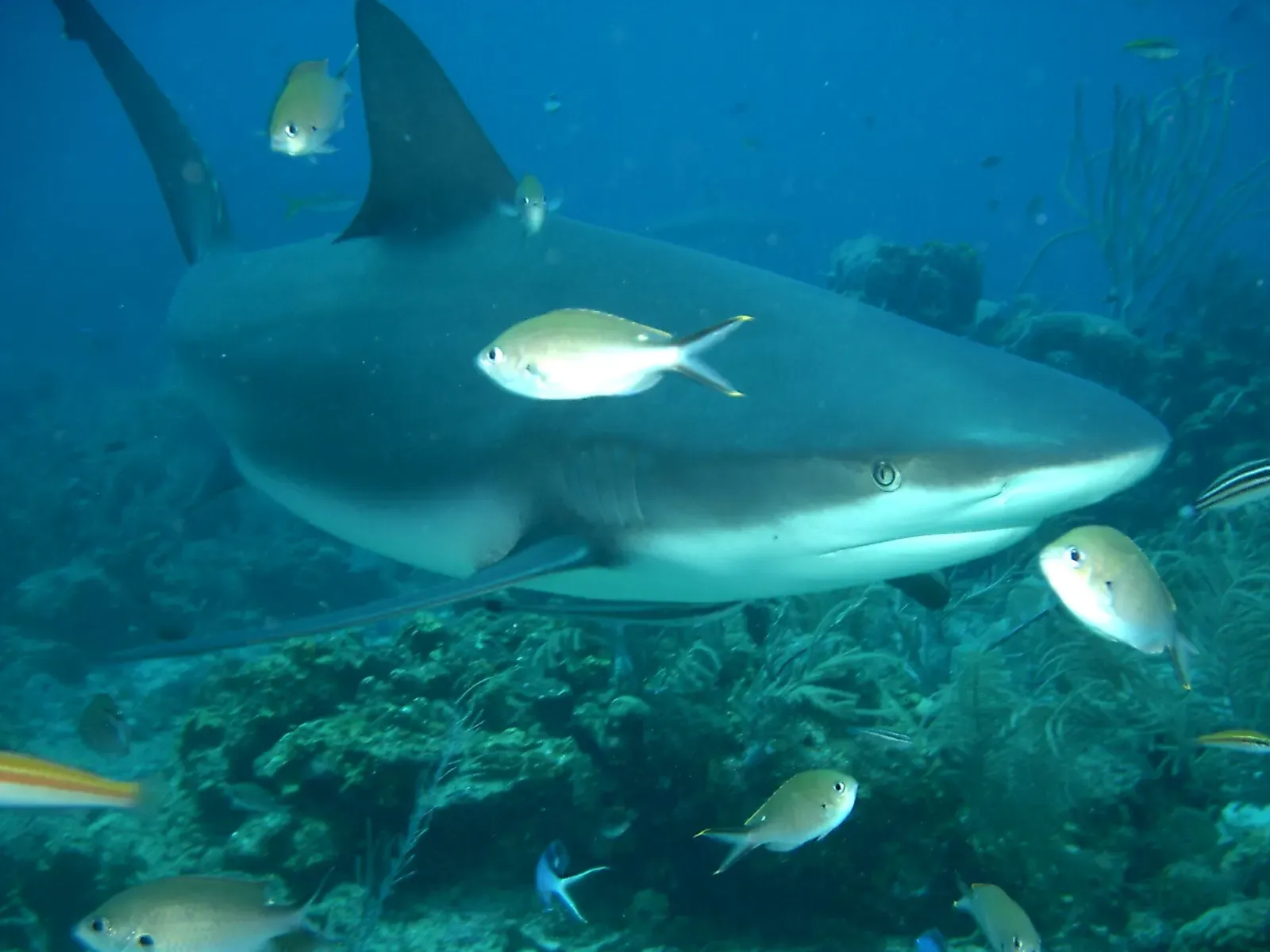
Highway to Heaven sits at the north end of West Caicos, combining a sandy flat with coral arches and swim-throughs. Garden eels occupy the starting area, stingrays use the sand, and eagle rays, Atlantic spadefish and sharks add encounters around the reef.
0Where it is and how deep
21.6664° N, 72.4497° WApproximate position — the dashed circle shows where the site lies; your operator's briefing has the mooring.
The dive
The dive begins on a sand flat at about 15 m (50 ft), where a large garden-eel colony occupies the bottom. Coral arches and swim-throughs lie around 24–30 m (80–100 ft). Stingrays use the sand, and Atlantic spadefish, eagle rays and sharks are common, with frequent shark sightings.
Marine life and season
- Stingrays
- Eagle rays
| Jan | Feb | Mar | Apr | May | Jun | Jul | Aug | Sep | Oct | Nov | Dec |
|---|---|---|---|---|---|---|---|---|---|---|---|
| Prime | Prime | Prime | Prime | Good | Good | Good | Good | Fair | Fair | Good | Good |
Season follows Turks & Caicos: January–April brings calm seas and the humpback whale migration through the Turks Island Passage; September–October is peak hurricane season.
Questions divers ask
What profile does Highway to Heaven offer?+
The dive starts with garden eels on the sand at about 15 m (50 ft). The coral arches and swim-throughs lie around 24–30 m (80–100 ft).
How is Highway to Heaven reached?+
Day boats take about an hour to reach West Caicos along the south coast of Providenciales. Liveaboards also visit its walls.
What animals occur at Highway to Heaven?+
Garden eels occupy the starting sand flat, while stingrays use the sand. Atlantic spadefish, eagle rays and sharks are common around the site.
Sources
- Dive Provo dive information — Dive Provo
- Dive The World dive information — Dive The World
More dive sites in Turks & Caicos
Wall
The Hole in the Wall
A single-diver passage opening onto the blue-water wall
Wall
Aquarium
Grunts and snappers form a near-continuous school above the wall
Wall
Eagle Ray Pass
A sand gully opens onto a coral-covered sloping wall
Wall
Football Field
A lobster-inhabited sand flat away from the wall
Wall
West Caicos Wall
Antler and rope sponges decorate a long leeward wall
Wall
Driveway
A sand chute linking scattered coral heads to the wall
Wall
Whiteface
An old anchor embedded in a crack north of the mooring
Wall
Gully
A cut through the reef top that leads straight onto the wall
Similar dives elsewhere
Black coral lines the entrance to the main fissure

Broken walls and sand channels, 4.6 to 30 metres

Seahorses on the sandy approach to a coral wall

Tarpon and jack schools over a drop-off at 25 m