What changes between December and January?
Pick Cozumel for several days of reef dives, Bimini for a dedicated great hammerhead outing, or the Maldives if you want to choose between shallow coral and tidal channels. For humpback whales, Silver Bank is a separate snorkel-only option with dated departures.
January continues the recovery we saw in December. The share of open areas we rate prime rises from about one in six in November, the year’s low, to about one in five in December and close to one in four in January. The chart uses our curated ratings for open areas, including some snorkel destinations. A prime rating reflects the main reason to visit each area. That might be settled reef conditions, seasonal wildlife or the months a trip can run.

Embed this diagram
<figure>
  <img src="https://reefwander.com/og/diagrams/prime-calendar.svg" alt="Share of open areas in our calendar rated prime each month. The share climbs from November to December and again in January." loading="lazy">
  <figcaption>Diagram by Reefwander, licensed under CC BY 4.0.</figcaption>
</figure>
See the annual dive calendar for the full seasonal cycle, or browse the January directory for more destinations, water temperatures and recorded visibility. When the trip hinges on a particular animal or a particular site, check the dates and the dive profile together.
Cozumel or Bimini: reef week or shark encounter?
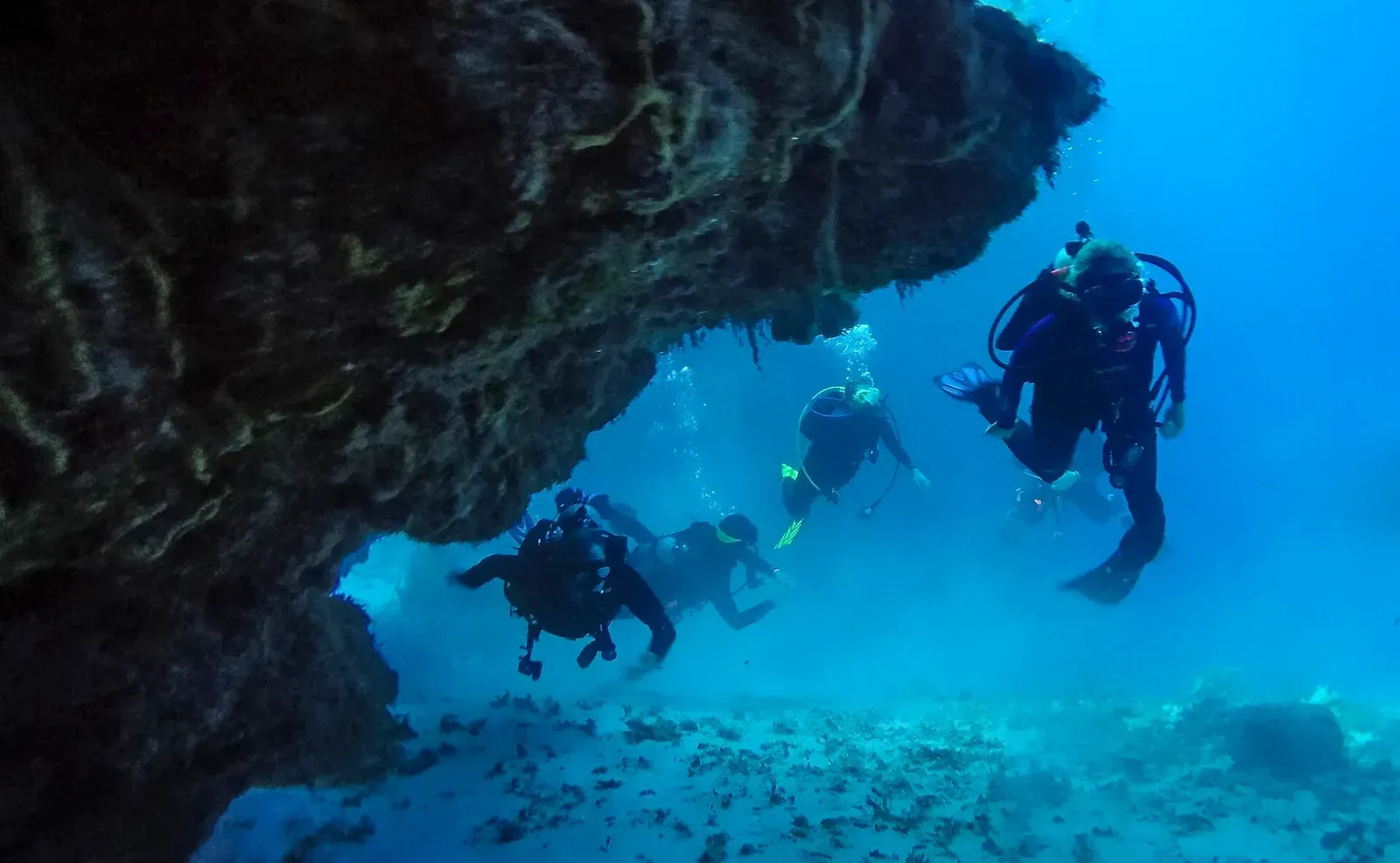
Cozumel moves from good in December to prime in January. A multi-day reef trip gives you room to start on the shallow platform at Palancar Gardens, then try a deeper drift at Palancar Caves if your group is ready for it. Gardens reaches 24 m (79 ft), with a shallower route for a first wall dive. At Caves, the route winds among coral formations and reaches 30 m (98 ft) before working back up the reef. Its eagle ray window runs from December to April, so January is already well inside it.
Paraiso Reef offers a shallower profile at 12–15 m (39–49 ft) and can also be reached from shore when conditions allow. Winter nortes, or northerly cold fronts, can close the port to dive boats even during Cozumel’s prime months. Leave a spare dive day and ask your operator how it reschedules after a closure. Confirm the reef itinerary too, since access can vary by site.
For great hammerheads, January falls inside the December–March prime window at Bimini’s Hammerhead Site (South Bimini). The area itself turns prime in January, a month after the site. One operator runs its safari from November through April. The crew baits the water and decides when divers enter, based on shark activity and conditions.
The encounter takes place over sand around 6 m (20 ft) deep. It calls for certified divers who can hold position in current, follow the crew’s briefing and stay comfortable through long waits with little movement. Our site profile rates it advanced. Ask about exposure protection and weather cancellations before booking a single day around it. For other boat dives, Hesperus is a shallow wreck in seagrass where loggerheads are seen, while the concrete hull of SS Sapona breaks the surface and also works on snorkel. For a trip built around a particular species, see our hammerhead calendar.
Which Maldives reefs work in January?
Haa Alif & Haa Dhaalu Atolls, Laamu Atoll and the Addu Atoll all move from good in December to prime in January in our ratings. The northeast monsoon brings a drier stretch, but the dives you can put together differ by atoll and by boat itinerary.
In Haa, Filladhoo Wreck offers an exterior wreck dive at 5–18 m (16–59 ft) with moderate current. The deck has collapsed, and the route stays outside the hull. In Laamu, Nursery Thila is the day-boat choice for a shallow first dive or a refresher. Its coral boulders sit over sand, mainly around 12 m (39 ft), with little current. On the same atoll, Fushi Kandu is a liveaboard channel drift with a recorded maximum of 35 m (115 ft) and flow listed at one to two knots. If the channel is the reason you’re coming, check that your itinerary includes it and ask what experience your operator expects.
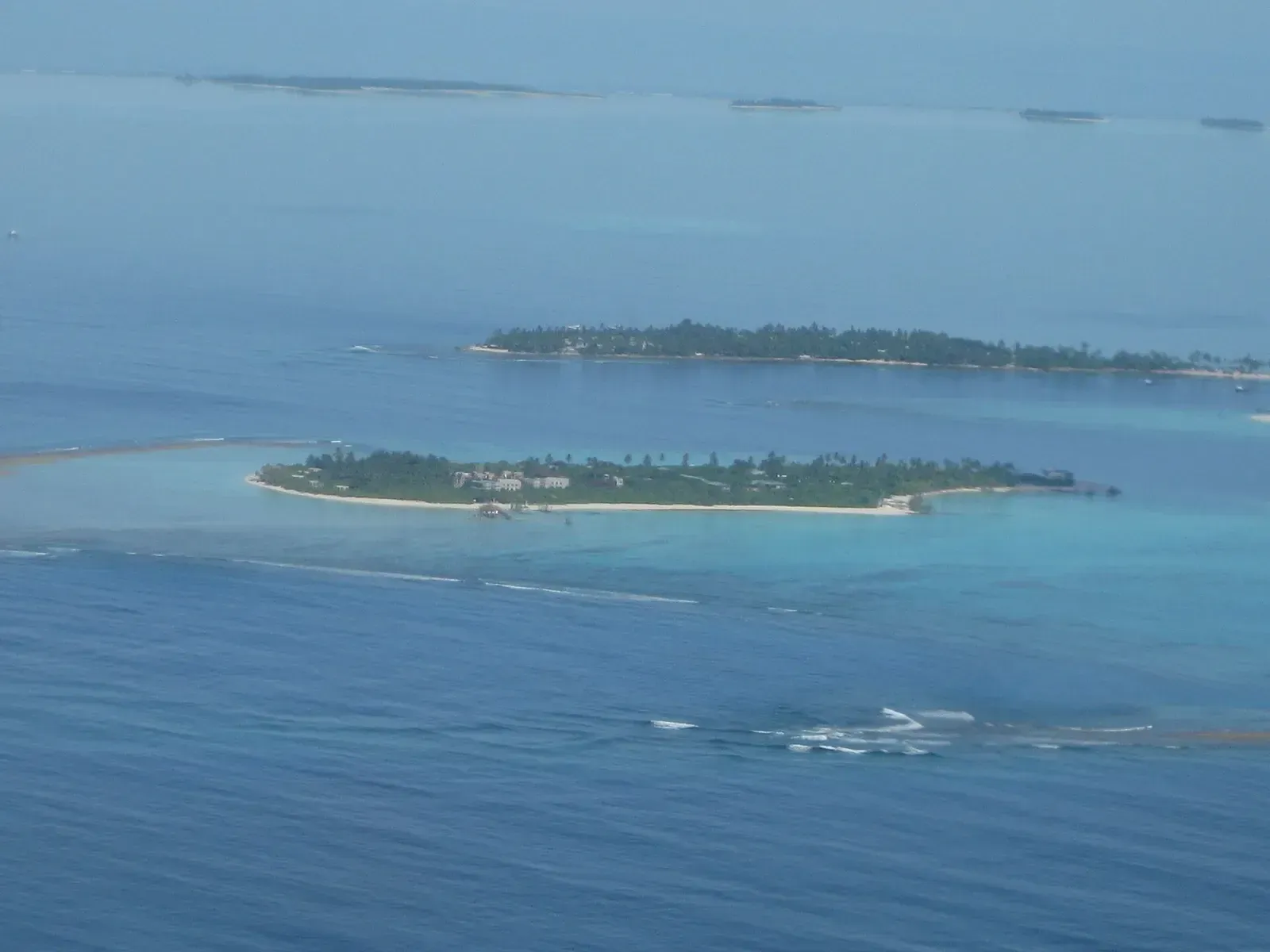
In Addu, Addu Manta Point is an advanced dive at 19–25 m (62–82 ft). The route uses the incoming tide, which can run strong. Mantas visit year-round, and January is in the drier stretch. For the separate southwest-monsoon aggregation at Hanifaru Bay, use our manta calendar. A January reef itinerary in Laamu and a trip timed for the Hanifaru aggregation serve different purposes.
What about Coiba, Caño and Socorro?
For a land-based eastern Pacific trip, look at day boats to Coiba from Santa Catalina in Panama or to Isla del Caño from the Costa Rican mainland. Both area records put January in their drier, clearer stretch. At Coiba, Iglesia is an intermediate reef dive with mild current and a recorded maximum of 22 m (72 ft). At Caño, Cueva del Tiburón runs at 10–15 m (33–49 ft). Whitetip reef sharks may rest under the ledge. Give them room and keep the opening clear.
Revillagigedo (Socorro) is an offshore liveaboard trip. El Boiler has a 6–30 m (20–98 ft) dive profile on a pinnacle visited by giant mantas, with strong current in the site record. Roca Partida is an exposed offshore pinnacle where the listed dive profile reaches 40 m (131 ft). We rate both advanced. Boats are already sailing before January, and the itinerary depends on conditions. Check the whole crossing and itinerary before committing to the trip for one site.
When can you visit Silver Bank in January?
Silver Bank is a snorkel trip. Humpbacks arrive in the Dominican Republic’s offshore sanctuary before guests can get out to see them. The first departure on the 2027 schedule we checked is 16 January 2027, with disembarkation on 23 January. Use the operator’s dated schedule when choosing flights, since the timing is specific to that expedition.
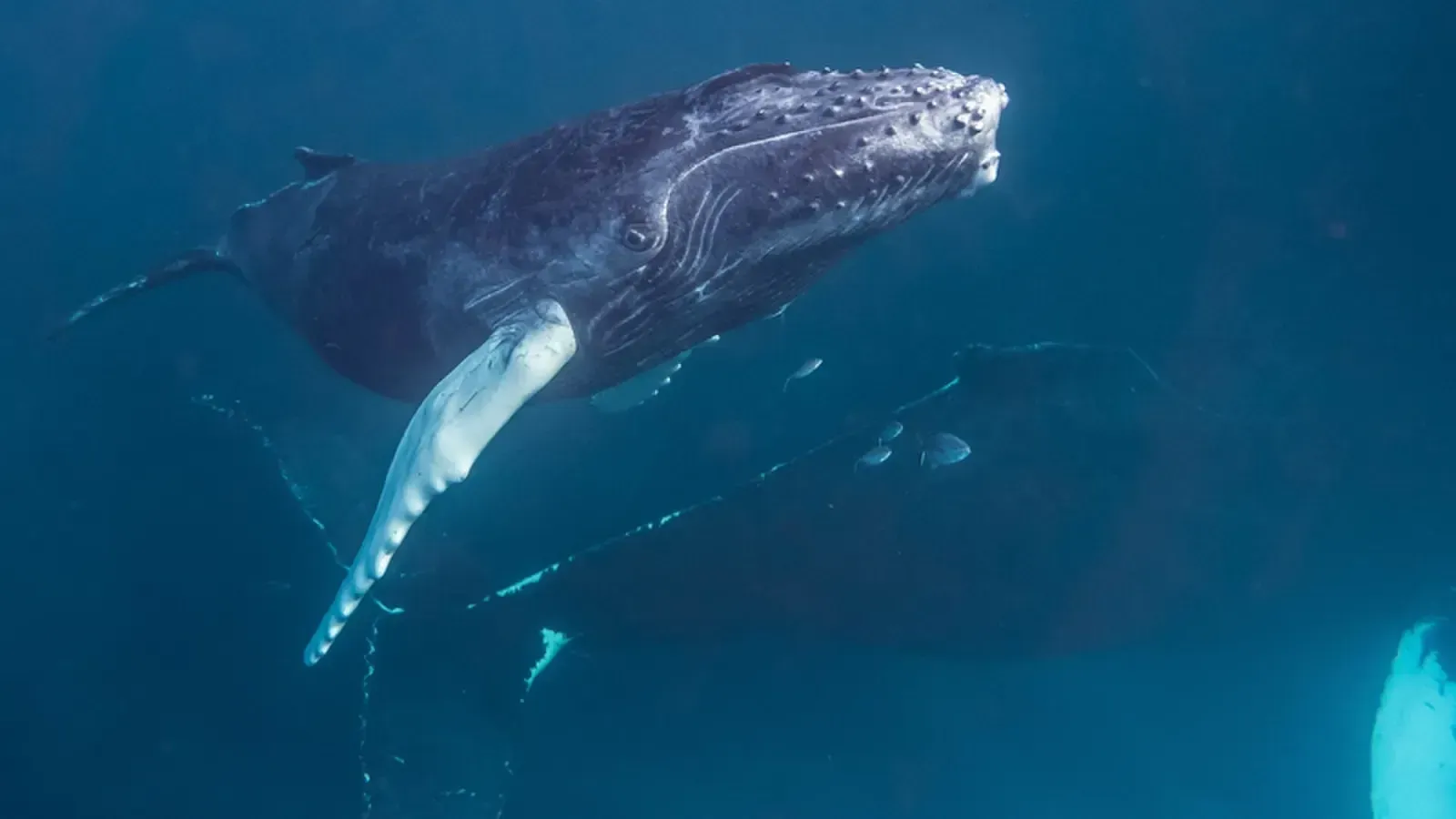
The trip spends a week aboard. In-water encounters are passive, with guests using mask, fins and snorkel at the surface and taking their cue from the guide. The whales decide how close they come, and weather and whale behaviour shape whether the group gets in at all. If your holiday falls in early January, check the departure date before planning around whales already being on the bank.
Is January good for diving in New Zealand?
January is an austral-summer option at the Poor Knights Islands, reached by day boat from Tutukaka. Divers enter from the boat, since recreational visitors cannot land on the islands. Blue Maomao Arch puts schooling fish in an arch at 7–8 m (23–26 ft), with water reaching 18 m (59 ft) elsewhere at the site. Rikoriko Cave is a sea cave with sponge-covered walls and a mouth that slopes to 30 m (98 ft). Ask the skipper which profile suits your group and the day’s conditions.
The water warms through summer. The arch’s site record puts it at around 22°C (72°F) by February and March. Ask the boat for the current water temperature so you can pack for your actual trip.
Which January dives suit your experience?
For a mixed-experience group, build around dives everyone can do, such as Paraíso Reef, Nursery Thila or the shallow route at Blue Maomao Arch. The table shows recorded site depths. A beginner rating can apply to a shallow route on a site that also reaches below your certification or comfort limit. Current ratings describe typical conditions, and the operator can help you choose a route for the day’s tide and swell.
| Site | Depth | Current | Level | Best months |
|---|---|---|---|---|
| Palancar Gardens Cozumel · Mexico | to 24 m | Mild | Beginner | Jan–Apr |
| Palancar Caves Cozumel · Mexico | to 30 m | Mild | Intermediate | Jan–Apr |
| Paraiso Reef Cozumel · Mexico | 12–15 m | Mild | Beginner | Jan–Apr |
| Hammerhead Site (South Bimini) Bimini · Bahamas | to 6 m | Moderate | Intermediate | Jan–Mar |
| Hesperus Bimini · Bahamas | to 7 m | Moderate | Intermediate | Jan–Mar |
| SS Sapona Bimini · Bahamas | 5–6 m | Moderate | Intermediate | Jan–Mar |
| Filladhoo Wreck Haa Alif & Haa Dhaalu Atolls · Maldives | 5–18 m | Moderate | Intermediate | Jan–Apr |
| Nursery Thila Laamu Atoll · Maldives | to 12 m | Mild | Beginner | Jan–Apr |
| Fushi Kandu Laamu Atoll · Maldives | to 35 m | Moderate | Advanced | Jan–Apr |
| Addu Manta Point Addu Atoll · Maldives | 19–25 m | Strong | Advanced | Jan–Apr |
| Iglesia Coiba · Panama | to 22 m | Mild | Intermediate | Jan–Mar |
| Cueva del Tiburón Isla del Caño · Costa Rica | 10–15 m | Mild | Beginner | Jan–Mar |
| El Boiler Revillagigedo (Socorro) · Mexico | 6–30 m | Strong | Advanced | Jan–Mar |
| Roca Partida Revillagigedo (Socorro) · Mexico | to 40 m | Moderate | Advanced | Jan–Mar |
| Blue Maomao Arch Poor Knights Islands · New Zealand | 7–8 m | Mild | Beginner | Jan–Apr |
| Rikoriko Cave Poor Knights Islands · New Zealand | 12–30 m | Mild | Intermediate | Jan–Apr |
What should you check before booking?
- How boats handle winter weather. Ask in Cozumel how nortes and port closures affect multi-day bookings. For Bimini, ask whether a weather cancellation can be moved to another day and what happens if the boat makes it out but the sharks stay away.
- Which sites the boat will try to reach. Confirm liveaboard availability and the route before buying flights for Fushi Kandu or Socorro. For channel and offshore dives, ask what current and experience the operator expects and which sites it can substitute.
- What date the wildlife trip actually leaves. For Silver Bank, start with the published departure and return dates, then check what the operator requires for the snorkel encounter. If those dates fall outside your holiday, the January directory has more ways to use the week.