Caribbean · Barbados
Barbados
Six wrecks in one protected bay, plus the deep Stavronikita
Barbados is a mellow, year-round dive island where the boats work the sheltered south and west coasts from Bridgetown. Carlisle Bay Marine Park gathers six wrecks in calm water open to every level, and the SS Stavronikita is the most popular wreck in the island's waters. Most dives run from 3 to 37 m (10 to 120 ft) over fringing reefs and wrecks, while the Atlantic east coast is usually rough and dived only when the weather allows.
About diving in Barbados
Diving here is by day boat; no liveaboards work these coasts. The usual programme is a two-tank trip that sets out around 9am and is back by 2pm, before the breeze kicks up the sea. Shops collect divers from hotels along the coast between Speightstown and Oistins, but they can be booked out when a cruise ship is in port, so calling ahead pays. The seas are micro-tidal, with a range that seldom exceeds 0.2 m.
The south and west coasts carry fringing reefs and a cluster of wrecks, some deliberately sunk. Inside Carlisle Bay lies the Berwyn, a French tug 21 m (70 ft) long from the First World War that her own crew sank in 1919. The south coast inner reefs usually give a gentle drift, and on the west coast the dives are often run as drifts along with the current, though stronger currents turn up at times. With no river or agricultural run-off to cloud the water, visibility typically holds at 8 to 10 m.
Barbados is a good place to learn and suits resort-level divers: the diving is pleasant rather than spectacular. Carlisle Bay works for every level from beginner to expert, while the outer reefs and the deep wrecks suit more experienced divers. The Atlantic east coast is another matter, exposed to the full force of the ocean, with long travel times, few harbours and dangerous lee shores. Commercial boats seldom venture onto the southeast coast, fringed by the 26 km (16 mi) Cobblers Reef, and the ten or so Atlantic sites depend on the weather.
Best time to dive Barbados
| Jan | Feb | Mar | Apr | May | Jun | Jul | Aug | Sep | Oct | Nov | Dec |
|---|---|---|---|---|---|---|---|---|---|---|---|
| Good | Good | Good | Good | Good | Fair | Fair | Fair | Fair | Fair | Fair | Fair |
Barbados dives as a year-round resort, and no month stands out as a peak for the sheltered west and south coasts. The wet season runs from June to December, with much more rain from July. August to November is the hurricane season: storms usually pass to the north, but even a distant one, or one downgraded to a storm, leaves the sea too rough to dive. The water is coolest in February, at about 26°C, and warmest in September, at about 30°C. The Atlantic sites are best in the summer months, when the weather allows.
Dive types & marine life
Turtles and rays are most likely in Carlisle Bay, where seahorses, flying gurnards and batfish are frequent sightings. Turtles also turn up regularly on Dottins.
- Wreck
- Reef
- Drift
- Sea turtles
- Barracuda
- Trevally & jacks
- Nudibranchs
Best dive sites in Barbados
- 1
SS Stavronikita
The most popular wreck in Barbados, 111 m (365 ft) long, from the bow at 21 m (70 ft) to the propeller
- 2
Carlisle Bay
Protected sanctuary with six wrecks, shared by snorkellers and divers
- 3
Trident Wreck
Former Barbados coast guard flagship, sunk on purpose, with double-barrelled 60 mm guns on the bow
- 4
Friars Craig
Wreck scuttled in 1985, now full of nooks and crannies sheltering marine life
- 5
Dottins
Very popular reef with corals, bar jacks and yellowtails
- 6
The Boot
Boot-shaped coral formation with schools of barracuda, moray eels and nudibranchs
Site guides
Wreck
A World War I French tug scuttled by her own crew
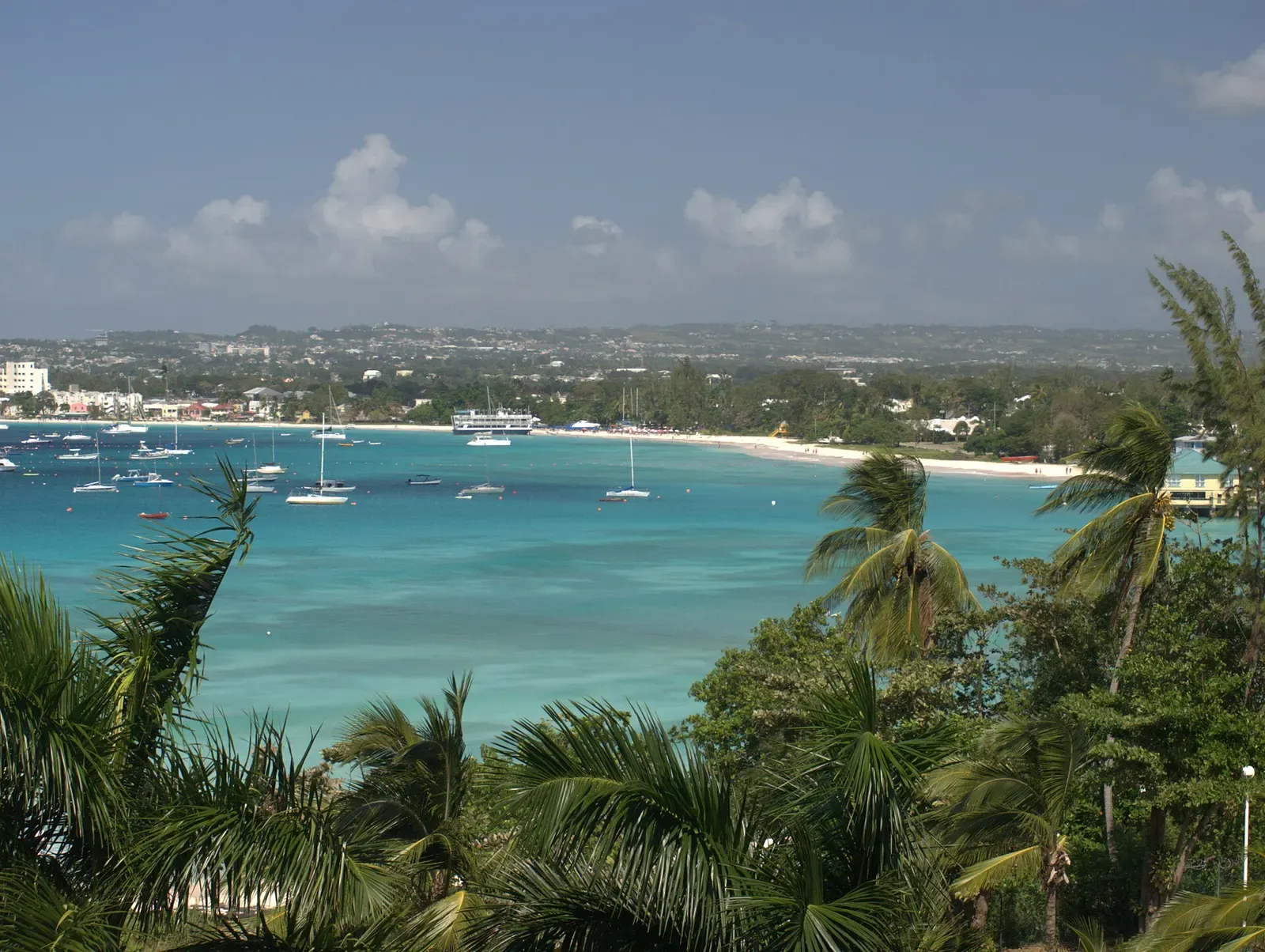
Six wrecks gathered in one sheltered bay
Wreck
An air pocket in the bow big enough to talk in
Wreck
A 1985 divers' wreck now full of nooks and crannies
Reef
A west-coast shipwreck paired with its neighbouring reef
Wreck
The mast top lies just 5 m (15 ft) below the surface
Wreck
The former flagship of the Barbados coast guard
How to get to Barbados
Flights land at Grantley Adams International Airport (BGI), 13 km (8 mi) east of downtown Bridgetown, where most dive shops are based.
Dive videos
DIVE BARBADOS: The Scubaverse Trip Review · Scubaverse on YouTube
Episode 59: Wreck Diving Barbados · Roadtrips of Unusual Size on YouTube
Questions divers ask
What certification is needed to dive the Stavronikita?+
Advanced Open Water. The bow lies at 21 m (70 ft) and the propeller at 43 m (140 ft), while Carlisle Bay's wrecks suit beginners.
When is the best time to dive Barbados?+
The sheltered west and south coasts dive all year, but January to May avoids the wet season and the August to November hurricane season, when distant storms can make the sea too rough.
Is diving in Barbados from the shore or by boat?+
By boat, usually as a two-tank trip that leaves around 9am and returns by 2pm before the breeze picks up. There are no liveaboards.
Can divers dive the east coast near Bathsheba?+
Only when the weather allows. The Atlantic coast is usually rough, with long travel times and few harbours, and its ten or so sites are best in the summer months.
How do divers get to the dive shops in Barbados?+
Fly into Grantley Adams International Airport (BGI). Most shops are in Bridgetown and collect divers from hotels between Speightstown and Oistins; book ahead when a cruise ship is in port.
Sources
- Dive Sites – Dive West Side Scuba — Dive West Side Scuba
- Dive Sites - Barbados Blue Watersports — Barbados Blue Watersports
- Diving in Barbados – Wikivoyage — Wikivoyage
- Barbados – Wikivoyage — Wikivoyage
- Barbados – Wikipedia — Wikipedia
- Bridgetown Average Sea Temperatures — seatemperature.org
Embed
Run a dive centre, club or blog? Embed this map of 5 dive sites near Barbados on your own page.
Similar destinations
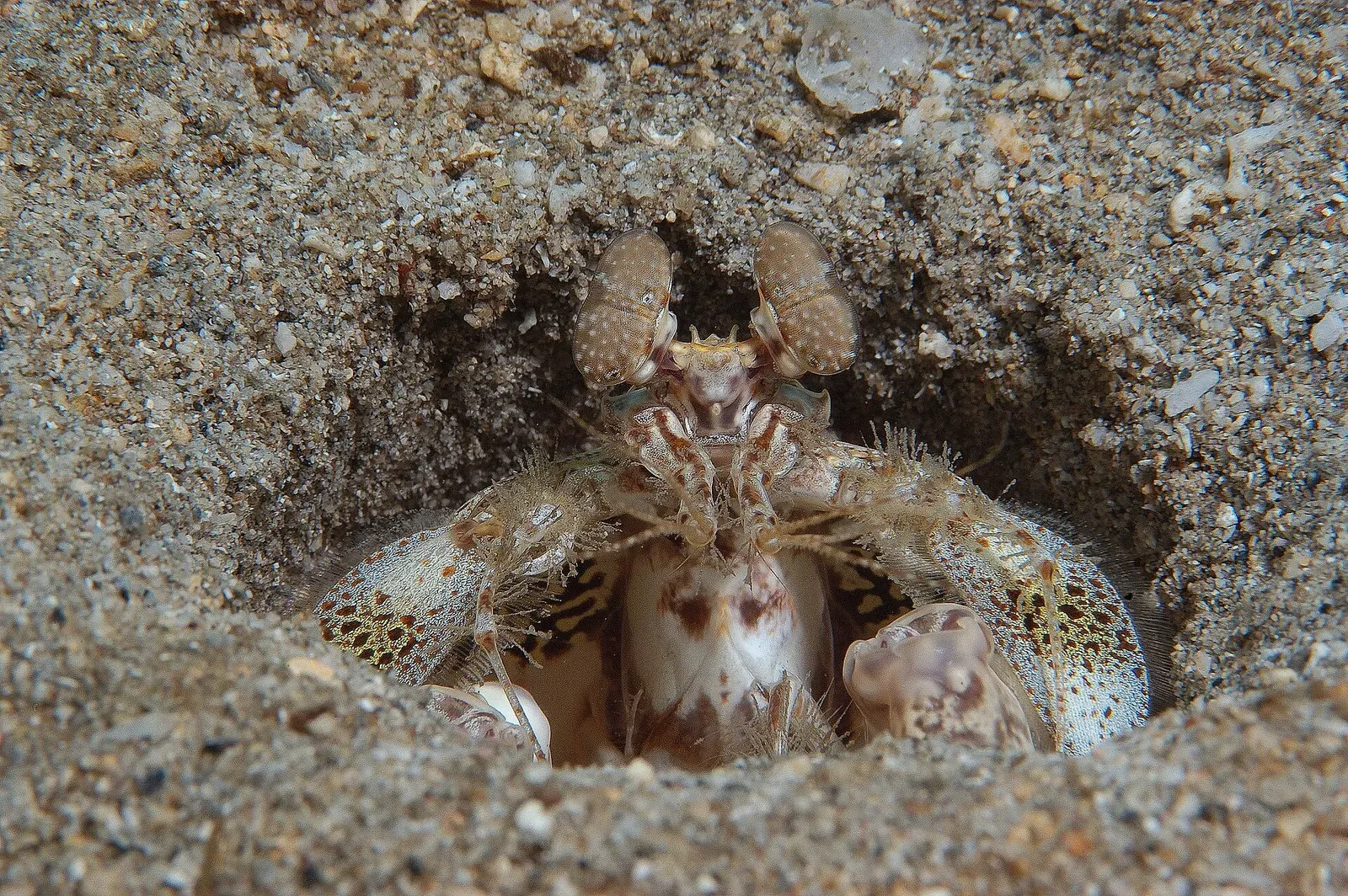
Healthy fringing reef, boulder swim-throughs and a tug wreck minutes from the beach

Shore and boat reefs, plus wrecks from a shallow tug to a harbour-mouth hull

Lava flows, old wreck sites and night turtles in a marine park
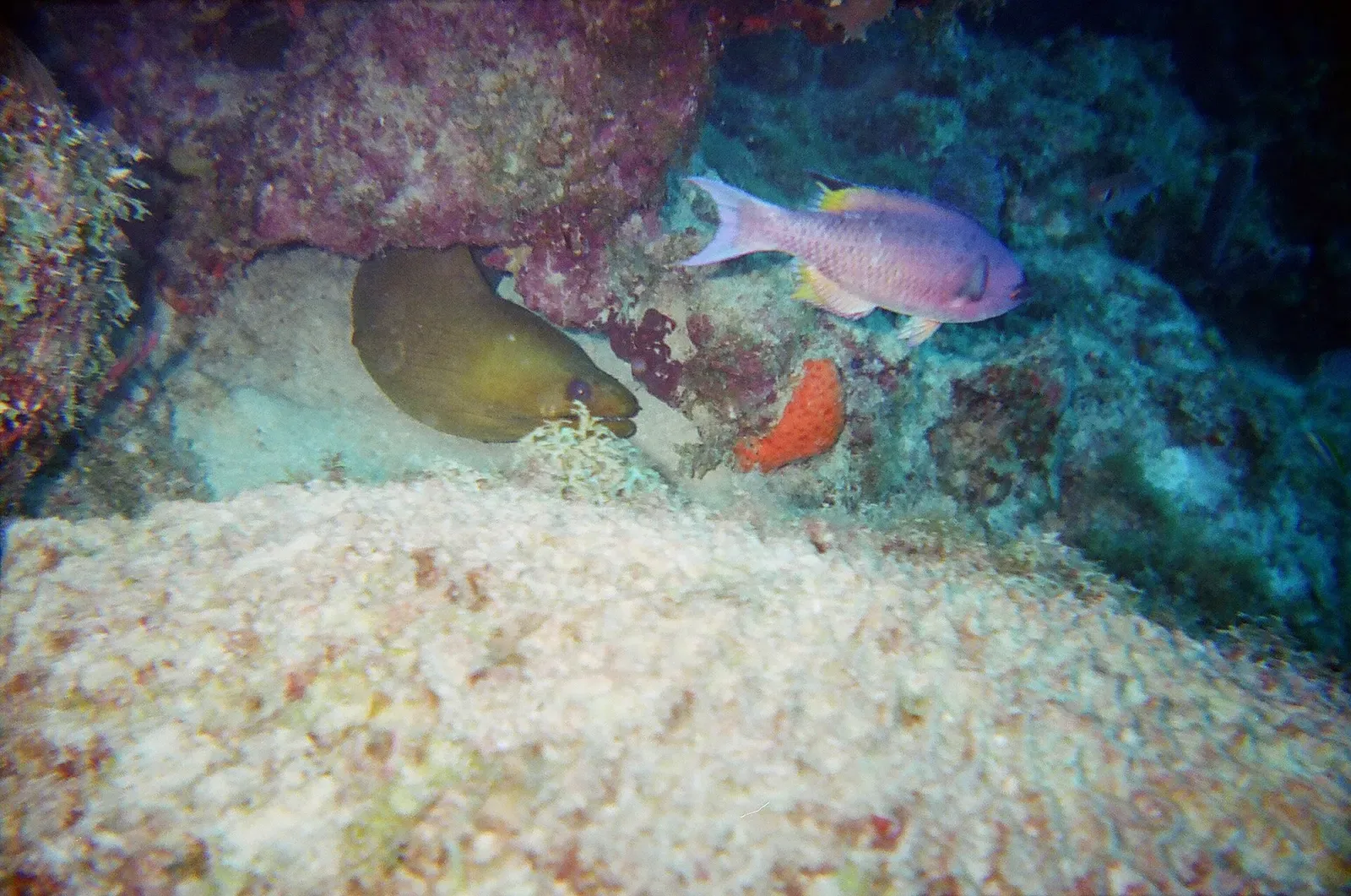
A 1940 German freighter in up to 18 m of water, among a string of other wrecks