Bay of Islands · New Zealand · Wreck · Artificial reef
HMNZS Canterbury
An intact navy frigate, 30 minutes out of Paihia
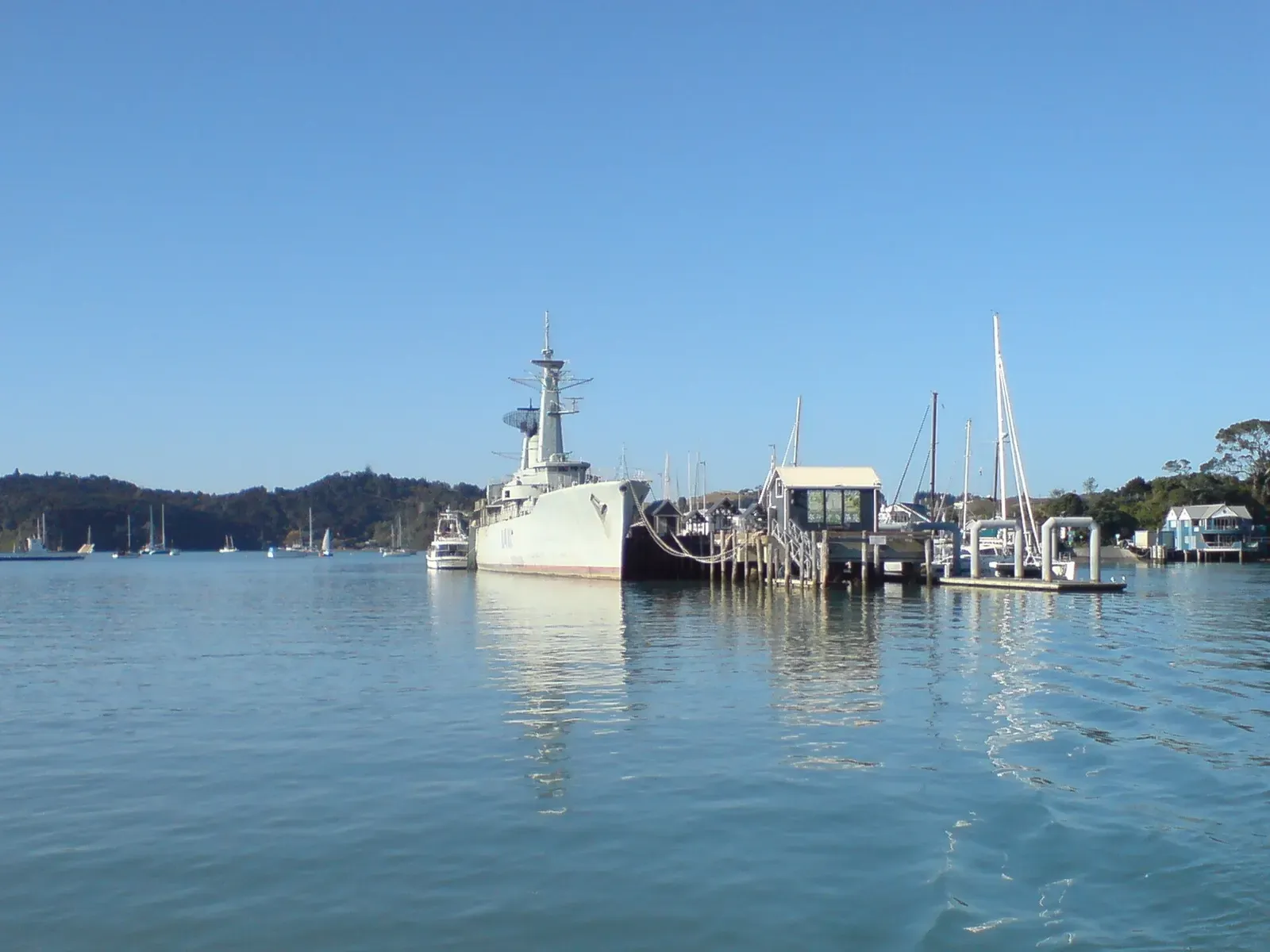
Photo: Ingolfson at English Wikipedia (Original text: Uploader.) · Public domain
The frigate HMNZS Canterbury was scuttled in Deep Water Cove in November 2007 and sits upright and mostly intact, in contrast to many wrecks put down for diving, which have broken up. The bow is at about 20 m, the bridge and helicopter hangar at 27 m, the stern at roughly 36 m and the seabed at 38 m, so one ship spans the range between a straightforward recreational dive and a deep one.
Also known as Canterbury F421.
Where it is and how deep
35.1938° S, 174.2944° EPublished position for this site.
The dive
Deep Water Cove is about 30 minutes from Paihia on the boat, near Cape Brett, and the cove is a marine reserve. Divers hit the bow at about 20 m, and that is where most dives start: it is the shallowest part of the ship and the easiest place to get your bearings before the hull falls away beneath you towards the stern.
From the bow the ship runs down its own length, past the bridge and helicopter hangar at 27 m, with the stern resting at approximately 36 m and the seabed at 38 m. She went down in one piece and has stayed that way, so the shape is still obviously a warship rather than the collapsed steel most scuttled wrecks turn into. Fish moved in early, with resident schools holding in the bridge and around the funnel.
How much of her you see depends on your training. The outside of the hull and the upper decks sit within recreational limits, while the lower levels are for more advanced divers, both for the depth and for the overhead. Bottom time is the limiting factor at the stern end, so the usual pattern is to take the deep half first and finish shallow around the bow.
The wreck
- Vessel
- HMNZS Canterbury (F421)
- Type
- Leander-class frigate
- Built
- 1970
- Sunk
- 2007
- Cause
- Scuttled as a dive wreck with charges set at twelve points around the hull
- Lies
- Upright and mostly intact in Deep Water Cove, bow at about 20 m and stern at approximately 36 m
Canterbury was launched in 1970 and stripped of potential contaminants and scrap materials before she was sunk in Deep Water Cove on 3 November 2007 at 14:30, the sinking itself carried out by the UK company Cadre One. The charges were modest for a ship of her size: twelve locations around the hull received explosives totalling only 14 kg. The result is a frigate that is mostly intact on the seabed, in contrast to many similar dive wrecks, which have broken up.
Marine life and season
- Reef fish swarms
| Jan | Feb | Mar | Apr | May | Jun | Jul | Aug | Sep | Oct | Nov | Dec |
|---|---|---|---|---|---|---|---|---|---|---|---|
| Prime | Prime | Prime | Prime | Good | Fair | Fair | Fair | Good | Good | Good | Prime |
Season follows Bay of Islands: Jan–May is warmest and clearest as the East Auckland Current pushes south; winter is cold, green and frequently blown out.
Know before you go
- The stern rests at approximately 36 m and the seabed at 38 m, so no-decompression time down there is measured in minutes; plan the deep end first and keep an eye on gas as you work forward.
- The lower levels are an overhead environment and are for more advanced divers only: a torch, a line and penetration training are what separate a look inside from a problem.
Photos from HMNZS Canterbury
Peter Southwood · CC BY-SA 3.0
Peter Southwood · CC BY-SA 3.0
111 Emergency from New Zealand · CC BY 2.0
Dive videos
360 - Wreck Diving - HMNZS Canterbury · Xlvisuals Limited on YouTube
Diving the HMNZS Canterbury Wreck - Engine Room Upper Plates Penetration · Sailing Rattler - Diving KissCCR - Sam McD on YouTube
Questions divers ask
How deep is the HMNZS Canterbury?+
The bow is at about 20 m, the bridge and helicopter hangar at 27 m and the stern at approximately 36 m, with the seabed at 38 m. The upper structure is within recreational limits; the stern and the lower levels are advanced diving.
Do you need Advanced to dive the Canterbury?+
The upper decks and the outside of the hull around 20 m are inside recreational limits, but the lower levels are for more advanced divers and the stern sits at roughly 36 m, so Advanced Open Water or deep training is what the whole ship asks for.
Sources
- HMNZS Canterbury (F421) - Wikipedia — Wikipedia
- HMNZS Canterbury dive trip — Dive North (Paihia Dive)
Photo credits
- HMNZS Canterbury docked at Opua quay shortly before being scuttled as a dive wreck by Ingolfson at English Wikipedia (Original text: Uploader.), Public domain, via Wikimedia Commons
- Pigfish resting on the superstructure of the sunken HMNZS Canterbury by Peter Southwood, CC BY-SA 3.0, via Wikimedia Commons
- Jewel anemones covering part of the HMNZS Canterbury wreck by Peter Southwood, CC BY-SA 3.0, via Wikimedia Commons
- Stern and boat ramp of the frigate HMNZS Canterbury before it was scuttled by 111 Emergency from New Zealand, CC BY 2.0, via Wikimedia Commons
In The Logbook
- Ships sunk on purpose, and where to dive themWrecks · 14 min read
- Deep wreck diving: where recreational stopsWrecks · 8 min read
More dive sites in Bay of Islands
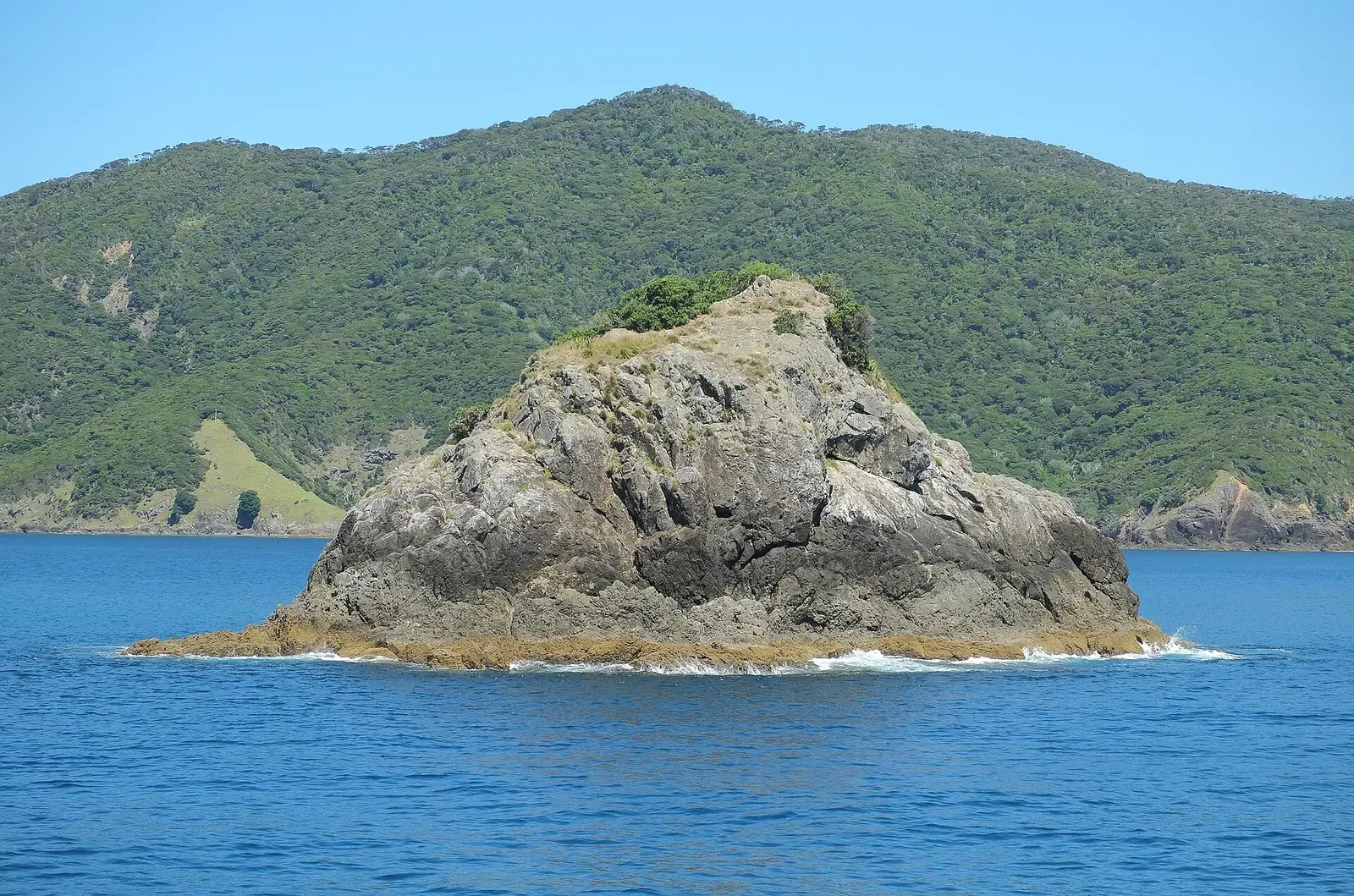
Marine-reserve reef where the snapper come to the divers
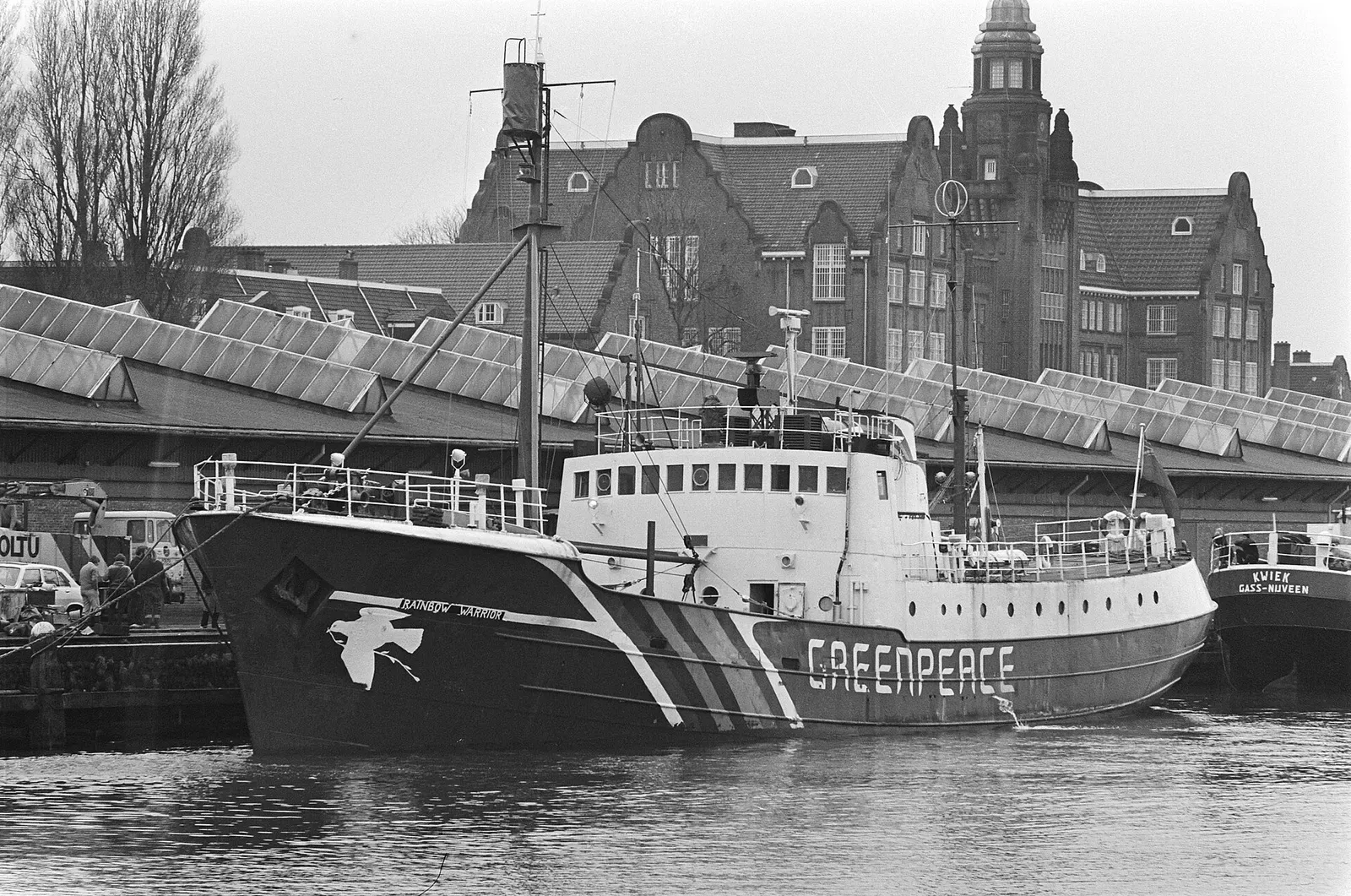
The Greenpeace ship bombed in 1985, now a dive wreck at 26 m
Similar dives elsewhere
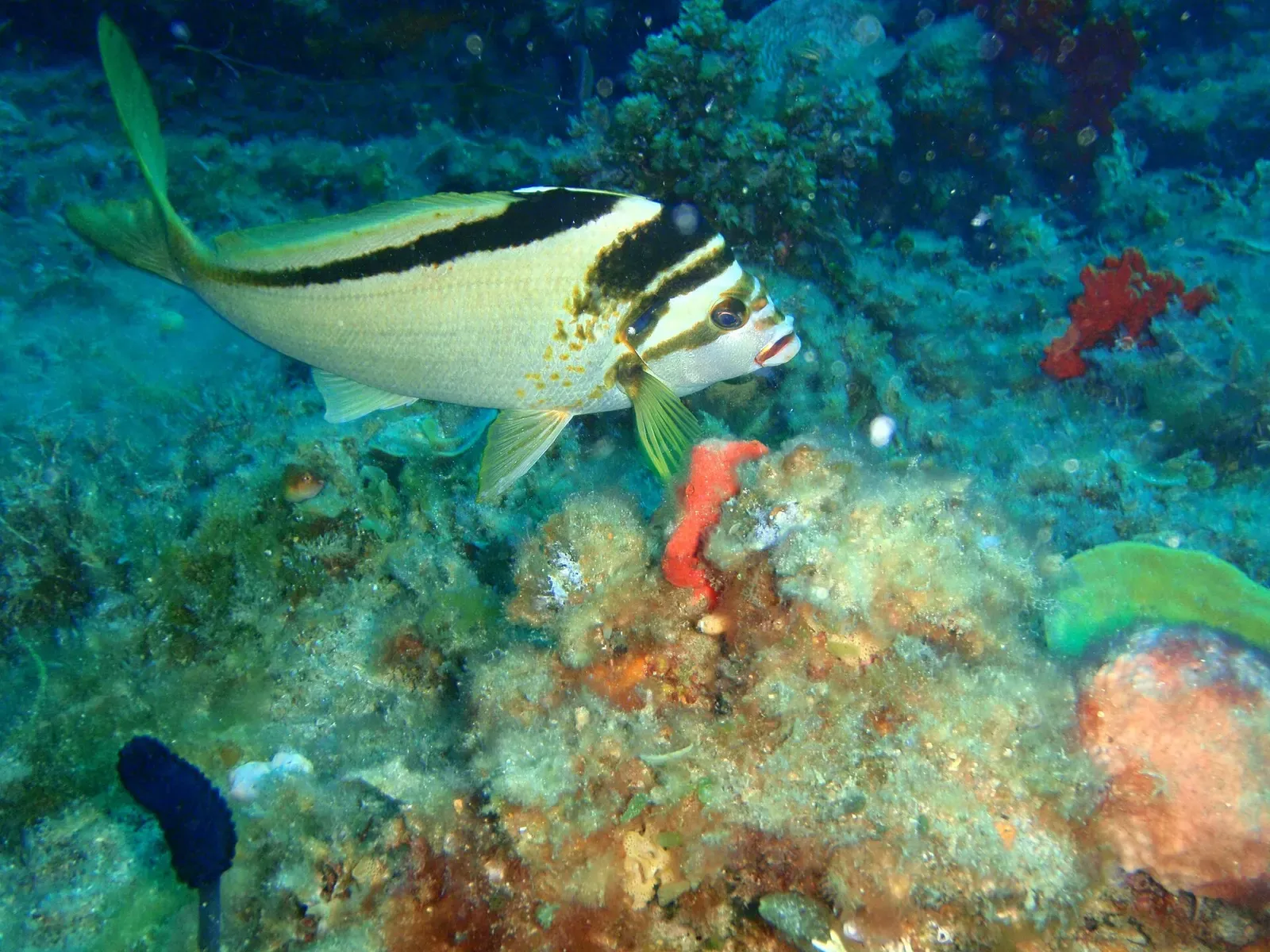
A 133 m destroyer on a fixed mooring, 5 m down to 36 m
A 133 m destroyer on sand at 28 m, dived outside only
A 47.9 m whale chaser sunk as an artificial reef, deepest point 23 m


.jpg)
Scuttled RAN frigate in 32 m off Avoca, closed to divers since July 2024