Mediterranean · Croatia
Cavtat & Konavle
Ancient amphora cargoes and giant Greek storage jars on the seabed
Cavtat is a small harbour town close to Dubrovnik, and the sea around it holds the remains of so many sunken ships that it ranks as the leading underwater archaeological park in Croatia. The Amphora Site on the Big Shallows and the Pythos Site off the islet of Supetar, where eight giant Ancient Greek storage jars rest on the seabed, are the headline dives. A Napoleonic-era warship and the walls and caves around the islets of Mrkan, Bobara and Supetar fill out the menu.
About diving in Cavtat & Konavle
Diving here runs by small boat to the islets around the bay and to the wreck sites off its entrance. At Mrkanac the boat anchors on a small plateau beside the rock’s southern cape, and the dive follows a large canyon between the cape and a pinnacle that cannot be seen from the surface. The archaeological sites work differently: individual diving on them is forbidden in Croatia, and Epidaurum holds the only concession from the Croatian Ministry of Culture to take visitors to the amphora wreck, so those dives are always guided.
Numerous remains of sunken ships lie around Cavtat, and they set the character of the diving: cargoes of amphorae and storage jars spread over the seabed, alongside the wreckage of a small warship from the time of Napoleon, where 6 iron cannons, 2 anchors, cannonballs and rifles still lie. Around the islets of Mrkan, Bobara and Supetar the terrain changes to underwater walls that reach 100 m and to caves. Morays and other small fish hide between the amphorae.
The wreck sites suit divers comfortable on a guided dive near 30 m, since the main wrecks all lie at 25 m or deeper, and the whole dolia field on the Pythos Site can be toured in about ten minutes at most. The deeper ground around Bobara asks for more experience: two rock formations out in the blue beyond its wall are for very experienced divers only, while less experienced groups take the canyon and the shallower part of the wall towards the Ražnjić rock.
Best time to dive Cavtat & Konavle
| Jan | Feb | Mar | Apr | May | Jun | Jul | Aug | Sep | Oct | Nov | Dec |
|---|---|---|---|---|---|---|---|---|---|---|---|
| Fair | Fair | Fair | Fair | Fair | Prime | Prime | Prime | Fair | Fair | Fair | Fair |
Summer is the warm stretch, with the sea at 21 to 26 °C; January brings the coolest water of the year.
Dive types & marine life
Large shoals of damselfish and sardines almost always gather near the top of the pinnacle off Mrkanac. Red coral has grown sparse around the Bobara pinnacle and survives only as the odd colony deeper down, where a good torch is needed to bring out its colour.
- Wreck
- Wall
- Cave & cavern
Best dive sites in Cavtat & Konavle
- 1
Amphora Site
Ancient amphora cargo on the Big Shallows north-west of the bay entrance, at 27 m.
- 2
Pythos Site
Eight Ancient Greek pythos jars of about 2000 litres each, near the islet of Supetar at 30 m.
- 3
Sika od Bobare
Double-topped pinnacle off Bobara’s southern point, its wall lined with lobsters and scorpionfish.
- 4
Mrkanac
Rock whose steep outer cliff hides lobsters and morays in its cracks.
- 5
Loose Amphora Site
Broken amphorae in a petrified pile west of the entrance to Cavtat Harbour, at 25–27 m.
Site guides
Wreck
Ancient jars still stacked where the ship went down, guarded by a metal cage
Wreck
Lamboglia 2 amphorae from the 1st century BC, the area's oldest wreck
Wreck
Eight grain jars of about 2,000 litres each, sunk with their ship
A reef reached straight from the dive centre's own dock
How to get to Cavtat & Konavle
Cavtat lies 20 km southeast of Dubrovnik, and Dubrovnik Airport (DBV) is much closer to Cavtat than to Dubrovnik itself. A ferry links Cavtat with neighbouring Mlini and with Dubrovnik.
Questions divers ask
Can divers visit the Cavtat amphora wreck on their own?+
No. Individual diving on archaeological sites is forbidden in Croatia, and Epidaurum is the only centre with the Ministry of Culture concession to take visitors to the amphora site.
Which Cavtat wrecks need comfort at depth?+
All of the main wrecks lie at 25 m or deeper: the Loose Amphora Site at 25–27 m, the Amphora Site at 27 m, the Pythos Site at 30 m and the Napoleonic-era warship at 27–31 m.
Is night diving possible in Cavtat?+
Yes. Both day and night dives are offered around Cavtat, and in summer the water stays at 21 to 26 °C.
Is Cavtat worth the trip from Dubrovnik for diving?+
It is a short drive, and it is the way to reach one of the largest underwater amphora sites protected by the Ministry of Culture, along with the Pythos Site off Supetar.
Sources
- Home - Epidaurum Diving and Water Sports Center — Epidaurum
- “The deep blue” treasures of Cavtat — Adriatic Luxury Hotels
- Cavtat — SCUBAlife
- Cavtat average sea temperature — seatemperature.org
- Cavtat – Wikivoyage — Wikivoyage
Embed
Run a dive centre, club or blog? Embed this map of 10 dive sites near Cavtat & Konavle on your own page.
Similar destinations
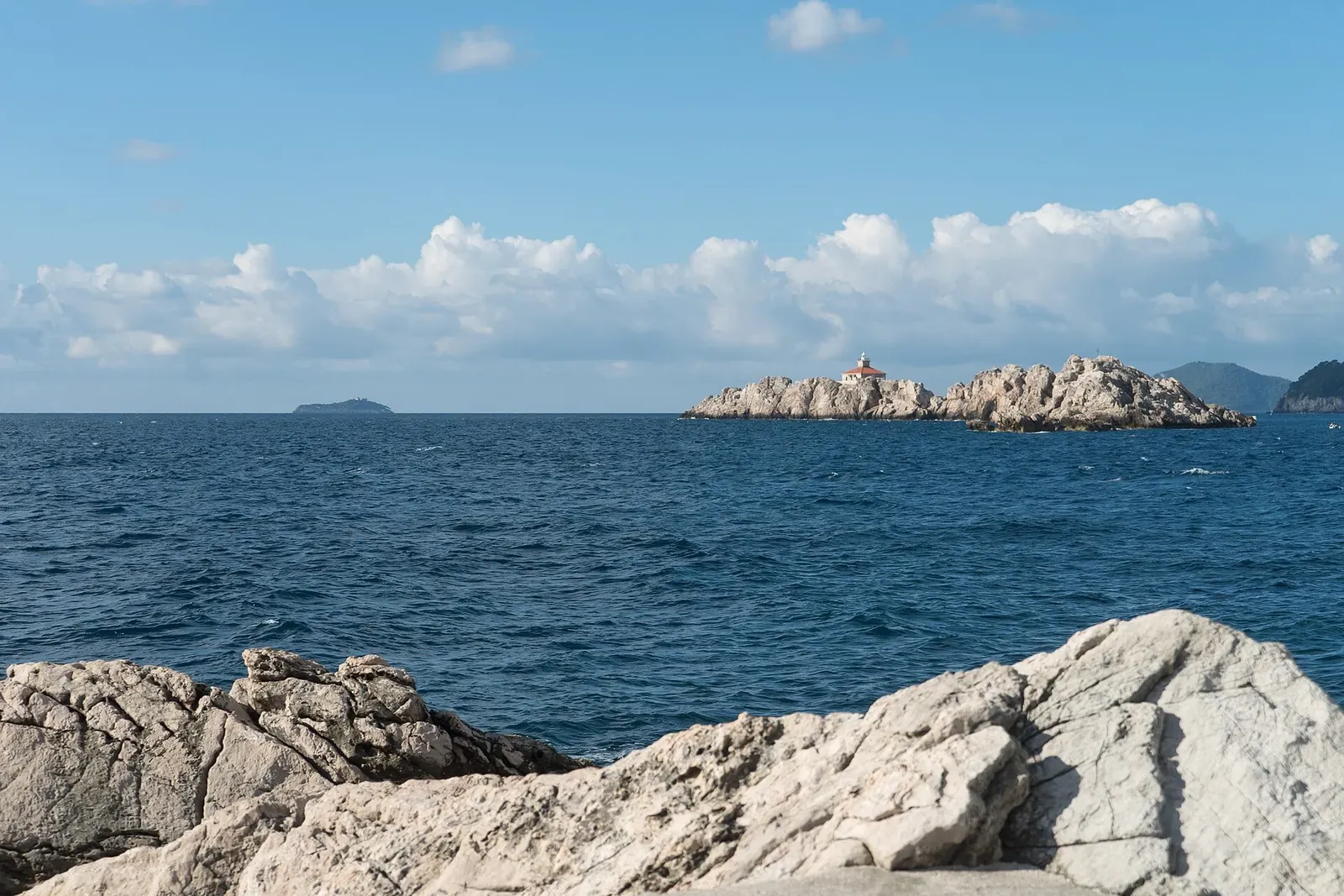
Wrecks and island caves a few minutes by boat from Dubrovnik
Mediterranean
Herceg Novi & the Luštica Blue Cave
Montenegro
Military wrecks, Yugoslav submarine tunnels and the Luštica Blue Cave

Four thousand Classical amphorae still stacked on the seabed at 25 m
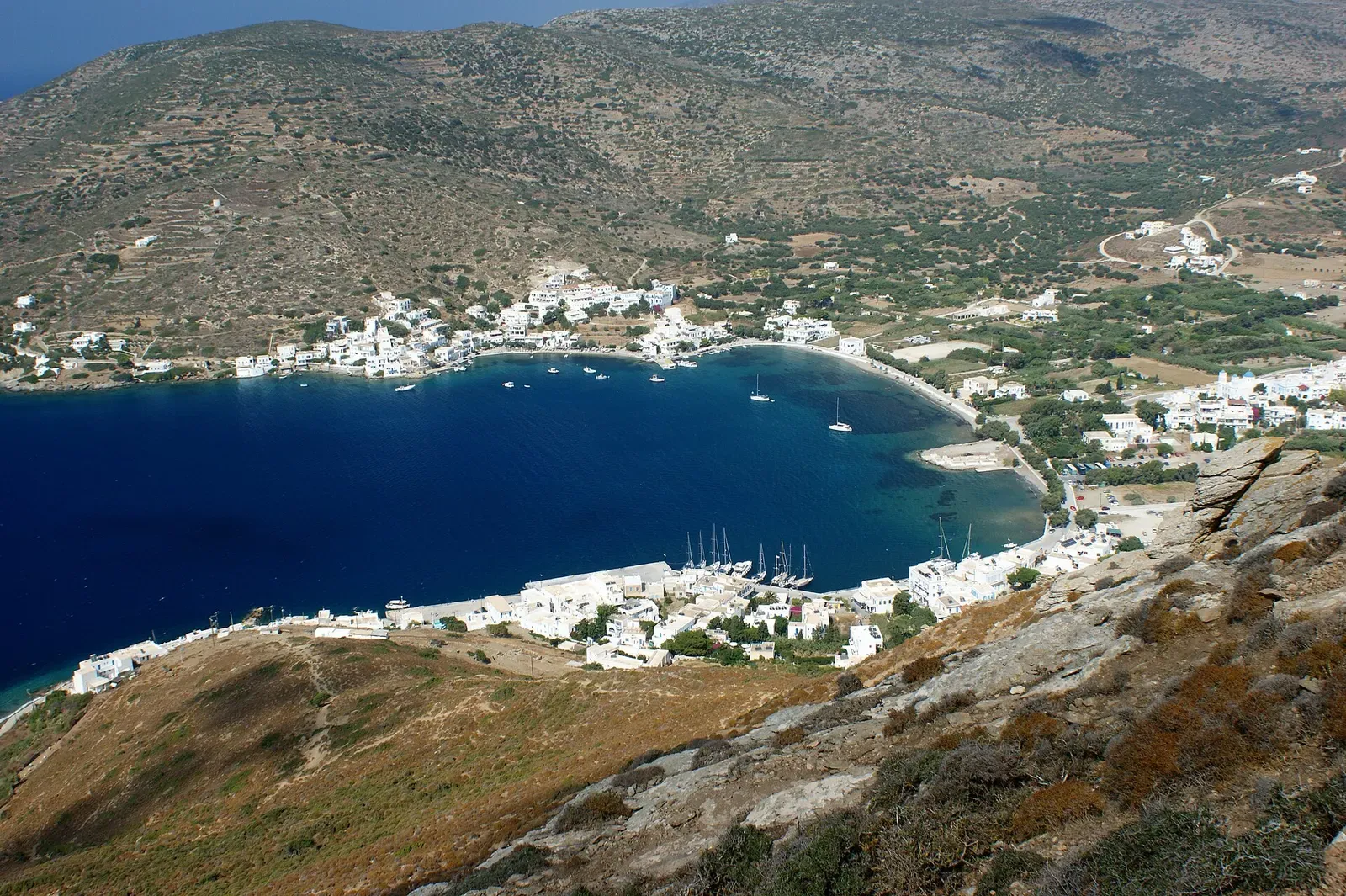
A 40 m wall under the monastery filmed in The Big Blue