Cold Water · United Kingdom
Cornwall — Padstow & the Manacles
A reef that has claimed more than one hundred ships, with its wrecks still on it
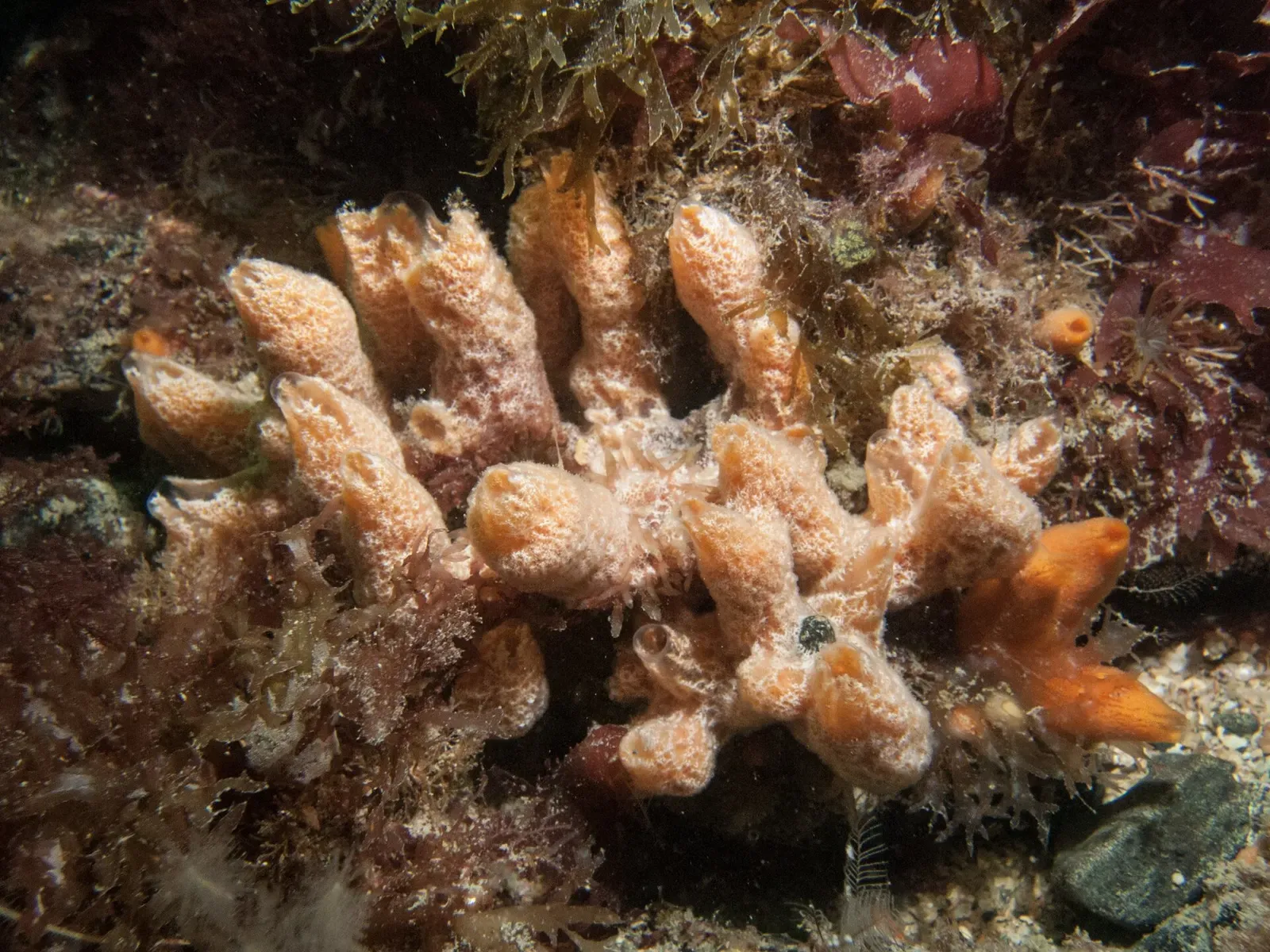
Photo: Bernard Picton · CC BY 4.0
Cornwall's diving splits between two coasts. Off the east coast of the Lizard Peninsula, the Manacles reef has wrecked more than one hundred ships, among them the liner Mohegan, and now sits in a Marine Conservation Zone. On the north coast, boats out of Padstow and Newquay work wrecks such as the Sphene and Syracusa and gullied reefs hung with pink sea fans. Most dives run from 5 to 30 m, in Atlantic water warmed by the Gulf Stream.
About diving in Cornwall — Padstow & the Manacles
Two pools of boat diving make up the area. On the Lizard, charter boats launch straight from the shore at Porthkerris for the Manacles and the wrecks around it, and divers who prefer to stay close can swim off the beach instead. On the north coast, boats work out of Padstow and Newquay. Dives there are planned at short notice, sometimes the evening before, around the weather and who is on board, and the deeper wrecks are timed to slack water, about 1 hour after high or low tide at Newquay.
The Manacles are a reef of rocky gullies lined with anemones, where conger eels hide in the holes of the wrecks. More than one hundred ships have been lost on them, and the Marine Conservation Zone designated in 2013 covers about 3.5 km² (1.4 sq mi). The north coast mixes deep-gullied reefs carrying colonies of pink sea fans with a long list of steamers and war losses; a single season has seen 27 different wrecks dived alongside 28 reefs. Around Falmouth, kelp beds hold catsharks and their egg cases, and cuttlefish and dogfish turn up on the shallower north-coast sites.
The area suits divers who want wrecks with history in temperate water and can handle tide tables. Novices have proper options: the shore dives at Porthkerris and Pendennis and sheltered north-coast reefs that work as a first or second dive. The wrecks are another matter. The tides on the Manacles are strong, the Sphene and its neighbours must be caught at slack, and the deepest wrecks off the north coast are left to very experienced divers, usually on Trimix. On the Volnay, conical brass objects may be detonators that can still hold unstable explosives and are best left alone.
Best time to dive Cornwall — Padstow & the Manacles
| Jan | Feb | Mar | Apr | May | Jun | Jul | Aug | Sep | Oct | Nov | Dec |
|---|---|---|---|---|---|---|---|---|---|---|---|
| Fair | Fair | Fair | Fair | Prime | Prime | Prime | Prime | Prime | Good | Good | Fair |
Boats run all winter when the weather allows, though dives are planned at short notice, sometimes the evening before, and the sea bottoms out at about 8°C (47°F) in March. Basking sharks arrive around mid-May and stay through late June, the main window for them. Blue sharks follow offshore from June to September, and the sea is at its warmest in July and August, with readings up to 19°C (66°F). From October the water cools again toward its winter low.
Dive types & marine life
Basking sharks are the summer draw, mainly from mid-May to late June, and blue sharks visit between June and September; both are met on snorkelling trips rather than dives. Dolphins and seals have been seen in the bay at Porthkerris.
- Wreck
- Reef
- Drift
- Kelp forest
- Blue & mako sharks
- Octopus & cuttlefish
Best dive sites in Cornwall — Padstow & the Manacles
- 1
The Manacles
Reef off the Lizard Peninsula, 5 to 15 m, with anemone-filled gullies and dives for every level.
- 2
Mohegan
Liner that struck the Manacles in 1898; strong tides keep it for experienced divers.
- 3
SS Sphene
Wreck with its bows still standing, 22 m at low water and 28 m at high.
- 4
Newland Reef
Deep-gullied reef usually dived as a drift, with pink sea fans several metres tall.
- 5
Volnay
Cargo ship that struck the Manacles in 1917, diveable at most states of the tide.
- 6
Syracusa
Steamer lost with all hands in a storm, now breaking up in 30 m off Newquay.
- 7
Drawna Rock
Shore dive just off the beach at Porthkerris to 18 m, used for training.
- 8
Pendennis Steps
Falmouth's starter site, a kelp bed where catsharks are seen with their eggs.
Site guides
Reef
Two rocks at the mouth of Port Quin, diveable at any tide
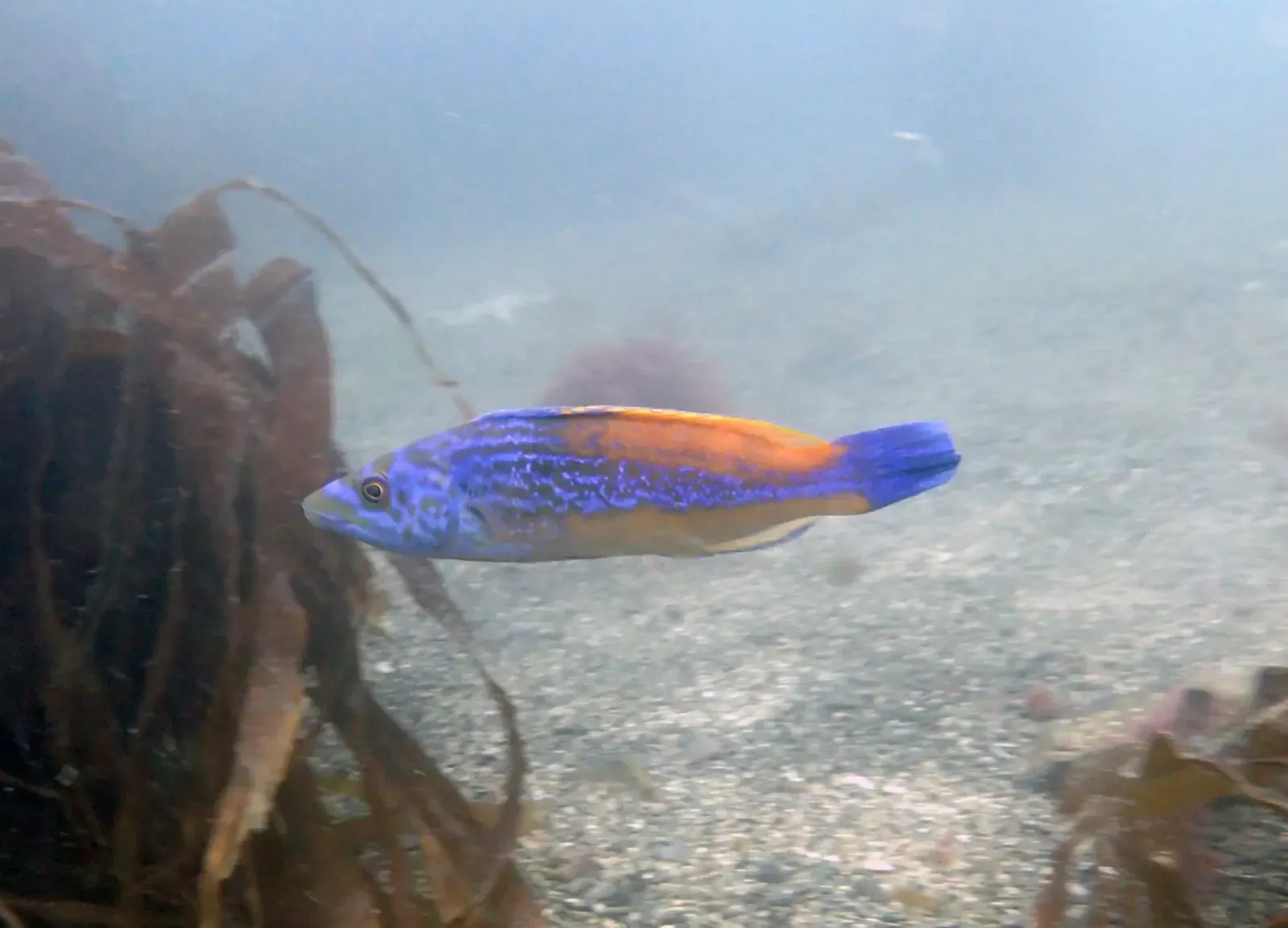
A rock just off Porthkerris beach, reached without a boat
Wreck
A wartime wreck at 40 m with boxes of anti-aircraft heads at the bows
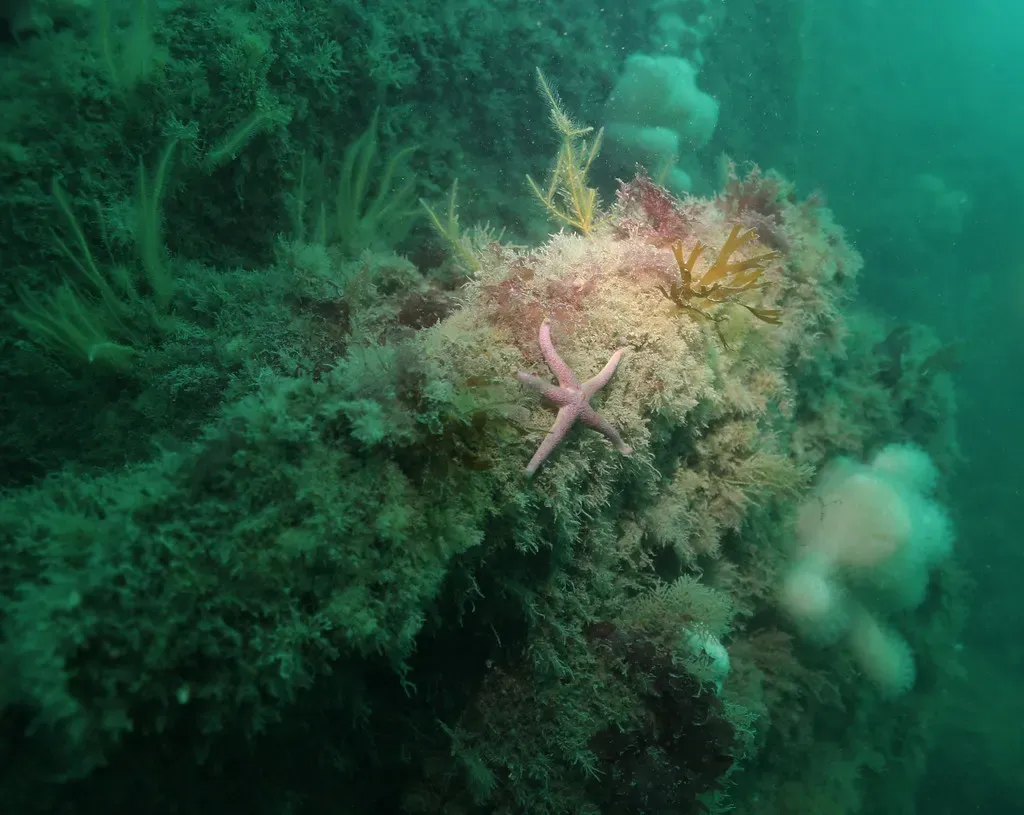
A Victorian liner broken up on the rocks that sank her in 1898
Reef
Remains of two First World War U-boats a short swim from the steps
Wreck
A coal steamer lost with all hands in a storm off Towan Head
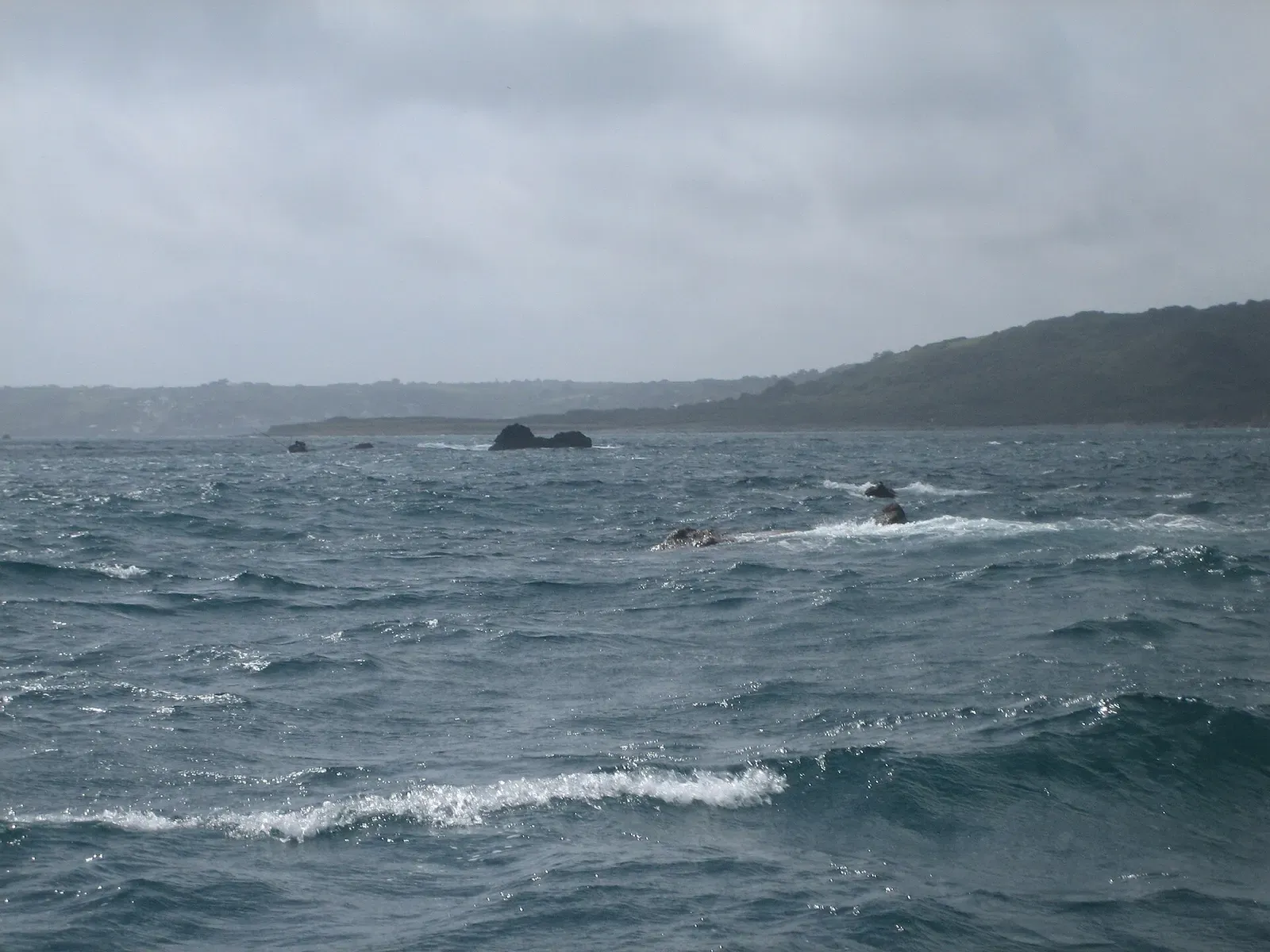
Church stones in Cornish: rocks that have wrecked over a hundred ships
How to get to Cornwall — Padstow & the Manacles
Cornwall Airport Newquay, 7 km (4.5 mi) northeast of Newquay, has year-round flights from around the UK and Europe, including London. North-coast boats leave from Padstow and Newquay; the Manacles boats launch from Porthkerris on the eastern side of the Lizard Peninsula.
Photos from Cornwall — Padstow & the Manacles
Ghost Fishing UK · Public domain
Derek Voller · CC BY-SA 2.0
Dive videos
Cornwall Underwater Wildlife · Wildlife Vision on YouTube
Wreck Diving in Cornwall with Ash Roberts · Scubaverse on YouTube
Questions divers ask
When is the best time to see basking sharks in Cornwall?+
The main season runs from around mid-May to late June. Blue sharks follow from June to September. Both are seen on snorkelling trips from the Lizard, not on scuba dives.
Is the Manacles suitable for new divers?+
Partly. The shallow reef at 5 to 15 m and the shore dives at Porthkerris suit novices, but the Mohegan and other wrecks on the reef sit in strong tides and are best left to experienced divers.
Is diving in Cornwall possible in winter?+
Yes. Boats keep running through the winter when the weather allows, with dives planned at short notice. The water drops to about 8°C (47°F) in March, against 19°C (66°F) at the height of summer.
Why are the north Cornwall wrecks dived at slack water?+
Wrecks such as the Sphene sit in tidal water and are dived at slack, about 1 hour after high or low water at Newquay. Some reefs, such as Newland Reef, are dived as drifts on the running tide instead.
Sources
- Porthkerris — Porthkerris Divers
- Shark Trips — Porthkerris Divers
- Harlyn Dive School — Harlyn Dive School
- Harlyn dive sites — Harlyn Dive School
- Six of the best dive sites in Cornwall — Adventure Cornwall
- The Manacles — Wikipedia
- Newquay Average Sea Temperatures — SeaTemperature.org
- Cornwall — Wikivoyage
- Newquay Airport — Wikipedia
- Porthkerris — Scubago
Photo credits
- Clusters of pale orange finger-like sponge lobes among red and brown seaweed on a rocky seabed by Bernard Picton, CC BY 4.0, via Wikimedia Commons
- Four divers in drysuits and hoods on a boat deck lined with cylinders, one in a red drysuit holding a bottle by Ghost Fishing UK, Public domain, via Wikimedia Commons
- A grey shingle beach running to a rocky point, with a few rocks offshore in a calm, misty sea by Derek Voller, CC BY-SA 2.0, via Wikimedia Commons
Embed
Run a dive centre, club or blog? Embed this map of 6 dive sites near Cornwall on your own page.
Similar destinations
England's first marine reserve, and its grey seals follow divers around

The Rondo stands almost vertical, stern at 15 m and bow at 50


Sweden's only cold-water coral reefs, inside its first marine national park
Cold Water
Pembrokeshire & Skomer
United Kingdom
Shore and boat dives in Wales's only Marine Conservation Zone