Cold Water · United Kingdom
Lundy Island
England's first marine reserve, and its grey seals follow divers around
Photo: Lewis Clarke · CC BY-SA 2.0
Lundy is a granite slab in the Bristol Channel and the site of England's first statutory Marine Nature Reserve, designated in 1986 and later the country's first Marine Conservation Zone. Its grey seal colony is the draw: the animals are used to divers and will follow, mouth fins and hang in front of masks for whole dives. The granite underwater is cut into gullies and pinnacles, with jewel anemones and cup coral in the shaded overhangs.
About diving in Lundy Island
Getting there is part of the dive. Boats cross open water from the north Devon coast, which makes this a full-day commitment and stakes the whole trip on one forecast: when it blows out there is nothing to move round the corner to, unlike a mainland coastal site. Once on station the skipper works whichever side of the island is sheltered and puts divers in during short slack windows, so the day is two dives placed precisely rather than whenever people happen to be ready.
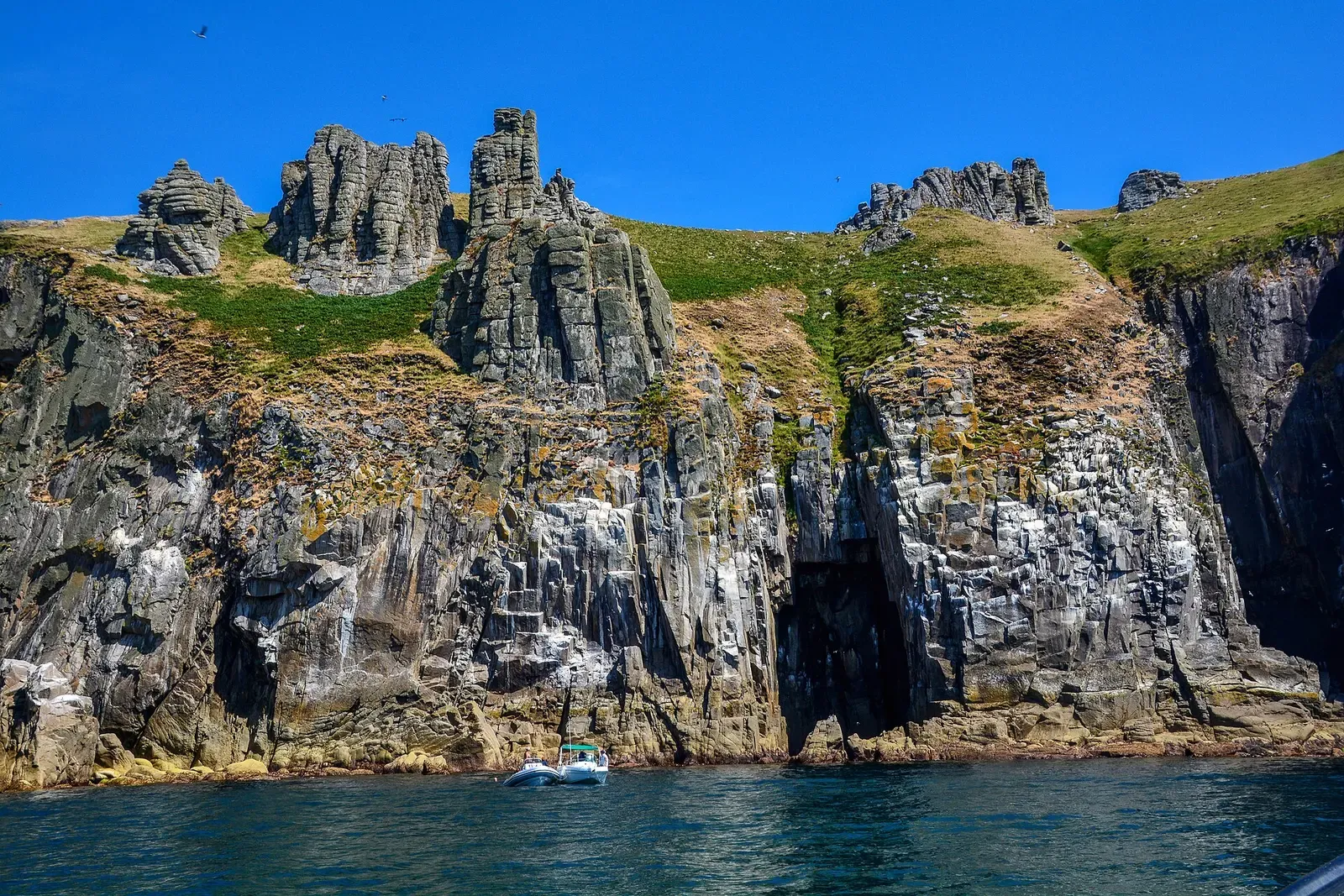
Underwater the island is what it looks like from the boat: granite, split into gullies, boulder runs and steep faces, with kelp over the shallow shelf thinning below it to bare rock and patches of sand. The east side is sheltered, shallower and forgiving; the west takes Atlantic swell and only opens up in settled weather. Off the north and south ends the tidal streams are strong enough that they, rather than depth, decide where anyone gets in at all.
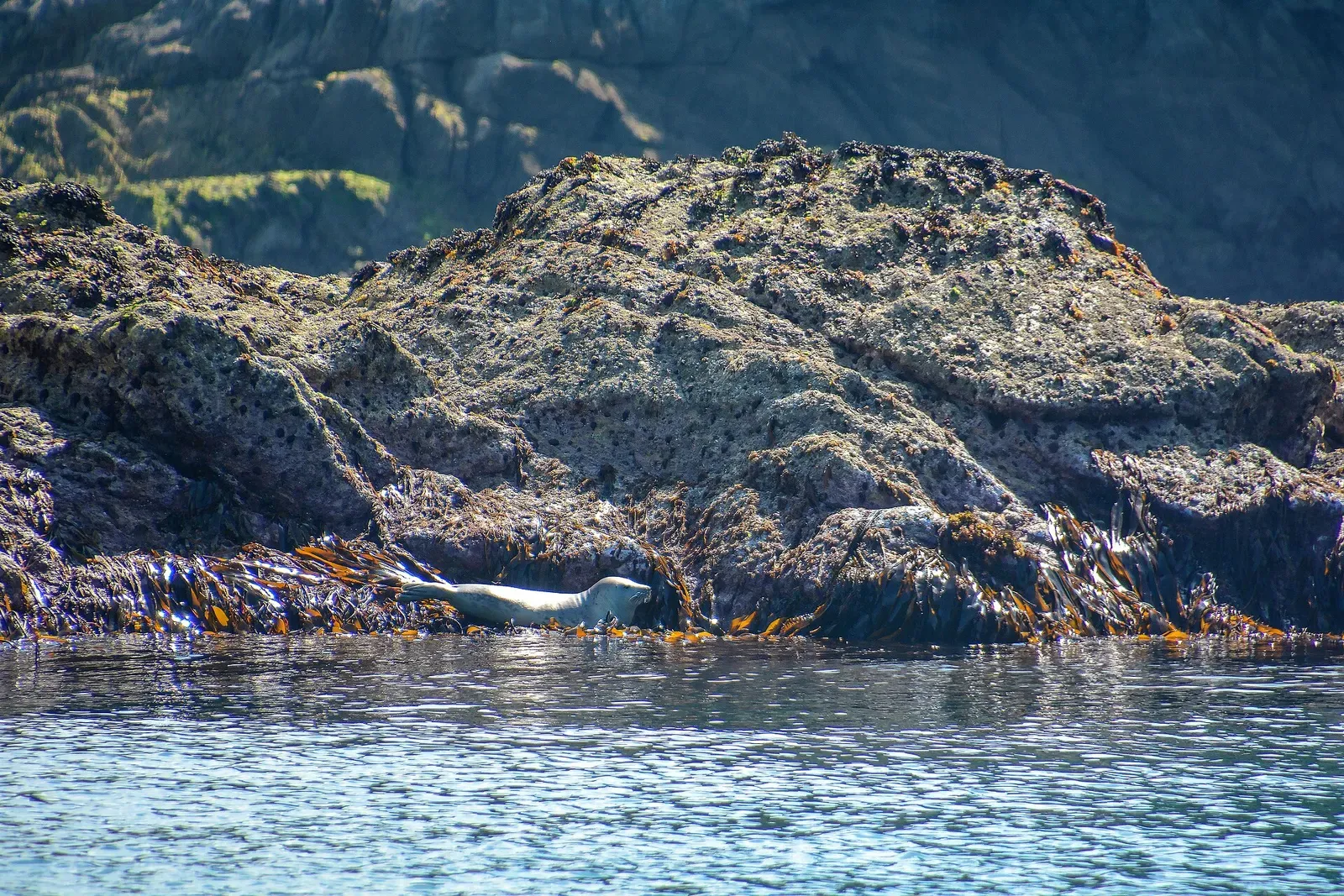
The seal diving runs against most people's instincts. Chasing ends the encounter; staying shallow, staying still and keeping your hands to yourself extends it, so the productive dive is usually a long, unambitious one over kelp and sand in decent light. Let them come from behind and expect to be inspected for as long as you stay interesting. The boats take the island's protected status seriously — the no-take zone on the sheltered east side has been in place since 2003 — and briefings say so.
It is an intermediate destination rather than a hard one: modest depths, straightforward diving, and a skipper doing most of the difficult thinking. What has to be right is punctuality, because a team late into the water gets an unplanned drift instead of the dive it booked. Wreck divers should temper expectations, since what lies here is mostly broken and scattered and the diving is really about rock and animals. Divers happy to spend an hour photographing one seal over a kelp bed, with granite and shallow light around it, get exactly what they came for.
Best time to dive Lundy Island
| Jan | Feb | Mar | Apr | May | Jun | Jul | Aug | Sep | Oct | Nov | Dec | |
|---|---|---|---|---|---|---|---|---|---|---|---|---|
| Season | Off-season | Off-season | Off-season | Fair | Good | Prime | Prime | Prime | Prime | Fair | Off-season | Off-season |
| Sea surface | 10°C50°F | 9°C48°F | 9°C48°F | 10°C50°F | 11°C52°F | 14°C57°F | 16°C61°F | 17°C63°F | 17°C63°F | 16°C61°F | 14°C57°F | 11°C52°F |
| Daytime high | 12°C54°F | 11°C52°F | 13°C55°F | 16°C61°F | 18°C64°F | 22°C72°F | 23°C73°F | 22°C72°F | 21°C70°F | 18°C64°F | 15°C59°F | 13°C55°F |
| Rain | 132 mm5.2 in | 109 mm4.3 in | 87 mm3.4 in | 67 mm2.6 in | 68 mm2.7 in | 86 mm3.4 in | 77 mm3.0 in | 95 mm3.7 in | 98 mm3.9 in | 130 mm5.1 in | 136 mm5.4 in | 162 mm6.4 in |
| Jan | Feb | Mar | Apr | May | Jun |
|---|---|---|---|---|---|
| Off-season | Off-season | Off-season | Fair | Good | Prime |
| Sea surface | |||||
| 10°C50°F | 9°C48°F | 9°C48°F | 10°C50°F | 11°C52°F | 14°C57°F |
| Daytime high | |||||
| 12°C54°F | 11°C52°F | 13°C55°F | 16°C61°F | 18°C64°F | 22°C72°F |
| Rain | |||||
| 132 mm5.2 in | 109 mm4.3 in | 87 mm3.4 in | 67 mm2.6 in | 68 mm2.7 in | 86 mm3.4 in |
| Jul | Aug | Sep | Oct | Nov | Dec |
|---|---|---|---|---|---|
| Prime | Prime | Prime | Fair | Off-season | Off-season |
| Sea surface | |||||
| 16°C61°F | 17°C63°F | 17°C63°F | 16°C61°F | 14°C57°F | 11°C52°F |
| Daytime high | |||||
| 23°C73°F | 22°C72°F | 21°C70°F | 18°C64°F | 15°C59°F | 13°C55°F |
| Rain | |||||
| 77 mm3.0 in | 95 mm3.7 in | 98 mm3.9 in | 130 mm5.1 in | 136 mm5.4 in | 162 mm6.4 in |
2011–2025 averages. Sea surface: NOAA Coral Reef Watch, measured at the surface, so deeper water can run colder. Daytime high and rain: NASA POWER.
May–Sep is the season, and even then the Bristol Channel's huge tidal range means diving is planned around slack water.
Best months: June, July, August, September
Lundy Island water temperature and weather by month
The sea surface runs from 9 °C (48 °F) in March to 17 °C (63 °F) in August. Rain falls through the year, about 100 mm (3.9 in) a month on average, with December the wettest. Daytime highs reach 23 °C (73 °F) in July and drop to 11 °C (52 °F) in February. The coldest water here is about 8 °C (46 °F), so pack a drysuit.
Dive types & marine life
Grey seals are resident year-round, so they are a fixture through the divable months from April into October rather than a seasonal event; pups begin appearing ashore in the autumn as the season winds down. Wrasse and pollack hold over the kelp, and the gullies hide lobsters, crabs, curled octopus and nudibranchs, worth slowing down for once the seals have lost interest in you.
- Reef
- Wall
- Kelp forest
- Wreck
- Drift
- Seals & sea lions
- Macro critters
- Nudibranchs
- Octopus & cuttlefish
- Reef fish swarms
Best dive sites in Lundy Island
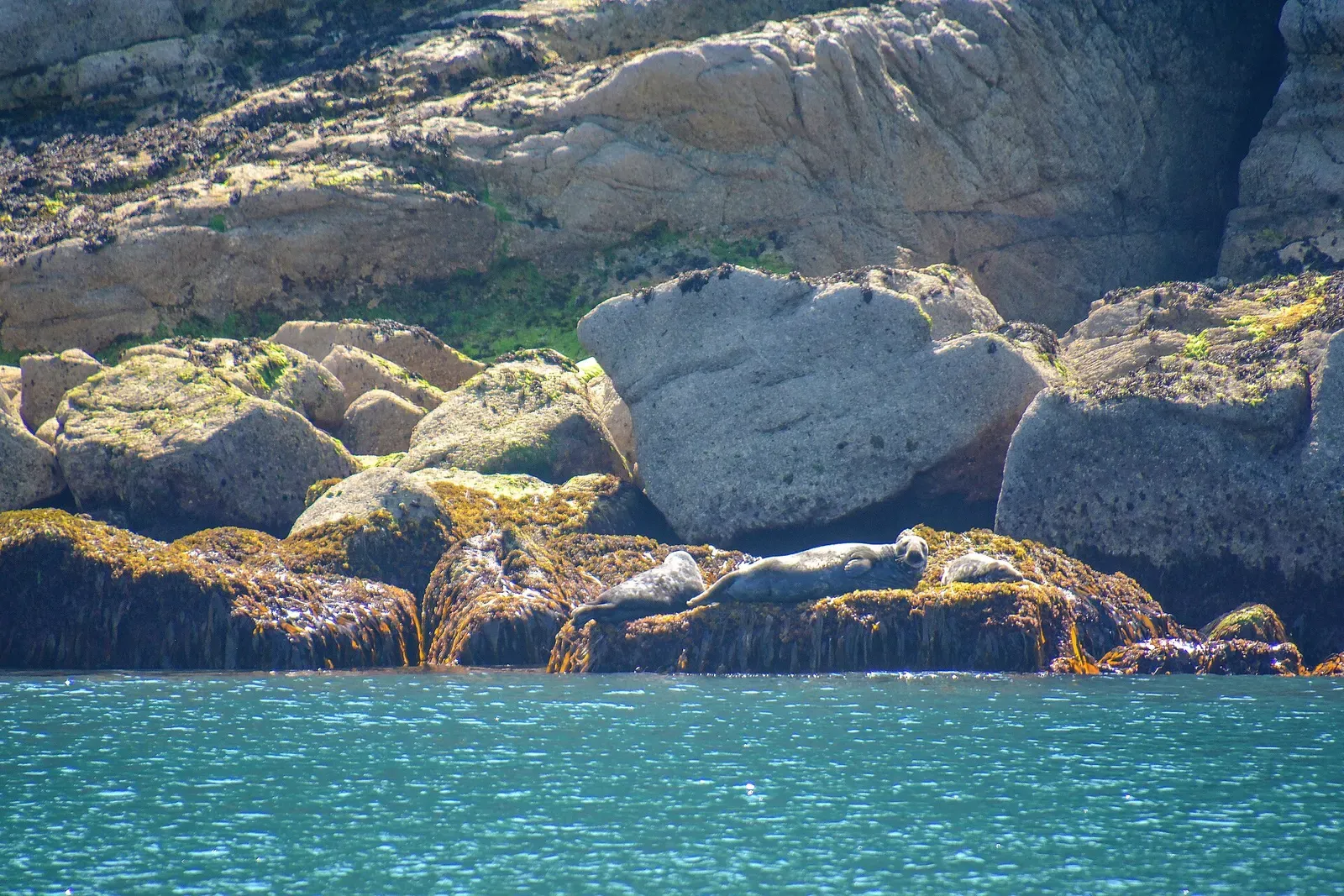
Grey seals that come to your mask, in 12 metres of water
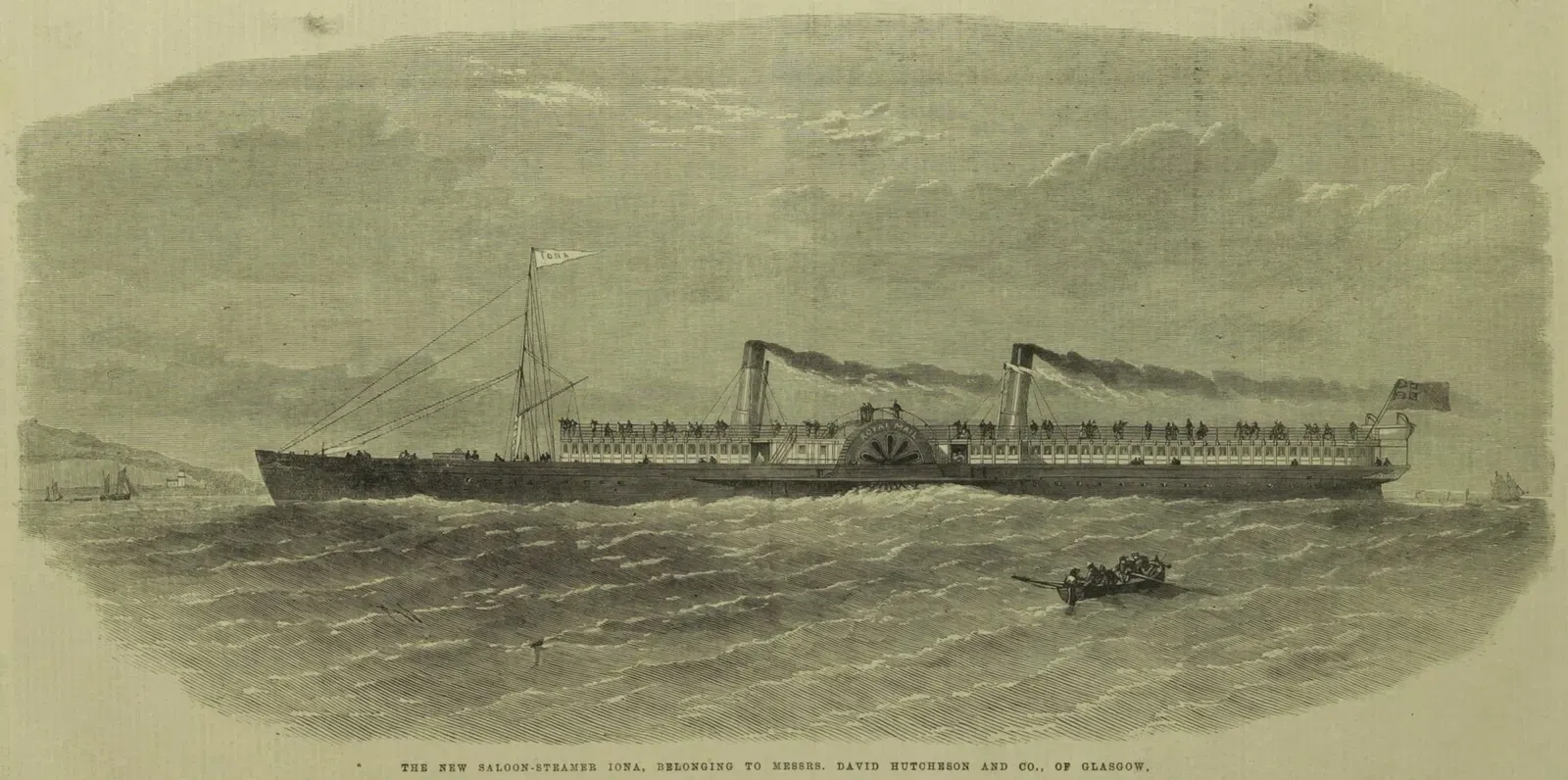
Protected 1863 paddle steamer, licence needed to dive her
Rock pinnacles walled in jewel anemones, dived on slack water
Wreck
The island's only intact wreck, on her side in 25 metres
Rat Island
Sheltered southern islet, dived when the tide runs hard elsewhere.
Devil's Slide
Granite slab running underwater on the north-west corner.
How to get to Lundy Island
Charters run from the north Devon coast, with Ilfracombe and the Bideford estuary the usual departure points; Bristol and Exeter are the nearest airports for anyone flying. All diving is from the boat, and shore access is not a practical option. Groups wanting more than a day usually book several, since each crossing eats a good part of one.
Photos from Lundy Island
Lewis Clarke · CC BY-SA 2.0
Lewis Clarke · CC BY-SA 2.0
MichaelMaggs · CC BY-SA 3.0
Dive videos
Scuba Diving with Grey Seals at Lundy Island · Scuba Diver Magazine on YouTube
Scuba Diving with Grey Seals at Lundy Island, Devon (4K) · Daniel French on YouTube
Photo credits
- Grey granite tors and sheer sea cliffs rising above a small dive boat on dark blue water by Lewis Clarke, CC BY-SA 2.0, via Wikimedia Commons
- Grass-topped granite headland with vertical cliffs and a boulder shore meeting blue water, seabirds overhead by Lewis Clarke, CC BY-SA 2.0, via Wikimedia Commons
- Weathered granite cliff face with boulders at the waterline and a slope of grass above, seen from a boat by Lewis Clarke, CC BY-SA 2.0, via Wikimedia Commons
- Panorama of Lundy's landing bay with a jetty, moored yachts, a shingle beach, Rat Island and the church on the headland above by MichaelMaggs, CC BY-SA 3.0, via Wikimedia Commons
Embed
Run a dive centre, club or blog? Embed this map of 4 dive sites near Lundy Island on your own page.
In The Logbook
- Kelp forest diving, and where it still growsCold water · 13 min read
- Where to dive with seals and sea lionsBig animals · 17 min read
- When is slack water? Tides for diversOcean science · 7 min read
- Cold-water diving: is it worth the drysuit?Cold water · 8 min read
Similar destinations

The Rondo stands almost vertical, stern at 15 m and bow at 50

Sweden's only cold-water coral reefs, inside its first marine national park

Basalt cliffs continuing underwater into surprisingly clear Atlantic water


Sherman tanks lie on the seabed beside the SS Empire Heritage