
Cozumel · Mexico · Reef · Drift
Yucab Reef
A strong south-to-north drift over shallow reef, to 17 m
Area photo: Matthew T Rader · CC BY-SA 4.0
A shallow drift on Cozumel's reef line, dived to a maximum of about 17 metres. The current generally runs strong here and travels south to north for most of the year, so the site is always dived as a drift, and that same flow is what keeps the coral healthy. Barracuda, parrotfish, stingrays, nurse sharks and hawksbill turtles are all recorded on the reef.
Also known as Yucab.
Where it is and how deep
20.4268° N, 87.0099° WPublished position for this site.
The dive
Entry is off the boat onto a low-profile reef that tops out well inside recreational depth, with 17 metres the maximum for the dive. The coral heads stand roughly 3 to 6 metres off the bottom. The current runs south to north for most of the year and is generally strong, so the dive is a ride rather than a swim: the group goes in together and covers ground at whatever pace the water sets.
That same steady water is what keeps the coral growing here, and the reef is dense enough to hold a full dive's worth of subjects. Barracuda hang over the structure, parrotfish work the coral, stingrays sit out on the sand and nurse sharks lie up under the ledges, along with lobster and sea anemones. Hawksbill turtles are on the reef too. If your gas lasts and the current is running, the dive can carry straight on into Tormentos reef, which starts where Yucab ends.
Marine life and season
- Barracuda
- Stingrays
- Reef sharks
- Sea turtles
- Macro critters
| Jan | Feb | Mar | Apr | May | Jun | Jul | Aug | Sep | Oct | Nov | Dec |
|---|---|---|---|---|---|---|---|---|---|---|---|
| Prime | Prime | Prime | Prime | Good | Good | Good | Fair | Fair | Fair | Fair | Good |
Season follows Cozumel: January–April is prime with December close behind; lighter trades keep the leeward side calm, though winter nortes can shut the port for a day. Peak hurricane risk falls in September and October.
Know before you go
- The current is generally strong and the dive is always run as a drift. Surface where the boat can see you rather than trying to swim back to a fixed point on the reef.
Questions divers ask
How deep is Yucab Reef?+
The maximum depth is around 17 metres, which makes it a common second dive of the day after a deeper site further south.
What can you see at Yucab Reef?+
Barracuda, parrotfish, stingrays, nurse sharks and hawksbill turtles are all recorded here, with lobster and sea anemones under the coral ledges.
Sources
- Yucab Reef dive site — PADI Travel
- Yucab Reef — Scubago
- Yucab dive site — Scuba Du
More dive sites in Cozumel
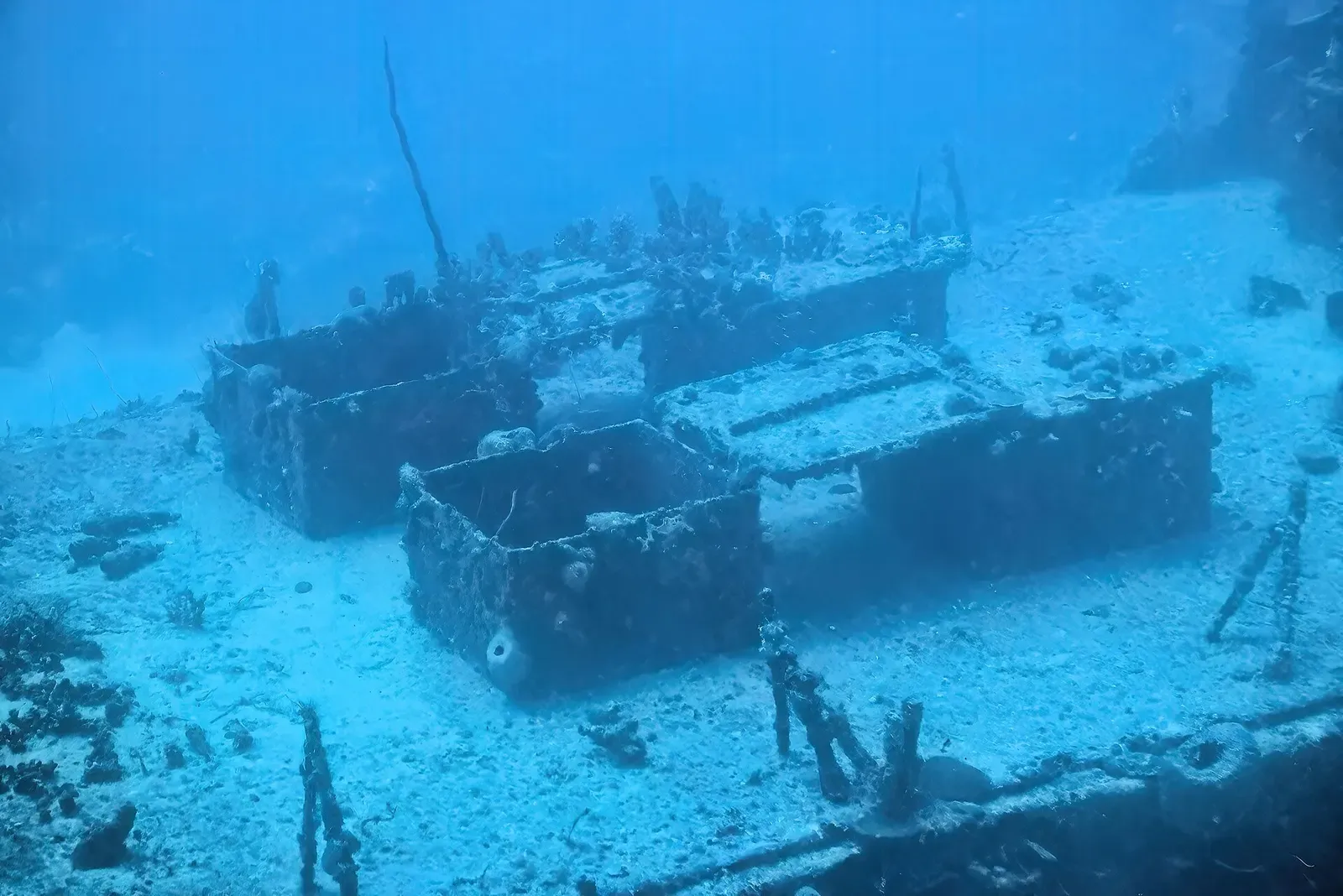
A hull that was placed rather than lost, upright at 25 m
Wall
Coral gardens on the shelf, steep drops below to 27 m
Reef
Giant coral pinnacles cut with caves, tunnels and caverns
Mild current in a protected pocket, 9 to 15 m
Wall
A deep drop-off from 29 m with a large arch through the wall
Reef
Swim-throughs at several depths with usually mild current
Reef
A multi-level drift through tunnels in the deeper Palancar reef
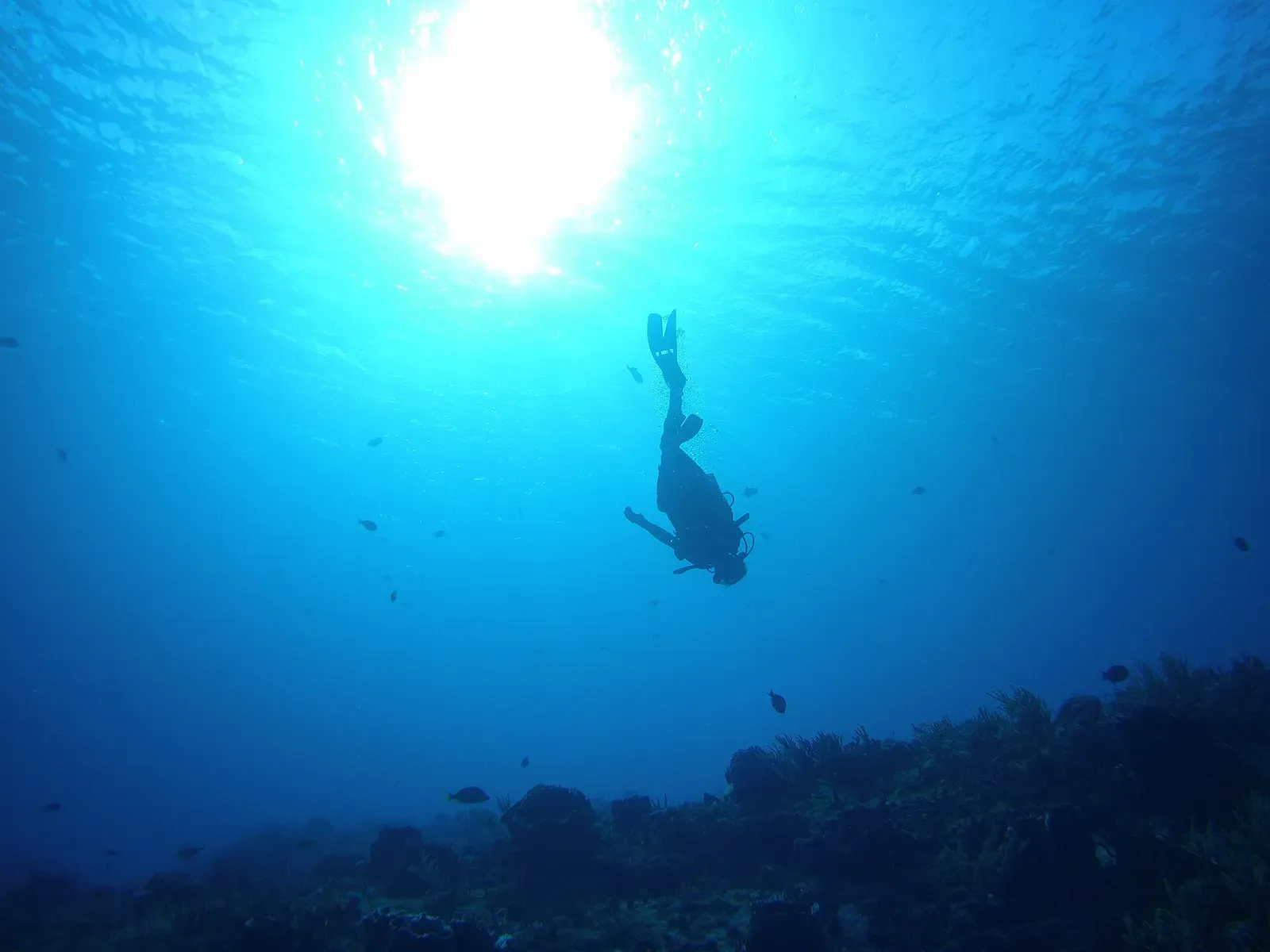
Splendid toadfish, nurse sharks and turtles along the coral
Similar dives elsewhere

Coral fingers and sand channels, usually with some current

Drift over a 12 m to 18 m plateau, then the drop

Caribbean reef sharks along a steep west-facing cliff


A light drift over a reef shaped like a figure eight