
Derawan & Sangalaki · Indonesia · Reef
Sangalaki Manta Point
Six or seven reef mantas feeding over the coral steps
Area photo: Fahrian44 · CC BY-SA 4.0
The manta diving off Sangalaki's east coast, at the sites named Manta Avenue, Manta Parade and Manta Run. Reef manta rays feed near the surface with their gills wide open on the plankton these waters carry, and they are inquisitive enough that they usually come to you. Depths run from 10 m on the reef to beyond 40 m off the drop, and six or seven rays at once is a realistic good day.
Also known as Manta Avenue, Manta Parade, Manta Run.
Where it is and how deep
2.0863° N, 118.3995° EApproximate position — the dashed circle shows where the site lies; your operator's briefing has the mooring.
The dive
The manta traffic works the sites along Sangalaki's east coast: Manta Avenue, a set of coral steps where fire gobies and dancing gobies sit between the rays; Manta Parade, where ridges rise and fall like low underwater hills; and Manta Run, with rocky coral outcrops and bommies carrying gorgonian fans, soft corals and barrel sponges. The reef starts at around 10 m and the ground off it falls away beyond 40 m.
Most of the diving stays shallow, because that is where the rays are. Reef mantas feed near the surface with their gills wide open on the rich plankton these waters carry; they also cruise mid-water and, less often, forage down on the sea bed. They are generally inquisitive and will probably approach you, so an encounter is usually a matter of settling on the reef and letting them come around rather than chasing them. Six or seven at once is not unusual.
Current is moderate. Visibility swings between 8 and 30 m and averages about 20 m, and the water sits at 28-30 C. Diving and weather conditions around Sangalaki are steady and fine throughout the year, and the manta rays, turtles and stingless jellyfish of the area are all reported in every month, so there is no season to plan the dive around.
Marine life and season
- Manta rays
| Jan | Feb | Mar | Apr | May | Jun | Jul | Aug | Sep | Oct | Nov | Dec |
|---|---|---|---|---|---|---|---|---|---|---|---|
| Fair | Fair | Good | Prime | Prime | Prime | Prime | Good | Good | Good | Fair | Fair |
Season follows Derawan & Sangalaki: April–October dry season gives the clearest water and most reliable manta encounters at Sangalaki.
Know before you go
- Current over the reef is moderate and the ground off it drops beyond 40 m: stay on the reef-top side of the edge and keep the profile shallow, where the rays feed anyway.
Dive videos
Swimming with Manta rays @ Sangalaki Island, Kalimantan · Yin on YouTube
Questions divers ask
When can you see mantas at Sangalaki?+
Reef mantas are reported around Sangalaki in every month, and diving and weather conditions there are steady throughout the year, so there is no closed season. They are found in numbers at the east-coast sites: Manta Avenue, Manta Parade and Manta Run.
How deep is the manta diving at Sangalaki?+
The reef runs from about 10 m and the ground off it drops beyond 40 m, but the dive is normally kept shallow: the rays feed near the surface on plankton, so there is little reason to follow the slope down.
Sources
- Diving Sites Sangalaki Island, Indonesia — Dive The World
- Pulau Sangalaki (OpenStreetMap) — OpenStreetMap
In The Logbook
- Where to dive with manta rays, month by monthBig animals · 8 min read
More dive sites in Derawan & Sangalaki
Channel & pass
Hook in on the channel edge and let the current run
Wall
Slope to a 40-50 m wall, finished on the reef top next door
Wall
Pygmy seahorses on the wall, marlin out in the blue
Wall
Bumphead parrotfish schools and a wall of gorgonian sea fans
Reef
Feather stars and sponges on a slope to 40 m
Dived on current for eagle rays, threshers and whale sharks
Reef top at 5-10 m, then a wall to a 70 m sand floor
Muck & macro
Mandarinfish at dusk, then straight into the night dive
Similar dives elsewhere
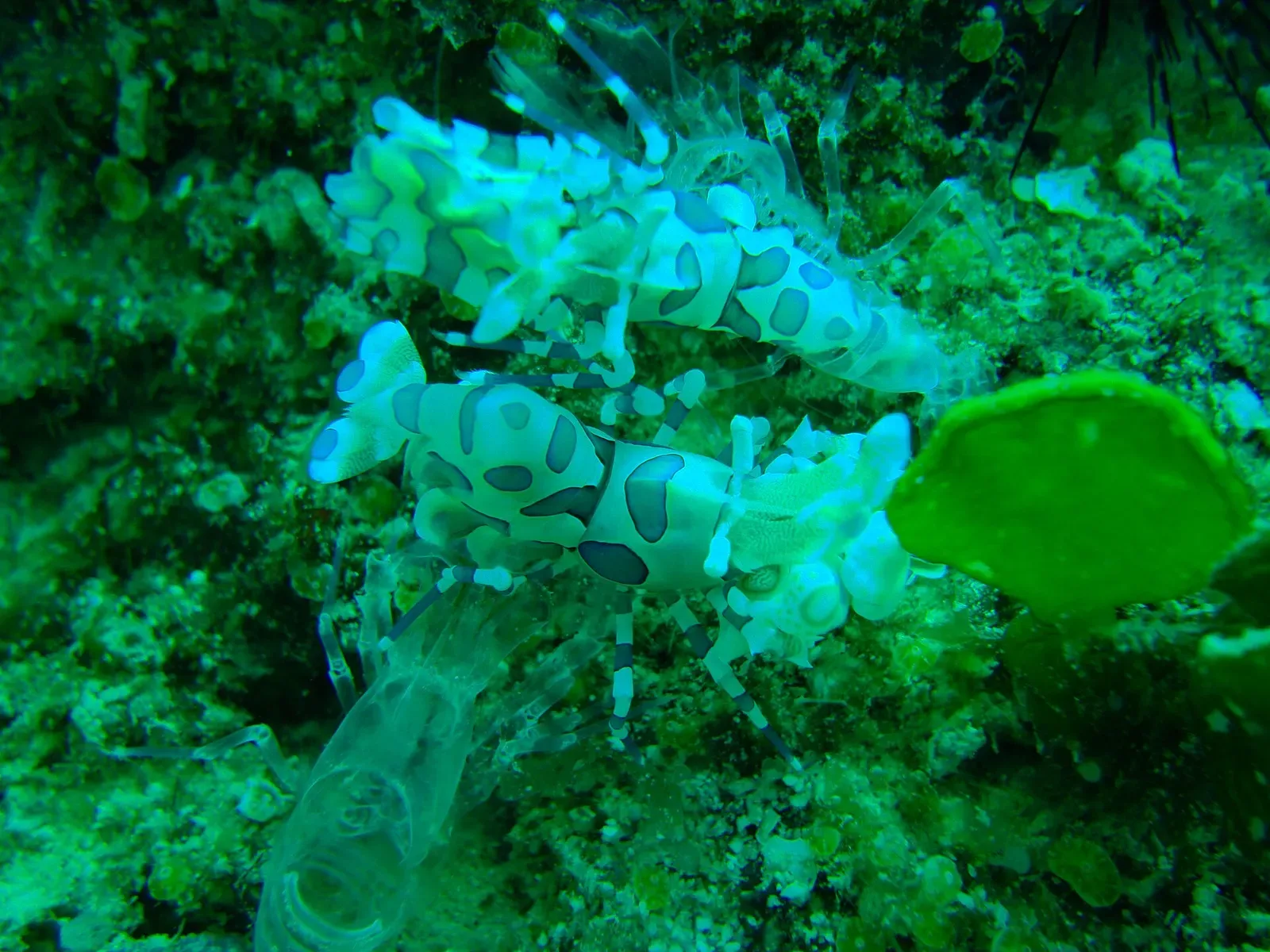
Table corals from 3 m down to 40, and nudibranchs on all of it

Five minutes by jukung to a coral slope dropping to 40 metres
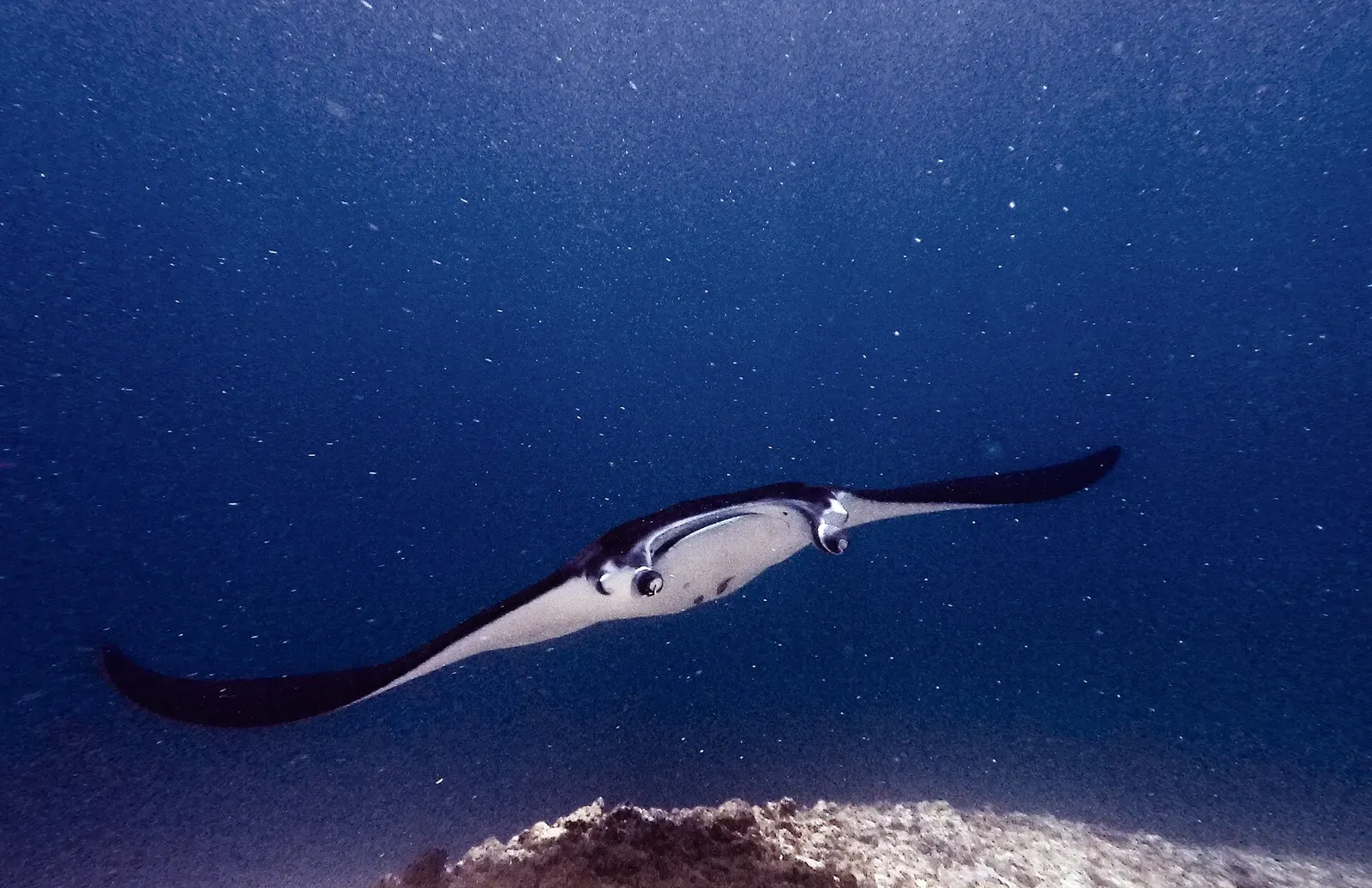
Big-fish habitat in a current that usually runs strong


Fields of big gorgonians at the 35-metre end of the slope