Elba & the Tuscan Archipelago · Italy · Wall · Reef
Capo Stella / Isola Corbella
Two dives in one: an easier south side to 35 m, a deep north side past 40 m
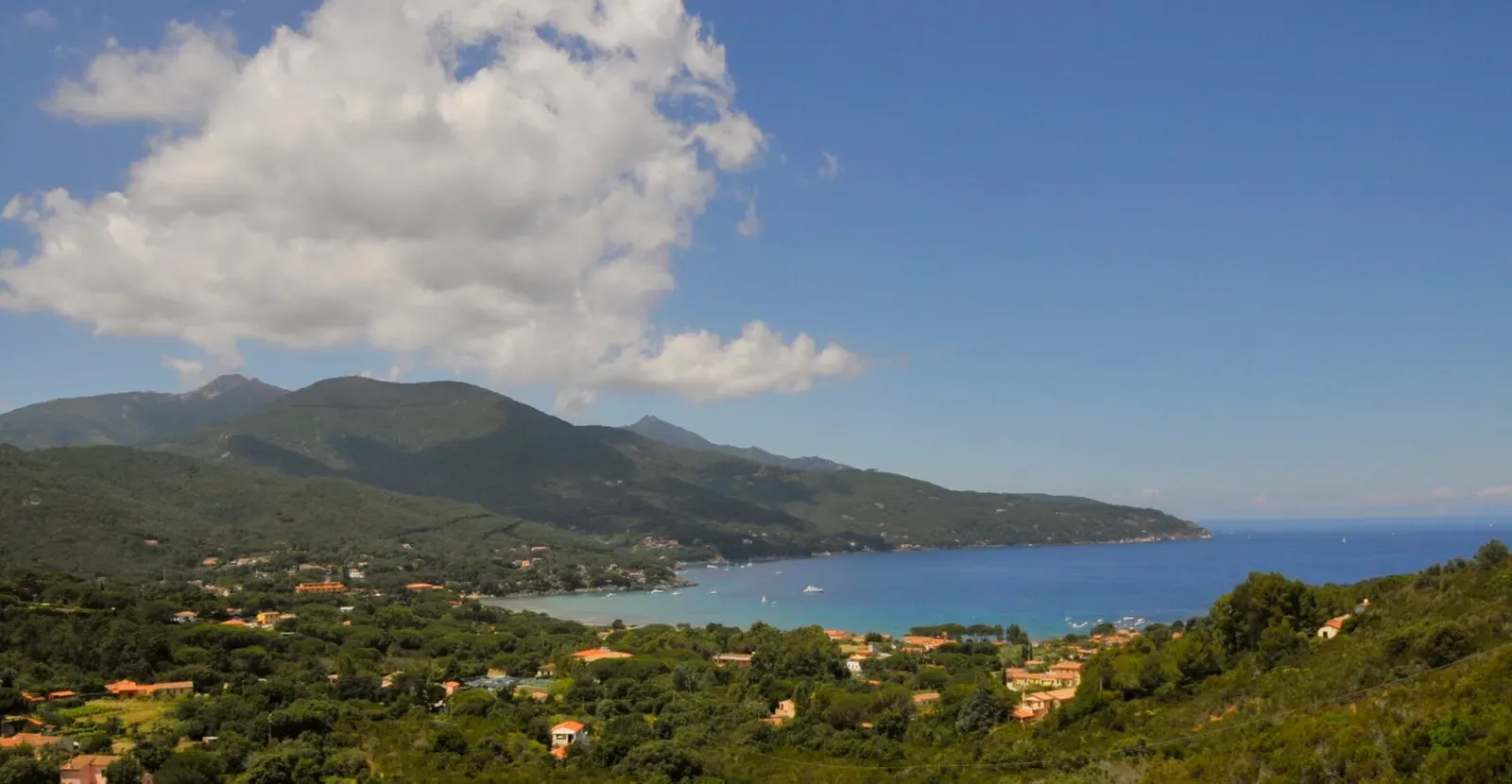
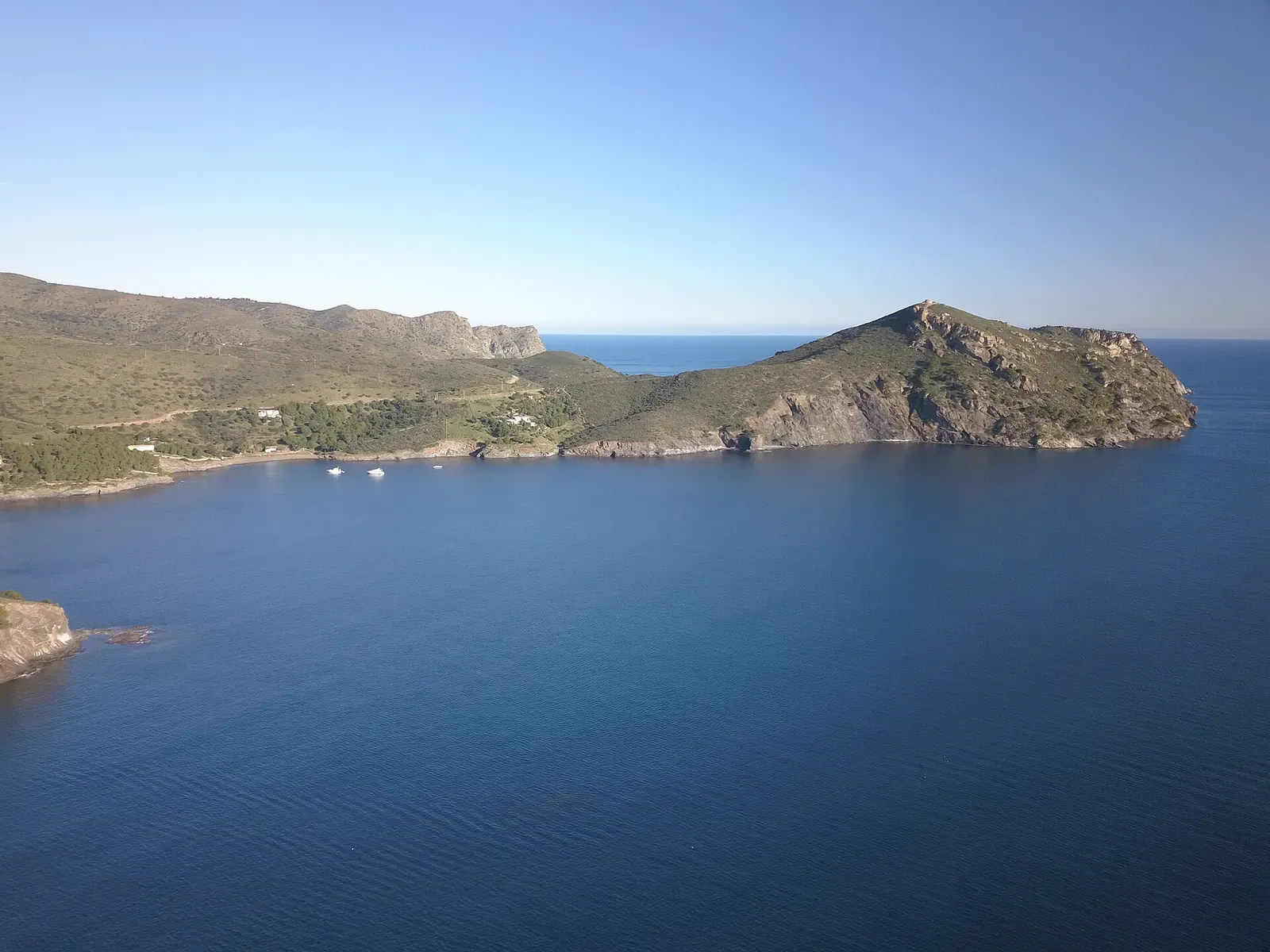
Area photo: CTHOE · CC BY-SA 3.0
Capo Stella and the islet of Corbella lie on Elba's south coast, and the dive is split into two parts. The southern side is the less demanding half and goes down to 35 m; the northern side is for more experienced divers and drops beyond 40 m, where grouper, moray, red gorgonian and red coral are the draw. Barracuda, snapper and amberjack pass over the rock, and there are nudibranchs, octopus and dogfish eggs for those who look closely.
Also known as Isola Corbella.
Where it is and how deep
42.7350° N, 10.3195° EPublished position for this site.
The dive
The boat drops you at the islet of Corbella off Capo Stella and the guide decides which half to dive. The southern part is the easier one: it goes down to 35 m over rock that carries gorgonians, with grouper and octopus in the holes and nudibranchs on the growth. Hermit crabs and dogfish eggs are the small finds, so look for the egg cases as you go.
The northern part is a different dive and is reserved for more experienced divers, because it goes deeper than 40 m. Italian Wikipedia calls the site a demanding dive to 41 m and lists grouper, moray eels, red gorgonian and red coral at that depth. Set a hard floor before you descend, spend your time at depth on the coral and fans, and ascend the rock with the reserve you planned.
On either route the mid-water is worth watching: barracuda, snapper and amberjack pass over the cape. The dive ends back up on the shallower rock, which gives a natural safety stop with fish life to look at while the group gathers before surfacing to the boat, and it is the part of the site that both routes share.
Marine life and season
- Groupers
- Barracuda
- Trevally & jacks
- Octopus & cuttlefish
- Nudibranchs
| Jan | Feb | Mar | Apr | May | Jun | Jul | Aug | Sep | Oct | Nov | Dec |
|---|---|---|---|---|---|---|---|---|---|---|---|
| Fair | Fair | Fair | Fair | Good | Prime | Prime | Prime | Prime | Good | Fair | Fair |
Season follows Elba & the Tuscan Archipelago: The season runs May–September with a warm October; the sea bottoms out near 14 °C in February–March, spring and autumn winds push boats to sheltered sites, and Pianosa's buoys open April–November.
Know before you go
- The north side goes past 40 m: agree a maximum depth and turn point before the dive and keep to it.
Questions divers ask
How deep is the Capo Stella dive?+
The southern part goes down to 35 m and is the less challenging route; the northern part goes deeper than 40 m, to 41 m by one account, and is for experienced divers only.
Sources
- Capo Stella / Isola Corbella — Scubago
- Isola d'Elba — Wikipedia (it)
More dive sites in Elba & the Tuscan Archipelago
A red-gorgonian wall from 20 to 40 m off Capo Sant'Andrea
Reef
Walk-in shore bay near Capoliveri in 2–10 m, with turtles since 2021
Wall
A protected carbonate wall from 40 m to 4 m, dived only on guided park visits
Wall
A vertical wall from a 6 m anchorage to a shrimp-filled cave at 30 m
A 62 m freighter on her side in 2–12 m, swum to from Pomonte beach
Pinnacle
Solitary boulders from 12 m to 40 m in strong current, for experienced divers
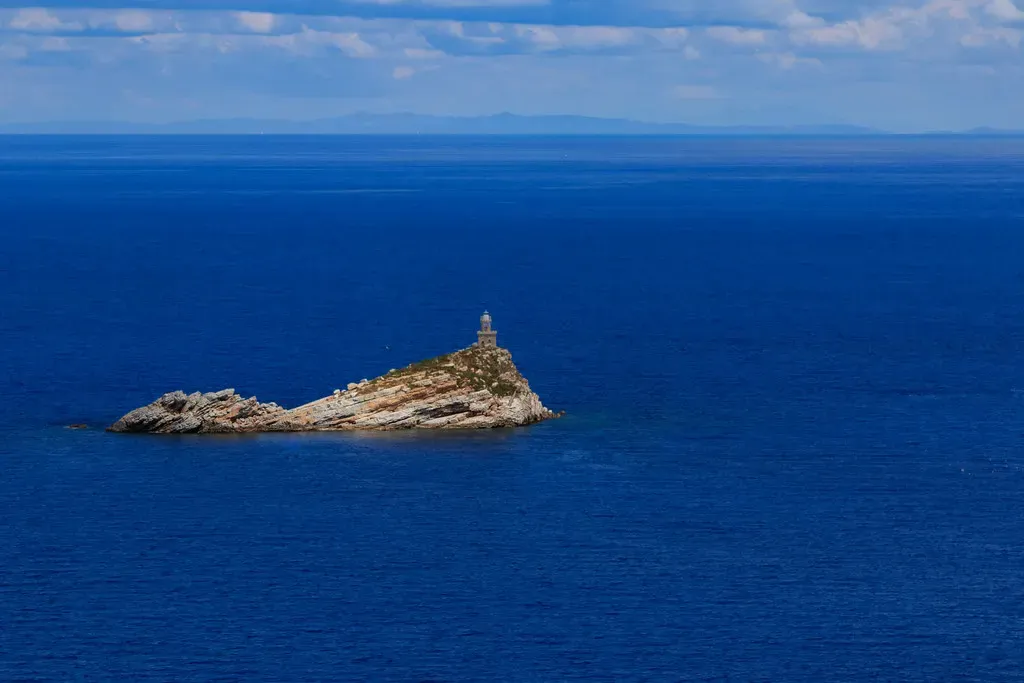
A plaque of Christ at 39 m on a red-gorgonian wall in a 1971 no-fishing zone
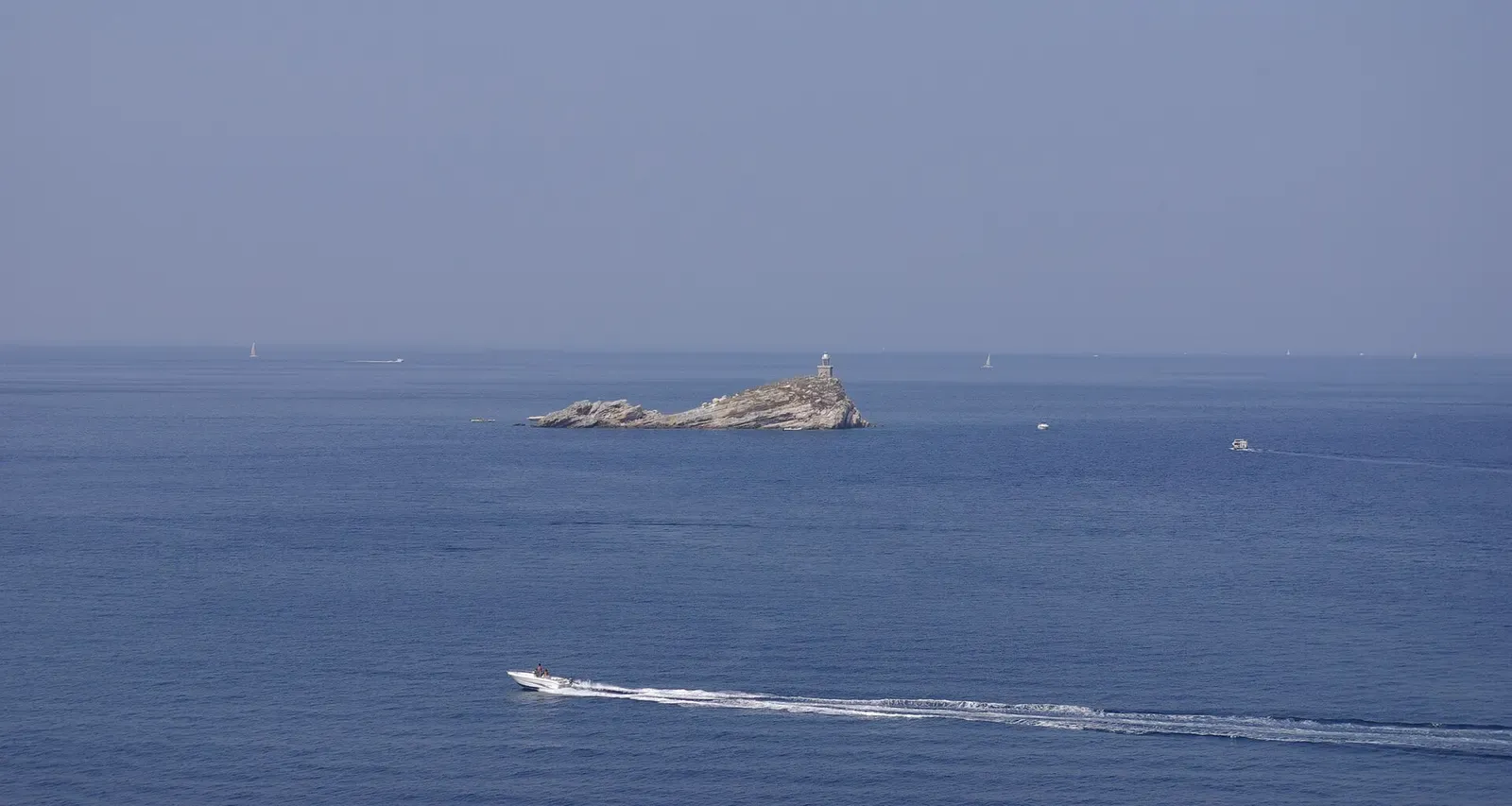
A fish-rich rockfall from the surface to 40 m in a 1971 no-fishing zone
Similar dives elsewhere
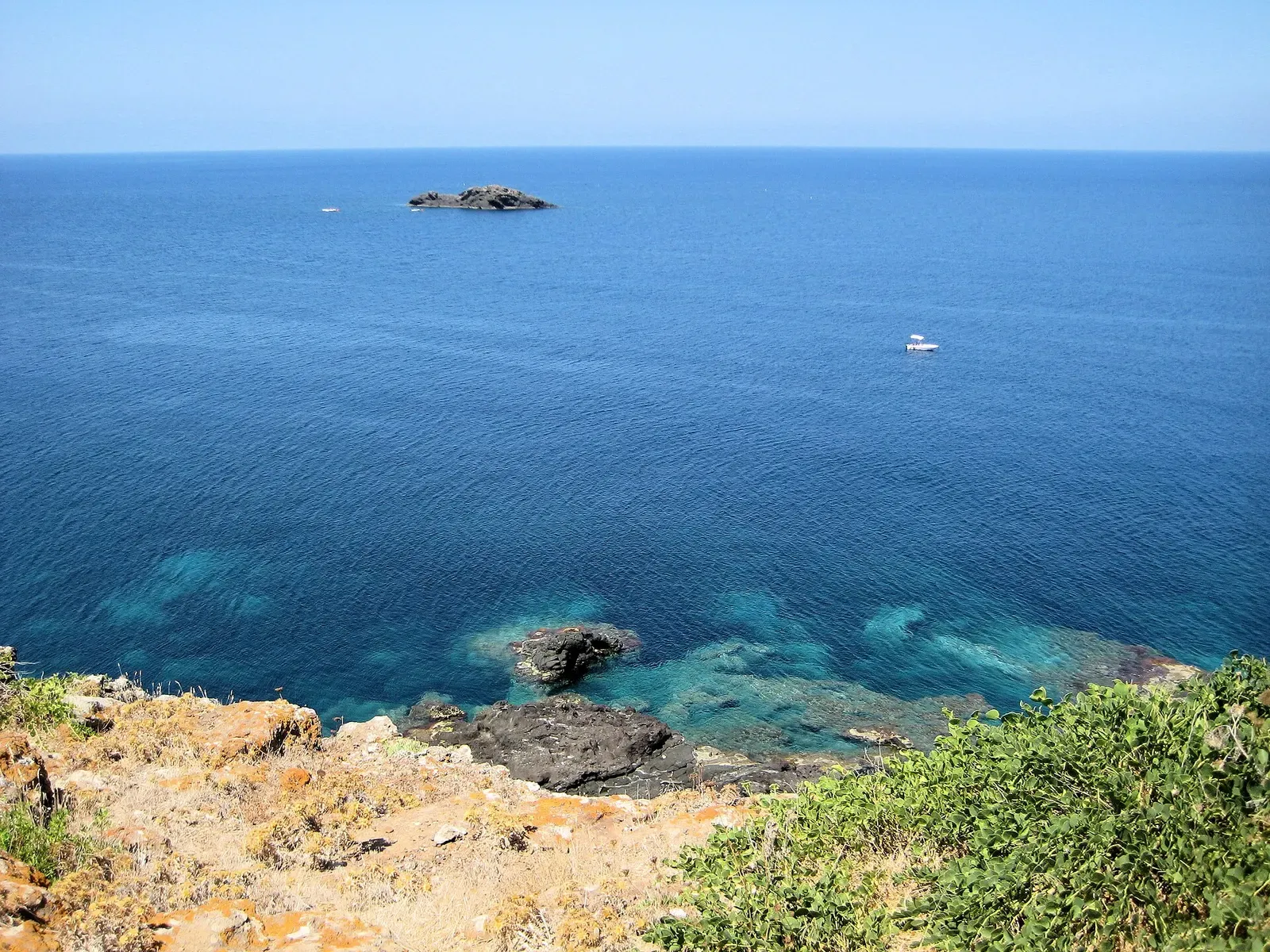
Tunnels, canyons and walls down to a plateau facing open water
The park's best-known walls, and a cave with an air pocket
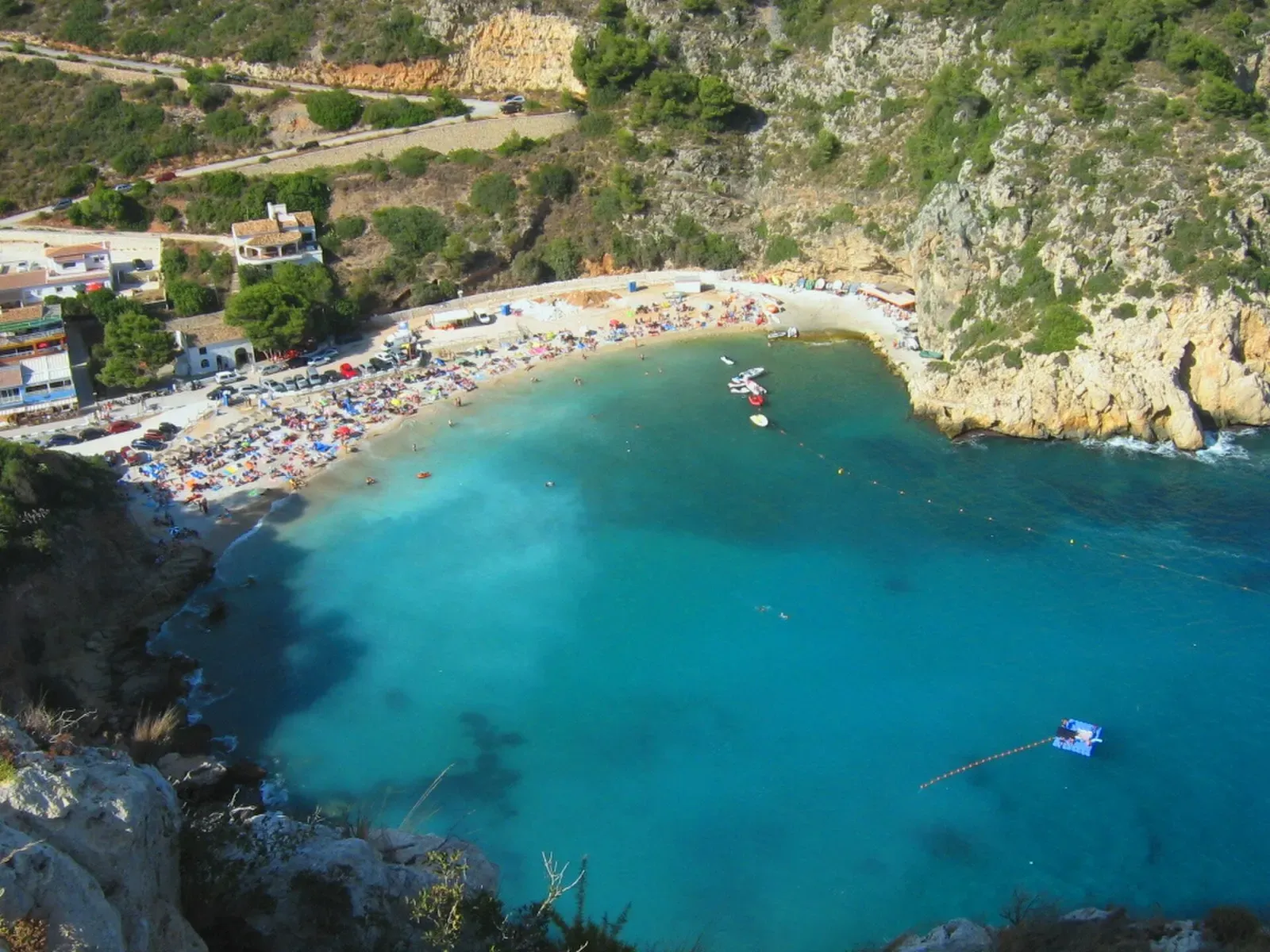
A sea-cut bowl in the Peñón to 35 m where amberjack and barracuda gather

A reserve wall to 20 m with a small arch full of life