Farasan Banks & Al Lith · Saudi Arabia · Wall · Reef
Farasan Kebir
Wall diving where the drop runs to 500 m in places
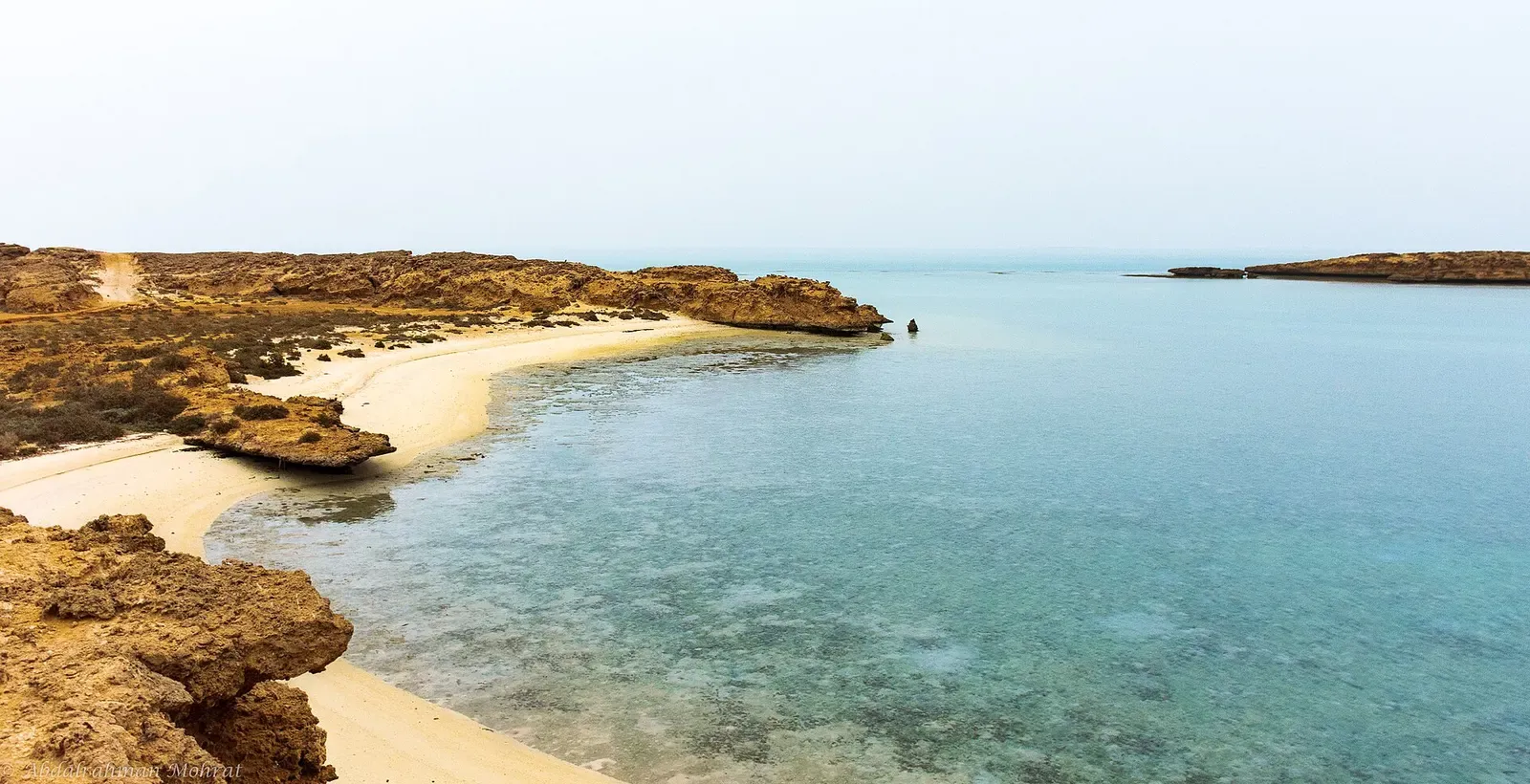
Photo: Abdalrahman Mohrat · CC BY 2.0
Farasan Kebir is the largest island in Saudi Arabia and the second largest in the Red Sea, and the diving off its east and west sides is almost all wall: a shallow hard-coral shelf that ends at a rim and drops, in places as far as 500 m. The surrounding water is a marine reserve and a UNESCO biosphere, and the reefs still see only a handful of divers a week.
Also known as Farasan Island, Great Farasan Island, Farasan Al Kubra.
Where it is and how deep
No published position for this site — the map shows Farasan Banks & Al Lith and its other sites; operators know the mooring.
The dive
All the diving on the Farasan Bank is wall diving, and Farasan Kebir is the most reachable of it. The reef edge runs down the east and west sides of the island and the wall descends in places to 500 m. The shallows are hard coral, table and staghorn, and they end at a rim that simply stops, so most of a dive is spent tracking along the face with coral on one shoulder and open water on the other.
Sightlines help on ground like this. Visibility across the banks exceeds 30 m on some days, which matters when what you are watching for arrives out of the blue rather than off the reef. Divers and snorkellers here report sea turtles, spinner dolphins, reef sharks, eagle rays and giant moray eels, along with large schools of reef fish. The wider reserve holds manta rays, dugongs, three species of dolphin, whale sharks and around 231 species of fish.
The Farasan reefs see only a handful of divers each week, and the hard and soft coral is in exceptional health. No mooring here has a published position or a surveyed profile: boats work the reef edge where the crew finds it, and the depth shown is a working range rather than a figure from a named site. Over a wall with no bottom in sight that puts the discipline on you, so agree a maximum with your buddy before the descent and hold it.
Background
The Farasan Islands have been protected for decades, though sources disagree on when that began: Saudipedia dates the reserve's founding to 1989, during the reign of King Fahd bin Abdulaziz Al Saud, while the UN records the protected area as declared by Royal Decree in 1996. The reserve covers 5,408 km2, about 90% of it marine, and in September 2021 UNESCO's Man and the Biosphere Programme approved it as Saudi Arabia's first biosphere reserve. Jacques Cousteau, who came through on his first Red Sea expedition in 1963, called the area one of the most fascinating and unspoiled on the planet.
Marine life and season
- Reef sharks
- Eagle rays
- Dolphins
- Sea turtles
- Reef fish swarms
| Jan | Feb | Mar | Apr | May | Jun | Jul | Aug | Sep | Oct | Nov | Dec |
|---|---|---|---|---|---|---|---|---|---|---|---|
| Good | Good | Prime | Prime | Prime | Fair | Fair | Fair | Fair | Good | Good | Good |
Season follows Farasan Banks & Al Lith: Whale sharks aggregate at Shib Habil Mar–May; midsummer surface temperatures above 40°C make the region impractical.
Know before you go
- The wall falls to 500 m in places with no bottom to reference against, so depth creeps unnoticed; set a hard maximum and check it against your buddy along the face.
Photos from Farasan Kebir
Wajahat Mahmood · CC BY-SA 2.0
Bandar Yuosef · CC BY 2.0
Dive videos
Underwater REDSEA - (FARASAN ISLAND) · MediainsightSA on YouTube
Questions divers ask
What is diving at Farasan Kebir like?+
Wall diving. All the diving on the Farasan Bank is along drop-offs, and the wall on the east and west sides of the island descends in places to 500 m, with table and staghorn coral in the shallows above the rim.
Is Farasan Kebir a protected area?+
Yes. The surrounding waters form the Farasan Islands Marine Reserve, declared a protected area by Royal Decree and approved by UNESCO's Man and the Biosphere Programme in September 2021 as Saudi Arabia's first biosphere reserve. It covers 5,408 km2, roughly 90% of it marine.
What marine life will you see at Farasan?+
Divers and snorkellers regularly report sea turtles, spinner dolphins, reef sharks, eagle rays, giant moray eels and large schools of reef fish. The wider reserve holds around 231 fish species, plus hawksbill turtles, dugongs, manta rays, three species of dolphin and whale sharks.
Sources
- Farasan Island — Wikipedia
- Liveaboards in Farasan Island, Saudi Arabia — LiveAboard.com
- Liveaboard diving Red Sea Saudi Arabia, Farasan Banks dive sites — Xplore360
- Juzur Farasan - First Biosphere Reserve in KSA — United Nations in Saudi Arabia
- Farasan Islands Marine Reserve — Saudipedia
- Farasan Islands guide — House of Saud
- Scuba Diving Saudi Arabia - Farasan Banks — Tech Dive Travels
Photo credits
- Rocky headland and shallow turquoise reef flat along the Farasan Kebir coastline by Abdalrahman Mohrat, CC BY 2.0, via Wikimedia Commons
- Clear green shallows over a coral flat seen from the bow of a boat off Farasan Island by Wajahat Mahmood, CC BY-SA 2.0, via Wikimedia Commons
- Sunset over jagged coastal rock outcrops and sand beach on Farasan Kebir by Bandar Yuosef, CC BY 2.0, via Wikimedia Commons
More dive sites in Farasan Banks & Al Lith
Reef
Columnar Porites framework standing 10 m off the bottom
A huge gorgonian at 35 m on the longest reef off Al Lith
Wall
Stepped plateaus at 25, 35 and 60 m with gorgonians in the deep
Reef
Juvenile whale sharks gather here every spring, in groups of two to four
Similar dives elsewhere
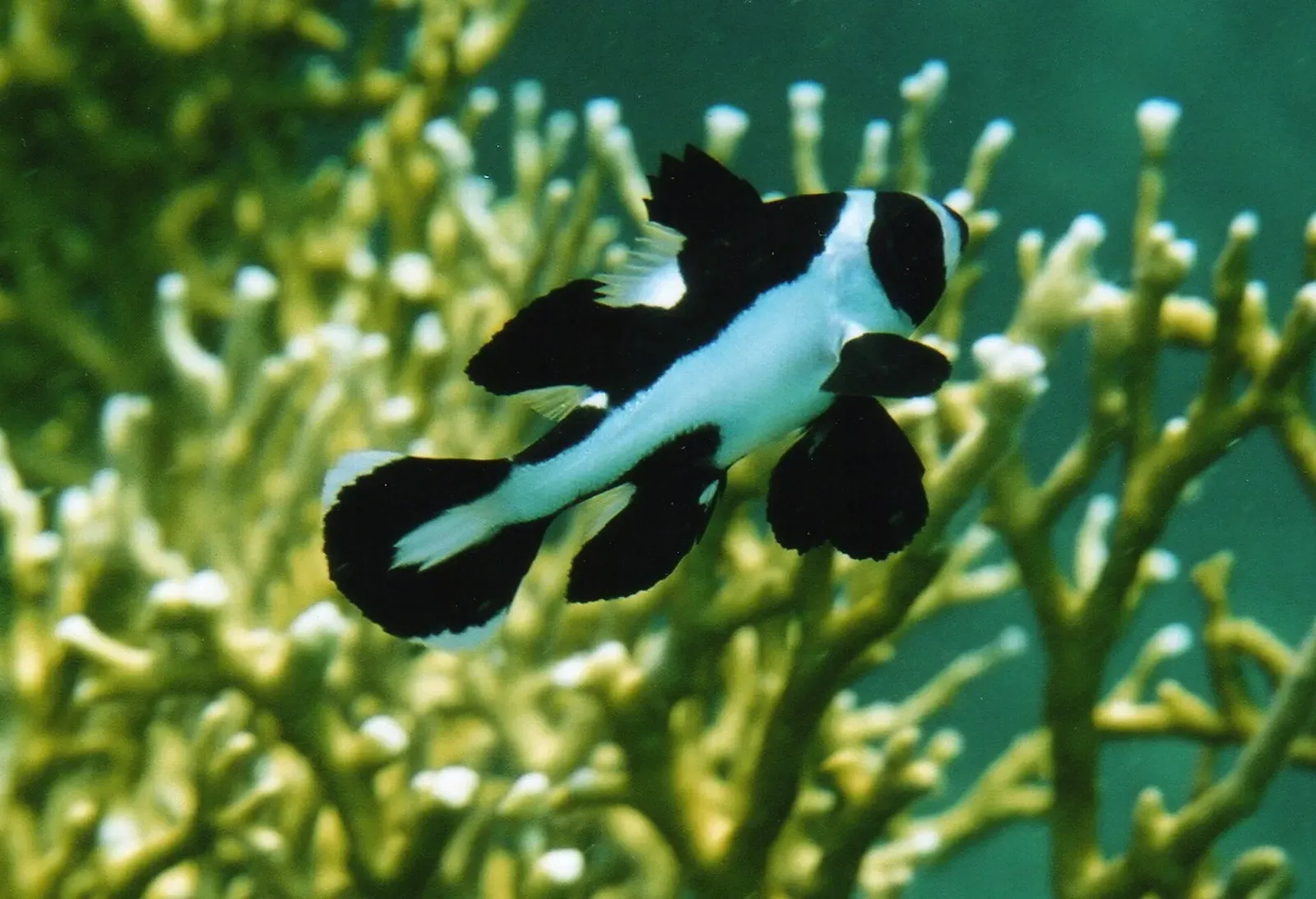
Jetty-entry wall to 40 m dived for tuna, dolphins and passing whale sharks
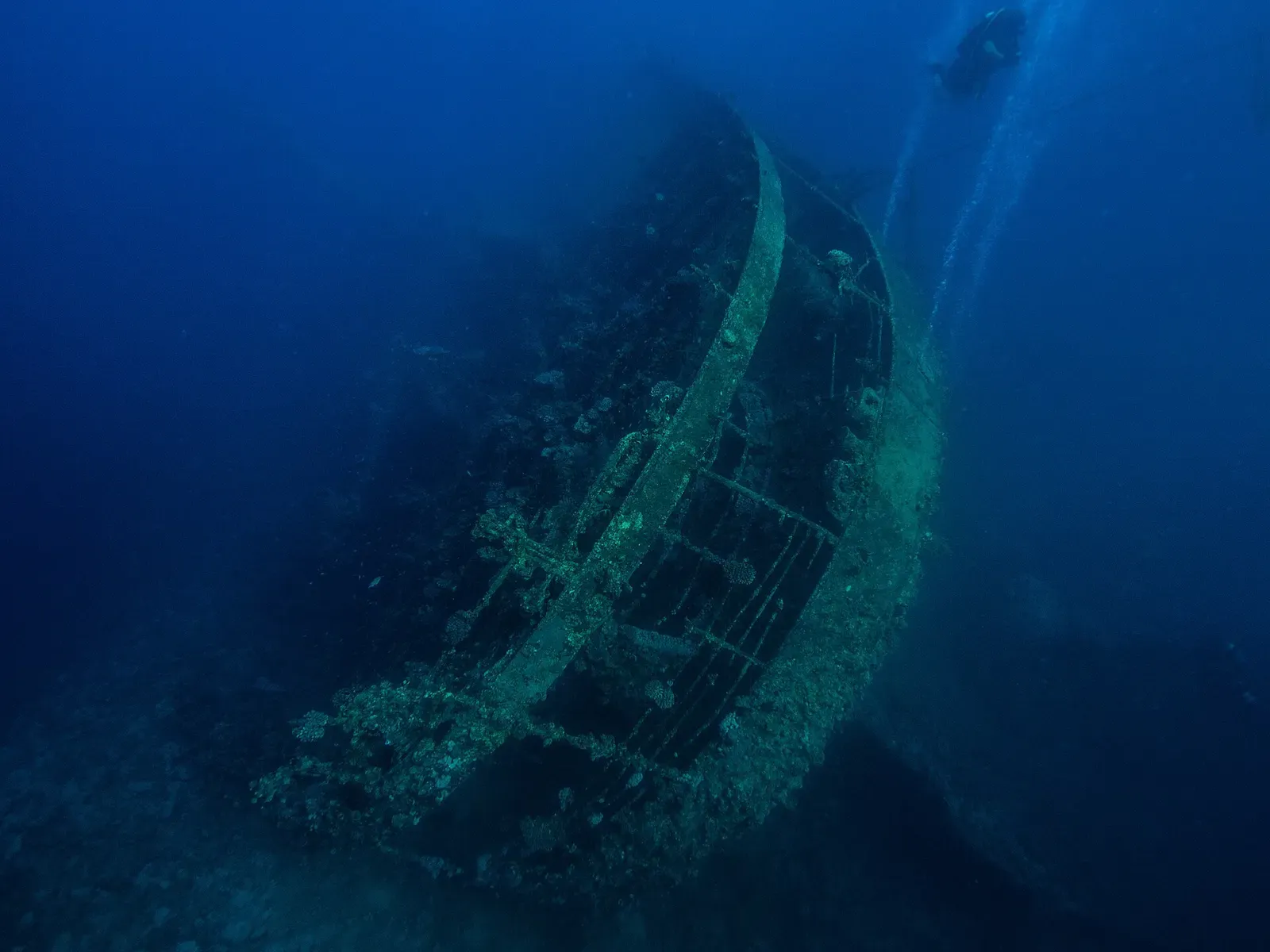
Two plateaus on the Red Sea's only atoll, hammerheads at 45 m

A sheer wall falling from 12 m into 200 m of water
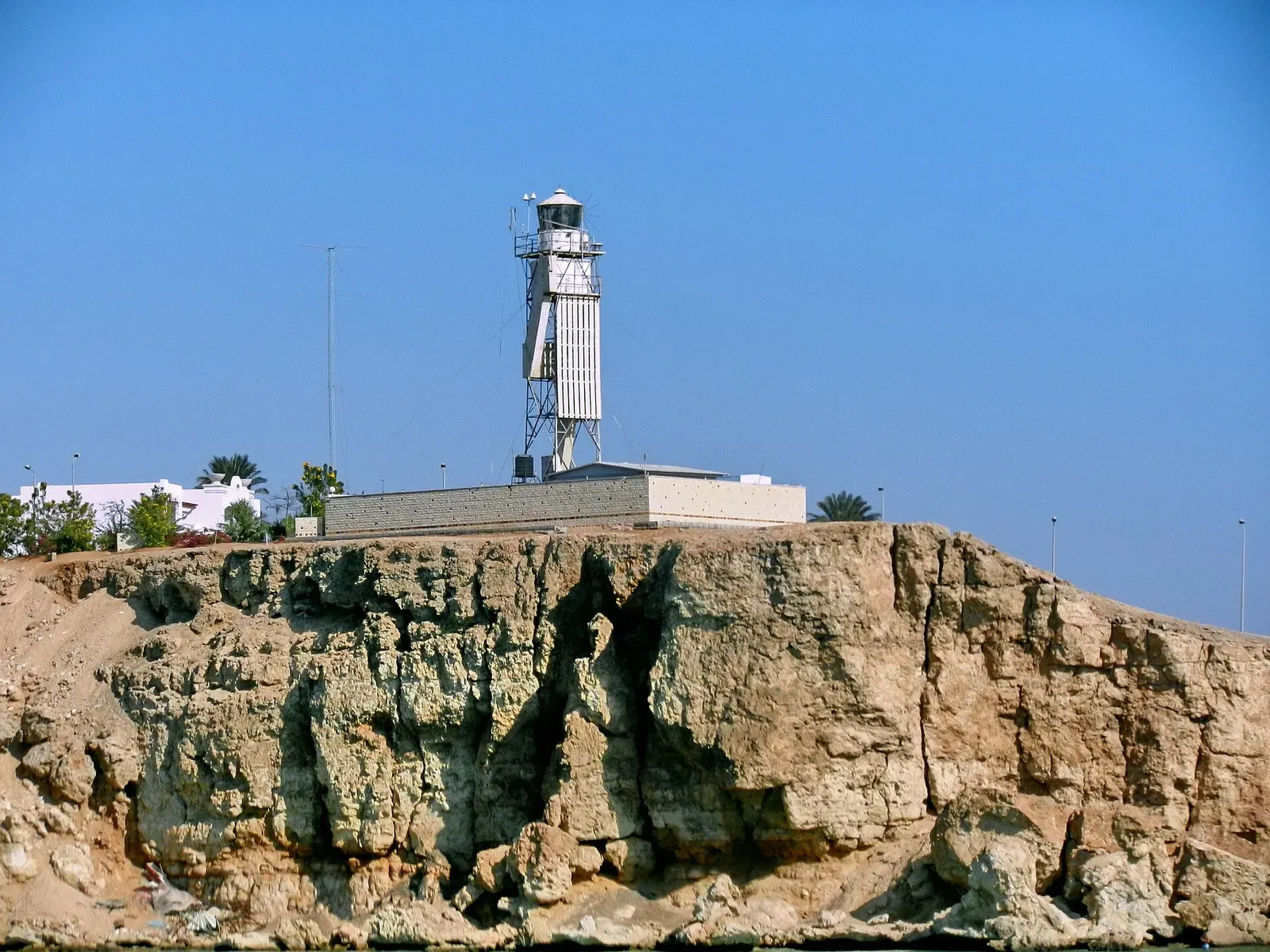


A column of gorgonian fans standing from 14 to 28 m