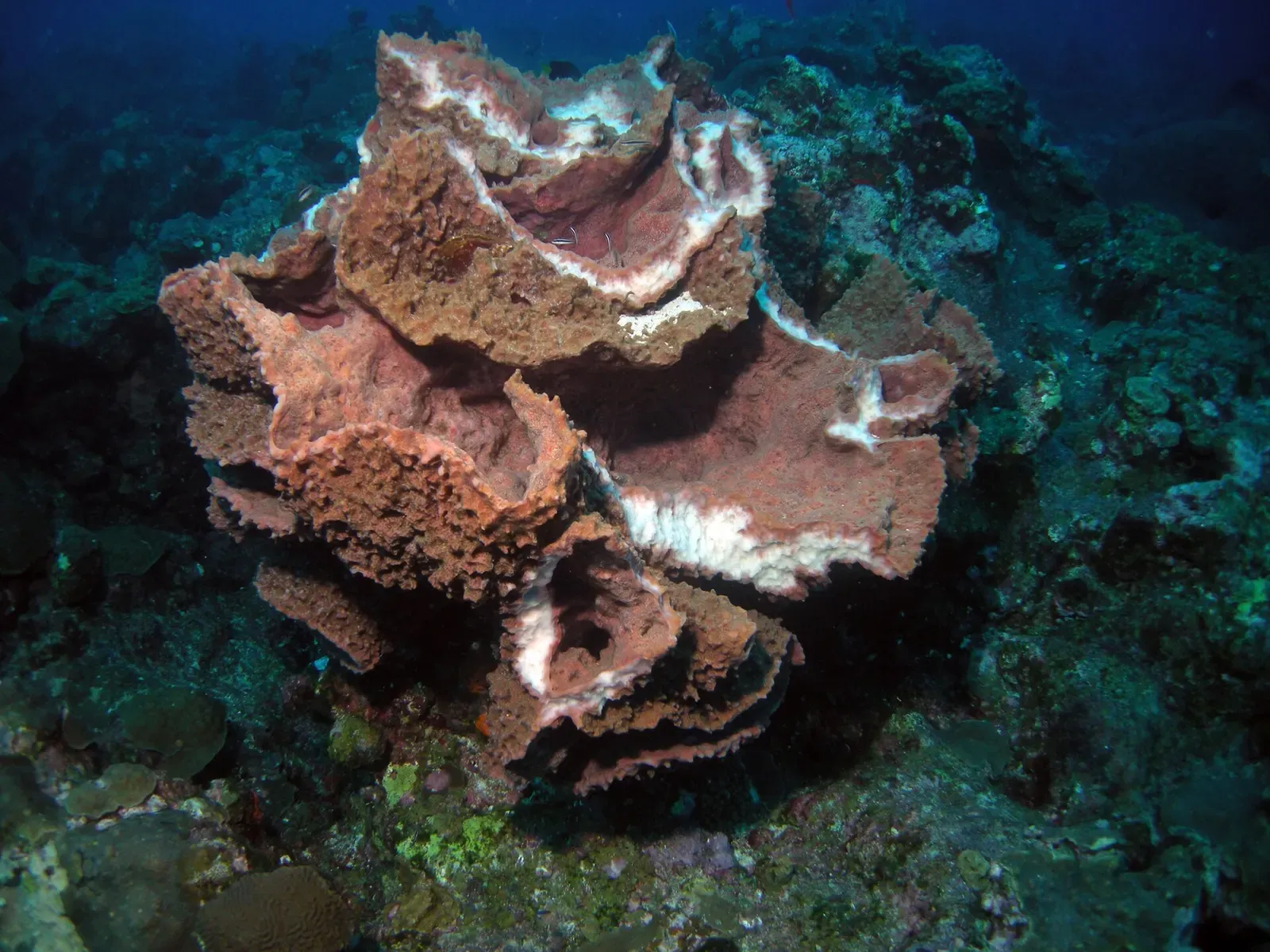
Flower Garden Banks · United States · Reef · Coral garden
West Flower Garden Bank
Reef standing 15-20 ft (6 m) above the sand, 182 km (113 miles) from land
Photo: Hickerson/FGBNMS · Public domain
The western cap of the pair, 113 miles (182 km) from land, and the same kind of diving as its sister bank: over 52 percent coral cover, with threatened brain and star corals making up about 66 percent of it. The corals have piled up on one another over thousands of years into high-profile reef standing 15-20 feet (4.6-6.1 m) above the nearest sand patches.
Also known as WFGB.
Where it is and how deep
27.8754° N, 93.8139° WPublished position for this site.
Site maps published elsewhere
The dive
The five moorings on the bank sit in 21-24 m and the shallowest part of the cap is 17 m, so the descent runs down the line through open water onto a reef that is already deep. The corals here have literally piled up on one another over thousands of years, creating high-profile reef that rises 15-20 feet (4.6-6.1 m) above the nearest sand patches, so the cap reads as ridges and heads separated by sand rather than as a flat plateau.
Coral cover runs over 52 percent, as much as five times the hard coral of other reefs in the region, and the threatened brain and star corals account for about 66 percent of the total here. The dive stays on the tops and flanks of those coral ridges, because the cap offers nothing shallower to move up onto as the no-decompression clock runs down.
Below recreational range the bank keeps descending, to 166 m, and the deeper zone is a different community again: stony cup corals, black corals and octocorals rather than reef-building boulder coral. Divers do not get down to it, but it is worth knowing that the cap is only the sunlit top of something much taller.
Background
The reef communities here began developing on the underlying salt domes roughly 10,000-15,000 years ago, and the coral has been building on that high ground ever since. West Flower Garden Bank was part of the original sanctuary established on January 17, 1992, protected alongside the eastern bank; Stetson Bank was added in 1996, and 14 more reefs and banks came in with the 2021 expansion.
Marine life and season
- Pristine corals
| Jan | Feb | Mar | Apr | May | Jun | Jul | Aug | Sep | Oct | Nov | Dec |
|---|---|---|---|---|---|---|---|---|---|---|---|
| Off-season | Off-season | Fair | Good | Good | Prime | Prime | Prime | Prime | Good | Fair | Off-season |
Season follows Flower Garden Banks: Charter season runs roughly April-October when Gulf seas are calmer; coral spawn a few nights after the August full moon, and winter cold fronts shut most operators down.
Know before you go
- Currents run in different directions and at different speeds at different depths, and can develop or disappear mid-dive. Plan around the mooring line and do not stray far from it.
Dive videos
West Flower Garden Bank (Dive 1) · Scott Strickland on YouTube
Mesophotic Scooter Ride at West Flower Garden Bank · Voss Lab at FAU Harbor Branch on YouTube
Questions divers ask
How deep is West Flower Garden Bank?+
The bank tops out at 17 m and its mooring buoys sit in 21-24 m, so dives are deep from the moment you leave the surface. The bank itself continues down to 166 m, far past recreational limits.
What is the coral like at West Flower Garden Bank?+
Coral cover is over 52 percent, up to five times the hard coral of other reefs in the region, and threatened brain and star corals account for about 66 percent of it. The reef stands 15-20 feet (6 m) above the nearest sand patches.
Sources
- West Flower Garden Bank — NOAA Flower Garden Banks National Marine Sanctuary
- Mooring Buoys — NOAA Flower Garden Banks National Marine Sanctuary
- Trip Preparation — NOAA Flower Garden Banks National Marine Sanctuary
- Flower Garden Banks National Marine Sanctuary — Wikipedia
Photo credits
- Giant barrel sponge with an elkhorn coral colony behind it on West Flower Garden Bank by Hickerson/FGBNMS, Public domain, via Wikimedia Commons
More dive sites in Flower Garden Banks
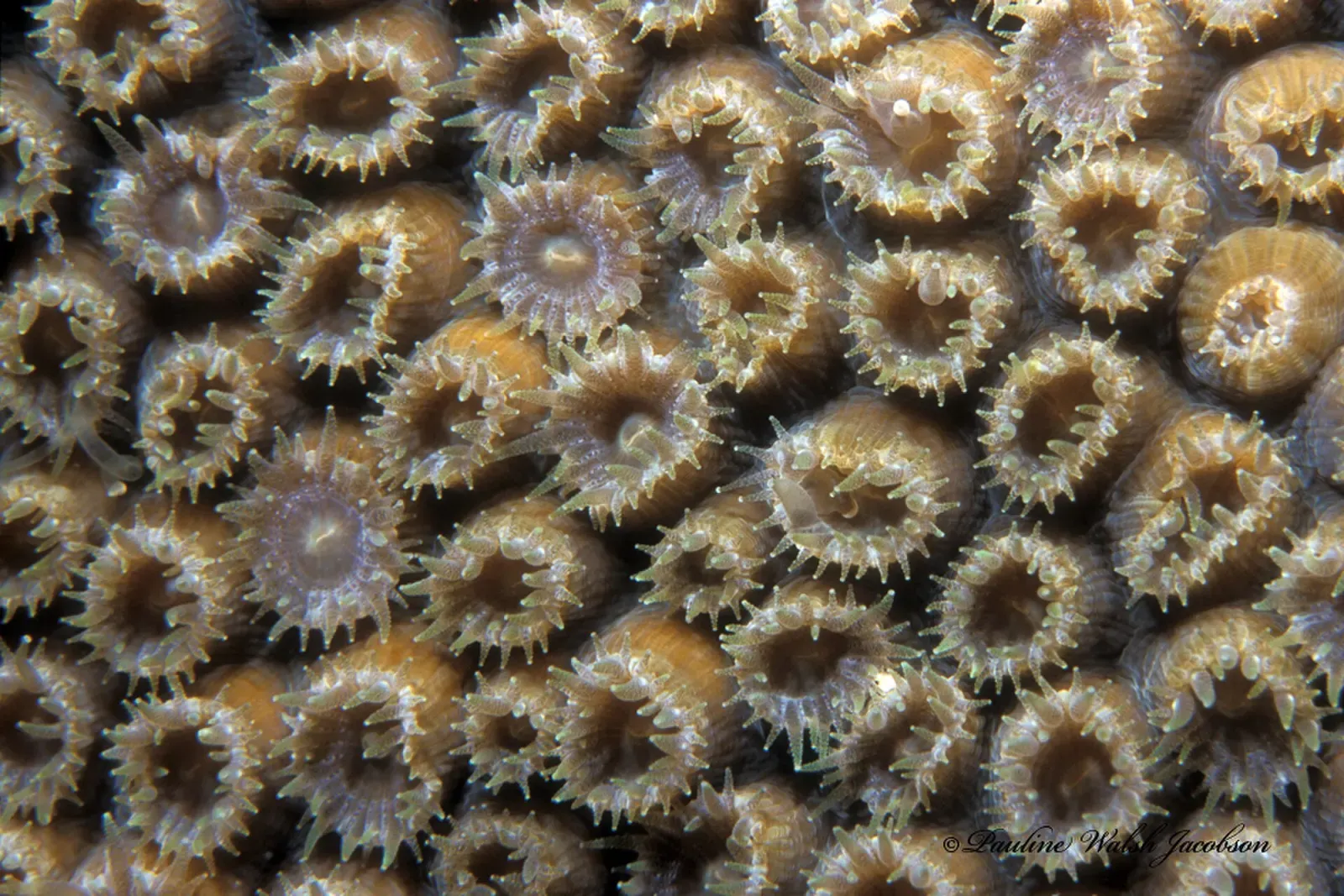
Over 52% coral cover, 192 km (119 miles) from land
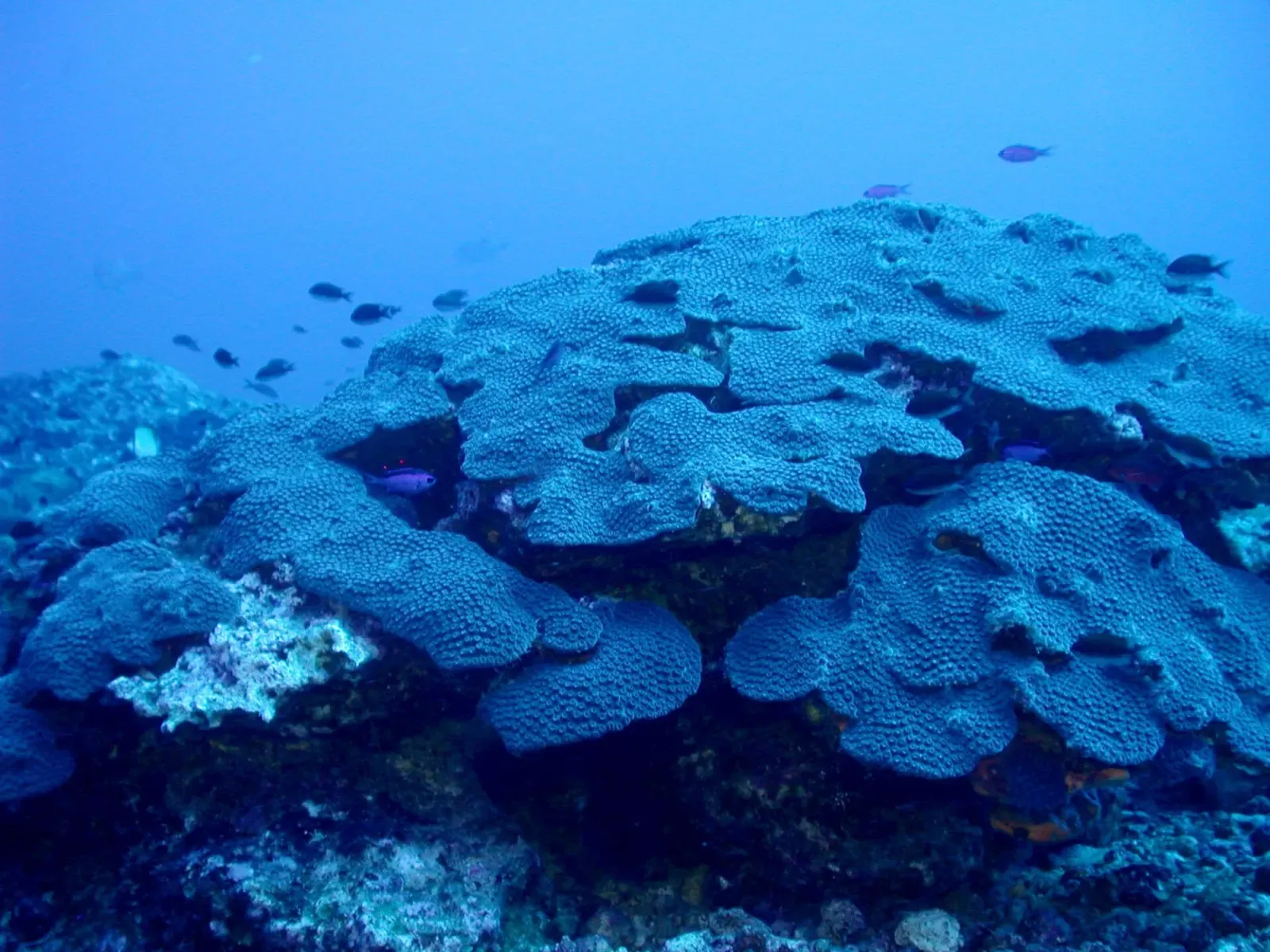
The only known reef dominated by blushing star coral
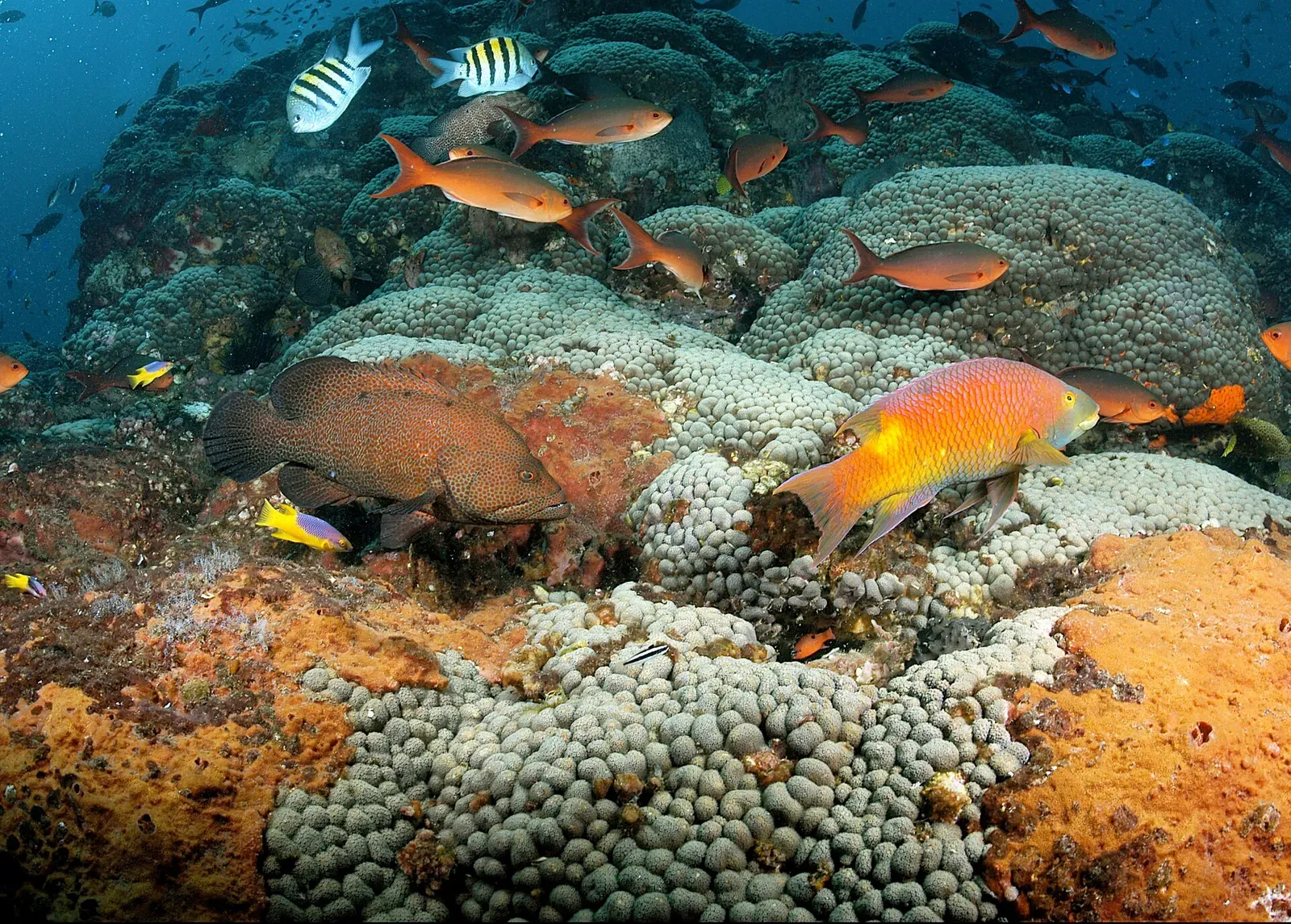
Rocky outcrops under sponges, 129 km (80 miles) off Texas
Similar dives elsewhere
Sea turtles on the inner coral plate, eagle rays at La Grieta.

Reef topography that mirrors the cliffs above, at 11 to 18 metres.
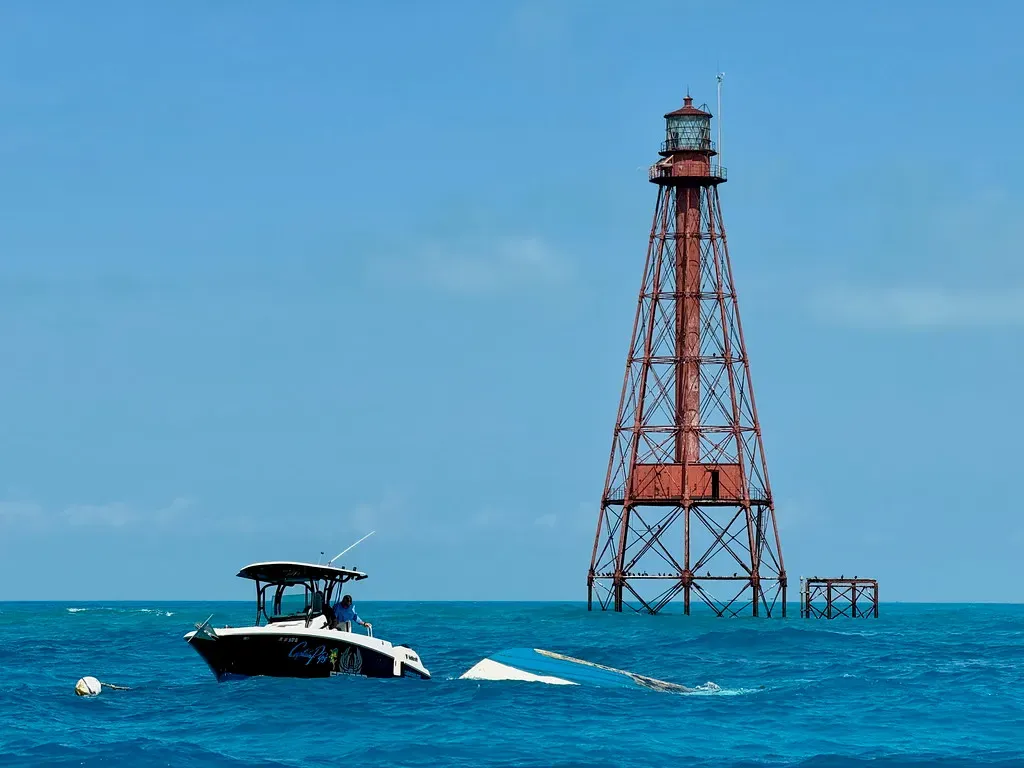
Coral spurs and sand grooves at the foot of the Sombrero Key Lighthouse


Cupcake-shaped bommies above a reef slope that runs off to 50 m.