
Galápagos · Ecuador · Reef · Sand slope
Shark Bay
Shallow rocky entry at 8 m, hammerheads scanned from 25 m
Area photo: Kai Squires · CC BY 4.0
Shark Bay sits close in to the Wolf Island shoreline, where rocky substrate at 8 to 10 metres steps down to a sandy patch at about 25 metres. Rocky outcrops on that patch give divers something to cling to while they scan the blue for schools of a dozen or more scalloped hammerheads, and Galápagos sharks, silky sharks, eagle rays and yellowfin tuna work the same water.
Where it is and how deep
1.3825° N, 91.8150° WApproximate position — the dashed circle shows where the site lies; your operator's briefing has the mooring.
The dive
You drop in shallow here, quite close to the shoreline, where the rocky substrate sits at 8 to 10 metres. That is an easy start by the standards of the northern islands, and Galápagos sea lions are likely to be in the water, frolicking around the group as it goes down. How much of the dive is swum and how much is spent holding on comes down to the current, which runs medium to strong around Wolf.
Working out and down from the rock, the ground gives way to a sandy patch at about 25 metres. Rocky outcrops there are a good place to cling on and scan the blue, and a school of a dozen or more scalloped hammerheads may cruise past. Galápagos sharks and silky sharks come through as well, and when conditions are right the numbers of sharks here are considerable. Eagle rays pass slowly enough for a close look, while yellowfin tuna, pelican barracuda and the occasional African pompano — a hyper-reflective jack — cut across the open water above.
Marine life and season
- Hammerheads
- Seals & sea lions
- Reef sharks
- Eagle rays
- Tuna
- Barracuda
- Trevally & jacks
| Jan | Feb | Mar | Apr | May | Jun | Jul | Aug | Sep | Oct | Nov | Dec |
|---|---|---|---|---|---|---|---|---|---|---|---|
| Good | Good | Good | Good | Good | Good | Prime | Prime | Prime | Prime | Prime | Good |
Season follows Galápagos: Whale sharks pass from June to November; the sea is calmer, warmer and clearer from December to May.
Know before you go
- Currents around Wolf run medium to strong; at the 25 m sandy patch divers cling to the rocky outcrops to hold position rather than swim against the flow.
Questions divers ask
How deep is Shark Bay at Wolf Island?+
The dive starts shallow on rocky substrate at 8 to 10 metres near the shoreline and works down to a sandy patch at about 25 metres, where rocky outcrops give divers something to cling to while they scan the blue.
What sharks are seen at Shark Bay?+
Schools of a dozen or more scalloped hammerheads cruise past the 25 metre sandy patch, and Galápagos sharks and silky sharks come through off the rock. When conditions are right the numbers of sharks here are considerable.
Sources
- Diving Sites Galapagos - Darwin & Wolf Island — Dive The World
- Wolf Island — Wikipedia
- Galapagos Islands — Wikivoyage
In The Logbook
- Where to dive with seals and sea lionsBig animals · 17 min read
- When and where to dive with hammerheadsBig animals · 16 min read
More dive sites in Galápagos
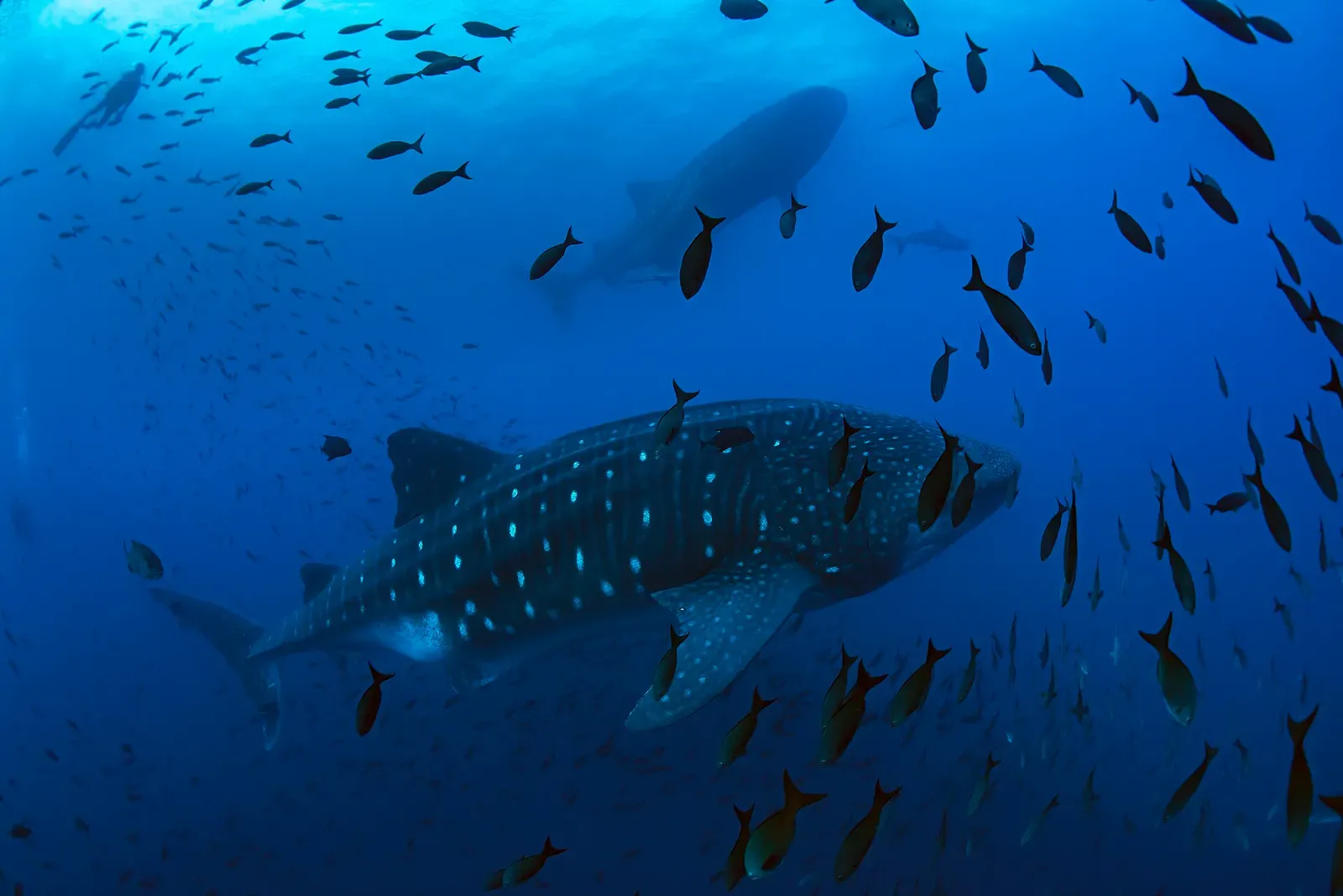
Hold position at 18–24 m while hammerhead schools pass the plateau
Cave & cavern
Two swim-throughs, then a fast drift off a wall thick with fish
Similar dives elsewhere
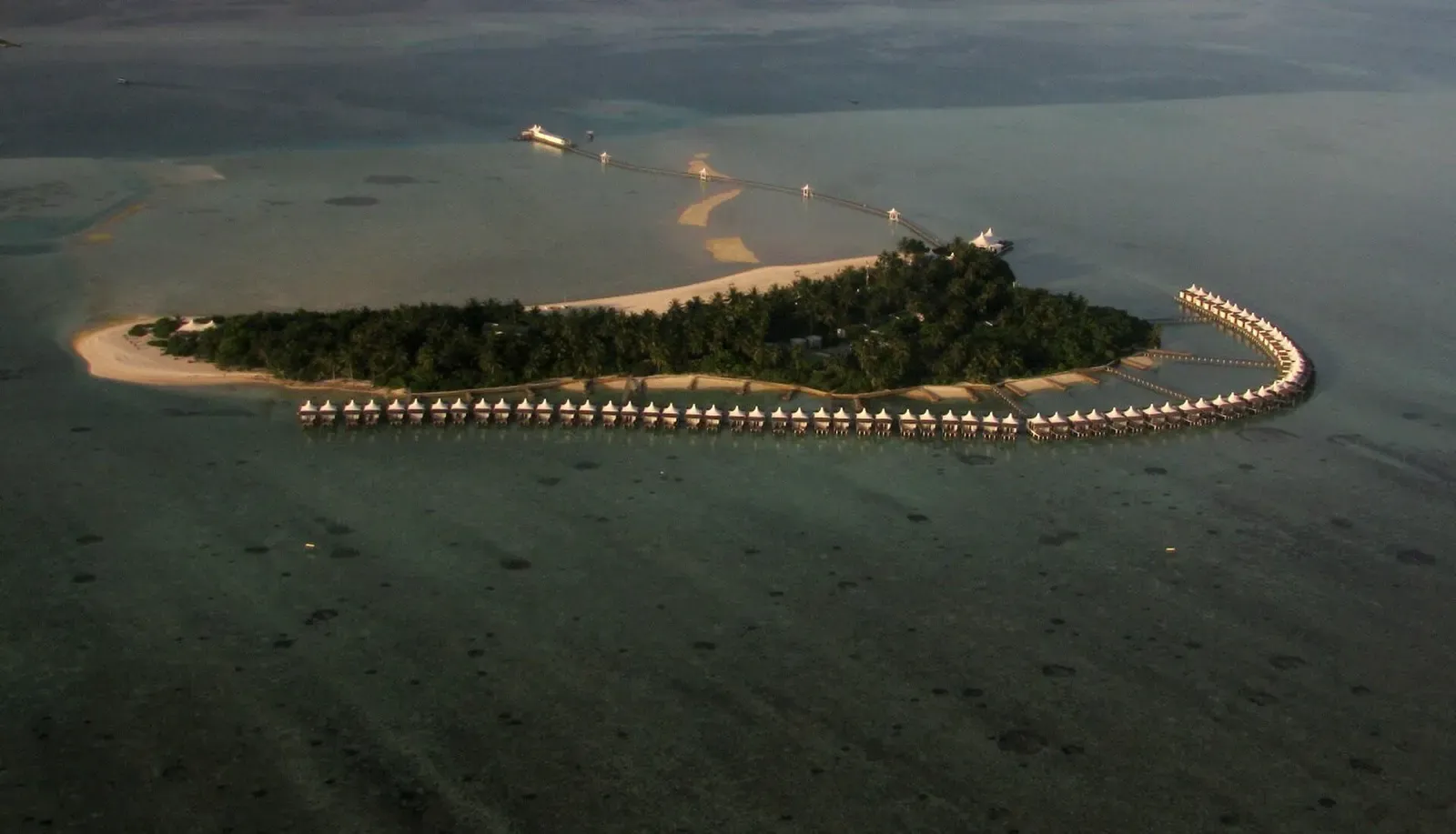
Manta cleaning stations at 10–15 m, with 8–9 mantas at once on a good day
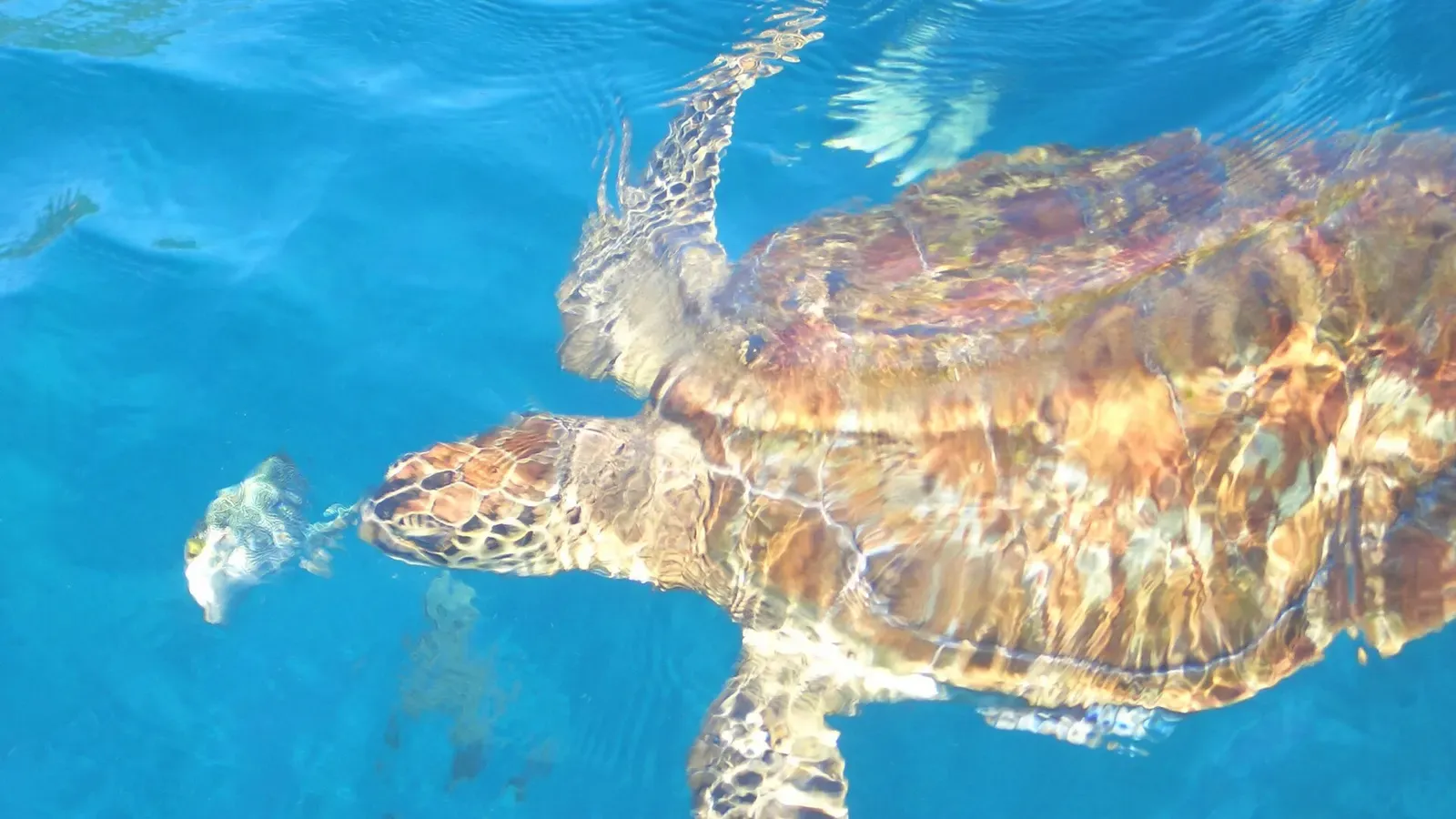
Violet and blue corals on the site's main bommie
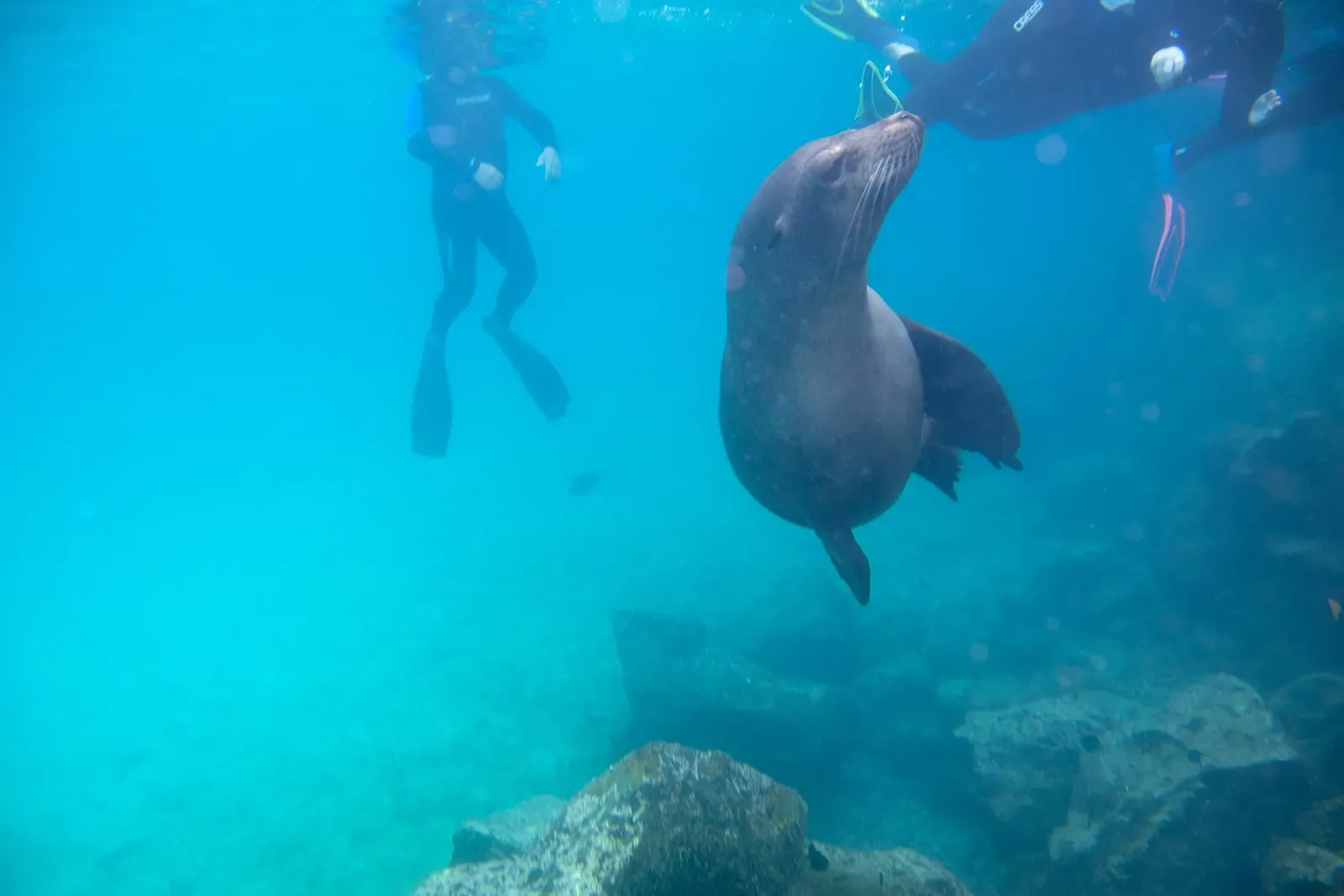
Endemic garden eels rising from a sand platform beside a sea lion islet


Boulders and sand under a frigate bird colony