Pacific Islands · United States
Hilo
Green sea turtles grazing on lava-rock reefs a short drive from town.
Photo: KanoaWithington at English Wikipedia (Kanoa Withington) · CC BY-SA 3.0
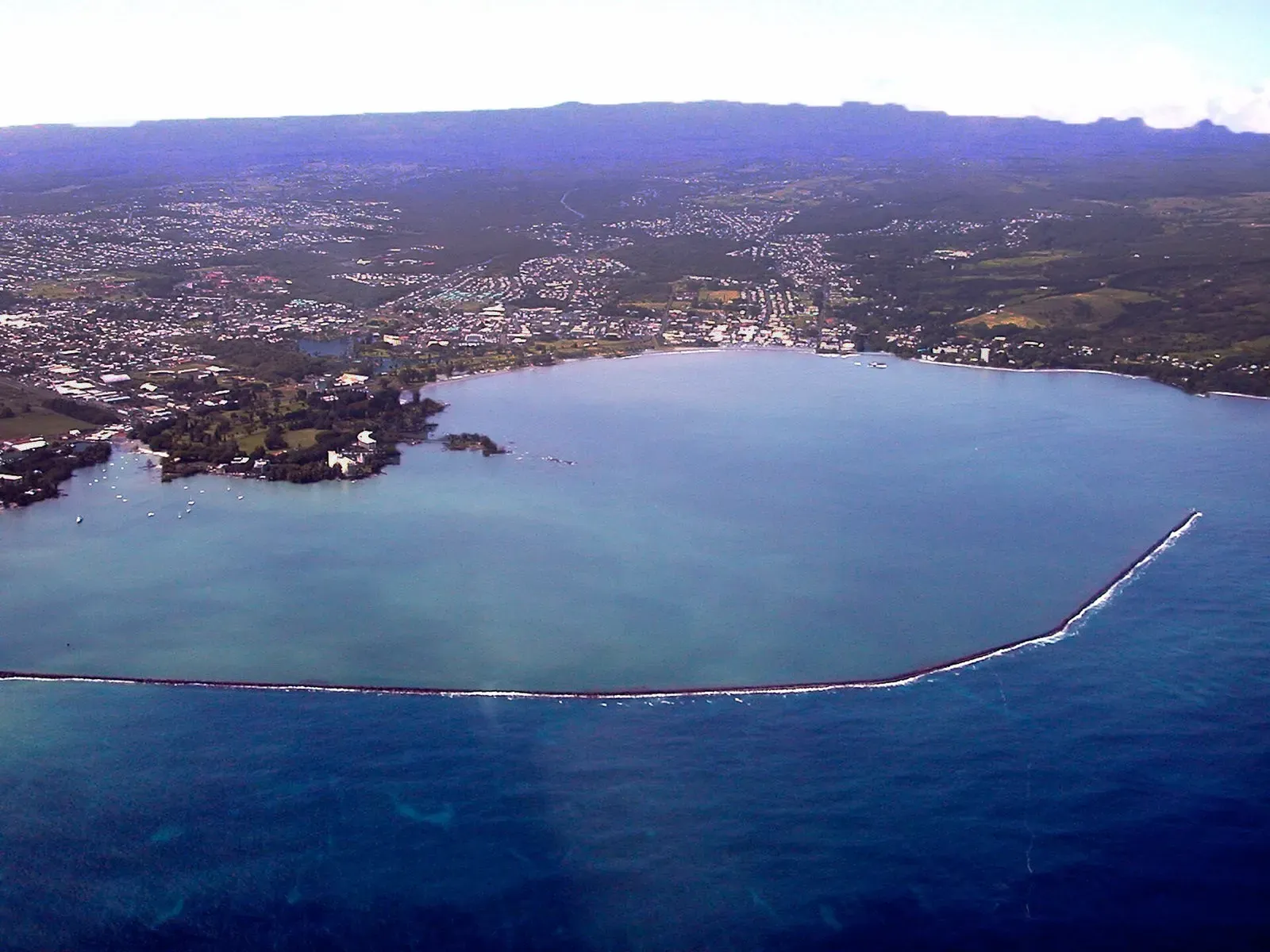
Hilo is the east-side dive base on Hawaiʻi's Big Island, a lava coast of shore entries and boat dives outside Hilo Bay. Guided dives at Wai'olena (Leleiwi) cross volcanic terrain and coral gardens at 8 to 21 m (25 to 70 ft), with green sea turtles grazing among the coral heads. Puhi Bay goes deeper over lava rock, and Richardson Ocean Park and Carlsmith Beach Park offer calm, family-friendly water. These reefs see fewer divers than Kailua-Kona or Maui.
About diving in Hilo
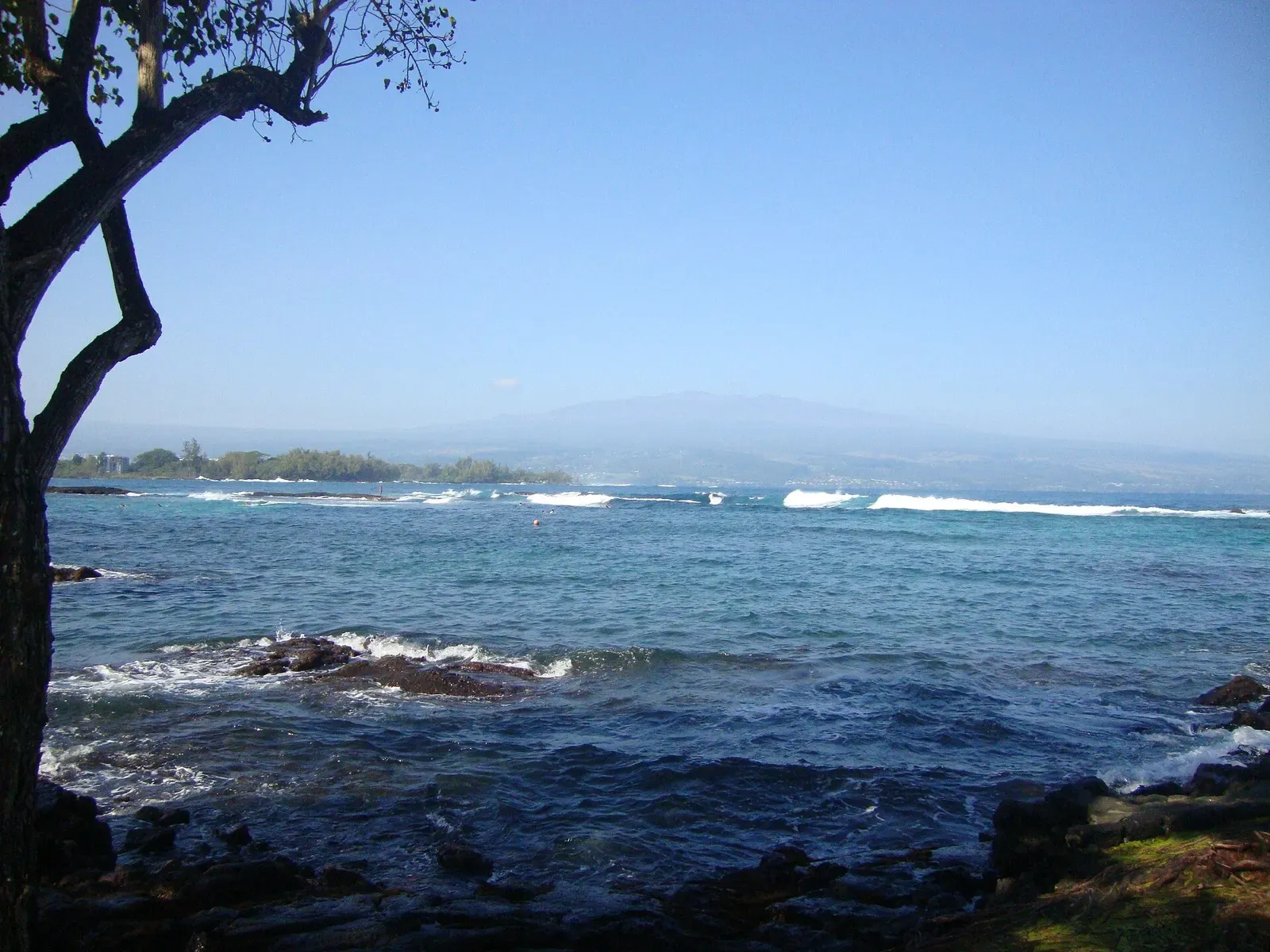
A diving day starts at a dive shop in Hilo. Guests meet there, and the shop drives divers and gear to the site for a shoreline entry into water framed by lava rock. The main shore site is Wai'olena, at Leleiwi, run as a guided single-tank dive; the same centre runs a two-tank boat trip to reefs outside Hilo Bay, a one-tank guided boat dive and a night dive. A second Hilo shop guides dives and snorkels at Leleiwi, Richardson Ocean Park, Carlsmith Beach Park and Puhi Bay.
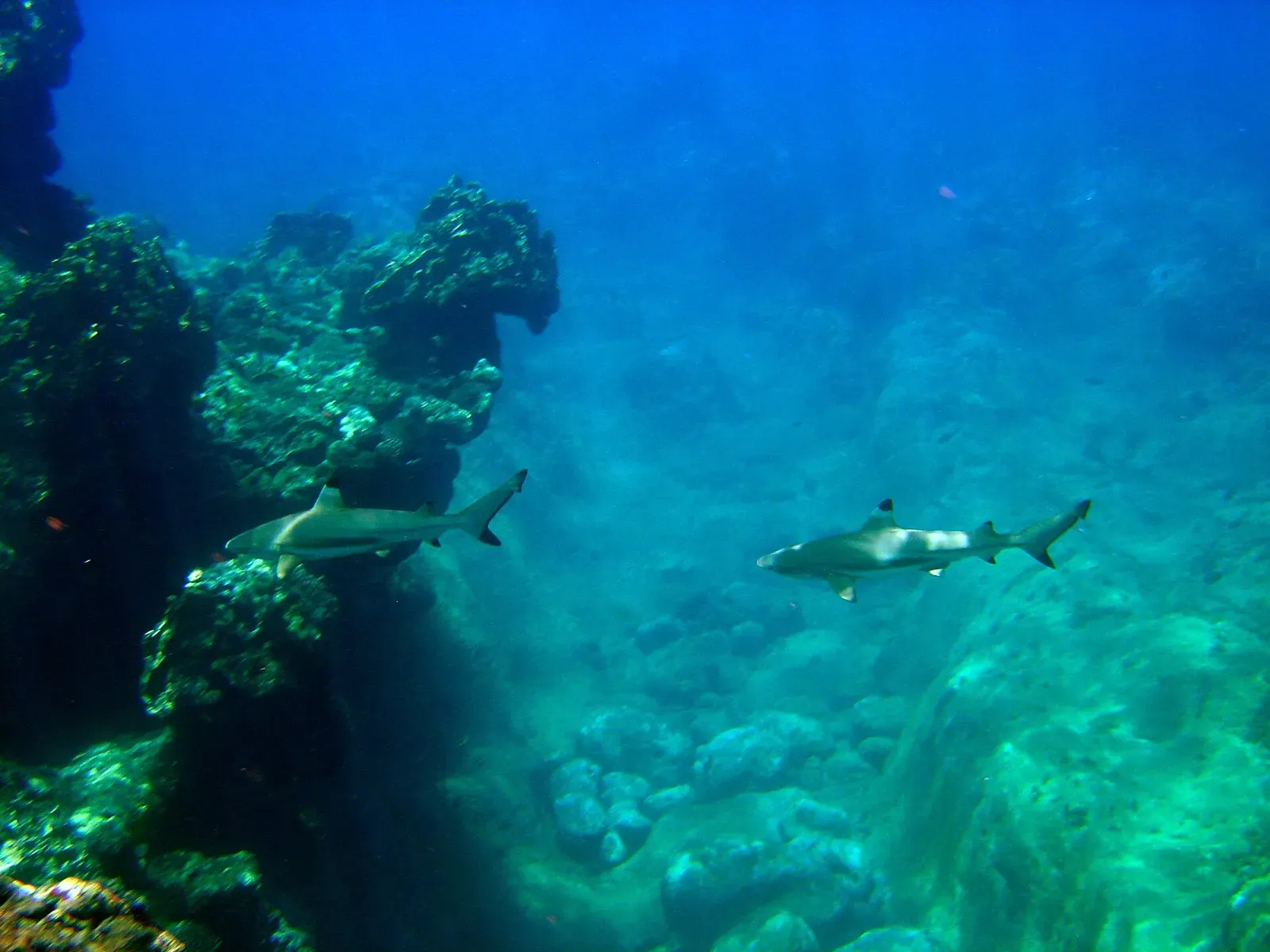
The seabed is volcanic: lava rock formations, lava shelves and coral growth, with coral gardens between them. Most dives run from 8 to 21 m (25 to 70 ft), and night dives from 6 to 18 m (20 to 60 ft). Green sea turtles graze among the coral heads and rest on the lava shelves, and moray eels, octopus and nudibranchs are the common sightings at Leleiwi. The east side is known for its ice ponds and freshwater springs, and the sea runs 24 to 27 °C (75 to 80 °F).
Hilo suits certified divers who are steady on an active shore entry and want quiet reefs with turtles; its reefs are not dived as much as those of Kailua-Kona or Maui. At Leleiwi, the entry over a'a lava and a shallow spring pool is awkward in any month and dangerous from November to March, when northwest swells arrive. Divers who would rather join the island's more-dived reefs should base themselves in Kailua-Kona, at the western end of the island and at least 2 hours' drive away, instead.
Best time to dive Hilo
| Jan | Feb | Mar | Apr | May | Jun | Jul | Aug | Sep | Oct | Nov | Dec |
|---|---|---|---|---|---|---|---|---|---|---|---|
| Fair | Fair | Fair | Good | Good | Good | Good | Good | Good | Good | Fair | Fair |
Northwest swells from November to March can make the lava-rock shore entry at Leleiwi dangerous, and the entry is awkward in any month.
Best months: April, May, June, July, August, September, October
Dive types & marine life
Green sea turtles (honu) are the reliable sighting, grazing among coral heads and resting on lava shelves at Wai'olena and turning up in the Carlsmith lagoons. Moray eels, octopus and nudibranchs are common at Leleiwi, and Wai'olena is also the night-dive site.
- Reef
- Night
- Sea turtles
- Octopus & cuttlefish
- Nudibranchs
Best dive sites in Hilo
- 1
Wai'olena Reef (Leleiwi)
Guided shore dive over lava formations and coral, 8 to 21 m (25 to 70 ft), with green sea turtles.
- 2
Richardson Ocean Park
Clear water and colourful reefs in conditions suited to families.
- 3
Puhi Bay
A deeper volcanic site over lava rock terrain, dived by certified divers.
- 4
Carlsmith Beach Park (Four Mile)
Calm lagoons used for snorkelling and turtle encounters.
Site guides
Shallow shore entry from steps or black sand into a calm bay
Six lava arches and turtles resting on lava shelves
How to get to Hilo
Hilo International Airport (ITO) serves Hilo and the eastern side of the Big Island. The dive shops are in town, and the guided shore dives at Wai'olena include round-trip transport of divers and gear from the shop to the site.
Photos from Hilo
dronepicr · CC BY 2.0
Dive videos
Short || Hilo Night Diving · Alexander Finden Cinematography on YouTube
Honu (turtles!) and friends. Scuba diving Leleiwi, Hilo Hawaii · Kaleo Kihohikane on YouTube
Questions divers ask
What certification does diving at Hilo need?+
Certified divers who are comfortable with an active shore entry over lava rock. At Leleiwi the entry over a'a lava and a shallow spring pool is awkward in any month.
When is shore diving at Hilo rough?+
Northwest swells from November to March can make the lava-rock shore entry at Leleiwi dangerous, and the entry is awkward in any month.
How does a diving day at Hilo work?+
Guests meet at a dive shop in Hilo, and the shop drives divers and gear to the site for a shoreline entry. Guided shore dives at Wai'olena include round-trip transport, and a two-tank boat trip runs to reefs outside Hilo Bay.
Are there turtles at Hilo?+
Green sea turtles (honu) are the reliable sighting, grazing among coral heads and resting on lava shelves at Wai'olena and turning up in the Carlsmith lagoons. Moray eels, octopus and nudibranchs are common at Leleiwi.
Sources
- Hilo Ocean Adventures — Hilo Ocean Adventures
- Hilo Scuba Diving — Hilo Scuba Diving
- 1 Tank Shore Dive – Wai'olena Beach — Hilo Ocean Adventures
- Night dive — Hilo Ocean Adventures
- Leleiwi dive site — PADI
- My Favorite Dives Around Hilo — One World One Ocean
- Hilo – Wikivoyage — Wikivoyage
Photo credits
- Aerial view of Hilo Bay, its long breakwater and the town spreading up the slopes behind by KanoaWithington at English Wikipedia (Kanoa Withington), CC BY-SA 3.0, via Wikimedia Commons
- A school of striped convict tangs over lava rock boulders in green-blue water off a Hilo beach by dronepicr, CC BY 2.0, via Wikimedia Commons
Embed
Run a dive centre, club or blog? Embed this map of 2 dive sites near Hilo on your own page.
Similar destinations
Wrecks from two wars touching in Apra Harbor, plus the Blue Hole sinkhole
Pacific Islands
Kauaʻi — Poipu & the South Shore
United States
Green turtles on nearly every dive along a sheltered lava coast

Manta rays glide through diver spotlights on Kona's nightly manta dive.


.jpg)
Molokini's crater wall and Lānaʻi's skylit lava caverns