
Hin Daeng & Hin Muang · Thailand · Wall · Pinnacle
Hin Daeng Wall
Red soft-coral drop-off with a silver wall of trevally
Area photo: portioid · CC BY-SA 4.0
Hin Daeng, the red rock, is an offshore pinnacle about 50 km south of Ko Lanta whose walls are covered in soft corals in shades of red. Dives are planned in the 25 to 40 metre band, working the drop-off out of the current, and the site is best known for the chance of giant manta rays passing. Grey reef sharks and leopard sharks patrol below.
Also known as Red Rock.
Where it is and how deep
7.1461° N, 98.8240° EApproximate position — the dashed circle shows where the site lies; your operator's briefing has the mooring.
The dive
Nothing above water suggests what is below. Hin Daeng shows only bare rock at the surface, and the pinnacle beneath it falls away from about 5 metres to past 40, with dives planned as deep diving in the 25 to 40 metre band. You drop in beside the rock and work the drop-off rather than covering ground, with healthy soft corals in shades of red on the walls the whole way along.
Current can be strong here, and the practical answer underwater is to pick the leeward side, where the boulder walls give plenty of shelter. From there the dive is about watching the blue as much as the rock. Grey reef sharks and leopard sharks patrol the deeper water, and one of the most striking sights on the site is a silver wall of trevally cruising past.
Manta rays are what Hin Daeng is famous for, and whale sharks turn up on the same walls far less predictably. Visibility runs between 15 and 40 metres and is usually in the 20 to 30 metre range, dropping only during the monsoon season, and the water sits at 27 to 30°C. The site lies within Thailand's Mu Koh Lanta National Marine Park, and plenty of small-scale action goes on among the soft corals for divers who look closely.
Marine life and season
- Manta rays
- Whale sharks
- Reef sharks
- Trevally & jacks
- Pristine corals
| Jan | Feb | Mar | Apr | May | Jun | Jul | Aug | Sep | Oct | Nov | Dec |
|---|---|---|---|---|---|---|---|---|---|---|---|
| Prime | Prime | Prime | Prime | Fair | Off-season | Off-season | Off-season | Off-season | Fair | Good | Prime |
Season follows Hin Daeng & Hin Muang: Only reliably diveable November-April; southwest monsoon swell makes the exposed pinnacles too rough May-October.
Know before you go
- Current can be strong on this exposed offshore pinnacle; shelter on the leeward side of the boulder walls and stay close to the rock.
- The formation runs from about 5 metres to beyond 40, so this is deep diving on a schedule — set depth and gas limits before entry rather than following the wall down.
Dive videos
Scuba Diving at Hin Daeng / Hin Muang - Koh Lanta - Thailand [4K] · dobby unleashed on YouTube
Questions divers ask
How deep is Hin Daeng?+
Dives are typically planned in the 25 to 40 metre range. The formation runs from about 5 metres near the top of the rock to beyond 40 metres on the drop-off, so operators treat it as a deep dive.
Can beginners dive Hin Daeng?+
No. Operators rate the site for advanced divers, and newly certified divers may find the diving here too challenging: it is deep, well offshore, and the current can be strong.
How do you get to Hin Daeng?+
By boat only. It sits about 50 km south of Ko Lanta, roughly two hours away by dive boat, or 1 hour 20 minutes by speedboat from Koh Phi Phi. Phuket is around 100 km off, about five hours each way.
Sources
- Hin Daeng dive site — Divezone
- Hin Daeng and Hin Muang diving sites, Thailand — Dive The World
In The Logbook
- How long does a tank of air last?Gear & kit · 9 min read
- Why is the sea blue? Water filters out redOcean science · 7 min read
- Where to dive with whale sharks, month by monthBig animals · 16 min read
More dive sites in Hin Daeng & Hin Muang
Pinnacle
Purple soft-coral wall dropping past recreational limits
Similar dives elsewhere

Two plateaus on the Red Sea's only atoll, hammerheads at 45 m
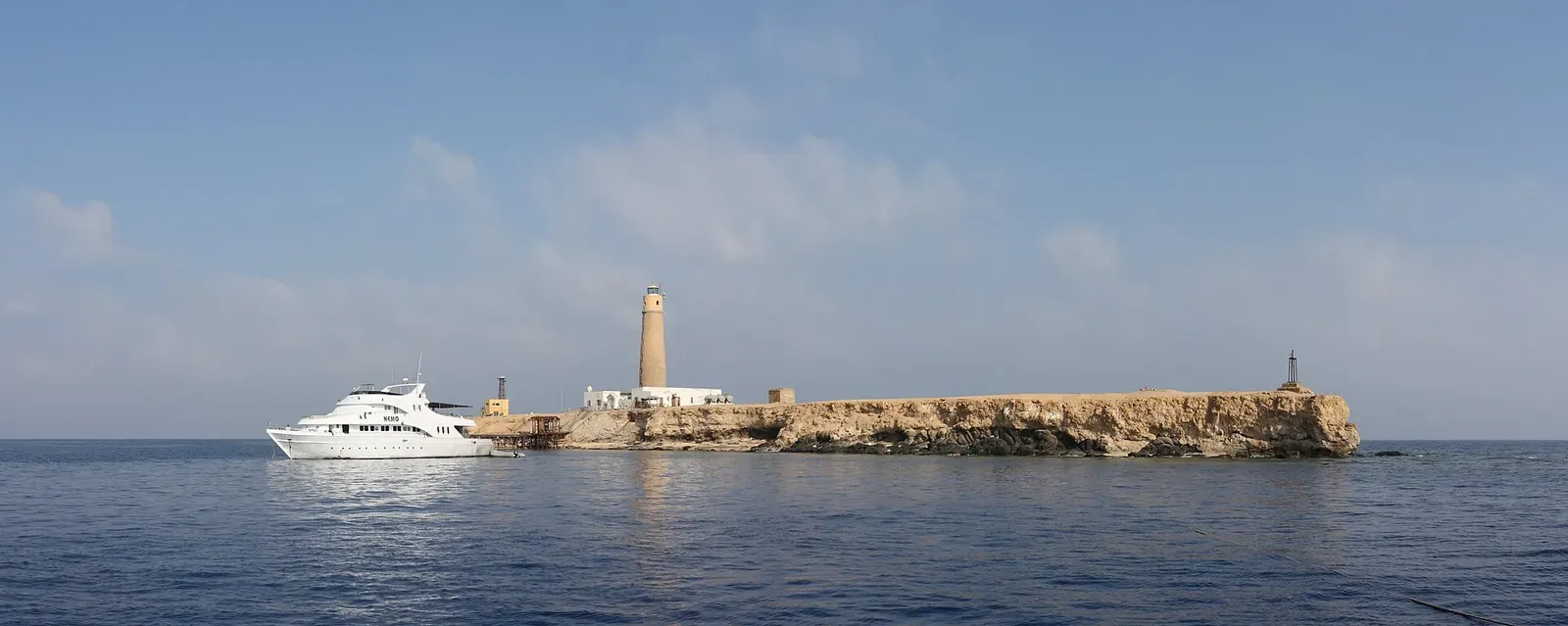
Sheer wall, constant current and two ships draped down the same rock
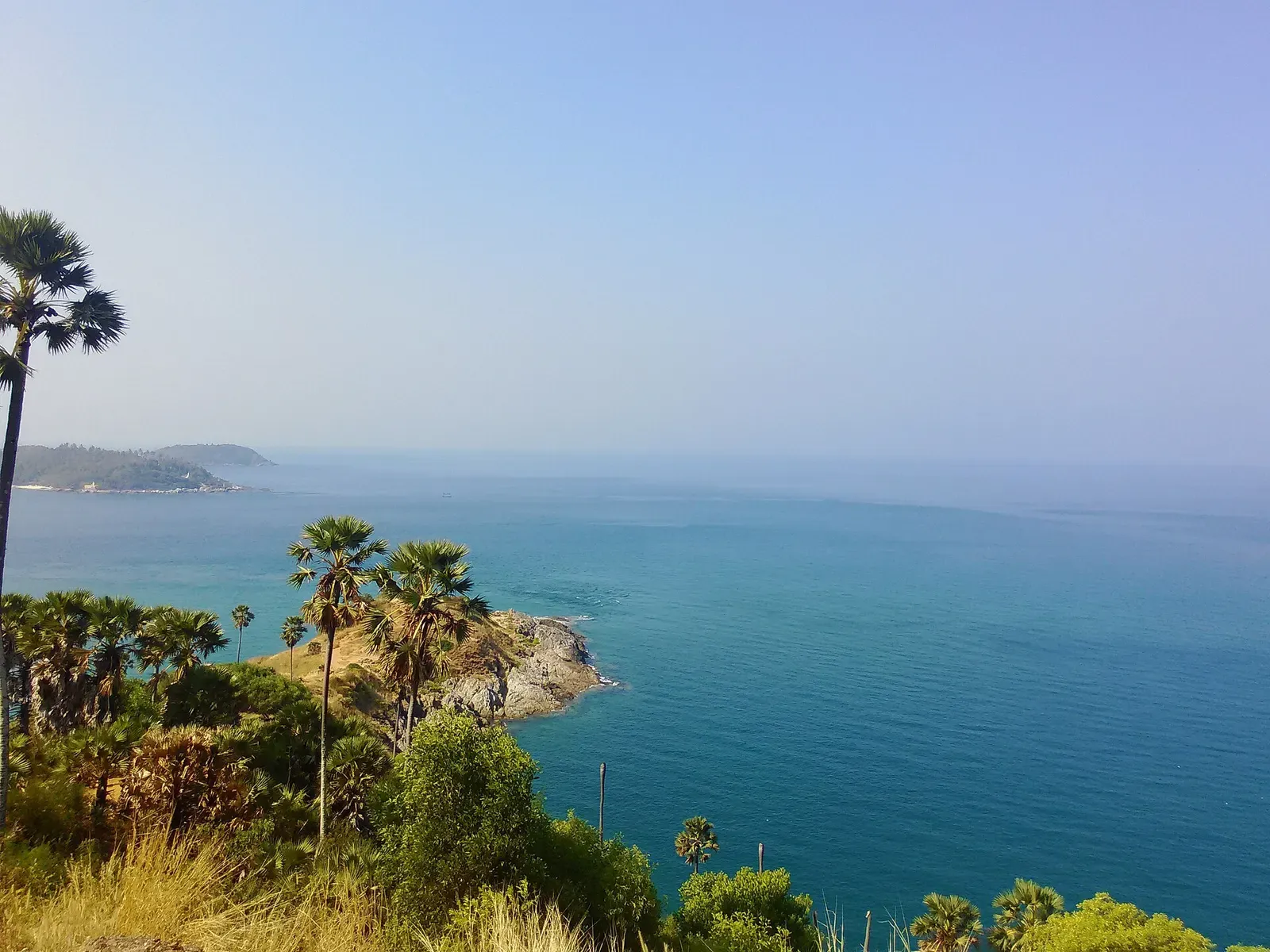
Large schools of barracuda on an exposed pinnacle in strong current
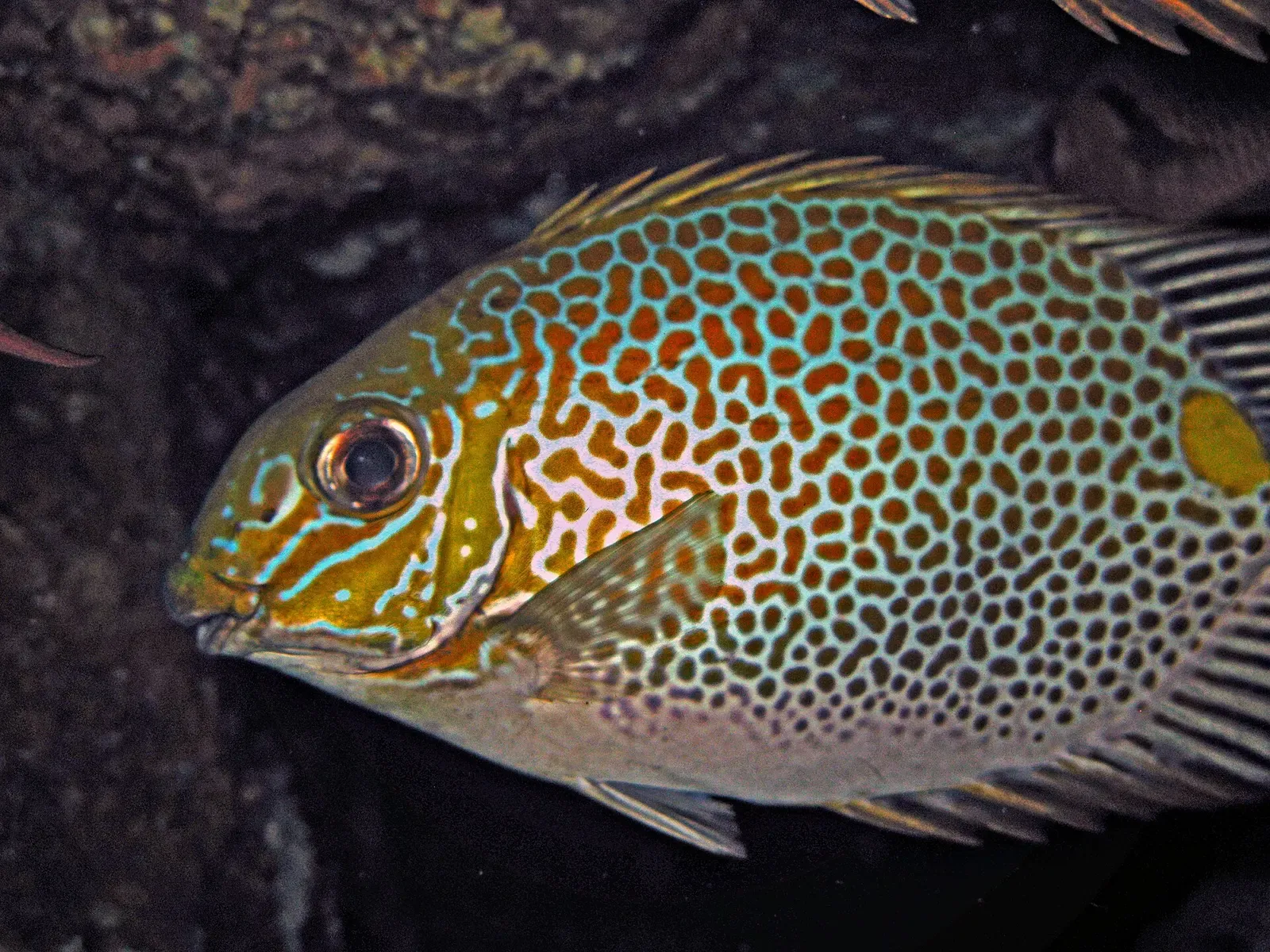

Granite arches at the exposed north end of the chain