Islas Catalinas · Costa Rica · Pelagic & blue water · Drift
Punta Catalina
The main site for oceanic manta rays in the winter months
Punta Catalina lies on the south point of the Islas Catalinas and is the main site for oceanic manta rays in the winter months. The bottom slopes away to about 30 m (100 ft) for divers who swim out from the point, and like every dive at the islands it is run as an unanchored drift.
Also known as Punta Catalinas.
Where it is and how deep
10.4765° N, 85.8702° WApproximate position — the dashed circle shows where the site lies; your operator's briefing has the mooring.
The dive
Punta Catalina is the south point of the Catalinas chain. Boats do not anchor at the islands, so the dive is run as a drift: the group descends together from the boat and the current sets the course. The site slopes down from the point, and the deepest part of the usual profile, about 30 m (100 ft), is reached by swimming out a little from it.
The reason to dive the point is the oceanic manta ray. This is the main site in the islands where oceanic mantas are seen, and they come in the winter months. Devil rays, eagle rays, whitetip reef sharks and moray eels are also reported here. Every dive at the islands is an unanchored drift reserved for advanced divers comfortable with deeper profiles and changing conditions.
Marine life and season
- Manta rays
- Mobula rays
- Eagle rays
- Reef sharks
| Jan | Feb | Mar | Apr | May | Jun | Jul | Aug | Sep | Oct | Nov | Dec |
|---|---|---|---|---|---|---|---|---|---|---|---|
| Prime | Prime | Prime | Prime | Good | Fair | Fair | Fair | Fair | Fair | Prime | Prime |
Season follows Islas Catalinas: Manta trips run November to April, with mantas reported into May; the rest of the year the islands dive for sharks, rays and fish schools.
Know before you go
- Boats do not anchor, so every dive is an open-water drift in changing conditions.
- The offshore islands are exposed to surge, stronger currents and open-ocean swells.
Dive videos
Punta Catalina Costa Rica SCUBA Diving · Huber Travel on YouTube
Questions divers ask
When are manta rays seen at Punta Catalina?+
Oceanic manta rays are seen at Punta Catalina in the winter months; it is the main manta site of the Islas Catalinas.
Sources
- Punta Catalina — Scubago
- Dive sites Islas Catalinas-Catalina Island — Deep Blue Diving
More dive sites in Islas Catalinas
Similar dives elsewhere

Hammerheads and mantas on current-swept pinnacles near Bab el-Mandeb
Pelagic & blue water
Big Scare
Bat Islands · Costa Rica
Giant Pacific mantas turn up on the bull shark dive
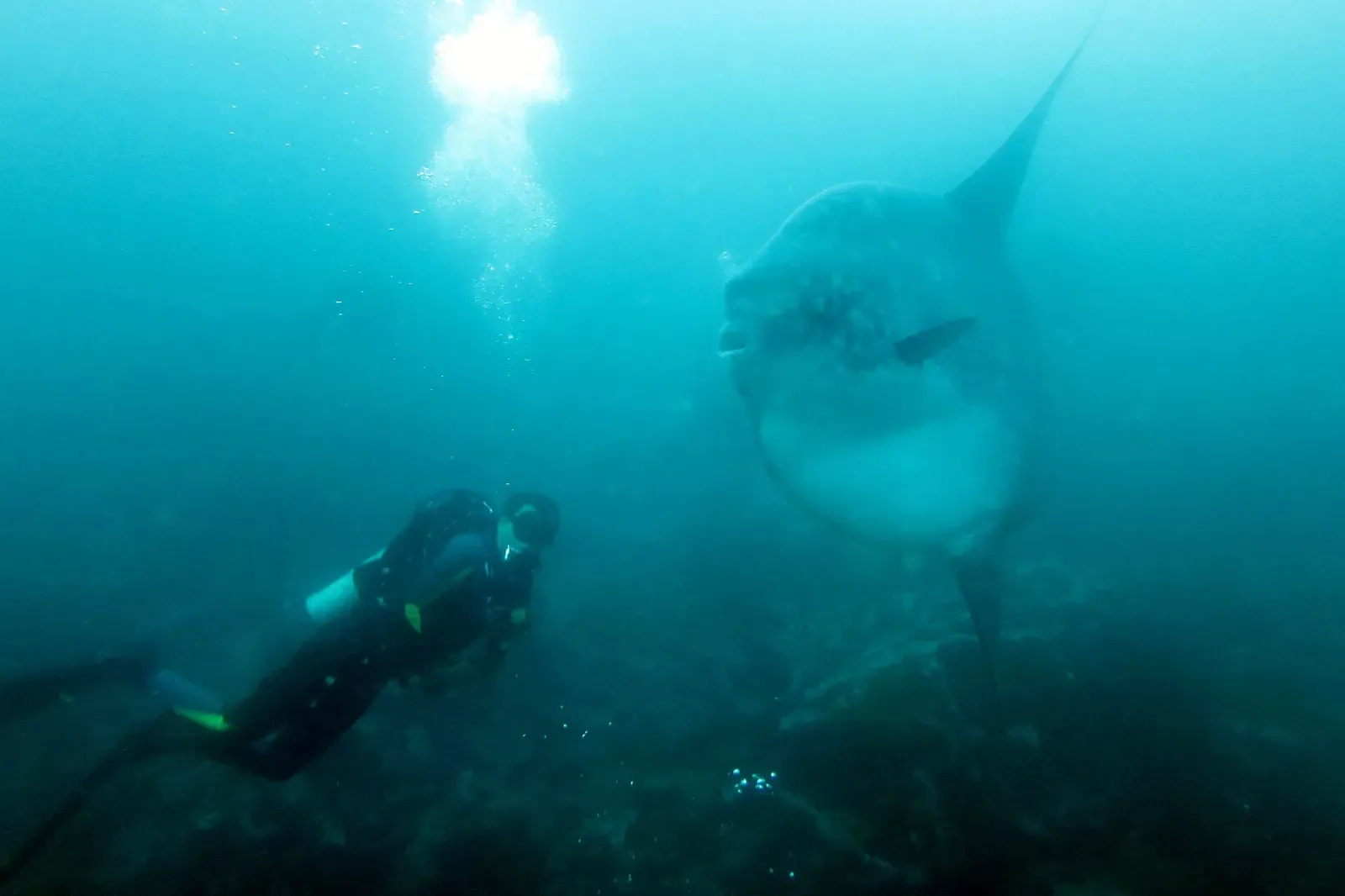
A manta cleaning station on Isabela's shoreline, current gentler than Darwin or Wolf
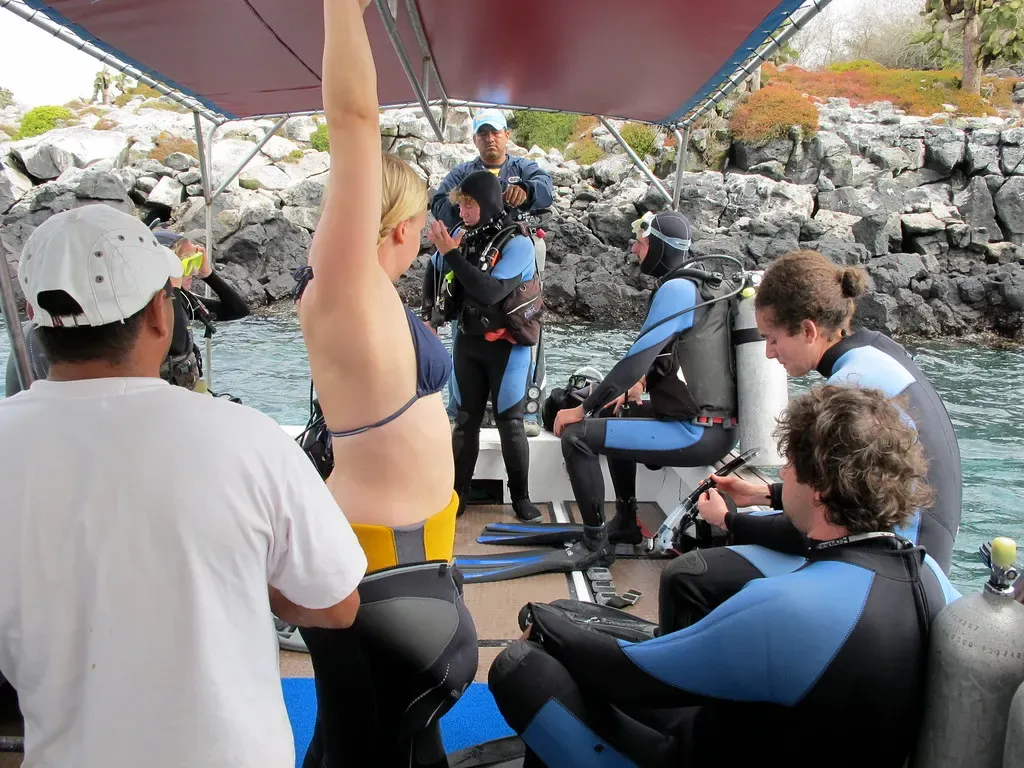
Hammerhead schools at cleaning stations inside a volcanic crater