
Djibouti · Djibouti · Pelagic & blue water · Pinnacle · Drift
Sept Frères Islands
Hammerheads and mantas on current-swept pinnacles near Bab el-Mandeb
Area photo: CNE CNA C6F · Public domain
A chain of six volcanic islands running about 10 km east to west near the Bab el-Mandeb strait, where the Red Sea meets the Gulf of Aden and the current runs hard. The diving is pinnacles and blue water rather than sheltered reef, with hammerhead sharks, manta rays, mobulas and giant jacks over schooling fish. It is liveaboard ground, three to four hours by boat from Obock.
Also known as Seven Brothers Islands, Sawabi Islands, Îles des Sept Frères.
Where it is and how deep
12.4606° N, 43.4242° EPublished position for this site.
The dive
Getting here is part of the dive. It is roughly three to four hours across open water from Obock, on a crossing that can be rough in the monsoon, which is why the islands are worked from liveaboards rather than day boats. The archipelago proper is six volcanic islands strung over about 10 kilometres in a rough east-west line; the seventh brother is not an island at all but the volcanic hill at the northern tip of the Ras Siyyan peninsula.
The water moving through the Bab el-Mandeb strait, where the Red Sea meets the Gulf of Aden, is what makes the diving. Entries are timed and the profile is dictated by the current rather than by the reef, with underwater pinnacles holding schools of fish and the pelagic traffic that follows them: hammerhead sharks, manta rays, mobulas, giant jacks and snapper. Current and depth put many of these sites beyond newer divers, so the archipelago is worked by experienced groups.
Background
UNESCO designated the islands biosphere reserves in 2025, and they support a breeding colony of lesser and greater crested terns. Liveaboard itineraries pair the archipelago with the wreck of the Italian submarine Evangelista Torricelli, a Brin-class boat 72.47 metres long, scuttled in the Red Sea on 23 June 1940 after an engagement with the British destroyers Kandahar, Khartoum and Kingston and the sloop Shoreham; she sits upright at 25 metres.
Marine life and season
- Hammerheads
- Manta rays
- Mobula rays
- Trevally & jacks
- Reef fish swarms
| Jan | Feb | Mar | Apr | May | Jun | Jul | Aug | Sep | Oct | Nov | Dec |
|---|---|---|---|---|---|---|---|---|---|---|---|
| Good | Good | Prime | Prime | Prime | Off-season | Off-season | Off-season | Off-season | Prime | Prime | Good |
Sea conditions limit access to the calm seasons of October-November and March-May; the southwest monsoon from June to September leaves the islands largely inaccessible.
Know before you go
- Powerful current runs through the Bab el-Mandeb strait here, so dives are timed and run as advanced drift profiles rather than as free-swum reef dives.
- The three to four hour open-water crossing from Obock can be rough during monsoon periods, so trips depend on a settled forecast rather than a fixed schedule.
Questions divers ask
How do you get to the Sept Frères Islands?+
By liveaboard. It is roughly a three to four hour boat journey from Obock across open water that can be rough in the monsoon, so the islands are dived as a multi-day charter rather than a day trip.
When is the best time to dive the Seven Brothers?+
March to May and October to November, the calm seasons. The southwest monsoon from June to September brings strong winds and rough seas that leave the islands largely inaccessible to small boats.
Sources
- Seven Brothers Islands — Wikipedia
- Diving in the 7 Brothers Archipelago — Djibouti Diving
- Best Diving sites in Djibouti — Divezone
- Djibouti's Top 10 Scuba Diving Sites — The Scuba News
- Seven Brothers trip — Dolphin Excursions
- Seven Brothers Islands, Djibouti: Ratings & Visitor Guide — International Parks
- Brin-class submarine — Wikipedia
- Diving in Djibouti - Seven Brothers, Gulf of Tadjoura — Dive The World
In The Logbook
- When and where to dive with hammerheadsBig animals · 16 min read
More dive sites in Djibouti
Pelagic & blue water
Breath-hold encounters with juvenile whale sharks feeding at the surface
Cave & cavern
Swim through a coral-covered rift between two tectonic plates
A 135-metre cargo ship turned artificial reef, on her port side
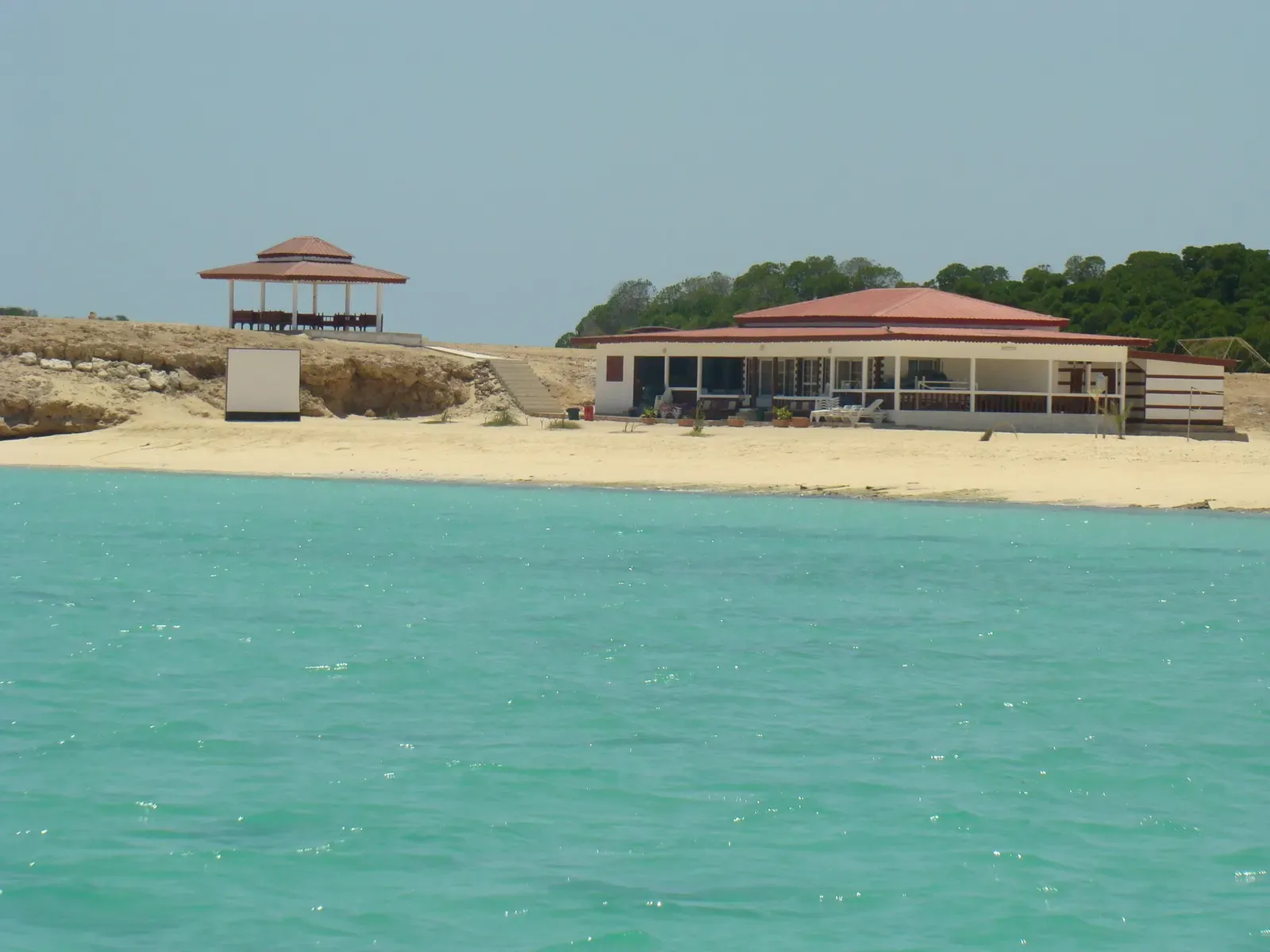
Shallow coral gardens and deeper drop-offs, 30 to 45 minutes from the city
Similar dives elsewhere
Pelagic & blue water
Punta Catalina
Islas Catalinas · Costa Rica
The main site for oceanic manta rays in the winter months
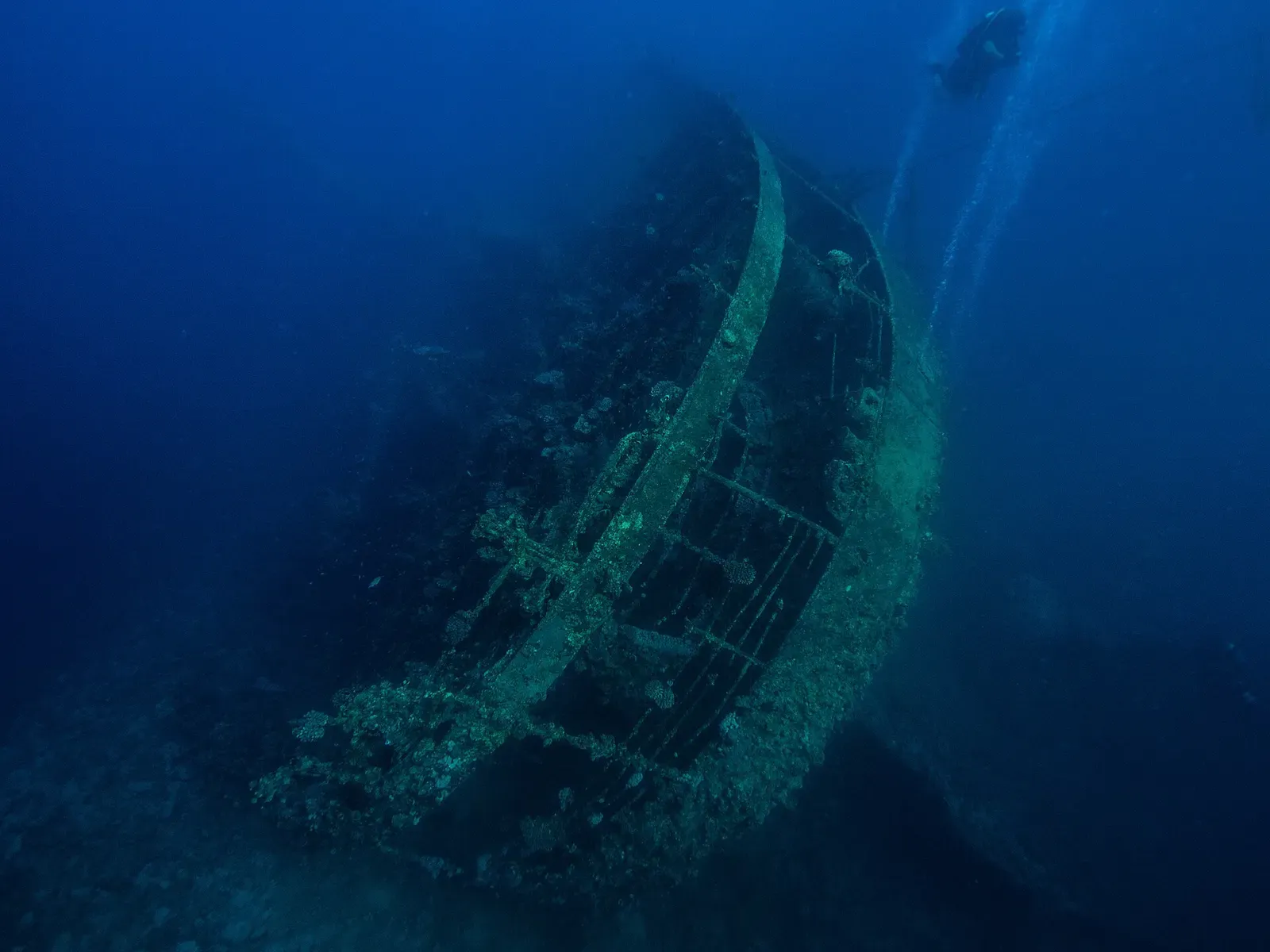
Mother of Sharks: hammerheads and tigers on a lone pinnacle
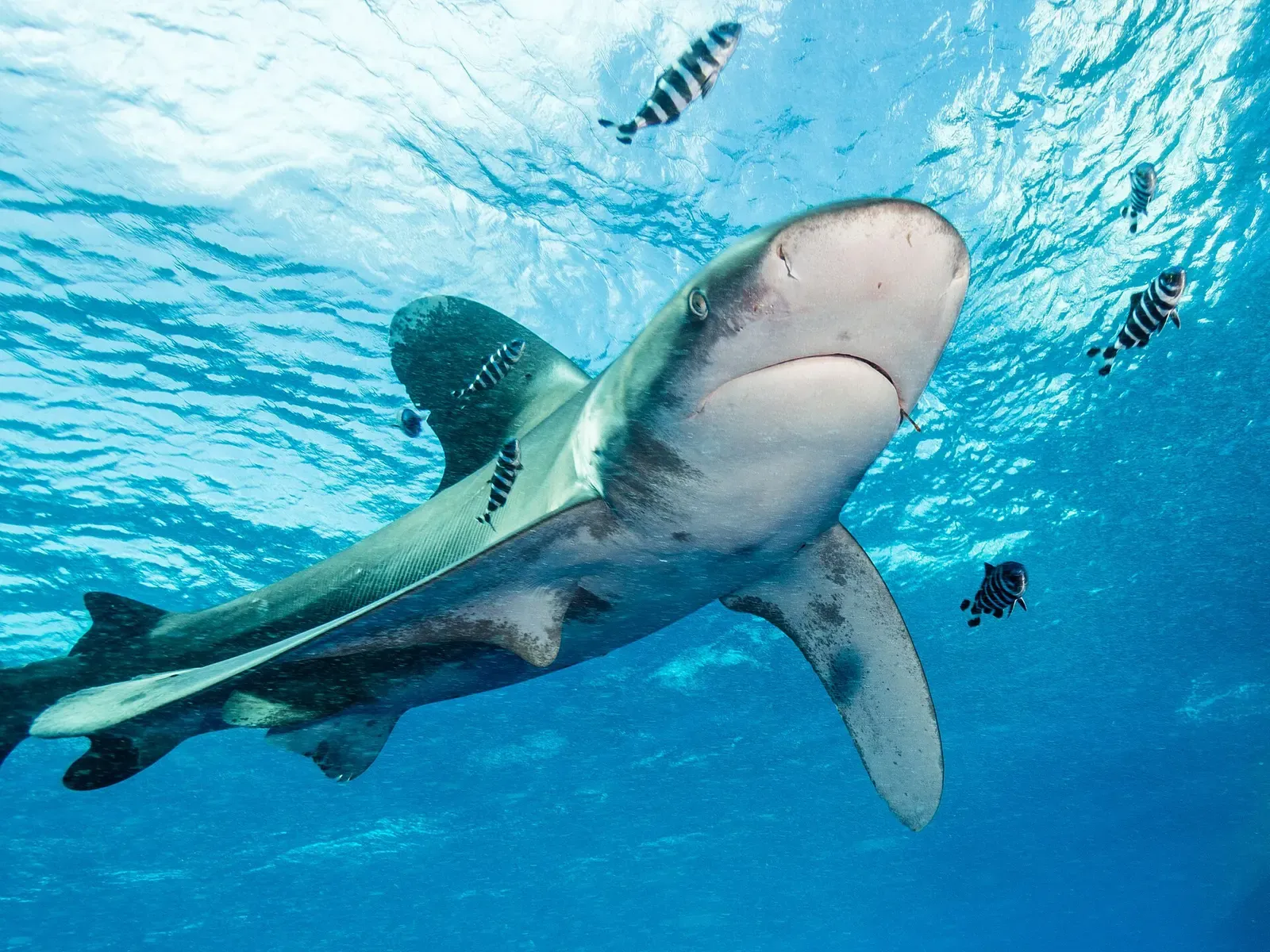
Best chances of oceanic whitetips run from October to December.
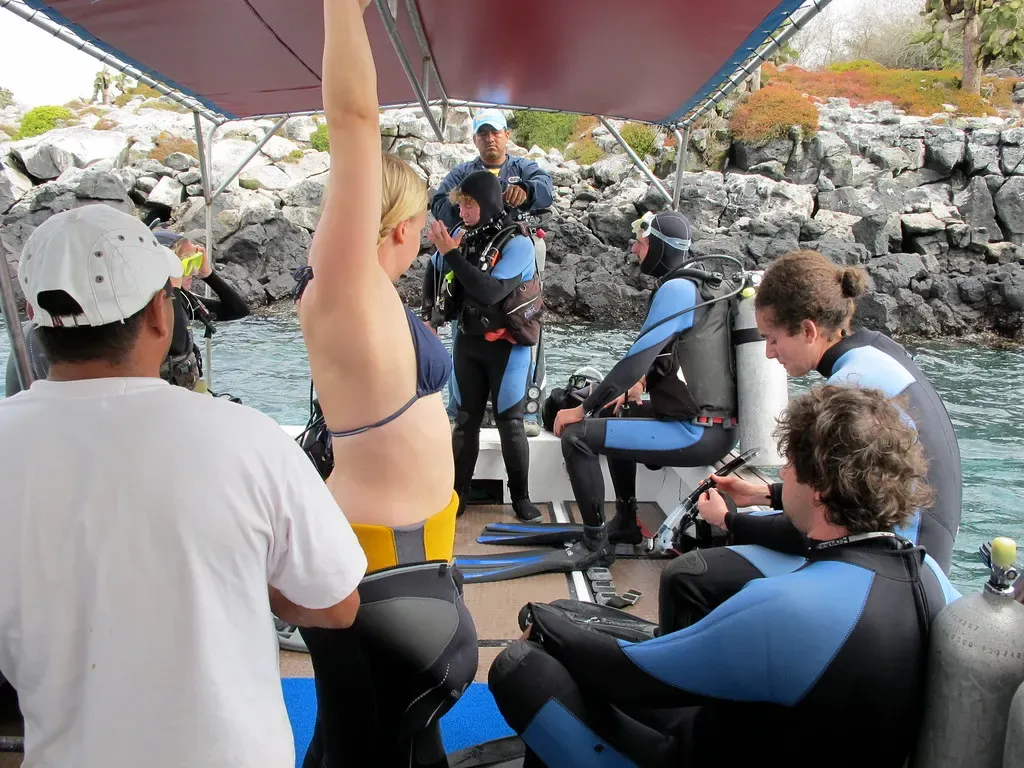
Hammerhead schools at cleaning stations inside a volcanic crater