Kea Channel · Greece · Wreck · Reef
Apollonia Wreck
A scattered cargo wreck on a reef running from 2 m to 35 m
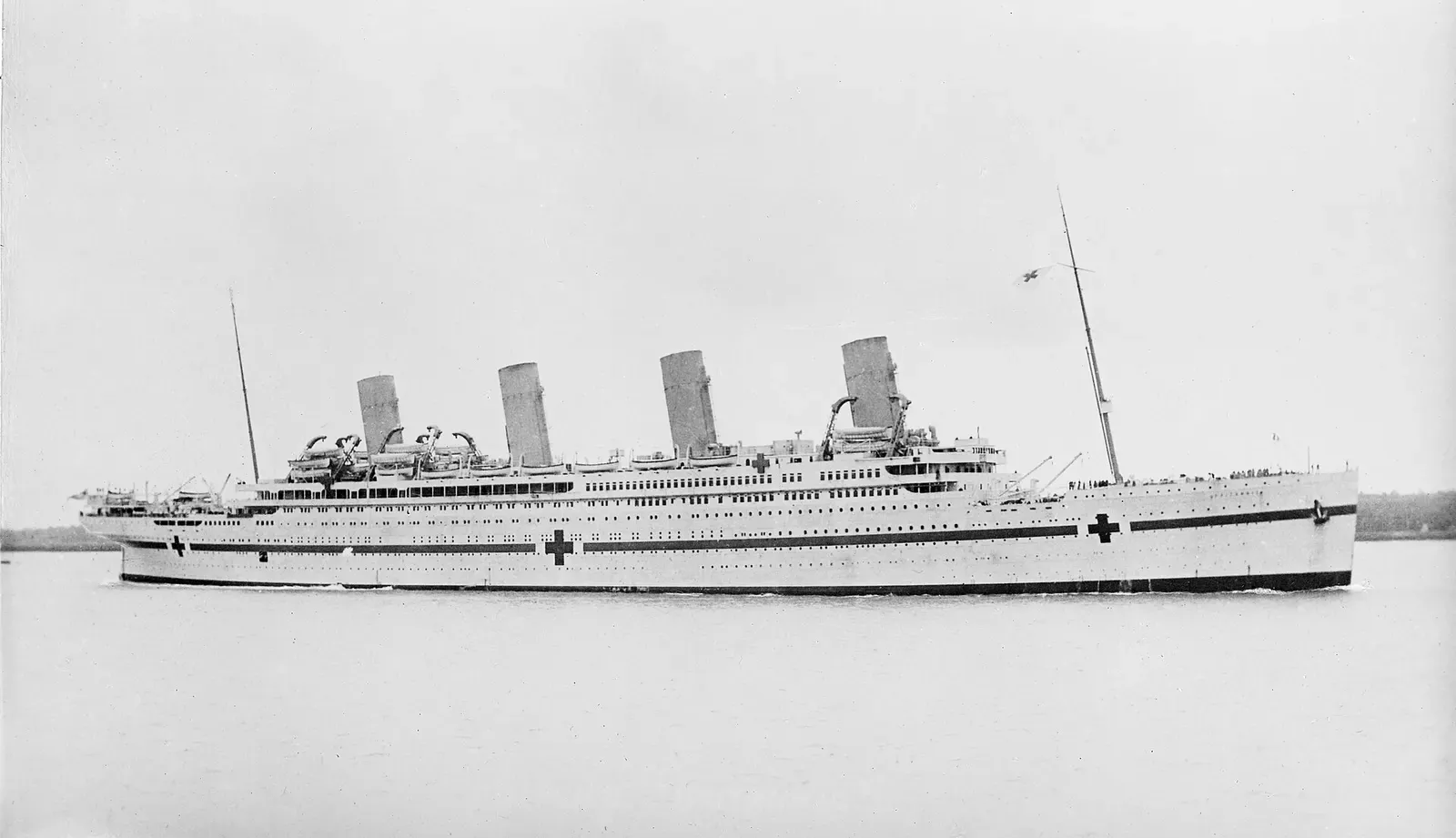
Area photo: Allan C. Green · Public domain
The broken remains of the cargo ship Apollonia lie on a reef off Makronissos that runs from 2 m down to around 35 m. The hull is scattered, with the stern the least destroyed section, and the wreckage and reef together hold groupers, big schools of baitfish and sardines, nudibranchs, crinoids and octopus.
Where it is and how deep
37.7621° N, 24.1328° EPublished position for this site.
The dive
This is a reef dive with a wreck on it rather than a wreck dive with reef around it. The ground runs from a minimum of 2 m down to about 35 m, and the remains of the cargo ship Apollonia are spread across it. The hull is broken up and scattered, so there is no single silhouette to follow; the stern is the least destroyed part of the ship and the rest of her is debris.
Conditions decide whether this dive happens at all. Strong current is more common here than not, and the published description calls the site difficult to dive unless the seas are calm, so a trip out to it is booked against the forecast rather than the calendar. Depth is the other constraint: the wreckage lies across a range that reaches about 35 m, which puts the deeper part of the site on a short clock.
The life is dense across both the wreckage and the reef. Groupers of several kinds hold in the broken structure, and big schools of baitfish, sardines and damselfish move over it. Slowing down on the plating turns up nudibranchs, crinoids, octopus and lionfish, and colourful sponges cover much of the hard surface.
The wreck
- Vessel
- Apollonia
- Type
- Cargo ship
- Cause
- Not recorded in published sources
- Lies
- Broken up and scattered across a reef between 2 and 35 m, with the stern the least destroyed section
Marine life and season
- Groupers
- Reef fish swarms
- Nudibranchs
- Octopus & cuttlefish
| Jan | Feb | Mar | Apr | May | Jun | Jul | Aug | Sep | Oct | Nov | Dec |
|---|---|---|---|---|---|---|---|---|---|---|---|
| Off-season | Off-season | Off-season | Fair | Good | Prime | Good | Good | Prime | Good | Fair | Off-season |
Season follows Kea Channel: Expeditions run roughly May–October; the Aegean meltemi blows hardest in July–August and the strait closes over winter.
Know before you go
- Strong current is more common than not here and the site is only diveable in calm seas — check the forecast and accept the trip being called off.
- The wreck is broken up and scattered rather than intact: stay off the loose structure and treat the debris field as no place to penetrate.
Questions divers ask
How deep is the Apollonia wreck?+
The site runs from a minimum of 2 m on the reef down to around 35 m, with the wreckage scattered across that range. The deeper end puts it outside a beginner profile.
When can you dive the Apollonia wreck?+
Only in calm seas. Strong currents are more common here than not, and the site is described as difficult to dive unless conditions are settled, so trips are weather-dependent.
Sources
- Apollonia wreck — Scubago
More dive sites in Kea Channel
Wreck
Largest intact passenger shipwreck on any seabed, found by Jacques Cousteau in 1975
The canyon exit opens onto a wall that falls to 45 m
Wreck
An 1868 paddle steamer, broken in two with a paddle wheel still in place
Wreck
An intact light aircraft on the bottom between 16 and 22 m
Wreck
Sunk by the same minefield as HMHS Britannic, seven days before her
Similar dives elsewhere
A small wreck at 22 m reached over rock clusters full of macro
A small boat at 18 m with mast and boxes intact, two more hulls at 27 m
Groupers hold in the frames of a scuttled minesweeper

A burned wooden steamer on sand at 16–17 m, dived at Open Water level