Atlantic · Spain
La Graciosa & the Chinijo Archipelago
Fish-packed volcanic labyrinths in one of Europe’s largest marine reserves
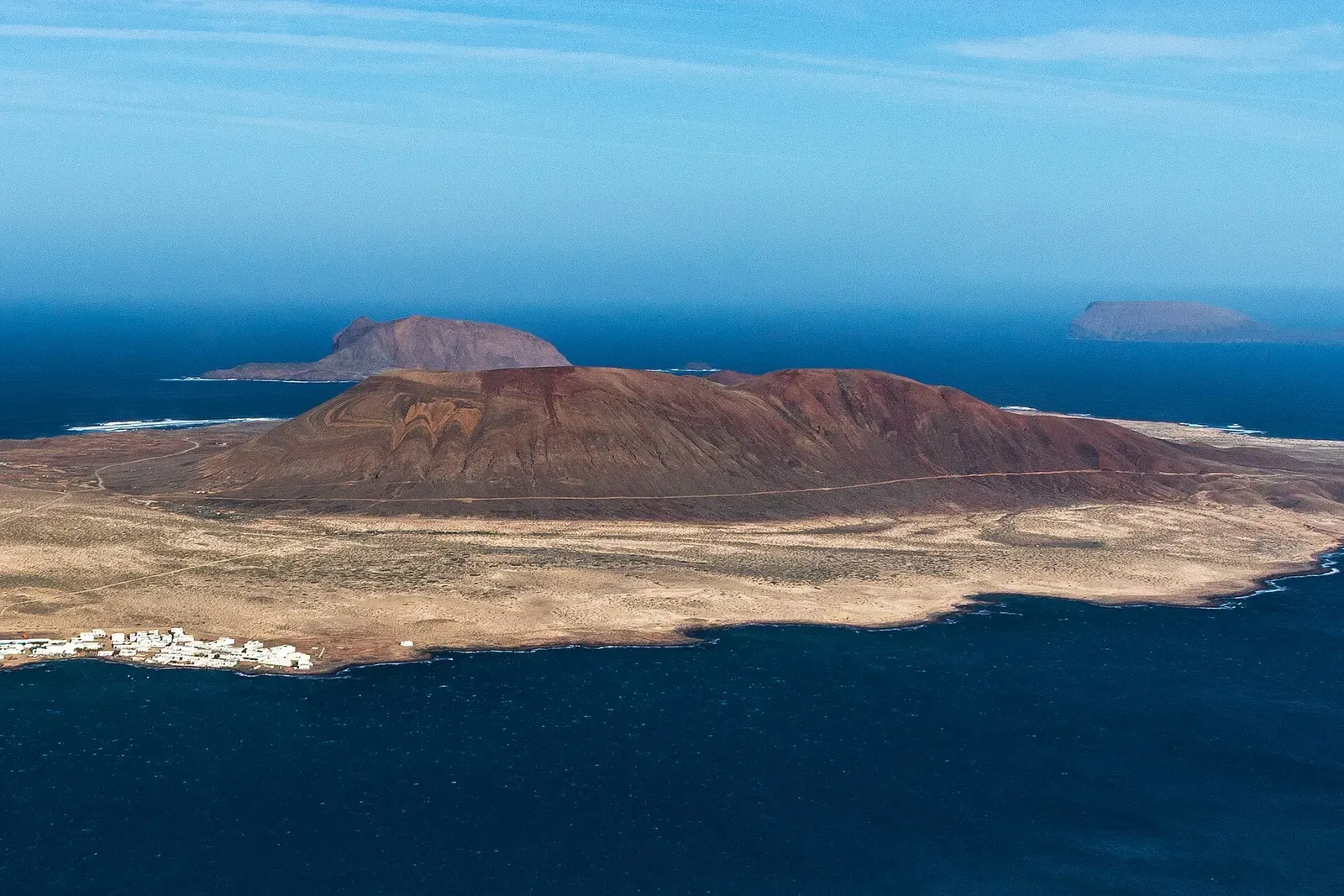
Photo: MiljenkoSuljic · CC BY-SA 4.0
La Graciosa sits off the north of Lanzarote inside the Chinijo Archipelago marine reserve, at 70,000 hectares one of the largest in Europe. Its rough volcanic seabed is full of caves, tunnels and ledges, and most dives run from 2 to 26 m at sites such as La Burrera, Las Anclas and Los Roncadores, with deeper ground to 40 m at the Gerardias. Divers come for fish life: La Burrera counts as one of the best dives in the Canary Islands.
About diving in La Graciosa & the Chinijo Archipelago
Diving here starts in Caleta de Sebo, the island’s harbour village, where a dive centre in the port runs the boats and rents out kit. Almost every site is a boat dive inside the reserve: more than 20 sites lie within it, La Burrera is about half an hour out, and excursions reach as far as Alegranza. La Burrera is dived only when the ocean and current conditions are right.
The seabed is rough volcanic rock, steep and irregular, with plenty of caves and tunnels typical of volcanic islands and thousands of nooks and crannies. Shoals of grunt, striped seabream and horse mackerel hang over the rock, large groupers and Bermuda chub hold in the gaps, and Canarian lobsters shelter in the cracks. Stingrays sit on the sand, yellow barracuda and amberjacks pass by, and colonies of gerardia coral grow on the deeper ground. More than 700 species are recognised in the reserve.
It suits divers with some experience who want dense fish life and volcanic scenery. Newer divers are not shut out: El Acuario and Los Roncadores are rated easy, courses and dives run for all levels, and the island’s centre teaches Try Scuba, Open Water and Advanced courses. Mass tourism passed the island by, as it has no airport, so a visit here means a few unhurried days on a quiet island rather than a resort stay.
Best time to dive La Graciosa & the Chinijo Archipelago
| Jan | Feb | Mar | Apr | May | Jun | Jul | Aug | Sep | Oct | Nov | Dec |
|---|---|---|---|---|---|---|---|---|---|---|---|
| Good | Good | Good | Good | Prime | Prime | Prime | Prime | Prime | Prime | Good | Good |
May to October brings the warmest water and the best visibility; the mild climate keeps any month a reasonable time to come.
Dive types & marine life
The angel shark lives in the reserve, but it is an endangered species and seldom seen, so it is a bonus rather than a reason to book.
- Reef
- Cave & cavern
- Wall
- Groupers
- Reef fish swarms
- Stingrays
- Barracuda
- Trevally & jacks
Best dive sites in La Graciosa & the Chinijo Archipelago
- 1
La Burrera
Labyrinth of rocks, columns and ledges at 20–24 m with large groupers and Canarian lobster.
- 2
Las Anclas
Rock bar at 15–20 m strewn with anchors dropped since the 15th and 16th centuries.
- 3
Los Roncadores
Low-difficulty 'natural aquarium' of grunt shoals, with stingrays and amberjacks.
- 4
El Bajo de las Gerardias
Seabed at 27–40 m with the world's highest concentration of Gerardia savaglia coral.
- 5
Túnel de Lava
Submerged lava tunnel formed 30,000 years ago in one of the island's eruptive phases.
- 6
El Anfiteatro
Crescent-shaped wall on three levels from 18 to 36 m, set like an amphitheatre.
- 7
Cueva del Legionario
Cave dive from 22 to 40 m at one of the deepest points in the reserve.
- 8
El Acuario
Shallow, easy dive from the beach at La Caletilla, made for beginners and busy with fish.
Site guides
Cave & cavern
A sea cave in a cliff that shelters large jacks and sargos
The world's highest concentration of Gerardia savaglia coral
Reef
Large groupers and Canarian lobsters in a maze of rock columns
Reef
Raw volcanic seabed in its purest form
Anchors left on the seabed since the 15th and 16th centuries
How to get to La Graciosa & the Chinijo Archipelago
Fly to Lanzarote Airport (ACE), continue by bus, taxi or transfer to the port of Órzola at the island's northern tip, and take the 25-minute ferry to Caleta de Sebo on La Graciosa, where the dive centre and its boats are based.
Dive videos
Scuba diving El Roque, La Graciosa · JDScuba on YouTube
Questions divers ask
Is La Graciosa diving suitable for beginners?+
For the easy sites, yes: El Acuario is a shallow, easy dive from the beach and Los Roncadores is rated low difficulty. The island's centre runs Try Scuba, Open Water and Advanced courses.
How do divers get to La Graciosa?+
Fly to Lanzarote Airport (ACE), reach the port of Órzola by bus, taxi or transfer, then take the 25-minute ferry to Caleta de Sebo, where the boats leave from.
When is the best time to dive La Graciosa?+
May to October, when the water is warmest and visibility at its peak. The climate stays mild all year, so the other months remain an option.
Is La Graciosa a marine reserve?+
Yes. The Chinijo Archipelago reserve covers 70,000 hectares and is one of the largest marine reserves in Europe; the archipelago became part of the Chinijo Archipelago Natural Park in 1986.
Can divers see angel sharks at La Graciosa?+
They live in the reserve, but the angel shark is endangered and seldom seen, so no trip can count on one.
Sources
- Scuba Diving La Graciosa — Visit La Graciosa
- Dive sites in La Graciosa — Visit La Graciosa
- Weather in La Graciosa — Visit La Graciosa
- La Graciosa Divers — cursosdebuceo.com
- Diving in Lanzarote - La Graciosa — Canary Island Divers
- Diving en La Burrera — Hello Canary Islands
- La Graciosa — Wikivoyage
- Chinijo Archipelago — Wikipedia
- Scuba Diving in La Graciosa — Manawa
Photo credits
- Aerial view over a red-brown volcano on a flat sandy island, with white houses on the shore and two more islands out at sea by MiljenkoSuljic, CC BY-SA 4.0, via Wikimedia Commons
Embed
Run a dive centre, club or blog? Embed this map of 5 dive sites near La Graciosa & the Chinijo Archipelago on your own page.
Similar destinations
Atlantic
Azores — São Miguel
Portugal
The WWII Liberty ship Dori in 21m, minutes off Ponta Delgada

Around three hundred charted wrecks, most of them shallower than 20 m
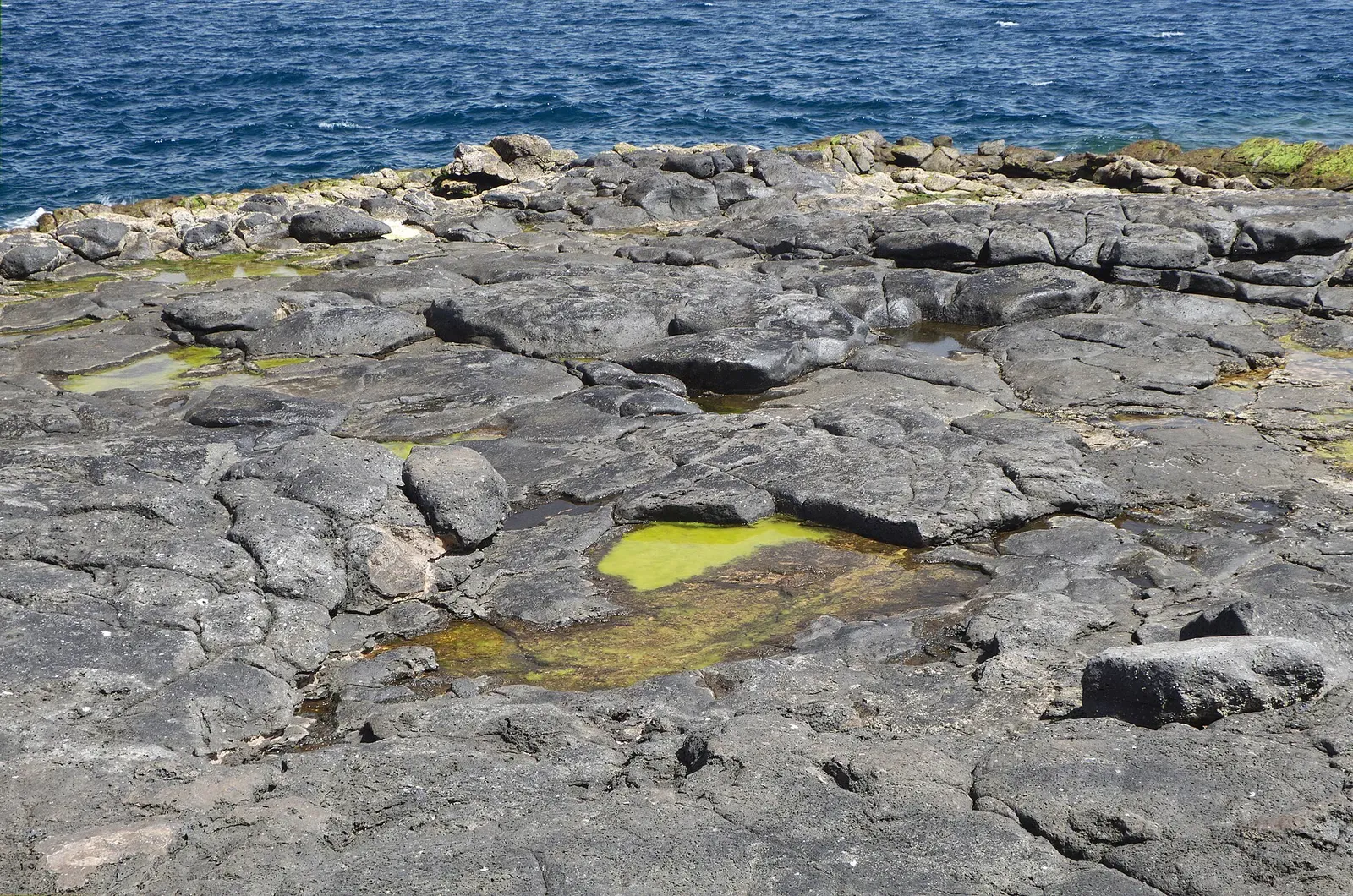
A 1.5 km volcanic reef stepping from 7 m to past 40 m off Caleta de Fuste
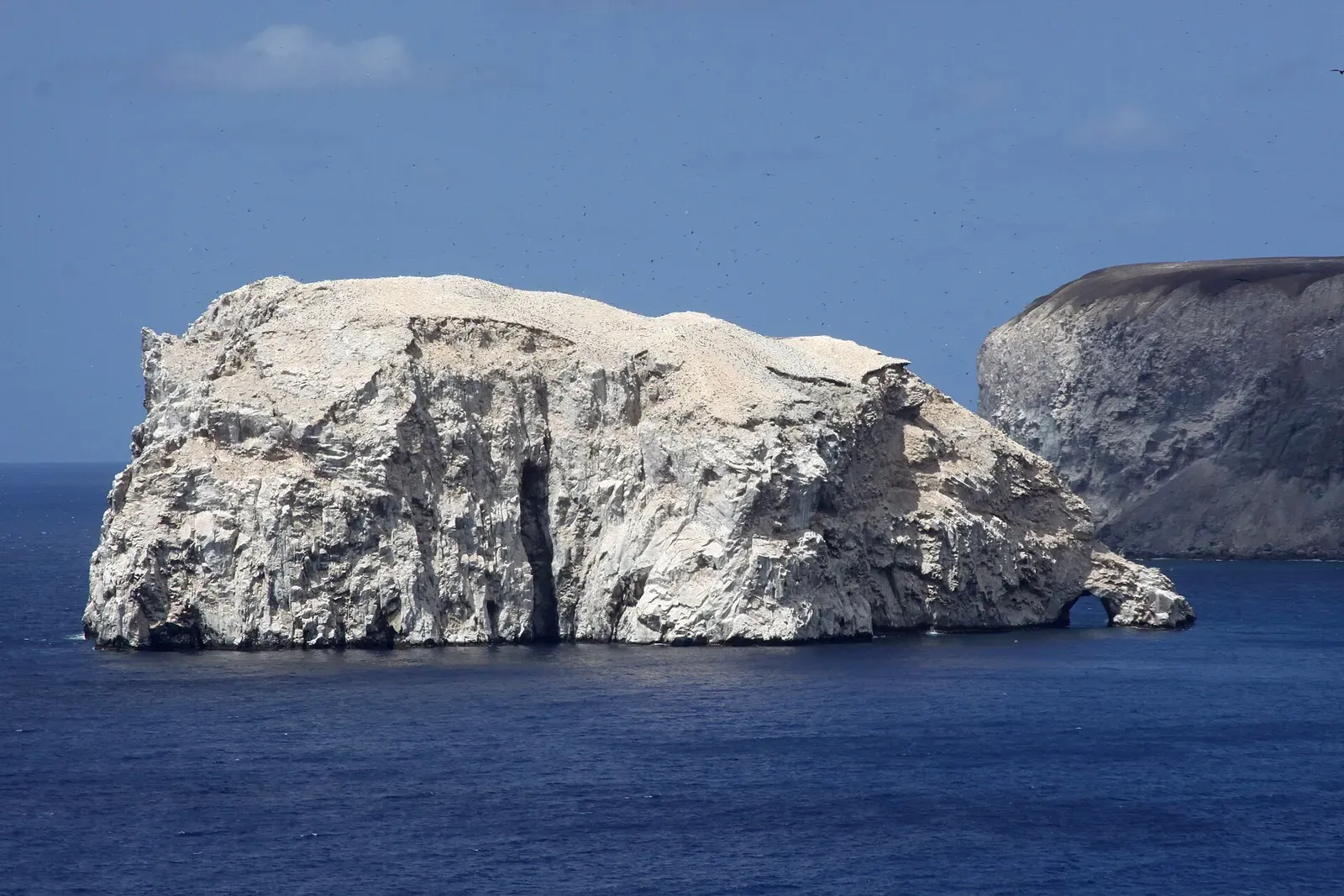

Black triggerfish swarm thick enough to block out the light